[pageLogInLogOut]

#Research & Development

Premium AEROTEC, Faurecia and Solvay launch Thermoplastic Composites research consortium (IRG CosiMo) with ITA-Augsburg

On the Picture (ITA Augsburg) from left to right: Rob Blackburn (Solvay) - Application Engineering Director; Guillaume Morales (Faurecia) - Program Development Leader; Reinhard Schaefer (Faurecia) - Engineering Director Ultra-Light Weight Structures; Helge von Selasinsky (ITA) - General Manager; Kim Gingras (Solvay) - Thermoplastic Composites Incubator Director; Jochen Scholler (Premium AEROTEC) - Manufacturing Engineer; Prof. Dr.-Ing. Stefan Schlichter (ITA) - Managing Director; Dr.-Ing. Daniel Hartung (Premium AEROTEC) - Head of Numerical Simulation; Joachim Nägele (Premium AEROTEC) - Managing Director Programs and Sales and Johannes Treiber (Solvay) - Senior Applications Engineer
Premium AEROTEC, Faurecia Clean Mobility, and Solvay are proud to launch IRG CosiMo (Industry Research Group: Composites for Sustainable Mobility), the industry’s first private consortium focusing on the development of materials and process technologies that will enable the high volume production of thermoplastic composites for both the Aerospace and Automotive markets.

Through a 3 year commitment, Premium AEROTEC, Faurecia Clean Mobility, and Solvay will bring together their expertise, capabilities and resources to hit the R&D milestones set to meet the industry’s growth expectations and offer solutions for sustainable mobility. Composite adoption, industrialization and accelerating automotive and aerospace ramp rates are all key focus areas that will be addressed by the IRG CosiMo consortium.

Premium AEROTEC, Faurecia Clean Mobility and ITA Augsburg are also part of an upcoming large project consortium in the Campus Carbon 4.0 program of the Free State of Bavaria, Germany. This public sponsored consortium (CC4.0 CosiMo) is going to develop new materials and processes for in-situ polymerization of Caprolactam to Polyamide 6 for high volume applications in automotive. IRG CosiMo, an extension of this consortium, aims to focus on a wider range of thermoplastic materials and processes. As a partner of IRG CosiMo, the Institute of Textile Technology Augsburg gGmbH (ITA Augsburg) will host and project manage the consortium, coordinate the scientific research program and operate the equipment used for processing new materials into tape and web based thermoplastic composites. 

All machines will be installed in the Technologiezentrum Augsburg (TZA), the core infrastructural element of Augsburg Innovationspark. In collaboration with IRG CosiMo Premium Partners, all installed equipment can also be used by companies interested to benefit from the network. Sharing infrastructure and equipment through open innovation is a highly efficient way to encourage the development of new materials, data driven process controls and robust automated manufacturing processes for serial production, without interrupting industrial plants.

ITA, a unique textile research facility, is focusing on the development of thermoplastic tape- and web based composite systems and will bring a lot of scientific knowledge to the group. ITA Augsburg initiated IRG CosiMo as part of a strategic, branch overlapping approach to push innovation in thermoplastic composites including recycled fiber materials. This unique private consortium allows demand-driven networking with short decision-making processes to maximize customer benefits. 

More News from Institut für Textiltechnik of RWTH Aachen University (ITA)

#Research & Development

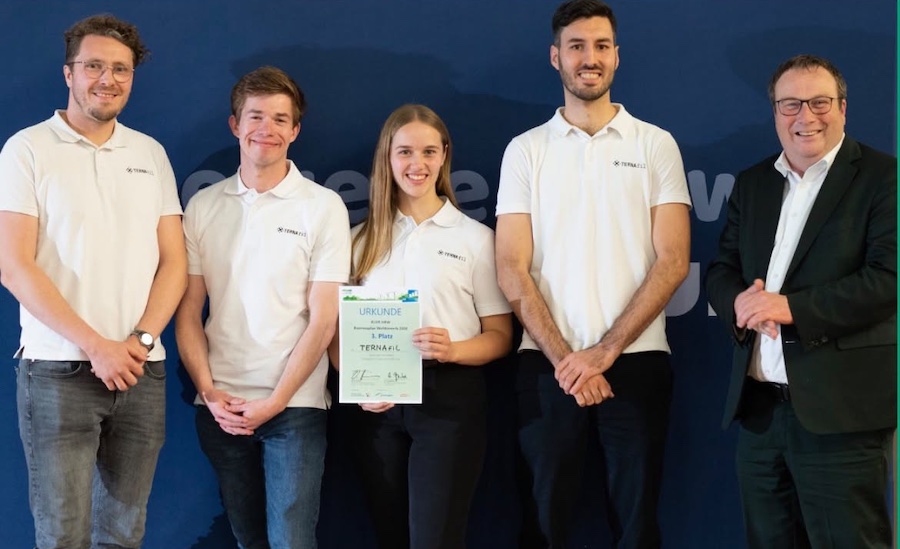
ITA spin-off TERNAfil wins third place at KUER.NRW 2026 with MAXCarbon technology

The Aachen-based ITA spin-off TERNAfil GmbH has secured third place in the KUER.NRW Business Plan Competition 2026 with MAXCarbon, an innovative carbon-ceramic hybrid fibre developed for applications in the hydrogen economy. The technology combines the mechanical properties of carbon fibres with the thermal and corrosion resistance of ceramic materials.

#Research & Development

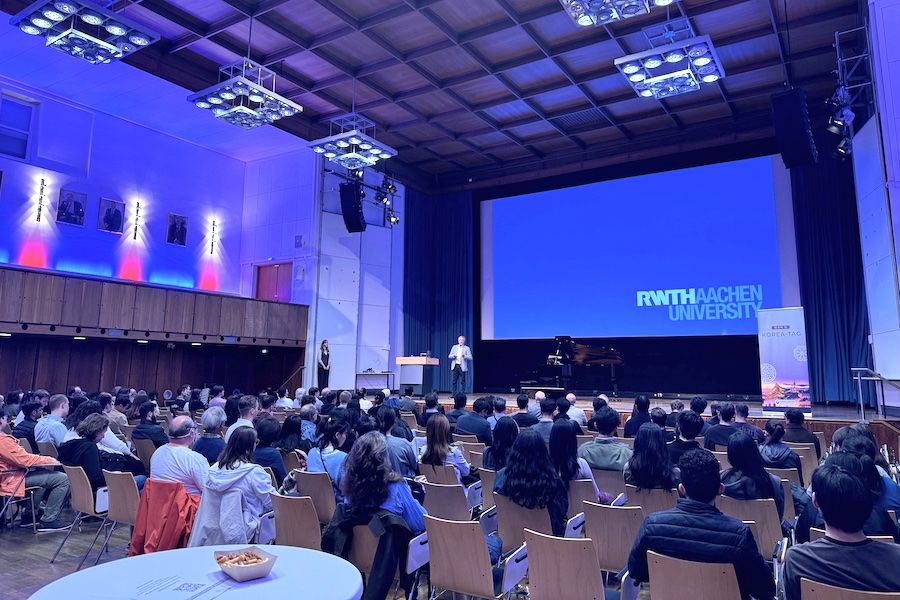
First "Korea Day" at RWTH Aachen attracts more than 300 participants

The inaugural Korea Day in Aachen brought together representatives from science, business and Korean institutions to strengthen German-Korean cooperation in research, technology and education. The Institut für Textiltechnik (ITA) of RWTH Aachen University was among the participating organisations.

#Research & Development

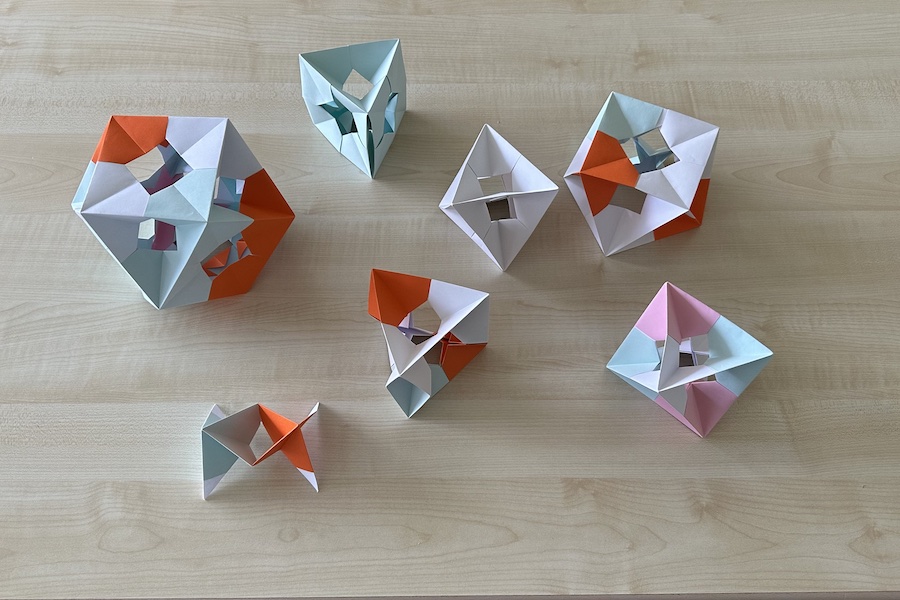
Aachen Summer School: Textiles become smart through 3D printing and origami

From 21 to 29 September 2026, the Aachen Summer School will transform Institut für Textiltechnik (ITA) of RWTH Aachen University into a laboratory of the future: over the course of a week, students will use origami folding techniques and 3D printing to develop active textile structures capable of performing programmable movements. This interdisciplinary event combines theoretical foundations with practical prototyping – from digital modelling right through to functional textile prototypes.

#Research & Development

ITA has developed a washable digital smart jacket with real-time feedback and an AI-powered app for rehabilitation

As part of the PhysioTaix research project, the Institut für Textiltechnik (ITA) of RWTH Aachen University is developing a digital smart jacket with integrated sensors. The jacket is washable and reusable; it tracks movements during rehabilitation exercises in real time and transmits the data to an app.

More News on Research & Development

#Research & Development

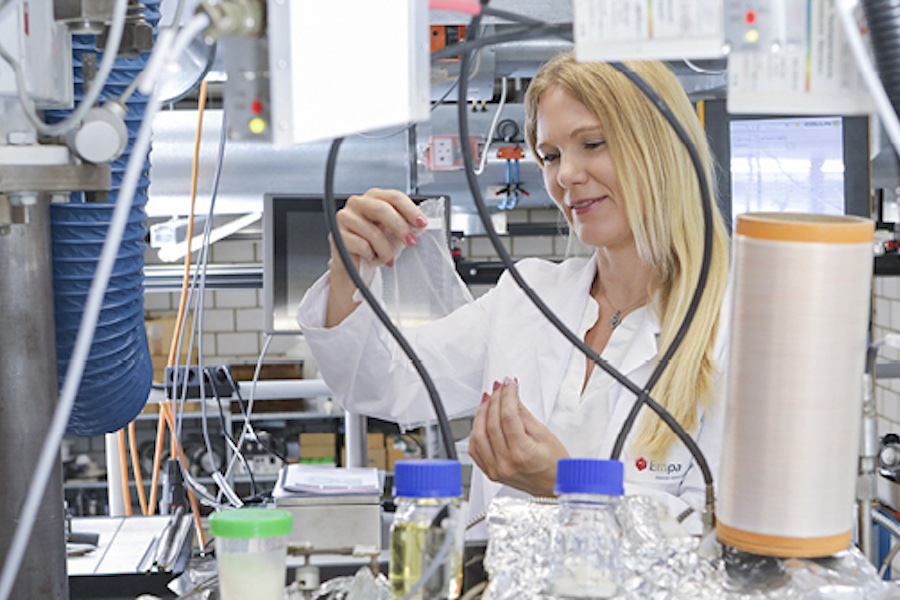
Empa develops liquid-core fibre for insecticide-treated mosquito nets

Empa researchers have developed a liquid-core fibre for mosquito nets that can incorporate insecticides unsuitable for conventional melt spinning. The fibre gradually releases the active ingredient through a polymer sheath. The team developed and tested the yarn over three years in the Innosuisse project MalCoFil with Swiss industry partners Vestergaard and Monosuisse.

#Weaving

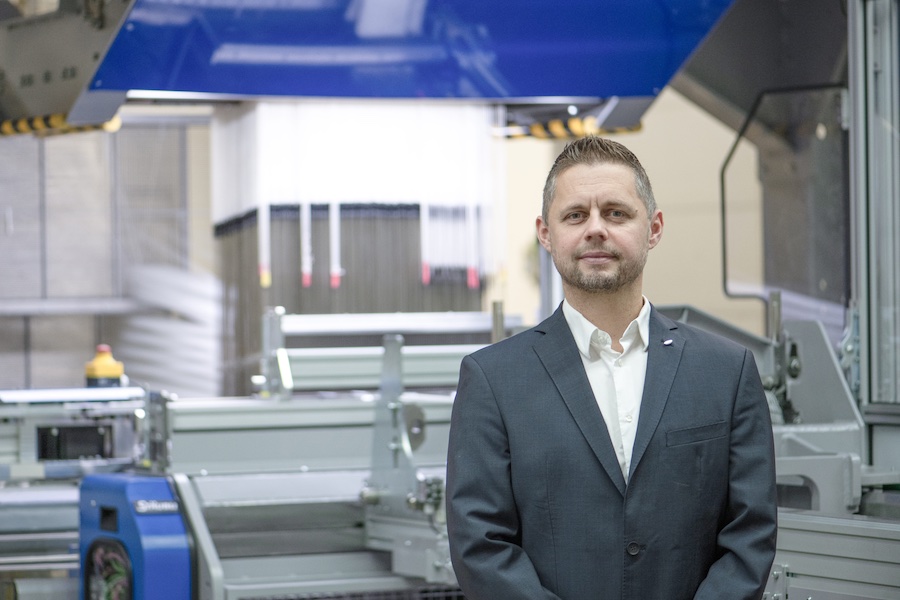
“A complex design is only useful if the machine can reproduce it consistently”

Andreas Schnabel, Head of R&D for Technical Weaving Systems at Stäubli, discusses how 3D weaving can create textile reinforcements tailored to the loads within a composite component, where near-net-shape weaving can reduce processing steps and material waste, and what it takes to produce complex structures reliably and economically. He also explains how manufacturers can adapt Stäubli’s modular TF weaving platforms to new applications and how the company’s centre of excellence in Bayreuth supports the transition from research to industrial production.

#Research & Development

DITF develops bio-based binding fibers for wood-fiber insulation materials

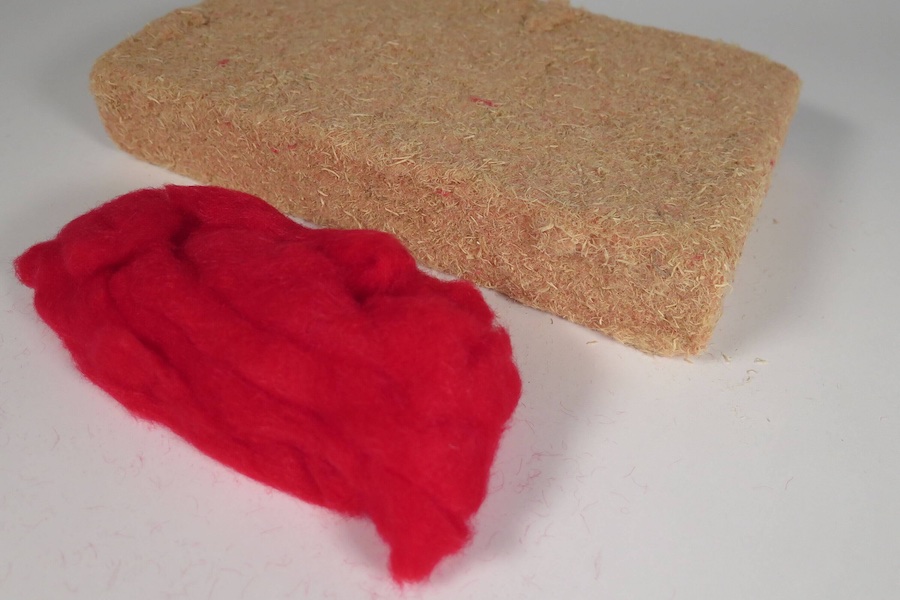
As part of the CelluWoodFlex project, the German Institutes of Textile- and Fiber-Research in Denkendorf (DITF) are developing bio-based cellulose ester fibers as alternative binding fibers for flexible wood fiber insulation materials. In addition to the spinning process and the production of suitable staple fibers, the institute is also investigating how wood and cellulose fibers can be separated and recycled at the end of their useful life.

Latest News

#ITMA Asia + CITME 2026

KARL MAYER sets new speed benchmark with RD 7/2-6 MAX for high-performance spacer fabrics

During ITMA ASIA, KARL MAYER is launching a superlative machine for the production of spacer fabrics. The new RD 7/2-6 MAX is the fastest seven-bar double needle bar raschel machine on the market and is currently attracting a great deal of attention at the Product Show accompanying the trade fair at KARL MAYER in Changzhou.

#ITMA Asia Singapore 2029

CEMATEX and Chinese partners explore new forms of cooperation as ITMA ASIA returns to Singapore in 2029

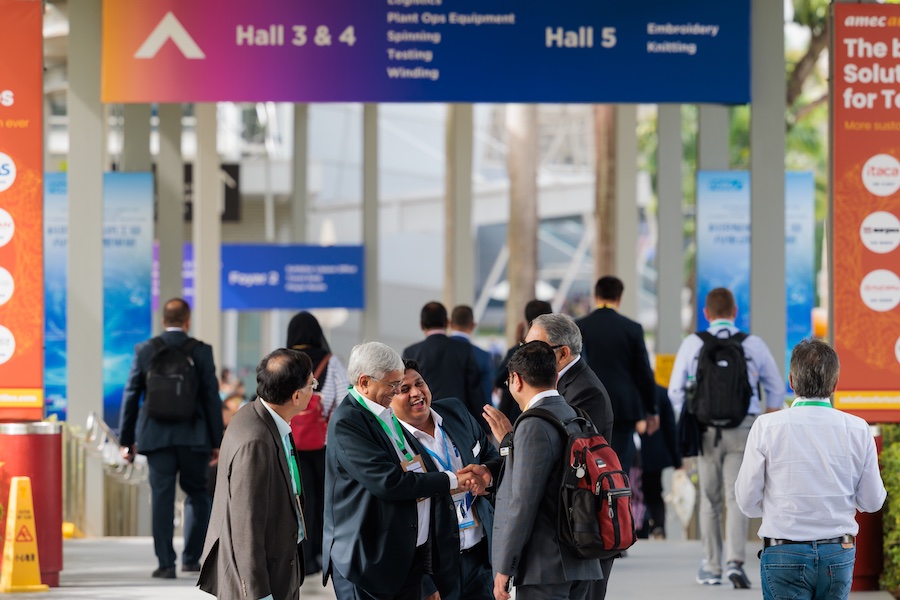
CEMATEX and the Chinese Consortium have jointly announced the conclusion of the first phase of their 20-year collaboration as co-owners and co-organisers of ITMA ASIA + CITME in China. At the same time, CEMATEX has confirmed that ITMA ASIA will return to Singapore in October 2029 as part of a broader strategic realignment. Both parties have reaffirmed their commitment to continued industry cooperation, while pursuing their respective strategic directions.

#Spinning

Trützschler's T-CAN reduces labor requirements by over 60% at Chinese spinning mill

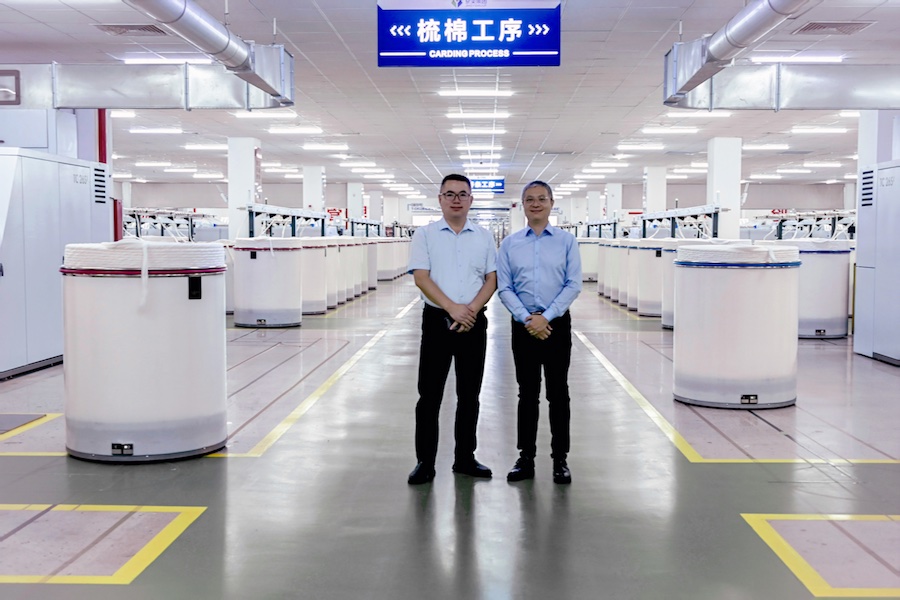
Across the textile industry, mills are looking for ways to reduce labor dependency while maintaining full control of their production processes. However, manual can transport between spinning preparation machines often remains labor-intensive and prone to human error. To address this challenge, Trützschler developed T-CAN. The automated can transport system connects carding and drawing processes as well as drawing passages, ensures reliable material flow and reduces the need for manual intervention.

#ITMA Asia + CITME 2026

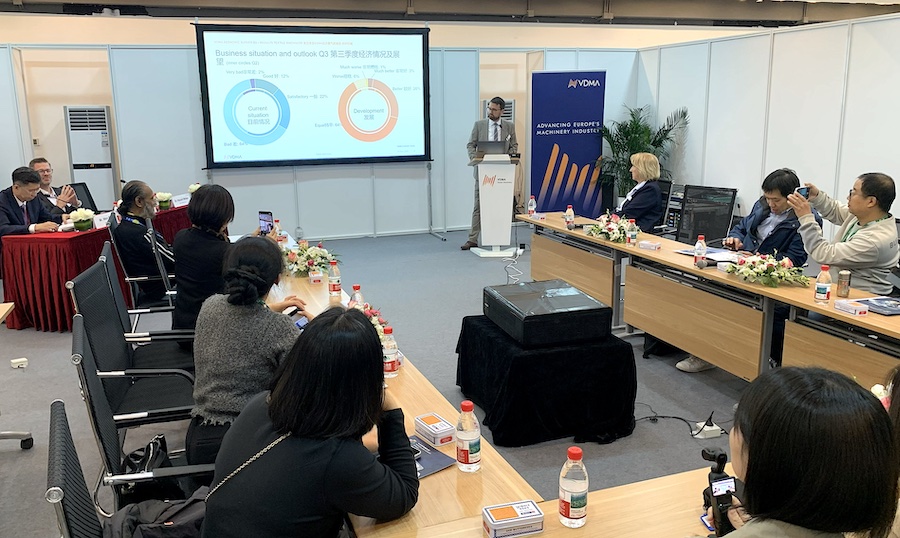
VDMA: German textile machinery manufacturers see signs of recovery as China remains a key market

Strong German participation at ITMA ASIA + CITME 2026 underscores China's importance for the textile machinery industry, while business surveys point to improving prospects for 2027.

TOP