[pageLogInLogOut]

#Recycling / Circular Economy

New “Fiber Recycling Initiative” by TENCEL™ spotlights circularity with mechanical recycling of TENCEL™ Lyocell fibers

Lenzing Group, a leading global producer of wood-based specialty fibers, introduced the initial phase of the “Fiber Recycling Initiative” by TENCEL™ alongside its valued mill partners, Artistic Milliners from Pakistan, Canatiba from Brazil and Textil Santanderina from Spain. Dedicated to driving circularity in the global textile industry, the new initiative kicks-off with the production of denim fabrics derived from mechanically recycled TENCEL™ branded lyocell fibers. With usage of pre-consumer lyocell waste at a commercial scale, the initiative redefines the circular future of a sustainable denim industry globally.
  • “Fiber Recycling Initiative” by TENCEL™ set to transform the future of the textile industry with circularity and innovation at heart, starting with the denim segment in the initial phase
  • Lenzing’s long-term partners are at the forefront of fiber circularity, advocating for the mechanical recycling of TENCEL™ branded lyocell fibers for use in the production of original denim fabrics at a commercial scale


“Brands and consumers count on us to lead the change towards a more sustainable industry value chain,” said Tuncay K?l?çkan, Head of Global Business Development, Denim, at Lenzing. “As we constantly seek ways to improve circularity across various components of the textile industry, our like-minded, decades-long value chain partners have innovatively discovered the mechanical recycling of TENCEL™ Lyocell fibers in denim production. While such concept is still relatively new to the wider industry, the development of the “Fiber Recycling Initiative” by TENCEL™ sets out to promote the benefits and unleash the full potential of the new circular fabric.”

Fiber Recycling Initiative Denim © 2023 Textil Santanderina


Transforming the future of denim with mechanically recycled TENCEL™ Lyocell fibers

The initial phase of the new circularity initiative spotlights the ongoing quest for sustainable denim production and innovation from Lenzing and its mill partners as they answer a common call for sustainability, circularity and transparency in the global textile value chain. This is driven by a growing demand from consumers who are looking for more sustainable and circular product options.

“Denim circularity is undeniably the present, and the inevitable future of denim,” said Baber Sultan, Director of Research, Product and Trend at Artistic Milliners. “We have seen wider adaptation of mechanical recycling beyond textiles, particularly in paper and construction industries. Considering the high tenacity of TENCEL™ Lyocell fibers, there is an edge to increase recycled content while producing higher quality fabrics. The new fabric has so much potential across global markets, especially with the nostalgia around Y2K and other vintage looks. The classic salt and pepper effect really blooms with mechanically recycled TENCEL™ Lyocell fibers, along with that neppy denim aesthetics.”

Virgin TENCEL™ Lyocell fibers are reputable for their environmentally responsible, closed loop production process, which transforms sustainably sourced wood pulp into cellulosic fibers with high resource efficiency and low carbon footprint. Mechanically recycled TENCEL™ Lyocell fibers adds to the sustainability features of the denim fabric, as it does not require usage of water or chemicals.


“The mechanically recycled TENCEL™ Lyocell fibers are ideal for denim,” said the Product Development Team at Canatiba. “Unlike cotton, the new fabric retains its characteristics in relation to virgin fibers, while maintaining the length, resistance and all the physical properties, as well as being super soft to touch. It comes from a completely clean and sustainable process that does not involve water or chemical consumption. In Brazil, mechanically recycled lyocell fibers have a strong potential to scale among large brands and department stores.”

Enabling endless possibilities for sustainable denim

Fabrics produced using mechanically recycled TENCEL™ Lyocell fibers feature a “close-to-cotton” aesthetics while retaining the core features of TENCEL™ Lyocell fibers, like breathability, smooth drape, gentle on skin and long-lasting comfort.

“We believe that the future of the textile industry depends on sustainability and circularity, which can also guarantee the survival of denim,” said José Antonio Mazorra, Corporate Social Responsibility Manager at Textil Santanderina. “The awareness of reducing environmental impact within our sector is growing, especially with the industry trends of circular economy and sustainable production practices. I expect that innovation and technological improvements around circularity, including phases of collection, selection and recycling, will result in a greater need for mechanically recycled cellulosic fibers.”

The fibers are also identifiable in end products, ensuring traceability and transparency of production processes. With the ability to be traced back to their sources, the use of mechanically recycled TENCEL™ Lyocell fibers can be documented and verified, ensuring greater accountability and transparency in the supply chain.

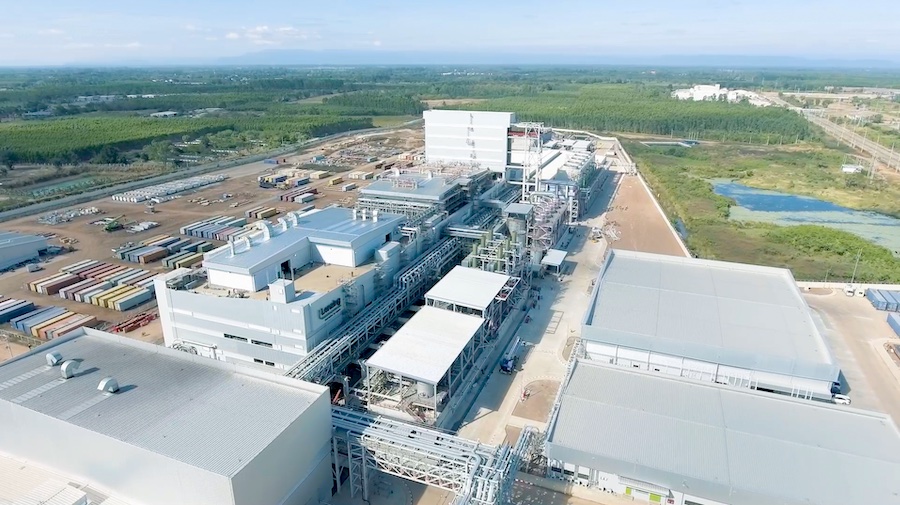
Fiber Recycling Initiative Denim © 2023 Canatiba


More News from Lenzing

#Nonwovens

VEOCEL™ Lyocell production expands to Asia – Launching a new chapter for nonwovens in the region

VEOCEL™, Lenzing's flagship specialty nonwovens brand, expands production at its Thai plant in Prachinburi. This is the first-ever production of its nonwoven-grade lyocell fibers in Asia. Built in 2022 with a 100,000-ton annual production capacity, the facility - previously focused on fibers for textile applications - now can directly meet the demand for VEOCEL™’s biodegradable¹, wood-based lyocell fibers for nonwovens products. These fibers are an essential ingredient for high-quality nonwovens products, ranging from baby wipes to facial sheet masks and everyday personal hygiene items.

#Man-Made Fibers

Lenzing advances its transformation: Higher EBITDA, stronger free cash flow and more than EUR 200 million in cost savings

The business performance of the Lenzing Group in 2025 was affected particularly in the second half of the year by external factors such as international tariff measures, subdued demand and declining market prices. As a result, revenue decreased slightly by 2.3 percent to EUR 2.6 billion, primarily due to lower fiber sales volumes and lower prices for fibers and pulp, which were further negatively impacted by currency developments. Nevertheless, thanks to the comprehensive Performance Program, Lenzing was able to improve its operating performance and key financial indicators compared with the previous year.

#Man-Made Fibers

“Lead Transformation – Generate Impact”: Lenzing presents its 2025 Annual and Sustainability Report

The Lenzing Group has published its 2025 Annual and Sustainability Report, entitled LEAD TRANSFORMATION – GENERATE IMPACT. The report shows how Lenzing is actively shaping change in the industry and making a lasting impact: economically, ecologically, and socially. Lenzing is consistently focused on the future: with targeted investments in premiumization, excellence, innovation, and sustainability, the company is strengthening its position as a leading provider of sustainable, cellulose-based premium fibers. The combined report is available in digital format.

#Raw Materials

Lenzing Group positions bio‑based materials as a strategic asset for Europe’s economic security

The Lenzing Group, a leading supplier of regenerated cellulose fibers for the textile and nonwovens industries, hosted a high‑level roundtable in Brussels to discuss how bio‑based materials can strengthen Europe’s economic security and support the shift toward a fossil‑free future. Organized in cooperation with Euractiv, the event brought together representatives of the European Commission, the UK Mission to the EU, academia, civil society, and industry.

More News on Recycling / Circular Economy

#Recycling / Circular Economy

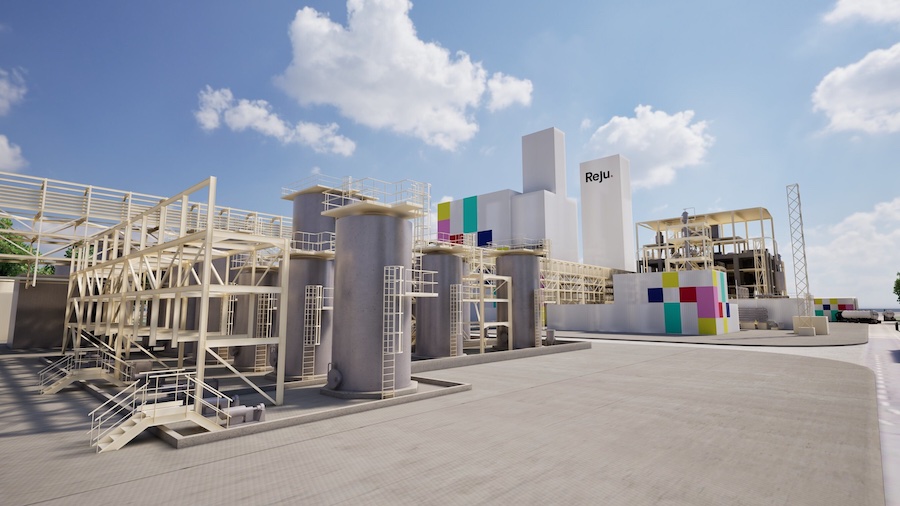
Reju secures €135 Million in Dutch NIKI Funding for industrial-scale textile-to-textile regeneration hub at Chemelot Industrial Park, the Netherlands

Reju™, the progressive textile-to-textile regeneration company, has been awarded €135 million in funding under the Netherlands’ Nationale Investeringsregeling Klimaatprojecten Industrie (NIKI) program. The funding will support Reju’s planned industrial-scale Regeneration Hub at Chemelot Industrial Park in Sittard-Geleen, covering both the investment phase and ongoing operations, and represents a critical milestone on the path toward final investment decision.

#Recycling / Circular Economy

eeden is now a Canopy partner

eeden is committed to enable circular textiles by developing recycling technologies that turn textile waste into valuable raw materials. But the commitment goes further – eeden advocates for supply chain solutions that uphold responsible environmental and ethical standards, protecting global ecosystems including Ancient and Endangered Forests.

#Recycling / Circular Economy

Infinited Fiber Company’s environmental permit for Kemi advances to statutory appeal phase

Infinited Fiber has reached an important regulatory milestone in Finland, as the environmental permit process for a potential facility in Kemi has progressed to the statutory appeal phase.

#Recycling / Circular Economy

Carbios confirms Longlaville plant in France following financing progress

Carbios has reaffirmed its plans to build its Longlaville plant in France within a project financing framework, targeting the start of production in the first half of 2028. The company also reports a solid cash position of around €60 million at the end of 2025 and has appointed Benoît Grenot as Deputy Chief Executive Officer to support the execution of its strategic projects.

Latest News

#Raw Materials

New study shows low environmental impact by Cotton made in Africa Organic Cotton from Tanzania

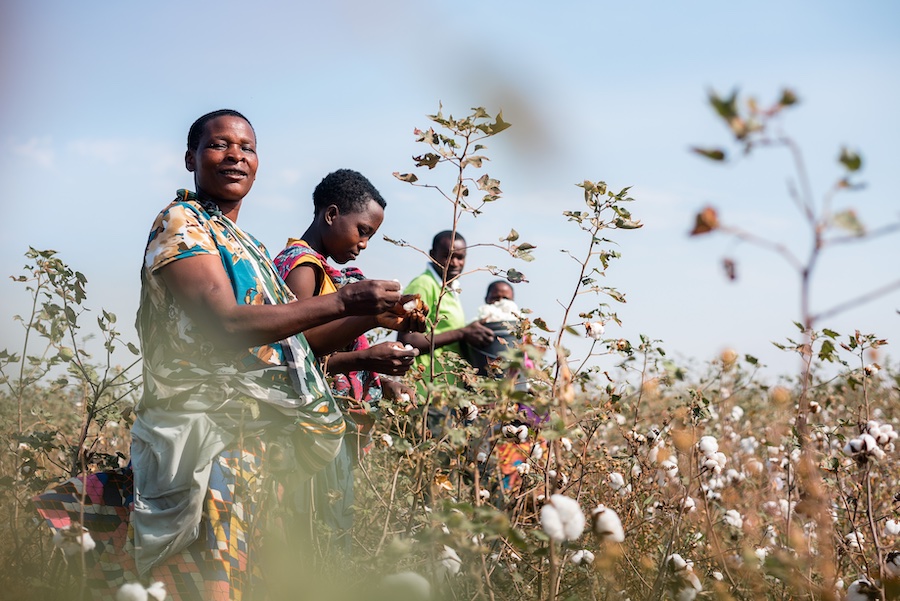
Today, the Aid by Trade Foundation (AbTF) is announcing the results of a comprehensive life-cycle analysis (LCA) for cotton produced in Tanzania under the Cotton made in Africa Organic (CmiA Organic) standard. The study emphasises the small ecological footprint of CmiA Organic verified cotton. This can largely be traced back to the absence of synthetic pesticides, artificial fertilisers, and artificial irrigation. Consequently, CmiA Organic cotton can help the textile industry meet regulatory requirements as well as science-based targets. The results also show that the consequences of climate change threaten the livelihoods of these cotton farmers, even though the type of agriculture they practise barely contributes to climate change.

#Raw Materials

Better Cotton Initiative strengthens regenerative focus in standard update

The Better Cotton Initiative (BCI) has strengthened the regenerative focus of its field-level standard with the launch of a new version of its Principles & Criteria (P&C), which marks the next step in the organisation’s journey to becoming a regenerative standards system.

#Man-Made Fibers

Selenis and Kintra Fibers partner to scale 100% bio-based synthetic fiber technology

Selenis, a leading global specialty polyester manufacturer, today announced a strategic manufacturing partnership with materials science company Kintra Fibers to scale Kintra’s patented fiber-grade PBS resin - a 100% bio-based and biodegradable material designed for textile applications.

#Functional Fabrics

PERFORMANCE DAYS proves its relevance as the industry’s key meeting point

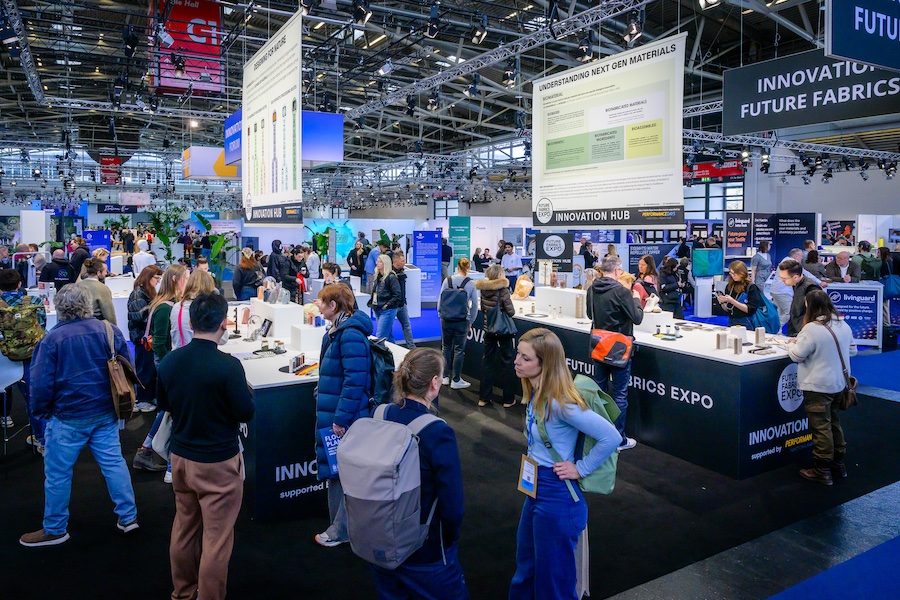
Held on March 18–19, 2026, PERFORMANCE DAYS once again confirmed its position as a leading international platform for functional textiles. A total of 3.366 trade visitors and around 560 exhibitors gathered in Munich, with the event already kicking off successfully on DAY 0, which received highly positive feedback for its interactive format. Despite challenging conditions caused by the public transport strike in Munich, the event saw strong attendance and a consistently high level of activity across both exhibition days.

TOP