[pageLogInLogOut]

#Recycling / Circular Economy

Fashion for Good welcomes ten new innovators to its 2024 innovation programme

Building on a renewed five-year strategy, Fashion for Good selects ten new innovators for its 2024 programme to receive tailored support validating their technologies. This cohort represents an increased focus on novel footwear material and recycling technologies, man-made cellulosics, and nylon recycling.

The 2024 Innovation Programme provides bespoke support based on the development stage and ambitions of each innovator, matching them with relevant industry partners to drive technology and impact technology and impact validation as well as investing activities.

“We are thrilled to unveil this year's cohort of ten new innovators for our Innovation Programme. These groundbreaking technologies epitomise our steadfast commitment to embedding new technologies within the fashion industry."Katrin Ley, Managing Director, Fashion for Good

The selected innovators joining the 2024 Innovation Programme are Algreen Ltd, Balena, Epoch Biodesign, Fibre52, Gencrest BioProducts Pvt Ltd, HeiQ AeoniQ, Nanollose - Nullabor, Regeneley, Samsara Eco, SEFF.

ABOUT THE INNOVATORS

Algreen Ltd: Algreen co-develops alternative materials from algae and biobased sources that can replace fossil-based products such as PU.

Balena: Balena creates biodegradable partly biobased polymers for footwear outsoles.

Epoch Biodesign: Epoch Biodesign is an enzymatic recycler of PA66 and PA6 textile waste.

Fibre52: Fibre52 is a bio-based solution replacing traditional bleach prepared-for-dyeing and dye processes.

Gencrest BioProducts Pvt Ltd: Gencrest works with various agri-residues to convert them into textile-grade fibres using their enzymatic technology.

HeiQ AeoniQ: HeiQ AeoniQ™ is a continuous cellulose filament yarn with enhanced tensile properties.

Nanollose - Nullabor: Nullarbor™Lyocell is developed from microbial cellulose which is converted into pulp pulp to produce a lyocell fibre with their partner Birla Cellulose.

REGENELEY: REGENELEY pioneers advanced shoe sole recycling technologies by separating and recycling EVA, TPU, and rubber components found in footwear.

Samsara Eco: Samsara Eco is an enzymatic recycler of PA66 and PET textile waste.

SEFF: SEFF Fibre produces cottonised fibres and blends of hemp fabrics utilising a patented HVPED process.


More News from Fashion for Good

#Recycling / Circular Economy

Fashion for Good releases open-source blueprint for near-net-zero textile manufacturing

Fashion for Good launches the first open-source blueprint for near-net-zero textile manufacturing, tackling one of fashion’s biggest emissions hotspots. Developed under the Future Forward Factory project, the blueprint offers Tier 2 manufacturers in India five practical, financially viable pathways to reduce carbon emissions by up to 93%.

#New Materials

From premiums to parity: How Fashion for Good is rewriting the economics of new materials

Fashion for Good launches Price Parity Toolkit: developed with support from Laudes Foundation, Canopy and Finance Earth, the framework introduces an innovative financing approach (premium decoupling) to remove price premiums from the supply chain and unlock faster adoption of lower-impact materials across the industry.

#Natural Fibers

Fashion For Good launches “Beyond50 Denim” to address hemp integration barriers in global denim production

Fashion for Good, together with leading global brands BESTSELLER, C&A, PDS Limited, Reformation, and Target, launched Beyond50 Denim: Combining Cottonised Hemp and Green Chemistry, a project accelerating the use of hemp as an alternative to conventional cotton in denim. By combining two pioneering innovations (SEFF’s Nano-Pulse™ cottonised hemp fibres and FIBRE52™’s proprietary chemistry formulations with soft handfeel), the project seeks to demonstrate that hemp-based denim can match or even surpass cotton in both performance and appeal.

#Sustainability

Fashion For Good unveils “The Next Stride”, a new footwear project to replace fossil fuel mate-rial with bio-based sole innovation

Fashion for Good today announced the launch of The Next Stride: Bio-Based Materials for Footwear Soles, a 12-month project to transform the $400 billion footwear industry¹ by reimagining one of its most impactful components: the sole. In partnership with adidas, Target, and Zalando, alongside leading material innovators Algenesis Labs, Balena, Evoco, KUORI, and Yulex, the initiative will test and validate bio-based polymers as high-performance alternatives to the fossil fuel–derived materials that dominate footwear production. By focusing on the sole (the foundation of every shoe), The Next Stride aims to accelerate the industry’s shift toward scalable, circular solutions.

More News on Recycling / Circular Economy

#Research & Development

How innovations drive BASF’s success

“Innovation has always been part of BASF’s DNA. Especially in these volatile times, it is crucial to leverage our innovative strength to develop competitive solutions that differentiate us as a company in our markets and give us a competitive edge,” said Dr. Stephan Kothrade, Member of the Board of Executive Directors of BASF and Chief Technology Officer, at the company’s Research Press Briefing held today. To achieve this, BASF implemented its “Winning Ways” strategy about a year ago with the clear goal of becoming the preferred chemical company to enable its customers’ green transformation.

#Recycling / Circular Economy

Textiles Recycling Expo announces collaboration with Future Fabrics Expo for 2026

The Textiles Recycling Expo has entered a major new collaboration with the Future Fabrics Expo which means that both events will run alongside each other at the Brussels Expo, Belgium on 24–25 June 2026. This co-location marks a significant step forward for the textile and fashion industries, bringing together two influential and complementary events under one roof.

#Recycling / Circular Economy

Between 121 and 142 million people are employed in the circular economy globally, new study finds

Between 121 and 142 million people worldwide are employed in sectors that contribute to the circular economy, such as repair, recycling, second-hand trade and waste management. This represents roughly between 5 and 5.8 percent of total global employment (excluding agriculture), according to a new joint report by Circle Economy, the International Labour Organization (ILO) and the World Bank Group, in partnership with the UN Partnership for Action on Green Economy (UN-PAGE).

Latest News

#Spinning

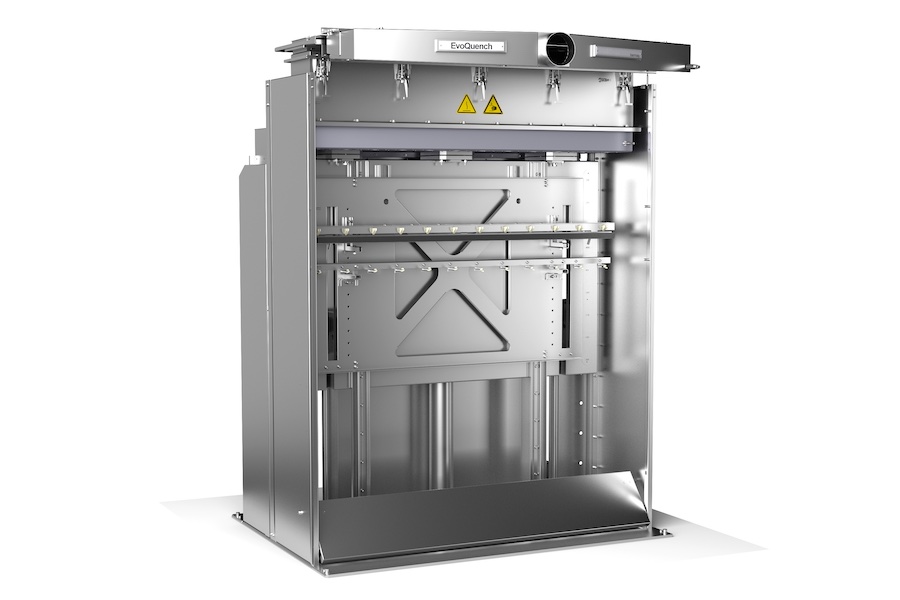
First PA66 spinning plant with EvoQuench successfully commissioned

With the successful commissioning of a multi-digit PA66 spinning line for microfiber yarns, Chinese textile company Shandong Nanshan Fashion Technology Co., Ltd. has added yarn production to its textile value chain.

#Knitting & Hosiery

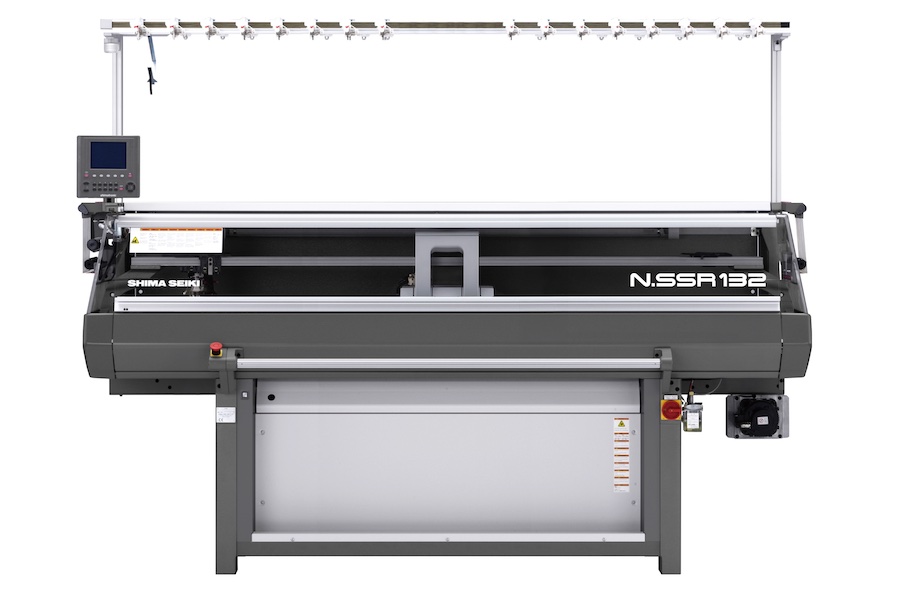
SHIMA SEIKI returns to ShanghaiTex

Leading flat knitting solutions provider SHIMA SEIKI MFG., LTD. of Wakayama, Japan, together with its Hong Kong and Chinese market subsidiary SHIMA SEIKI (HONG KONG) LTD., will exhibit at the ShanghaiTex 2025 exhibition (Booth No.: Hall N3, Booth A20) held in Shanghai, China this month. This marks the return of SHIMA SEIKI to ShanghaiTex after a 14-year hiatus, its last exhibit at the show having been in 2011.

#Research & Development

Fraunhofer CCPE presents the “Monomaterial Design Set” – Innovative solutions for circular product design

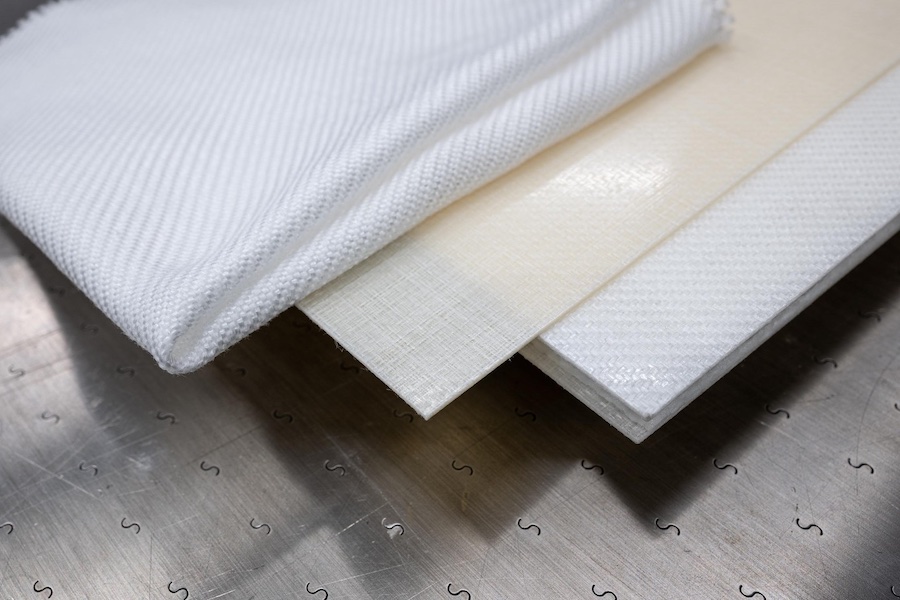
Composite materials made from different types of plastic often extend the lifetime of products but make recycling more difficult in the circular economy. That is why Fraunhofer CCPE has developed the “Monomaterial Design Set”. This new approach helps to reduce the variety of plastics used in durable products and offers circular solutions for designers and product developers.

#Man-Made Fibers

arena introduces renewable LYCRA® EcoMade fiber in its latest swimwear collection

Italian swimwear specialist arena has unveiled a new collection that brings sustainability and performance even closer together. Launched on December 4, the line features swimsuits made from recycled nylon and renewable LYCRA® EcoMade fiber — the first time the bio-based spandex has been used commercially in swimwear.

TOP