[pageLogInLogOut]

#Recycled Fibers

Odlo and DePoly “Close the loop” on Polyester with InnoBooster project

Odlo, the Swiss-based performance apparel brand, together with DePoly, the award-winning chemical recycling pioneer, has successfully completed an InnoBooster-funded innovation project. By turning production cut-offs from Odlo’s base layer factory into virgin-quality recycled polyester fabric, the partners have taken an important step towards closing the loop on one of the most widely used materials in the textile industry.


A European recycling journey​

Building on Odlo’s long tradition of sustainable innovation, the project set out to explore whether waste from Odlo’s own production could be reborn as the brand’s first circular base layer.

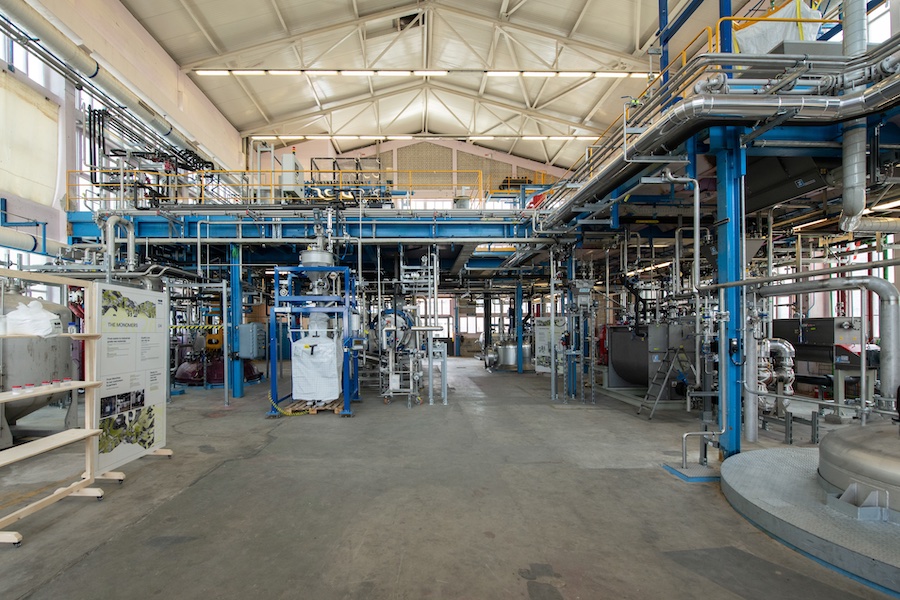
The journey began in Romania, where cut-offs from Odlo’s popular Active Warm base layers were collected and diverted from the waste stream. In Switzerland, DePoly applied their patented recycling process to break the fabric down into the monomers of polyester, restoring the material to its original purity. These monomers were then repolymerised into virgin-quality PET pellets in Italy, before being spun and knitted into new performance fabric in Spain. 

“Our mission at DePoly is to make circularity for synthetic materials – textiles and plastics alike - a reality,” said Tijana Ivanovic, Senior Business Development Manager at DePoly. “Working with Odlo on this project demonstrates the quality and impact chemical recycling can deliver.” 

The initiative was supported by an InnoBooster grant from Innosuisse, the Swiss Federal Innovation Agency. The programme backs radical ideas for highly circular products and systems across Swiss industries, with this project chosen from among several applicants.

The result is more than a technical success. It is proof that textile waste can return as fabric equal in quality and performance to virgin polyester.


Why it matters

Polyester is the backbone of today’s textile industry, making up more than half of all fabrics worldwide. Yet less than one percent of that material is recycled back into textiles, leaving the vast majority to be downcycled, landfilled or incinerated.

For brands with strong sustainability ambitions, this gap has long been a stumbling block. The Odlo–DePoly project demonstrates that chemical recycling can offer a way forward. It creates a closed loop for synthetic fibres, reduces reliance on virgin fossil-based resources and keeps materials in circulation.

This work furthers Odlo’s “Close the loop” circularity ambitions, which encompasses product longevity and traceability. The approach is rooted in Odlo ReWEAR, an initiative that gives garments a second life through repair, resale and take-back programmes. By investing in circular technologies such as chemical recycling, Odlo is extending this vision to cover not only how products are used, but also how they are remade.

“Closing the loop requires more than one solution,” said Johanna Heimlicher, Sustainability Director at Odlo. “By combining initiatives like ReWEAR with cutting-edge recycling technologies such as that of DePoly, we are laying the groundwork for a truly circular approach to performance apparel.”


Looking ahead

The successful completion of this project is just the beginning. For Odlo, it marks an important step in bringing its “Close the loop” vision to life. The next phase of work will focus on developing product prototypes, defining design criteria and exploring wider collaborations that can help establish a circular ecosystem for polyester in Switzerland and beyond. By closing the loop on polyester, Odlo and DePoly are not only addressing textile waste but also creating a model for how circularity can scale across the industry.

More News from DePoly SA

More News on Recycled Fibers

#Recycled Fibers

Lindex and BASF partner to bring textile-­to­-textile recycled polyamide to lingerie sector

Lindex has partnered with BASF’s loopamid® to accelerate textile-­to-­textile recycling and advance the shift towards more circular material solutions in the fashion industry. Together they introduce loopamid to the lingerie sector.

#ITM 2026

Uster FiberQ excels for recycled raw materials too

Uster FiberQ is a complete solution for raw material utilization, supporting spinners to achieve consistent quality and profitability every day, building further growth for the future. The Turkish company ORTA relies on FiberQ with recycled yarn for its denim production. Data-driven knowledge puts the producer in control of raw material utilization – ready to make the correct decisions for process efficiency, quality and productivity.

#Yarns

From advanced fibres to eco‑focused yarns: Yarn Expo Autumn 2026 set to welcome global industry to Shanghai

From 25 – 27 August, Yarn Expo Autumn 2026 will return to the National Exhibition and Convention Center (Shanghai) to reinforce its role as a key meeting point for the global yarn and fibre industry. With over 22,000 visitors, the previous edition gathered nearly 580 leading exhibitors from 16 countries and regions, showcasing advanced developments and creative applications that support innovative, sustainable textile design. The upcoming edition will not only present an extensive range of fibre and yarn products, but will also feature a comprehensive fringe programme, including industry forums and trend display areas, providing innovative upstream enterprises with a stage to introduce next‑generation materials and sustainable concepts.

#Research & Development

Elastic yarns to become more recyclable and environmentally friendly in future

On 29 April 2026, ITA student Tobias Dickmeiß was awarded a sponsorship prize by the Wilhelm Lorch-Stiftung for his innovative approach, to replacing conventional elastane with elastic yarns made from thermoplastic copolyester elastomers (TPC). Thanks to their thermoplastic nature and compatibility with typical polyesters used in the textile industry, elastic TPC yarns offer improved recyclability. Furthermore, the use of the melt-spinning process in yarn production eliminates the need for solvents that are harmful to the environment and human health.

Latest News

#Home Textiles

Intertextile Shanghai Home Textiles unveils Trends 2027 alongside new lifestyle zone and product expansion

Intertextile Shanghai Home Textiles – Autumn Edition 2026 will spotlight forward-looking design directions and evolving consumer demand, as the global home and lifestyle market continues to adapt to sustainability priorities, emotional well-being, and diversified living spaces. Taking place from 18 – 20 August 2026 at the National Exhibition and Convention Center (Shanghai), the fair will present its latest trend theme, ‘BREATHE UP!’, developed in collaboration with leading international trend forecaster NellyRodi™ Agency, alongside expanded product categories, and the debut of the Home Textiles Lifestyle Zone.

#ITM 2026

Groz-Beckert brings new knitting, weaving and nonwovens technologies to ITM 2026

From June 9 to 13, 2026, Groz-Beckert will present its latest innovations and solutions across the product areas of Knitting, Weaving and Nonwovens at ITM in Istanbul (Hall 3, Booth 304B).

#ITM 2026

Itema to showcase weaving excellence at ITM 2026

From June 9 to 13, Itema will exhibit at ITM 2026 in Istanbul (Hall 8 – Stand 806D), unveiling a distinctive exhibition concept designed to highlight the Company’s expertise across the entire weaving value chain. For this year’s edition, Itema will introduce an innovative stand experience built around two core areas: advanced weaving and spare parts solutions and an immersive textile gallery featuring fabrics produced by Itema Customers worldwide.

#Textiles & Apparel / Garment

Global size study for brands and retailers to optimize fit and market coverage

Hohenstein Apparel Fit Solutions, a global leader in apparel fit, sizing, and product development, today announces the launch of its Global Size Study, a new initiative designed to equip brands to better understand and serve their target consumers through more accurate, market-relevant sizing.

TOP