[pageLogInLogOut]

#Nonwovens / Technical Textiles

SABIC’s polymer solutions enable first-ever local production of N95 Masks

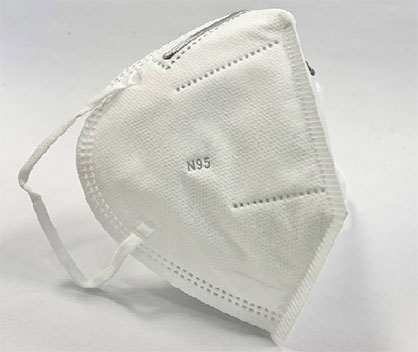
SABIC’s journey toward localizing the production of hygiene and personal protection equipment reached an important milestone when a local medical products company applied its polymer solutions to produce N95 masks in Saudi Arabia for the first time.

Using SABIC’s polypropylene material, the Saudi Mais Company produced the N95 masks in collaboration with Demas Factory for Non-Woven Fabrics and obtained the necessary approvals after conforming to the Saudi Food and Drug Authority specifications.
© 2021 Sabic
© 2021 Sabic


Yousef Al-Benyan, SABIC Vice Chairman and CEO, said that SABIC is strongly committed to contributing toward achieving Saudi Vision 2030 goals through NUSANED™, a SABIC national initiative that enables the development of strategic industries and supports Saudi companies to maximize local content. He said that SABIC is working closely with local manufacturers to create innovative and sustainable solutions and is developing the necessary raw materials to produce quality products.

Al-Benyan added that the local production of masks is an important step in localizing medical products that contribute toward improving public health. He noted that the NUSANED™ initiative covers a wide base of entrepreneurs and manufacturers to help localize strategic industries and transfer the necessary technologies.


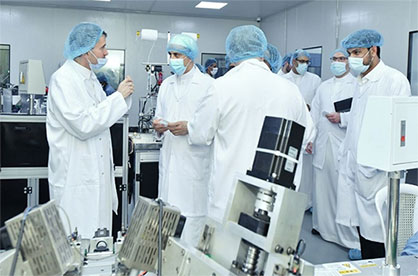
A team from SABIC recently visited Demas and Mais factories where they met with plant executives who valued SABIC’s efforts in producing the raw materials to manufacture the N95 masks entirely from innovative materials made in Saud Arabia. They stressed that this successful engagement reflected the importance of collaboration between the private and public sectors to support national products and localize the hygiene and personal protection equipment industry. 
© 2021 Sabic
© 2021 Sabic


SABIC launched a Hygiene and Healthcare unit in September to further expand its market focus and adopt innovation to respond promptly to customer needs and provide more focused solutions. The aim was to keep pace with the world’s changing requirements by promoting the contribution of petrochemicals to the medical equipment sector. This was especially necessitated after the outbreak of the COVID-19 pandemic, affecting the global supply chains of hygiene products and leading to severe restrictions on medical product exports in many countries.


More News from SABIC

More News on Nonwovens / Technical Textiles

#ITMA Asia + CITME Singapore 2025

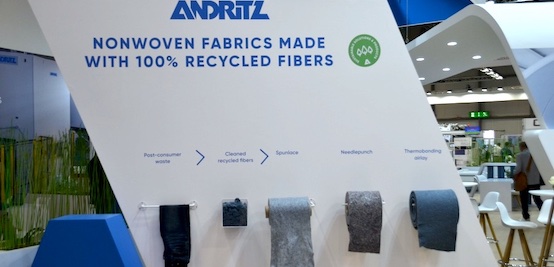
ANDRITZ sets focus on textile recycling and durable nonwoven production technologies at ITMA Asia 2025

International technology Group ANDRITZ will be presenting its innovative nonwovens production and textile solutions at ITMA ASIA + CITME 2025 in Singapore, from October 28 to 31, 2025 (Hall 2, D106). ANDRITZ will showcase its MMCF production plants, textile sorting and recycling, bast fiber processing, needlepunch, airlay, and life-cycle service technologies, with a focus on sustainable solutions. Discover how these innovations can grow your business opportunities and support a greener future.

#ITMA Asia + CITME Singapore 2025

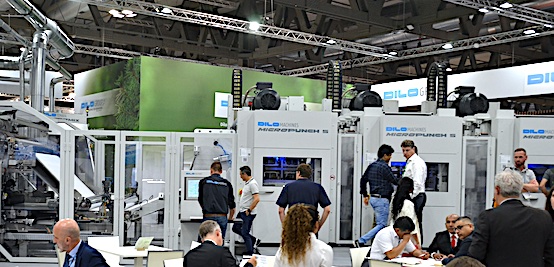
Dilo Group at ITMA ASIA Singapore 2025

At ITMA ASIA Singapore, the Dilo Group will exhibit at Booth No. H2 – D202. Together with Kansan Materials, Izmir, the company will present its latest developments and looks forward to welcoming visitors to exchange ideas and explore innovations in needling technology.

#Nonwovens

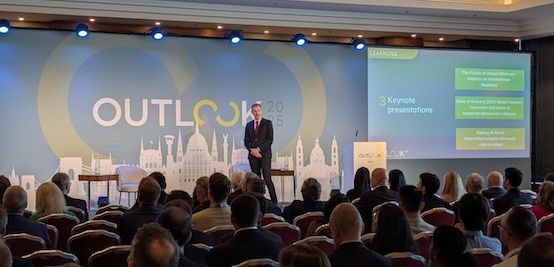
OUTLOOK™ 2025: Charting a sustainable and innovative future for the Nonwovens Industry

EDANA concluded its flagship event, OUTLOOK™ 2025, last week, marking it as a major success and addressing the biggest questions facing the industry. The three-day conference highlighted the urgent need for a unified approach to sustainability, regulation, and innovation in the absorbent hygiene and wipes sectors.

#Nonwovens

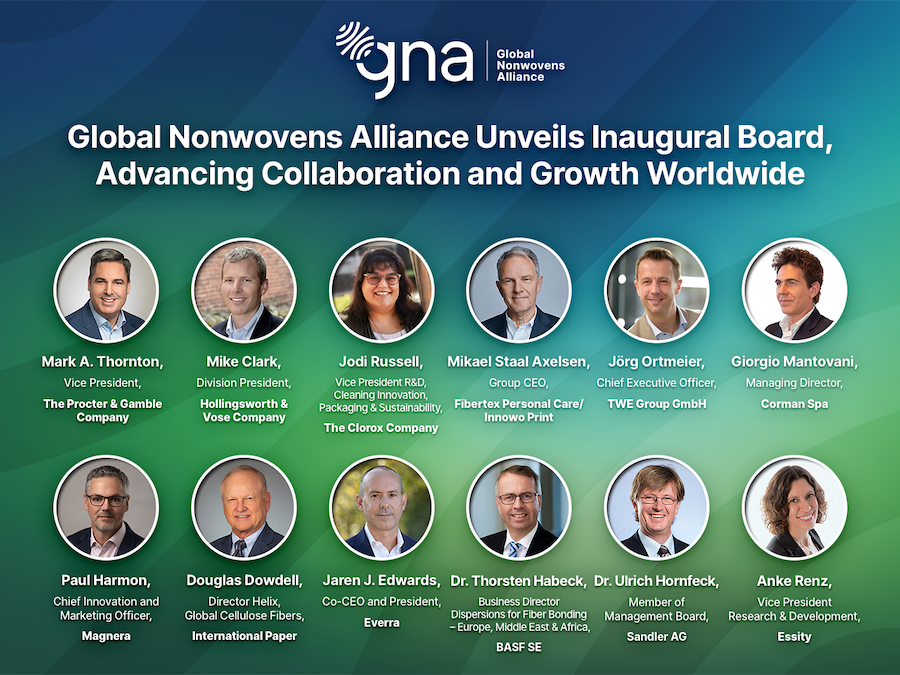
Global Nonwovens Alliance unveils Inaugural Board, advancing collaboration and growth worldwide

The Global Nonwovens Alliance (GNA), a tax-exempt federation jointly founded by INDA, the Association of the Nonwoven Fabrics Industry, and EDANA, the Voice of Nonwovens, announces the appointment of its founding Board of Directors. This group of leaders represents some of the most influential executives across the nonwovens value chain and reflects GNA’s mission to foster global collaboration, innovation, and growth in the industry.

Latest News

#Sustainability

Ying McGuire becomes new CEO of Cascale

Cascale today announced the appointment of Ying McGuire as Chief Executive Officer, effective June 1, 2026.

#Technical Textiles

Sustainable, lightweight, and sound absorbing: Polyester-based front trunk solution for BEVs

As car manufacturers look to further reduce their carbon footprint, Autoneum has developed an innovative front trunk solution for battery electric vehicles (BEVs), made entirely from polyester-based textile. The Ultra-Silent Frunk offers significant weight reduction, improved acoustic and thermal insulation, and uses up to 70 percent recycled material, supporting sustainable and efficient vehicle design. Autoneum, global technology leader in acoustic and thermal management for vehicles, has already received orders for the new frunk from three major OEMs in Asia and Europe to be built in three BEV models. Series production for two BEVs has been underway in China and Germany since last year.

#Raw Materials

Modern testing methods for raw cotton

The 38th International Cotton Conference Bremen will take place from 25 to 27 March 2026 at the Bremen Parliament. This conference has traditionally stood for in-depth expertise and international exchange. The program will focus on technical innovations, market trends, and regulatory frameworks across the entire value chain – from agriculture to the circular economy. With high-profile speakers, the conference is regarded as the key meeting point for the global cotton industry. Today’s focus: Cotton quality and testing methods.

#Spinning

Rieter responds to higher raw material prices

Global political and economic developments have been leading to rising raw material and energy costs for some time. The textile machinery industry is also affected by this trend. Rieter machines and components consist to a large extent of steel, copper, aluminum and electronics. These materials in particular have seen higher demand and higher prices in recent months.

TOP