#Natural Fibers
Plastic-free stretch technologies drive new direction for denim innovation
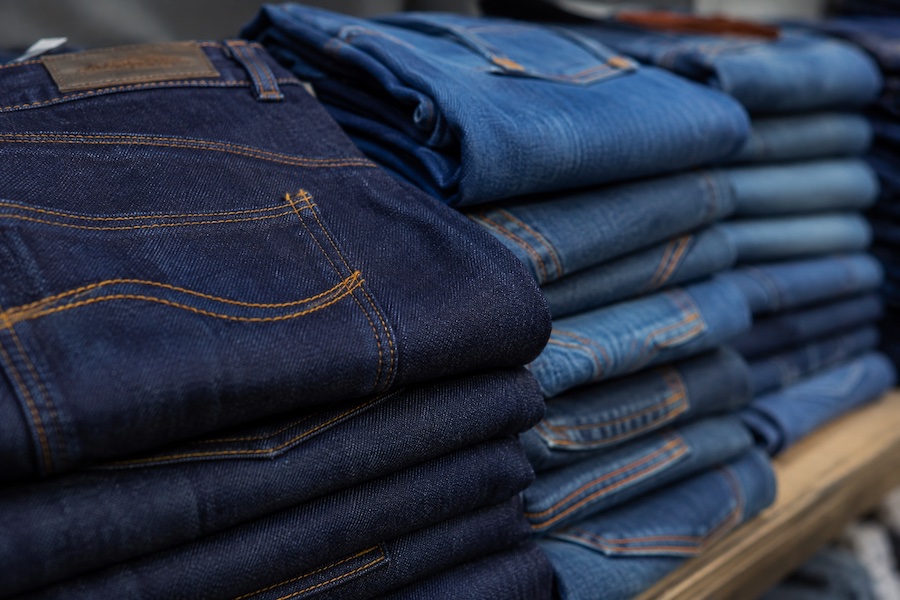
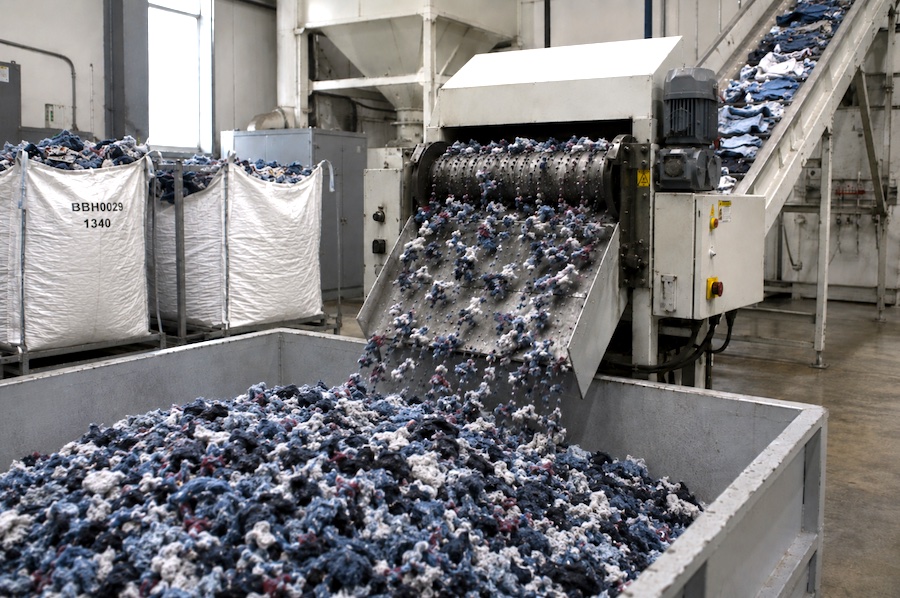
One of the best-known examples comes from Triarchy, which introduced what it describes as the world's first plastic-free stretch denim together with Italian denim manufacturer Candiani in 2022. Instead of petroleum-based elastane, the fabric uses natural rubber to provide elasticity. According to Triarchy, the material has since become the standard stretch solution across its denim collection. The company has also explored end-of-life scenarios, demonstrating the compostability of shredded denim in a pilot project carried out with an Italian farm.
Alongside alternative elastic materials, the cotton industry is also promoting mechanical stretch technologies that eliminate synthetic fibres altogether. Cotton Incorporated's NATURAL STRETCH™ technology creates elasticity through fabric construction rather than fibre composition. By carefully controlling yarn spacing during weaving and shrinkage during finishing, woven cotton fabrics achieve permanent stretch and recovery without the use of elastane or other synthetic fibres. Depending on the fabric construction, the technology offers stretch levels of around 10 to 18 percent while maintaining the characteristics of a 100% cotton fabric.
The development reflects growing interest in more circular denim constructions that simplify fibre composition and improve recyclability. Cotton Incorporated points to consumer research suggesting that demand for natural-fibre garments continues to increase. According to the company's 2026 Lifestyle Monitor™ survey, 70% of U.S. denim consumers are interested in jeans made from natural fibres, while 59% would consider plastic-free denim. The survey also found that 68% regard 100% cotton jeans as the healthiest option and 64% consider them the most sustainable compared with cotton blends containing synthetic fibres.
Major brands are also evaluating alternatives. Wrangler says it is exploring bio-based stretch materials as well as new fabric constructions that reduce or eliminate the need for synthetic stretch fibres, while maintaining the comfort and durability consumers expect.
Although elastane remains the dominant solution for stretch denim, increasing regulatory pressure, circularity targets and growing awareness of microplastic pollution are accelerating the search for alternative approaches. Mechanical stretch technologies and natural-rubber-based constructions illustrate how denim manufacturers are seeking to combine comfort, performance and improved end-of-life characteristics without relying on conventional synthetic elastic fibres.