[pageLogInLogOut]
USTER Think Quality

#Natural Fibers

Woolmark survey: 82% of consumers prefer natural fibres over synthetics

Woolmark's new global “Return to Real” campaign highlights the natural performance properties of Merino wool. The launch is supported by consumer research showing that 82% of respondents across five major markets prefer natural fibres over synthetics when price, style and fit are equal. (Image: © Woolmark)
A new consumer survey commissioned by Woolmark and conducted by Ipsos across five major markets reveals a strong preference for natural fibres over synthetic alternatives. On average, 82% of respondents in the United States, France, Germany, Italy and China said they would choose natural fibres when price, style and fit are equal. The findings coincide with the launch of Woolmark's new global brand platform, “Return to Real”, which highlights the natural performance properties of Merino wool and the growing importance of verified fibre quality.

The research suggests that fibre composition is becoming an increasingly important consideration for consumers. Across the five markets surveyed, Merino wool was preferred to polyester, with an average of 65% of respondents choosing Merino wool.

The findings also indicate a willingness to pay a premium for natural materials. On average, 67% of consumers said they would pay more for clothing made mainly from natural fibres.

At the same time, global Google search interest in “Merino wool” has more than doubled over the past five years, according to Woolmark.

Fibre transparency and certification gain importance

Beyond material preferences, the survey highlights the importance of reliable information about fibre composition and product quality.

An average of 71% of respondents across the five markets considered independent certification or verification of fibre content and quality important.

“Consumers want to know what a garment is made from, what that means in everyday use and whether the claims can be trusted,” said Woolmark Managing Director Bryan Fry. “That puts fibre, and the evidence behind it, back at the centre of the conversation.”

For more than 60 years, Woolmark has supported research, testing, education and certification to provide evidence of wool's quality and performance.

Natural Intelligence: Research into Merino wool performance

Alongside the survey, Woolmark has published its new Natural Intelligence report, examining the functional properties of Merino wool, including thermal comfort, moisture and odour management, durability and next-to-skin comfort.

The report includes findings from a four-year research collaboration with North Carolina State University. According to Woolmark, the research demonstrated how base layers made from 100% Merino wool helped maintain a more stable microclimate next to the skin during activities involving alternating periods of movement and rest.

The findings form part of Woolmark's efforts to position Merino wool as a natural performance fibre whose properties can be supported by scientific evidence.

Return to Real: A global campaign for natural fibres

Building on the research, Woolmark has introduced Return to Real, a new international brand platform highlighting what the organisation describes as Merino wool's “Natural Intelligence”.

The campaign draws on Woolmark's messaging from the 1960s, including the statement “you can't fake the real thing”, and introduces new themes such as “Not all intelligence is artificial” and “The original wearable tech”.

The campaign will be launched internationally through outdoor advertising, digital media and content creators.

“Technology moves quickly, but innovation does not always mean starting from scratch,” said Fry. “Sometimes it means looking again at what nature has already worked out.”

Survey methodology

The Ipsos AWI Natural Fibre Perception Report is based on online interviews conducted on 7–8 September 2026 with 1,500 consumers aged 18–65, comprising 300 respondents each in China, France, Germany, Italy and the United States.

The reported percentages represent averages across the five surveyed markets. The preference for natural fibres was measured under the condition that price, style and fit were equal.

Further information on the research and the campaign is available at Woolmark – Return to Real.



More News from Woolmark International Pty Ltd

#Natural Fibers

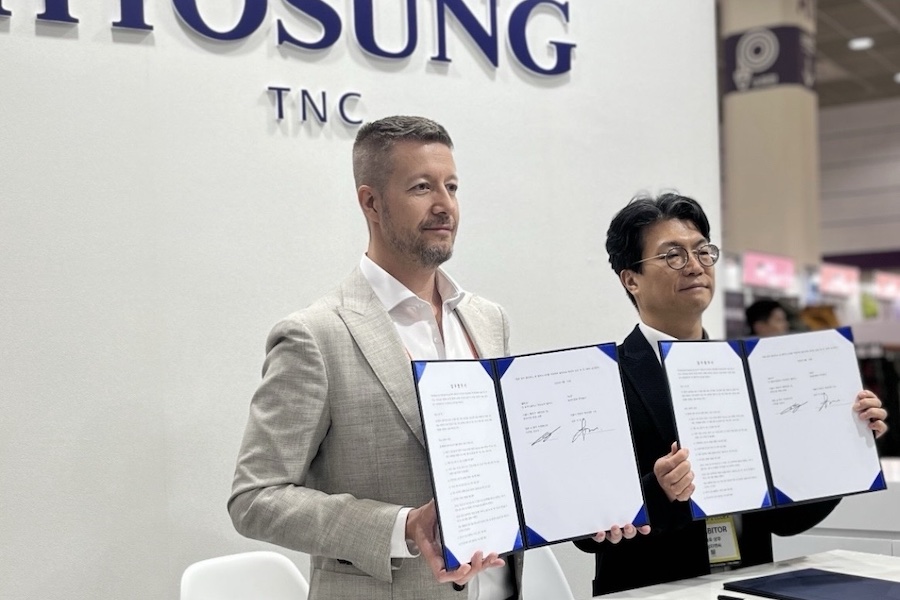
Woolmark and Hyosung TNC develop Merino wool blends for performance apparel

The collaboration combines Merino wool with regen™ BIO Spandex and recycled functional fibres to develop fabrics offering comfort, breathability, stretch and shape retention. Future development will focus on recovery wear applications.

#Natural Fibers

The Woolmark Company showcases Australia's commitment to India's textile industry at Bharat Tex 2026

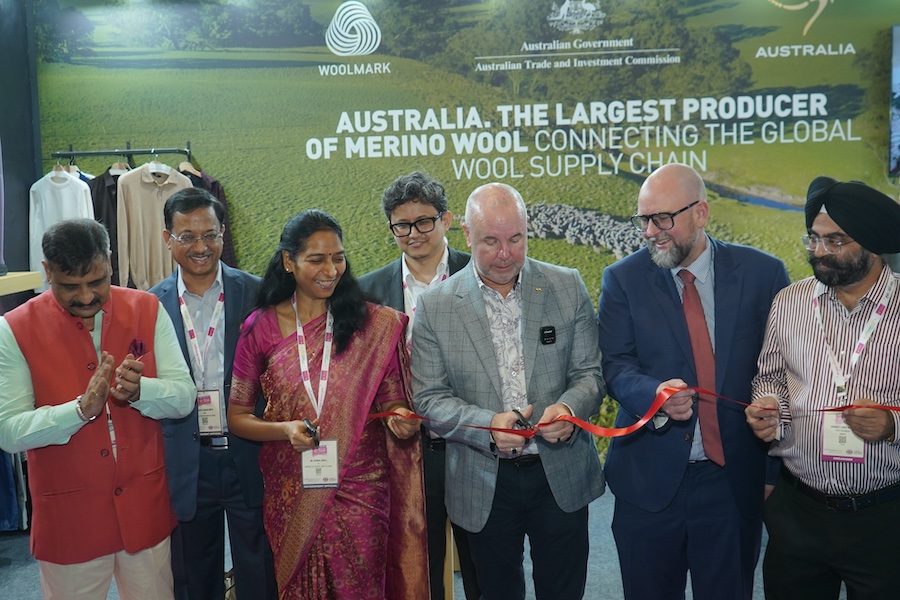
Reinforcing more than five decades of commitment to India's wool textile and apparel industry, The Woolmark Company, alongside Austrade and the Australian High Commission, marked a strong presence at Bharat Tex 2026, one of the world's largest textile and apparel trade platforms. Through industry engagement, strategic collaborations, technical innovation and knowledge exchange, the participation underscored Australia's continued commitment to supporting the growth and transformation of India's textile ecosystem while highlighting the versatility and value of Australian Merino wool.

#Natural Fibers

Woolmark: Merino wool innovation takes centre stage at Pitti Filati with The Wool Lab themes and Journal debut

Woolmark returns to Pitti Filati to lead AW27 sourcing conversations, spotlighting two new The Wool Lab trend-led themes, the debut of The Wool Lab journal for the European and Italian market and a stand centring the role of Merino wool as a high-performance technical fibre.

#Natural Fibers

Merino wool moves into China’s high-performance sportswear market

China’s leading sportswear brands are beginning to treat Merino wool not as a lifestyle material, but as a performance input as natural fibres move from the margins of sportswear into elite technical applications. That shift is increasingly evident in the material strategies of major domestic groups such as ANTA.

More News on Natural Fibers

#Natural Fibers

Better Cotton Initiative partners with FarmRaise to simplify data management for US cotton growers

The Better Cotton Initiative (BCI) has announced a partnership with agricultural technology company FarmRaise to simplify data collection, reporting and program participation for cotton growers in the United States. The digital platform will help farmers manage certification requirements, document agricultural practices and track progress towards regenerative agriculture goals while reducing administrative work. The solution is scheduled to become available in January 2027.

#Nonwovens

Lenzing invests EUR 27 million in US facility to expand specialty fibers for nonwovens

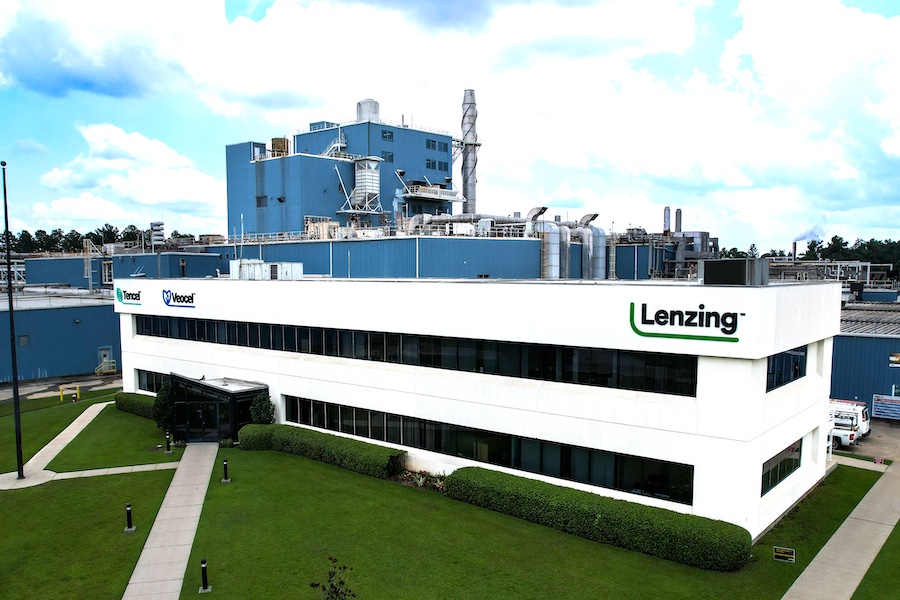
The Lenzing Group is investing EUR 27 million (USD 31 million) to expand specialty fiber production capabilities at its lyocell fiber site in Mobile, Alabama, USA. The investment forms part of the company’s “Grow NW. Reset TX.” strategy and will strengthen its global Nonwovens business, with a particular focus on short-cut fibers and customized wood-based solutions for specialty applications.

#Spinning

Trützschler expands technical service capabilities for spinning mills in Pakistan

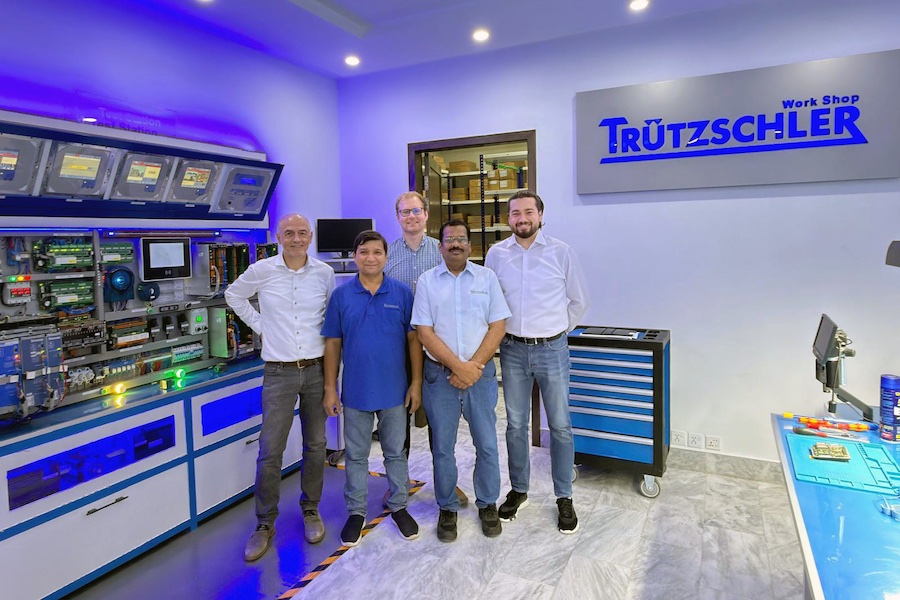
Faster support, shorter downtime and advanced repair capabilities: customers across Pakistan can now benefit from the Trützschler Service Station at its new location in Lahore. By combining Trützschler service expertise with state-of-the-art diagnostic equipment, the new facility helps spinning mills resolve technical issues more quickly and maintain reliable production.

#Raw Materials

Global cotton consumption to exceed production in 2026/27 as Asian demand remains resilient

Global cotton consumption is projected to exceed production in the 2026/27 season as output declines across several major producing countries while demand remains relatively stable, according to the November edition of Cotton This Month, published by the International Cotton Advisory Committee (ICAC).

Latest News

#Retail & Brands

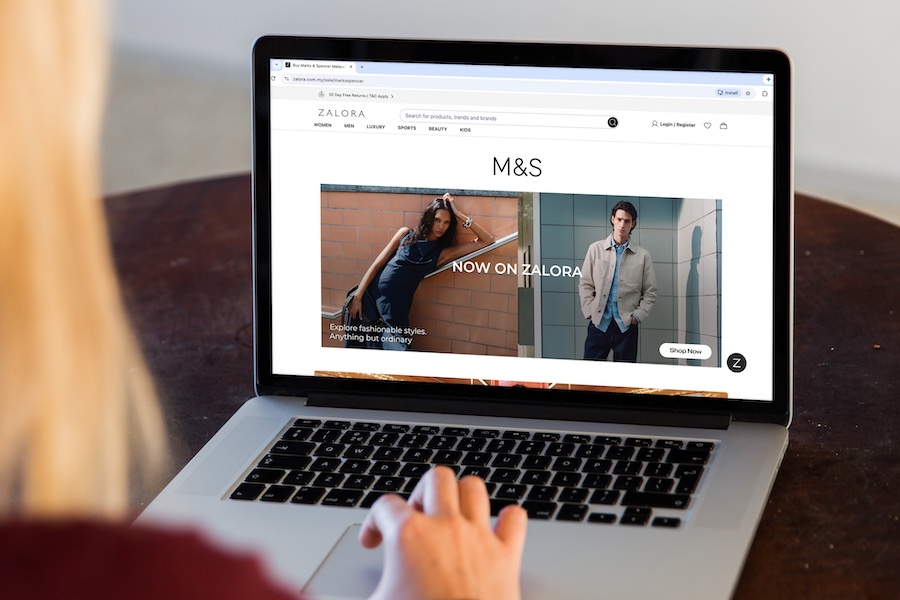
Marks & Spencer expands across Asia Pacific through partnership with Global Fashion Group

Marks & Spencer (M&S) and Global Fashion Group (GFG) have announced a strategic partnership to expand the British retailer's fashion business across Asia Pacific. M&S has launched on Southeast Asian fashion platform ZALORA and plans to enter THE ICONIC in Australia and New Zealand in early 2027. The agreement also introduces regional fulfilment for Australian M&S.com orders, enabling faster deliveries and returns while supporting a capital-light international growth strategy.

#ITMA Asia + CITME 2026

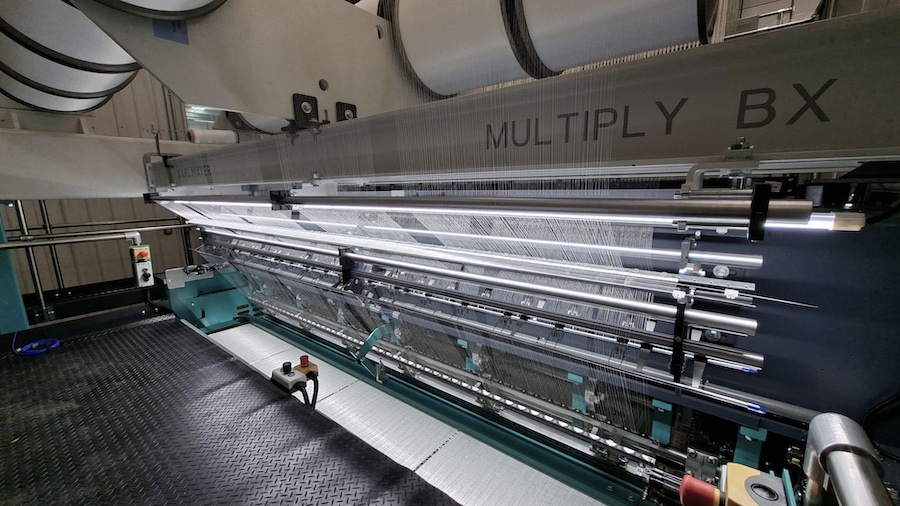
KARL MAYER introduces MULTIPLY BX for high-efficiency wind turbine reinforcement fabrics

KARL MAYER is expanding its composite machinery portfolio with the new MULTIPLY BX, a biaxial warp knitting machine specifically developed for the production of reinforcement textiles used in wind turbine rotor blades. Designed for high output and efficient material utilisation, the machine achieves production speeds of up to 500 m/h and offers a productivity increase of 20 to 25% compared with the established MAX GLASS ECO. The MULTIPLY BX will make its debut at the KARL MAYER (China) Product Show in Changzhou during ITMA ASIA 2026.

#Recycling / Circular Economy

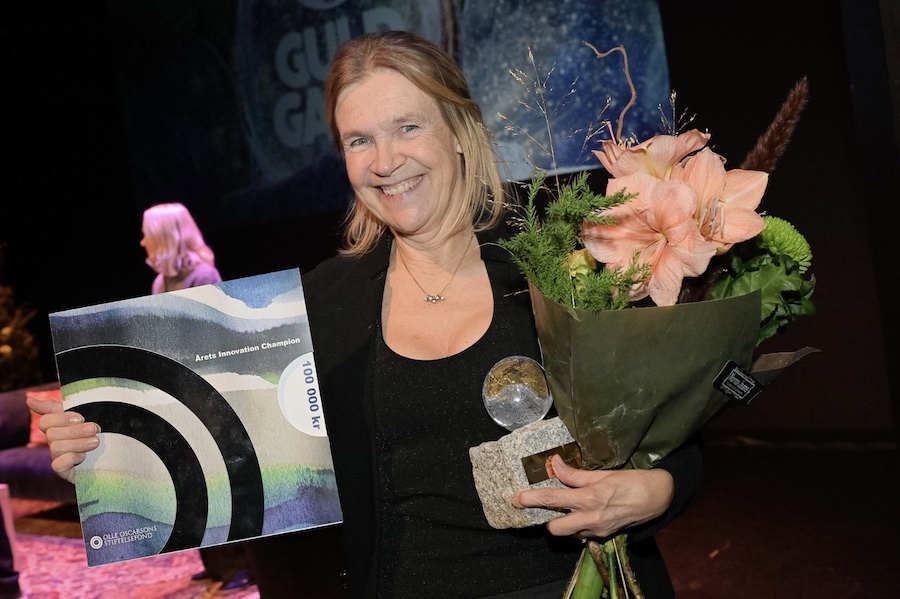
ReSpin founder Åsa Strandberg receives Innovation Champion of the Year 2026 award

Åsa Strandberg, founder and CEO of Swedish textile recycling company ReSpin AB, has been named Innovation Champion of the Year 2026. The award recognises her development of RespinJenny, a patented technology designed to recycle textile waste into new, high-quality fibres without using water, chemicals or additional virgin raw materials. The distinction was presented by the Olle Oscarsson Foundation and Axera Inkubator at Guldgalan in Sweden.

#Sustainability

Inside the Making at Ecomondo 2026: Textile supply chain calls for transparency and measurable sustainability

Transparency, verifiable environmental claims and closer cooperation across the textile value chain were the central themes of the “Inside the Making: The Power of the Process” panel at Ecomondo 2026 in Rimini. Representatives from denim and sportswear manufacturing, textile finishing, digital printing and branding discussed how technological innovation and supply chain collaboration can help companies meet new European regulatory requirements while making sustainability economically viable.

TOP