[pageLogInLogOut]
TRÜTZSCHLER SPINNING - THE NEW CARD

#Industry 4.0 / Digitalization

Smartex.ai names Tony Fadell chairman and previews new fabric inspection system
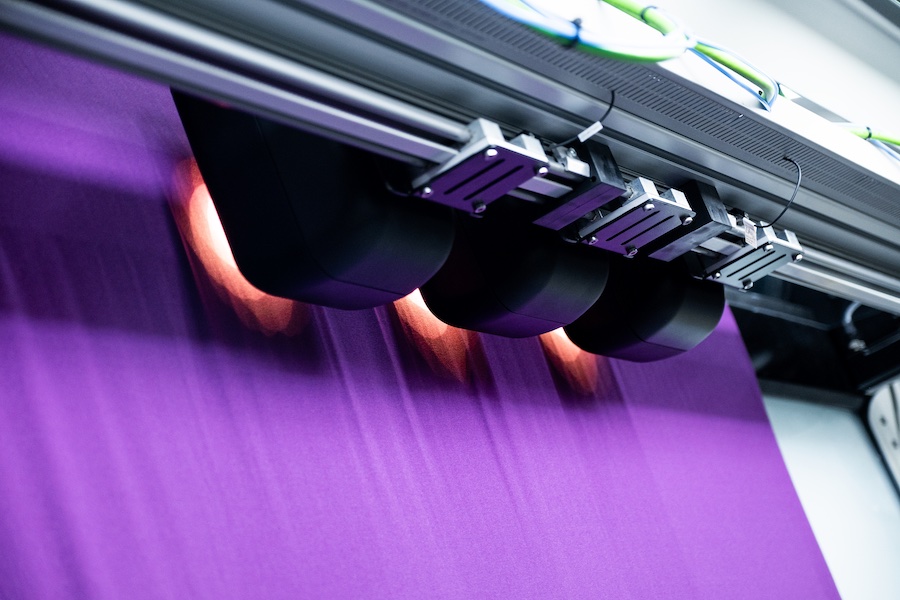
A close-up of Inspect, the fabric inspection hardware co-designed by Tony Fadell. (Photo © 2026 Smartex.ai)
Smartex.ai has appointed Tony Fadell as chairman and will present its new fabric inspection hardware and software at SmartCollab Hong Kong on 27 November. Fadell co-designed Inspect, the hardware at the centre of the system, which Smartex developed with a supplier in H&M Group’s network.

The system combines fabric inspection hardware with software designed to make quality data available before the fabric ships. Smartex is targeting a problem that often becomes apparent only at the cutting table, after the fabric has already reached the garment manufacturer.

Max Easton, CEO of Smartex.ai, said earlier access to inspection data could allow manufacturers to reduce the extra fabric they order as a precaution.

“Most factories order 5% extra fabric because they can’t be sure what’s coming,” said Easton. “For a supply chain buying $2 billion of fabric a year, that’s $100 million spent just in case. That isn’t a quality problem. It’s an information problem. When every meter of fabric is known before it ships, the buffer can come down to around 1%. This is just the tip of the iceberg.”

Max Easton, CEO of Smartex.ai (Photo © 2026 Smartex.ai)


H&M Group supplier helped develop the system

H&M Group has held a minority stake in Smartex.ai through H&M Group Ventures since 2022. The group introduced Smartex to strategic suppliers in its network, one of which helped develop the new system.

Nanna Andersen, managing director at New Growth & Ventures, H&M Group, highlighted the potential to identify defects earlier and prevent waste.

“We invested in Smartex.ai because they are solving a challenge for our industry, and we truly believe in the team. Their technology shows what becomes possible when greater intelligence and visibility are built directly into the supply chain: quality issues can be identified earlier, resources can be used more efficiently, and waste can be prevented before it happens. Smartex.ai is a strong example of how technology and AI can create both commercial value and more sustainable ways of operating. We’re excited to continue supporting the team as they develop and scale their solution across the industry,” said Andersen.

Fadell, who led teams behind the iPod and iPhone and founded Nest, pointed to the continued reliance on paper in factory operations.

“Chaos and waste is what I see when looking at the $4 trillion fashion manufacturing industry – it’s everywhere,” said Fadell. “‘Modern’ factories run on paper, not modern supply chain data, production and quality systems. Smartex is the start of a new era in fashion.”

Smartex.ai chairman Tony Fadell (Photo © 2026 Smartex.ai)


Private previews in Hong Kong run from 19 November to 2 December, with the industry debut scheduled for 27 November at SmartCollab Hong Kong.


More News from Smartex.ai

More News on Industry 4.0 / Digitalization

#Industry 4.0 / Digitalization

Coats Digital wins SaaS award for AI in apparel manufacturing

Coats Digital has been named Best Company in AI-Powered Fashion Technology at the 2026 Best in SaaS Awards. The company’s AI applications cover garment costing, the analysis of operational data and the use of computer vision to study how tasks are performed on the factory floor.

#Industry 4.0 / Digitalization

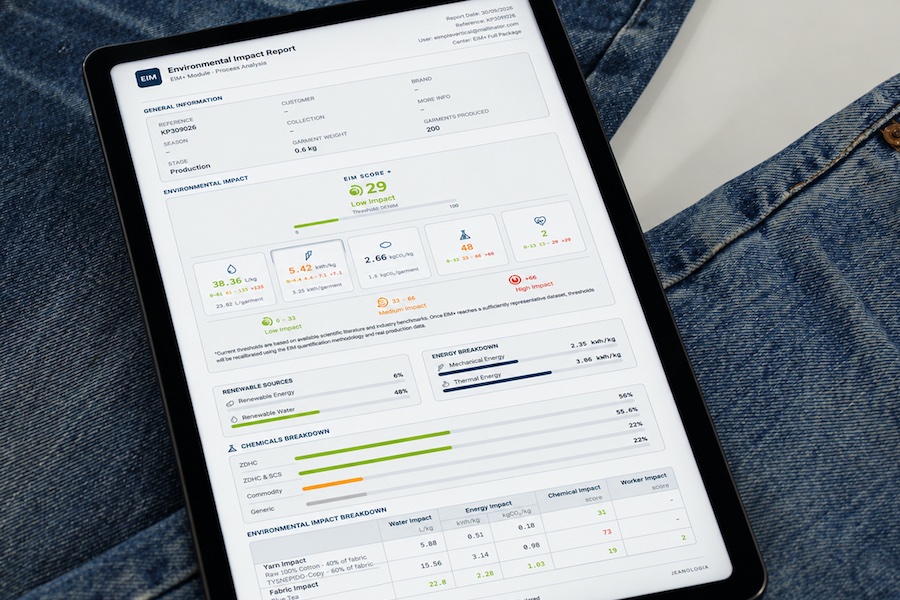
Jeanologia and BCome connect factory data with Life Cycle Assessment and Digital Product Passports

A new white paper by EIM by Jeanologia and BCome demonstrates how primary environmental data from denim finishing processes can be integrated into a garment's Life Cycle Assessment (LCA) and prepared for use in a Digital Product Passport (DPP). A comparative case study highlights significant improvements at the production stage while also showing how these translate into the environmental performance of the finished garment.

#Industry 4.0 / Digitalization

White House reduces production planning time by up to 80% with Coats Digital’s FastReactPlan

Indian garment manufacturer White House has reduced its production planning cycle by 60–80% following the implementation of Coats Digital’s FastReactPlan software. The integrated planning solution provides greater visibility across production, capacity and material requirements while supporting faster decision-making and improved delivery performance.

#Industry 4.0 / Digitalization

Jeanologia presents expanded EIM platform and COMMON GROUND collection at Kingpins Amsterdam

Jeanologia is presenting two approaches to textile product development at Kingpins Amsterdam on October 14–15: measuring the environmental impact of textile production and exploring new creative possibilities through garment finishing technologies.

Latest News

#Digital Printing

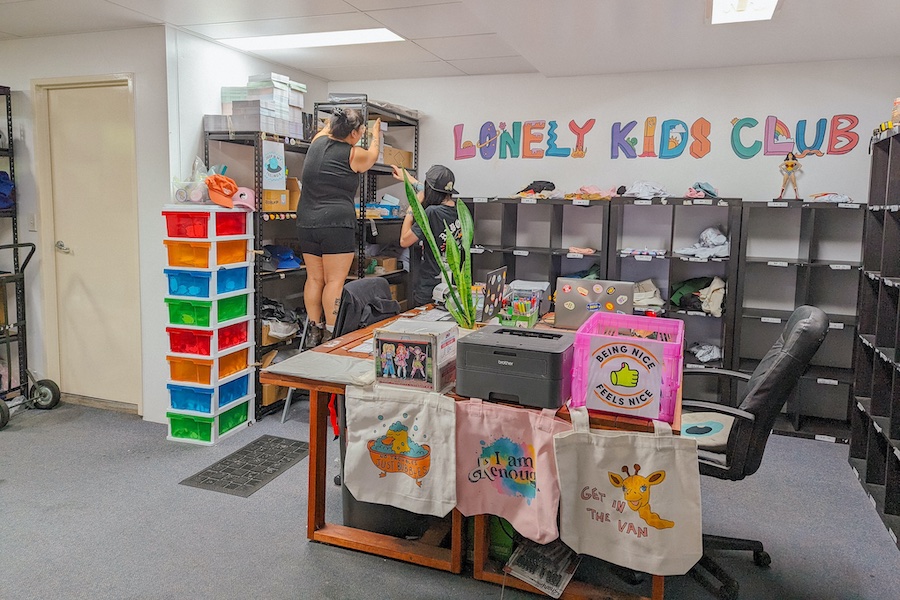
From a bedroom startup to 3,000 designs: How Lonely Kids Club built its business with DTG printing

Founded in Sydney in 2011, independent clothing label Lonely Kids Club has grown from a bedroom startup into a business offering around 3,000 graphic T-shirt designs. With its own production studio, direct-to-garment printing and a demand-driven manufacturing model, the company demonstrates how smaller apparel brands can combine creative independence with flexible production – while navigating the everyday challenges of quality control, workflow efficiency and sustainability.

#Recycled Fibers

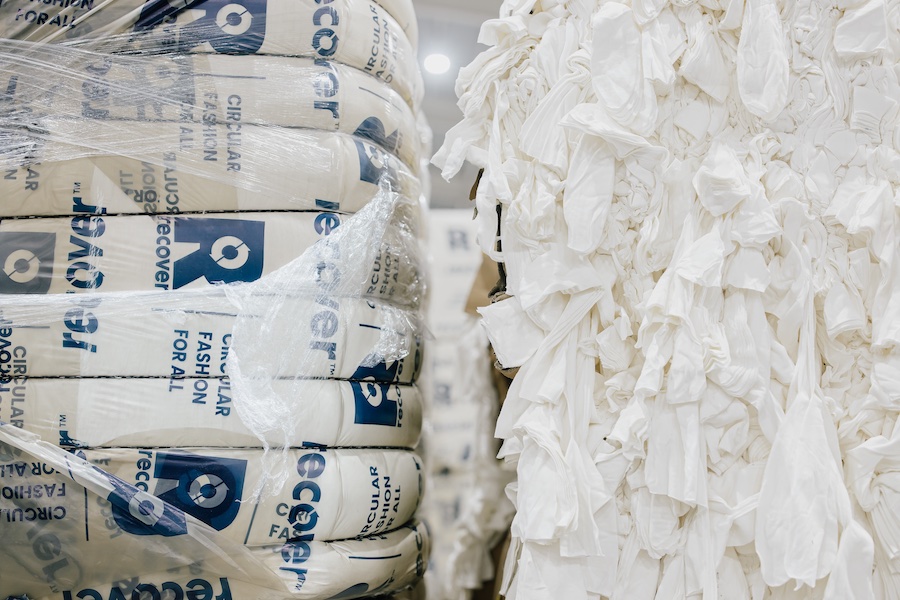
Recover and SUPIMA partner to develop recycled Pima cotton fibers and yarns

Recover and SUPIMA have partnered to turn waste from SUPIMA cotton production into a new line of recycled fibers and yarns. The collaboration will explore how recycled American-grown Pima cotton can be used in a wider range of yarns and garments for the premium market.

#India ITME 2026

India’s textile industry: Current position, growth targets and industrial development

With ambitious export targets, major investments in manufacturing infrastructure and new international trade agreements, India is pursuing a comprehensive development strategy for its textile and apparel industry. An overview of the industry’s current position, government initiatives, progress achieved and challenges ahead.

#Weaving

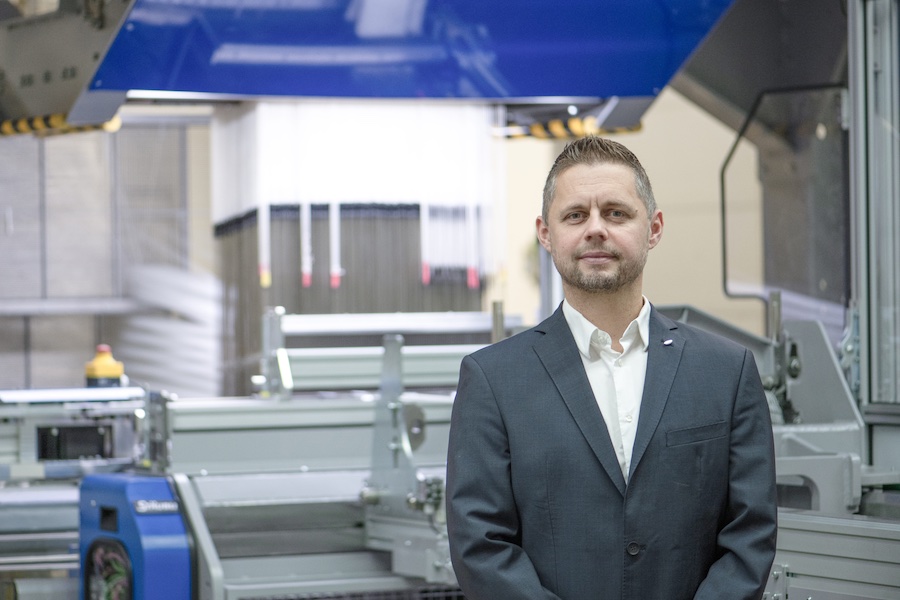
“A complex design is only useful if the machine can reproduce it consistently”

Andreas Schnabel, Head of R&D for Technical Weaving Systems at Stäubli, discusses how 3D weaving can create textile reinforcements tailored to the loads within a composite component, where near-net-shape weaving can reduce processing steps and material waste, and what it takes to produce complex structures reliably and economically. He also explains how manufacturers can adapt Stäubli’s modular TF weaving platforms to new applications and how the company’s centre of excellence in Bayreuth supports the transition from research to industrial production.

TRÜTZSCHLER SPINNING - FROM WASTE TO VALUE
TOP