[pageLogInLogOut]

#Man-Made Fibers

Teijin Carbon Europe receives EcoVadis Silver status – ranked among the top 15% of evaluated companies

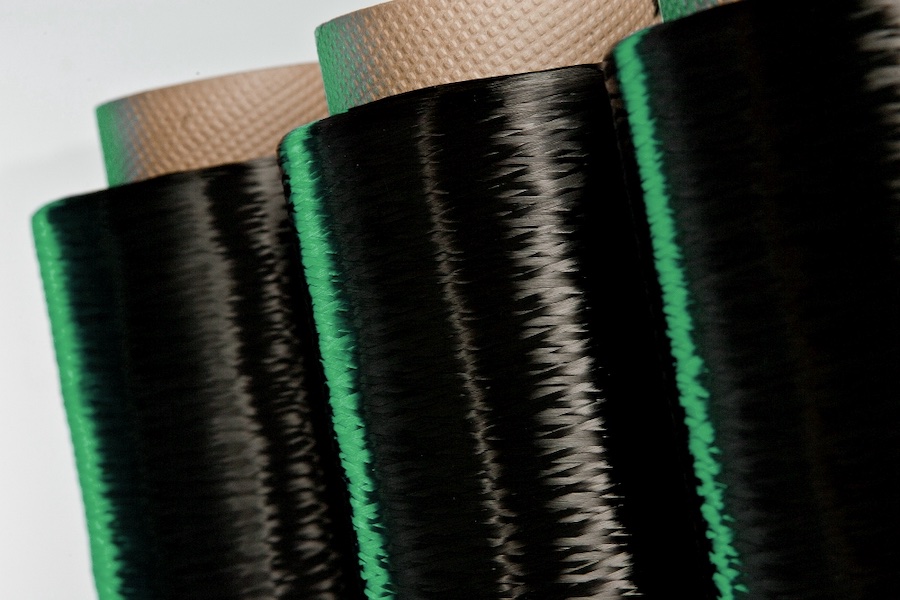
Teijin Carbon Europe (TCE) has been recognized for its sustainability performance and has been awarded the EcoVadis Silver Medal in the latest assessment. In its first-ever EcoVadis evaluation, the company achieved a notable 72 out of 100 points, ranking among the top 15% of all companies evaluated worldwide, within the “Manufacture of Man-Made Fibres” category.


EcoVadis – the globally recognized platform for sustainability ratings in global supply chains – assesses companies across four key categories: Environment, Labor & Human Rights, Ethics, and Sustainable Procurement. TCE achieved particularly strong results in the areas of Environment and Labor & Human Rights.

“This recognition confirms our ongoing commitment to responsible production, transparent processes, and the continuous improvement of our sustainability strategy,” says Jörg Friedrich CTO of Teijin Carbon Europe. “The EcoVadis Silver Medal achievement is an important milestone for us because it shows that we are improving across all categories and fulfilling the requirements of our customers and the wider industry.”

The results highlight progress in policies, certifications, and measures to reduce environmental impacts throughout the value chain.

As a trusted partner to global industries – including aerospace, automotive, civil engineering, industry, marine, defense and energy – TCE sees the EcoVadis rating as independent validation of its responsible business approach.

“Sustainability is not a one-off initiative but a long-term commitment,” Dr. Markus Schneider, Sustainability Manager of Teijin Carbon Europe, adds. “Together with our project team, we will analyze EcoVadis’ recommendations and continue to drive improvements across all focus areas.”
© 2025 Teijin Carbon


More News from Teijin Carbon

#Composites

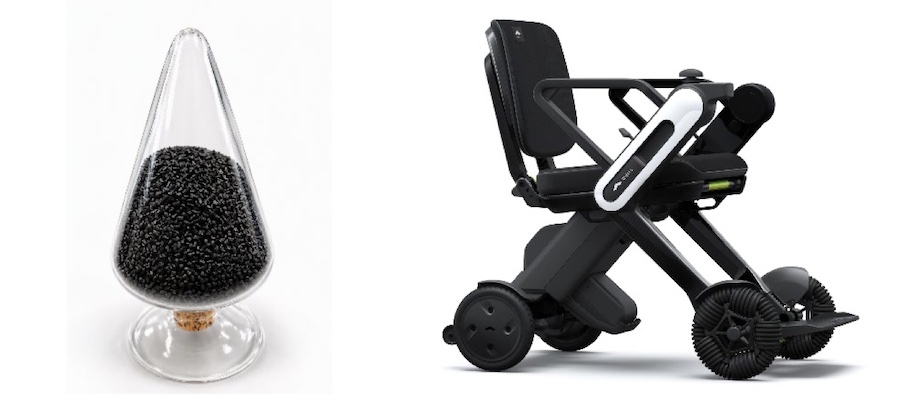
WHILL selects Teijin’s tough, lightweight Carbon Fiber Composite for new last-mile mobility

Teijin Limited announced today that WHILL Inc., a global leader in inclusive mobility technology, has selected Sereebo® P CFP series, a carbon fiber-reinforced thermoplastic (CFRTP) material, for key structural components of the upcoming WHILL Model C Lite. Sereebo® P CFP series provides high strength, light weight, design flexibility and system cost advantages to the Model C Lite, which is a battery powered, single-seat, last-mile device. This new model combines maneuverability with light weight and one-handed folding to ensure ease of handling and operation.

#Composites

Teijin Carbon advances sustainability leadership with EcoVadis, CDP reporting and expanding Tenax Next™ sustainable carbon fiber portfolio

As the composites industry intensifies its focus on measurable environmental, social and governance (ESG) progress, Teijin Carbon announces significant milestones that advance its position among the sector’s most sustainability-driven material suppliers. Teijin Carbon Europe achieved an EcoVadis score of 72/100 in the 2025 assessment, ranking among the top 15% of evaluated companies in its industry.

#Man-Made Fibers

Teijin Carbon and A&P Technology launch high-performance BIMAX TPUD braided fabric for scalable composite manufacturing

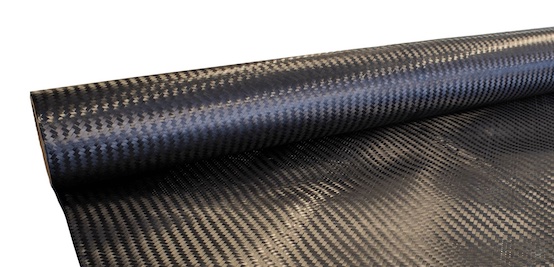
Teijin Carbon, in collaboration with A&P Technology, today announced a joint innovation in advanced composite materials. IMS65 PAEK Bimax® biaxial fabric is a rate enabling solution using Teijin Carbon’s Tenax™ TPUD IMS65 PAEK product, a thermoplastic unidirectional (UD) tape. It is designed to meet growing demand for scalable, high-speed production of composites in aerospace, space, defense and other evolving markets.

#Yarn & Fiber

Leadership Change at Teijin Carbon Europe

Teijin Carbon Europe GmbH has announced a change in its executive leadership. After seven years at the helm, Dr. Bernd Wohlmann is stepping down from his role as CEO.

More News on Man-Made Fibers

#Research & Development

Empa develops liquid-core fibre for insecticide-treated mosquito nets

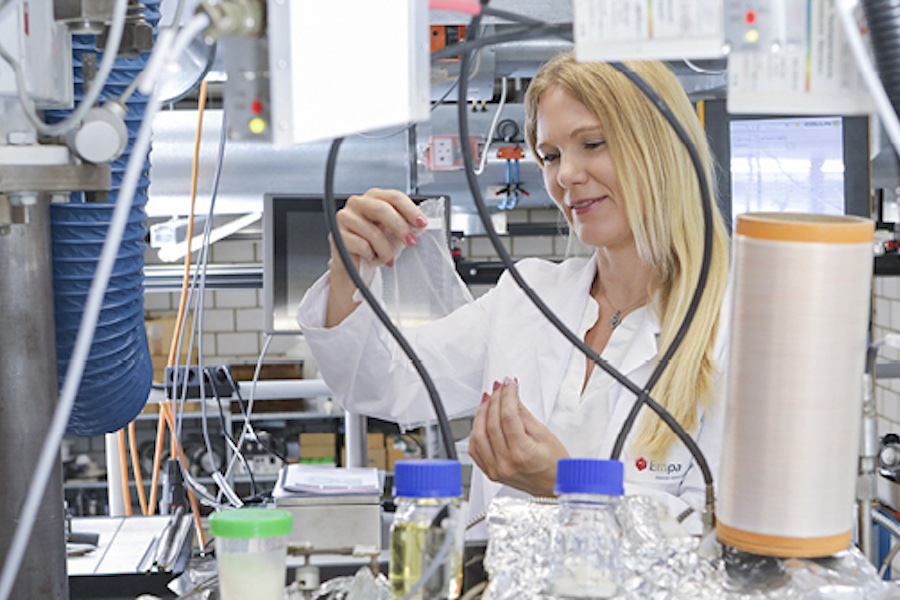
Empa researchers have developed a liquid-core fibre for mosquito nets that can incorporate insecticides unsuitable for conventional melt spinning. The fibre gradually releases the active ingredient through a polymer sheath. The team developed and tested the yarn over three years in the Innosuisse project MalCoFil with Swiss industry partners Vestergaard and Monosuisse.

#Nonwovens

Lenzing invests EUR 27 million in US facility to expand specialty fibers for nonwovens

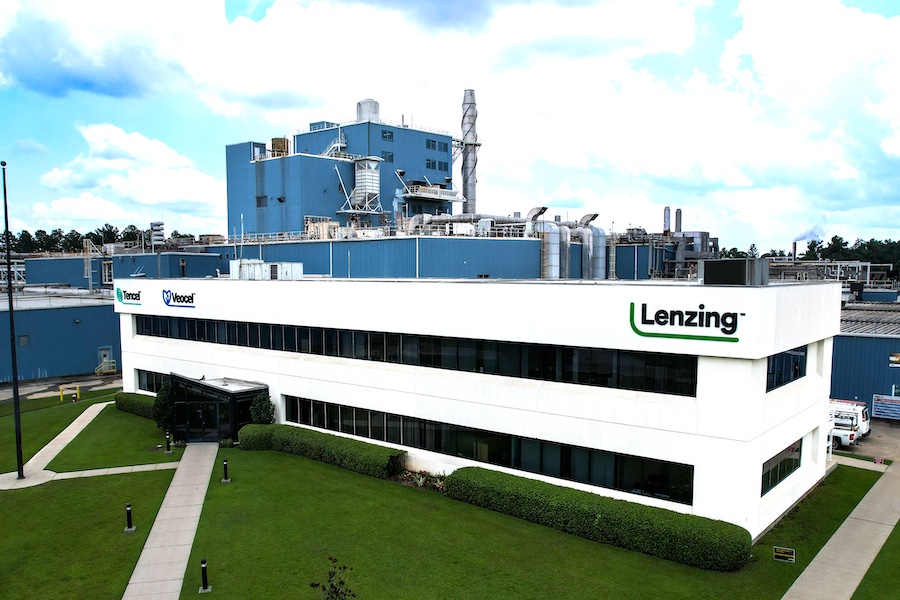
The Lenzing Group is investing EUR 27 million (USD 31 million) to expand specialty fiber production capabilities at its lyocell fiber site in Mobile, Alabama, USA. The investment forms part of the company’s “Grow NW. Reset TX.” strategy and will strengthen its global Nonwovens business, with a particular focus on short-cut fibers and customized wood-based solutions for specialty applications.

#Man-Made Fibers

Lenzing improves profitability as strategic transformation gains momentum

The Lenzing Group reported improved operating profitability in the first nine months of 2026 despite declining revenue and a challenging market environment. Revenue decreased by 2.3 percent to EUR 1.93 billion, while adjusted EBITDA remained stable at EUR 353 million. The adjusted EBITDA margin increased from 17.9 percent to 18.3 percent, reflecting progress in the company's strategic transformation under its “Grow Nonwovens. Reset Textiles.” strategy.

#Man-Made Fibers

Spinnova and Outlast to develop new textile materials for thermal insulation and temperature regulation

Spinnova Plc, a Finnish materials technology company developing textile fibres from wood pulp and other cellulose-based raw materials, has signed a non-binding Letter of Intent (LOI) with Germany-based Outlast Technologies GmbH, a specialist in temperature regulation and insulation technologies. The collaboration aims to explore the development of high-performance textile materials combining SPINNOVA® fibre with Outlast's functional technologies.

Latest News

#Textile processing

Jeanologia combines digitalisation, laser and ozone technology to strengthen China’s textile competitiveness

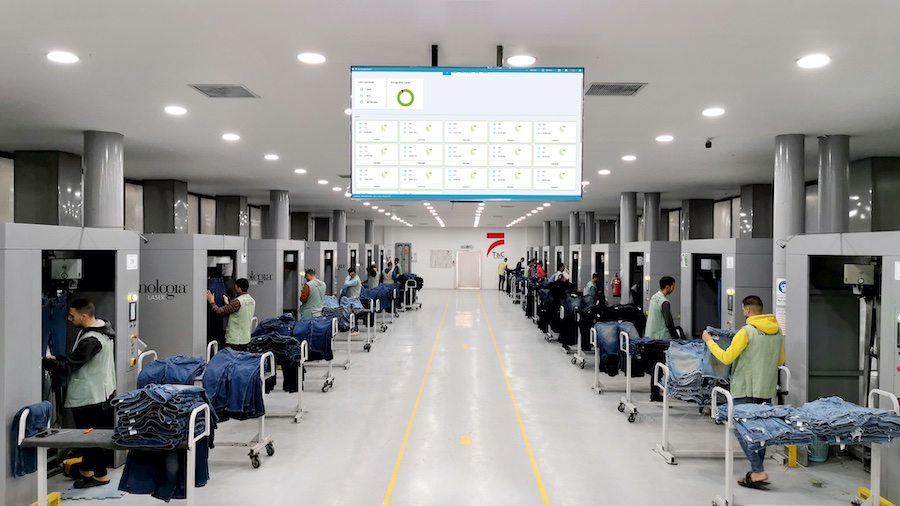
At ITMA Asia + CITME 2026 in Shanghai, Jeanologia showcased how the combination of digitalisation, laser technology and G2 Ozone can help China’s textile industry improve productivity, speed, quality and efficiency. With its Compact Super Flash laser system and integrated production concepts, the Spanish technology specialist demonstrated how connecting product development and industrial production can enable faster, more automated and sustainable manufacturing processes.

#Textile chemistry

Flame protection and OEKO-TEX® certification: Gulec Chemicals clears an important hurdle

Three halogen-free flame retardants from German specialist Gulec Chemicals have been included in the OEKO-TEX® list of accepted Active Chemical Products (ACP). The listing opens up additional opportunities for textile finishers, coaters and manufacturers of technical textiles seeking to combine demanding fire protection requirements with certification according to OEKO-TEX® STANDARD 100.

#Dyeing, Drying, Finishing

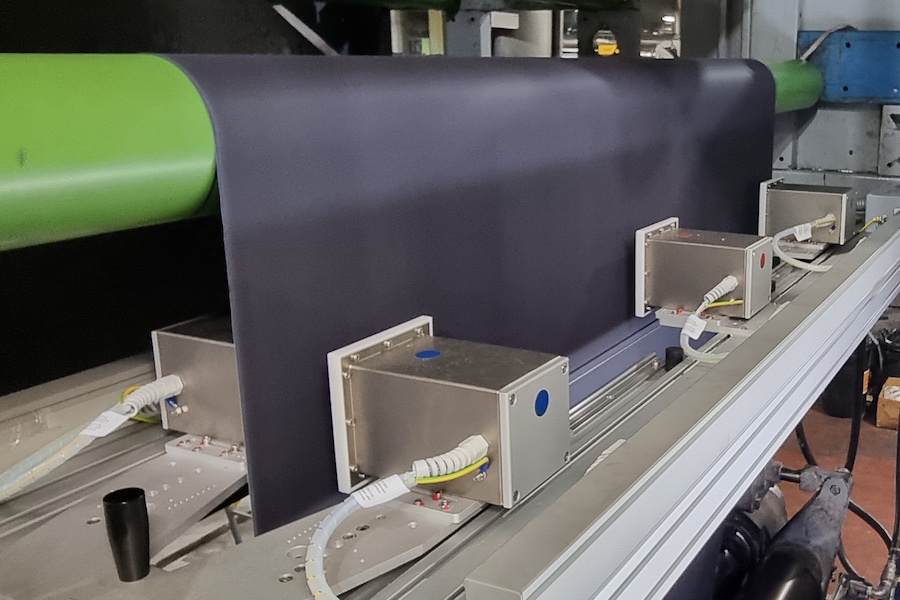
PLEVA improves dyeing consistency with inline microwave measurement of liquor pick-up

Consistent shades are essential in continuous textile dyeing. Yet variations in fabric absorbency or uneven padder pressure can go unnoticed until the end of the line. By then, hundreds of metres of fabric may already be affected and may become second-choice or rejected.

#Recycling / Circular Economy

DITF establishes CYCLOTEXUM recycling center to advance mechanical and solvent-based textile recycling

As part of the CYCLOTEXUM research project, the German Institutes of Textile and Fiber Research Denkendorf (DITF) established the CYCLOTEXUM recycling center. There, in collaboration with industry partners, the center develops application-oriented solutions for mechanical and solvent-based recycling processes. The technologies developed make a significant contribution along the textile value chain toward the efficient use of textile resources in the future and the transition of production in the German textile sector to a circular economy. The project was funded by the Ministry for the Environment, Climate and Energy Sector of the State of Baden-Württemberg.

TOP