[pageLogInLogOut]

#Textile processing

Jeanologia combines digitalisation, laser and ozone technology to strengthen China’s textile competitiveness
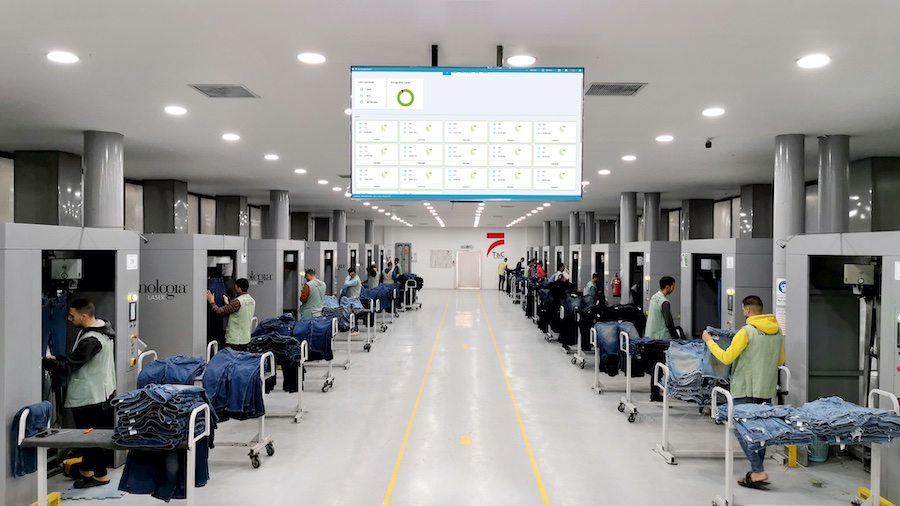
Jeanologia combines technology, product development and process expertise to support more efficient and sustainable denim finishing. (Photo: © 2026 Jeanologia)
At ITMA Asia + CITME 2026 in Shanghai, Jeanologia showcased how the combination of digitalisation, laser technology and G2 Ozone can help China’s textile industry improve productivity, speed, quality and efficiency. With its Compact Super Flash laser system and integrated production concepts, the Spanish technology specialist demonstrated how connecting product development and industrial production can enable faster, more automated and sustainable manufacturing processes.

For more than 30 years, Jeanologia has worked alongside brands and manufacturers, understanding how products evolve, what the market demands and the real challenges of production. This knowledge has been translated into technologies and new production models capable of turning these needs into more automated, efficient and sustainable industrial processes.

At ITMA Asia, this vision was brought to life through live demonstrations with Compact Super Flash, the connection between digital development and production, and the combination of laser technology with G2 Ozone to complete the garment finishing process.

Jean-Pierre Inchauspe, Jeanologia’s Business Director for Asia, highlights the importance of combining product knowledge with industrial expertise: “After more than 30 years working with the industry, we know that competitiveness does not depend simply on having a good machine. You need to understand the product the brand wants and know how to bring it into production with the quality, speed, efficiency and cost the manufacturer needs. Our expertise lies precisely in connecting these two worlds: product and industrial process.”

Connecting digital product development with industrial production

At ITMA Asia, Jeanologia demonstrated how a digitally developed design can be transferred directly onto the garment with speed, precision and consistency using its Compact Super Flash laser system.

Digitalisation makes it possible to develop and validate the product before it enters production, reduce iterations and prepare designs ready for industrial execution. Compact Super Flash then transfers that design onto the garment, combining power, speed, productivity and marking quality.

This connection allows product development and production to become part of the same workflow, reducing time, operations and variability while enabling more agile and reproducible production.

For a market such as China, where major industrial capabilities coexist with a growing need for differentiation, speed and quality, this integration gives manufacturers greater flexibility to respond both to the demands of international brands and to those of the domestic market.

Combining laser and ozone for more efficient garment finishing

Complementing Jeanologia’s laser technology is G2 Ozone, which uses ambient air to generate ozone and act on the indigo. Combined with laser technology, G2 Ozone completes the garment finishing process by addressing key aspects such as cleaning, shade adjustment and the natural ageing of denim, with greater control and reproducibility.

Laser and G2 Ozone therefore work as complementary technologies to achieve authentic and natural finishes while reducing operations, water and chemical consumption and the use of pumice stones.

The result is a shorter and more controlled process, capable of increasing productivity and efficiency while reducing costs and resource consumption without compromising the quality or final appearance of the garment.

For Jeanologia, this combination illustrates how sustainability and industrial competitiveness can go hand in hand.
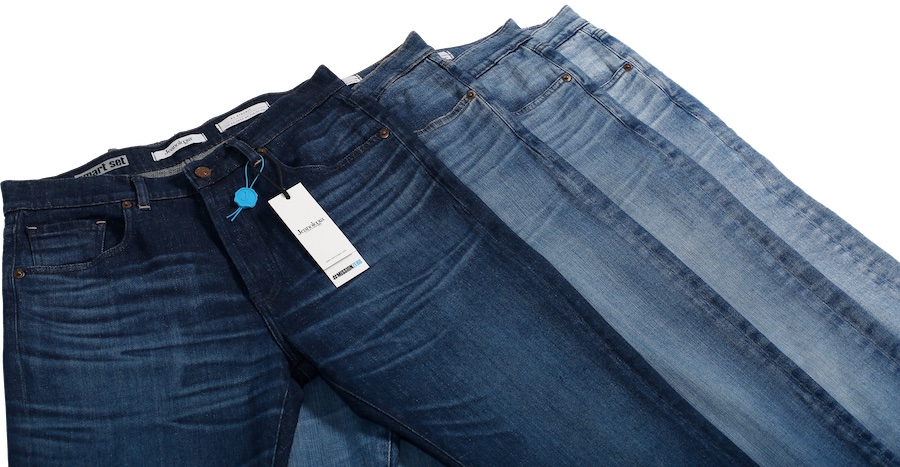
Combining digitalisation, laser and G2 Ozone technology enables a wide range of authentic denim finishes while reducing resource consumption and production steps. (Photo: © 2026 Jeanologia)


China’s evolving textile market creates new opportunities

China remains one of the world’s leading textile production hubs, but its evolution goes beyond its traditional role as an exporter. The growth of its domestic market means manufacturers increasingly need to respond simultaneously to the requirements of major international brands and to an increasingly important Chinese consumer market.

This context reinforces the need for processes capable of delivering speed, flexibility, quality, differentiation and efficiency, both for global production and for China’s own domestic market.

Jeanologia has been working alongside China’s textile industry for more than 18 years. According to the company, it now serves more than 200 customers, has installed 400 machines in the country and its technologies are used in more than 20% of China’s jeans production.

Its presence goes far beyond installing machinery. The company has a local technical team, process specialists and an innovation hub with laser designers and product reengineering experts who work directly with manufacturers.

This structure enables Jeanologia to provide technical assistance, training, process application and optimisation, as well as support in product development, bringing to the Chinese market the know-how accumulated over more than three decades working with some of the world’s leading brands and manufacturers.

Inchauspe emphasises the importance of local expertise and customer support: “Technology reaches its full potential when we know how to apply it to the specific product and production process of each factory. Our value also lies in supporting our customers so they can achieve productivity, quality and efficiency through technology.”

With its participation at ITMA Asia + CITME 2026, Jeanologia underlined its commitment to the transformation of China’s textile industry, combining global experience, product knowledge, technology and local implementation capabilities to advance towards more competitive, automated, efficient and sustainable production models.


More News from JEANOLOGIA S.L.

#Textile processing

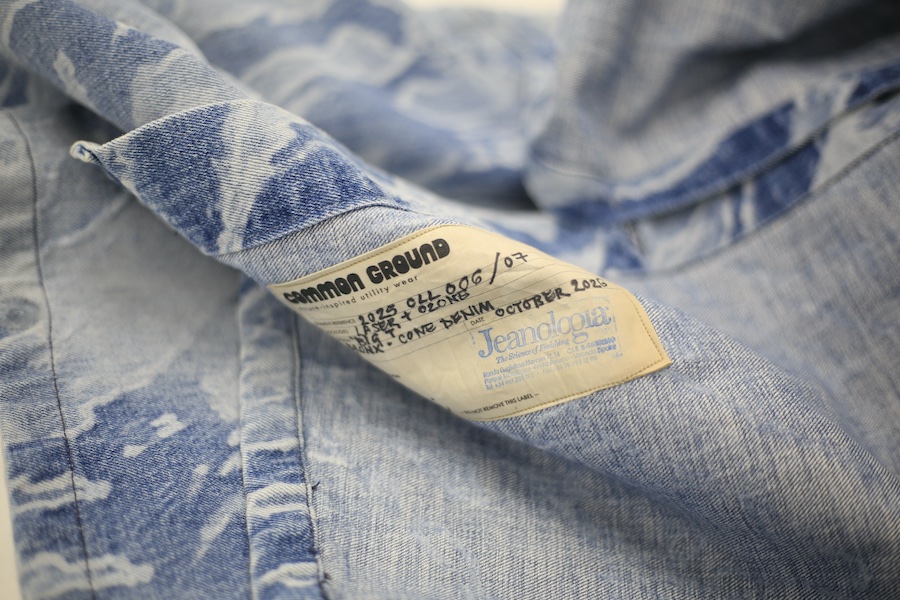
Jeanologia and Sue Barrett explore new interpretations of camouflage in COMMON GROUND

Jeanologia has collaborated with Sue Barrett, founder of Denim Forum, to create COMMON GROUND, a new denim collection that reinterprets camouflage through nature-inspired patterns, vintage garments and modern finishing technologies. Developed as part of Jeanologia’s Denim Métiers initiative, the project combines archival references and creative experimentation with laser and ozone technologies to explore new possibilities in contemporary denim design.

#Industry 4.0 / Digitalization

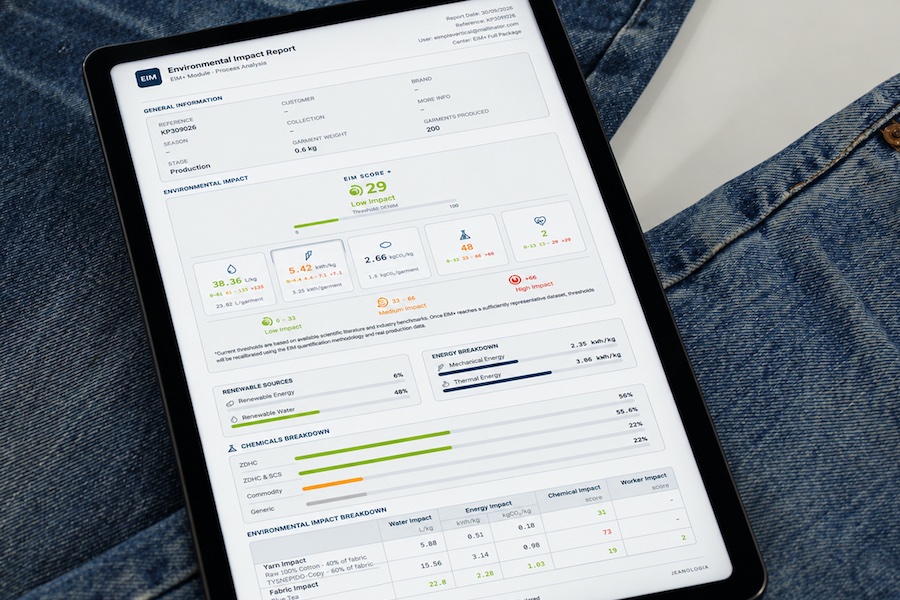
Jeanologia and BCome connect factory data with Life Cycle Assessment and Digital Product Passports

A new white paper by EIM by Jeanologia and BCome demonstrates how primary environmental data from denim finishing processes can be integrated into a garment's Life Cycle Assessment (LCA) and prepared for use in a Digital Product Passport (DPP). A comparative case study highlights significant improvements at the production stage while also showing how these translate into the environmental performance of the finished garment.

#Industry 4.0 / Digitalization

Jeanologia presents expanded EIM platform and COMMON GROUND collection at Kingpins Amsterdam

Jeanologia is presenting two approaches to textile product development at Kingpins Amsterdam on October 14–15: measuring the environmental impact of textile production and exploring new creative possibilities through garment finishing technologies.

#Industry 4.0 / Digitalization

EIM evolves into a new Environmental Intelligence to measure the impact of textile production

¿Do we really know the environmental impact behind a garment? Answering this question remains one of the textile industry’s major challenges. Garment production involves multiple stages, from yarn and fabric to final finishing, carried out by different players across the supply chain. Accesing reliable data from each process, connecting it and establishing a common language are essential to understanding a product’s true impact.

More News on Textile processing

#Textile processing

YKK to demonstrate self-propelled zipper at CES 2027

YKK will demonstrate Zippilot™, a self-propelled zipper with a motorized slider that opens and closes the fastener, at CES 2027 in Las Vegas. The live demonstration will headline YKK’s exhibit, “The Future of Connection,” at the Venetian Expo, Halls A–D, Booth 56545.

#Textile processing

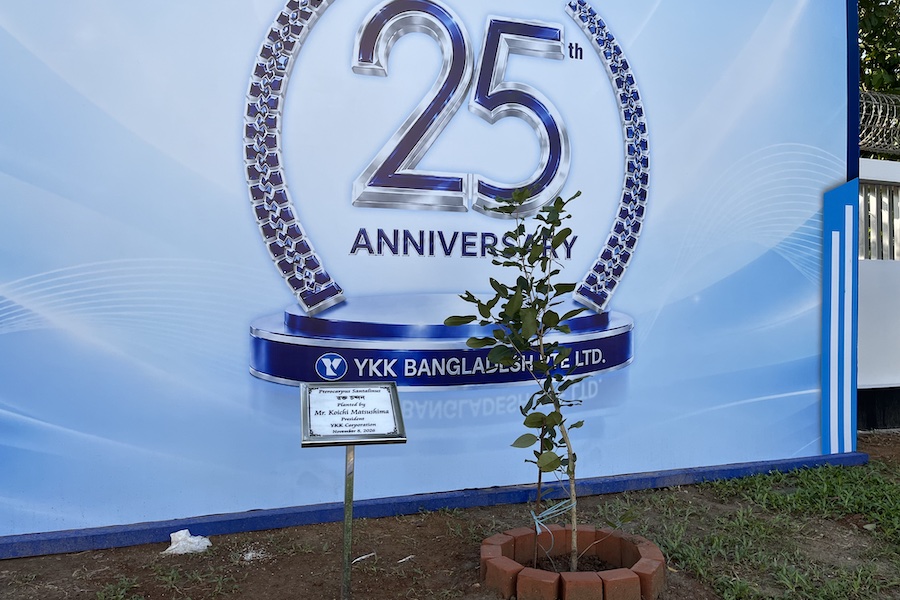
YKK Bangladesh celebrates 25 years of fastening production and business development

YKK Bangladesh Pte. Ltd., a subsidiary of Japanese fastening manufacturer YKK Corporation, has celebrated its 25th anniversary with a commemorative ceremony in Dhaka on November 8, 2026. Since its establishment in November 2000, the company has expanded its manufacturing capacity and business operations alongside the growth of Bangladesh's apparel industry.

#Textile processing

YKK receives two ISPO Textrends awards for innovative fastening solutions

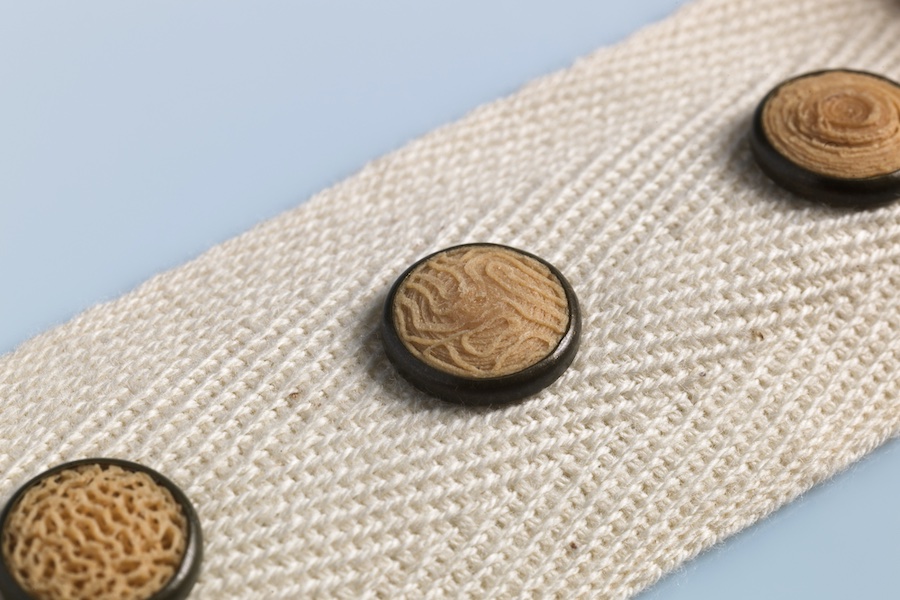
YKK Corporation is pleased to announce that its 3D Printed Snap Cap was named Best Product in the Accessories category of the ISPO Textrends, while Revived Replacement Elements for VISLON® AquaGuard® was named an ISPO Textrends Selection in the same category.

#Techtextil & Texprocess 2028

Techtextil and Texprocess 2028 strengthen networking and business opportunities along the textile value chain

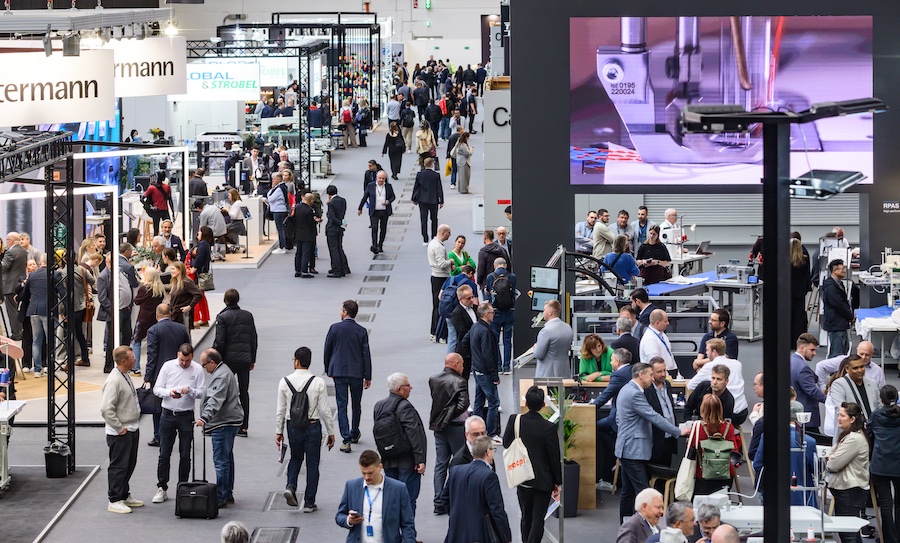
Techtextil and Texprocess are preparing for their next editions from 4 to 7 April 2028 in Frankfurt with an optimised hall layout designed to strengthen connections across the textile value chain. The new structure brings materials, production technologies and processing solutions closer together, while several leading international companies have already confirmed their participation. Exhibitors can benefit from early-booking rates until 30 November 2026.

Latest News

#Textile chemistry

Flame protection and OEKO-TEX® certification: Gulec Chemicals clears an important hurdle

Three halogen-free flame retardants from German specialist Gulec Chemicals have been included in the OEKO-TEX® list of accepted Active Chemical Products (ACP). The listing opens up additional opportunities for textile finishers, coaters and manufacturers of technical textiles seeking to combine demanding fire protection requirements with certification according to OEKO-TEX® STANDARD 100.

#Dyeing, Drying, Finishing

PLEVA improves dyeing consistency with inline microwave measurement of liquor pick-up

Consistent shades are essential in continuous textile dyeing. Yet variations in fabric absorbency or uneven padder pressure can go unnoticed until the end of the line. By then, hundreds of metres of fabric may already be affected and may become second-choice or rejected.

#Recycling / Circular Economy

DITF establishes CYCLOTEXUM recycling center to advance mechanical and solvent-based textile recycling

As part of the CYCLOTEXUM research project, the German Institutes of Textile and Fiber Research Denkendorf (DITF) established the CYCLOTEXUM recycling center. There, in collaboration with industry partners, the center develops application-oriented solutions for mechanical and solvent-based recycling processes. The technologies developed make a significant contribution along the textile value chain toward the efficient use of textile resources in the future and the transition of production in the German textile sector to a circular economy. The project was funded by the Ministry for the Environment, Climate and Energy Sector of the State of Baden-Württemberg.

#ITMA 2027

CEMATEX outlines future exhibition strategy for ITMA 2027 and ITMA ASIA Singapore 2029 at ITMA NEXT

At the ITMA NEXT | Industry Networking event on 22 November in Shanghai, CEMATEX unveiled its plan for ITMA ASIA Singapore 2029, marking a new chapter under its sole organisation and management. CEMATEX also highlighted exciting initiatives for ITMA 2027, inviting the global textile and garment technology community to convene in Hanover to discover breakthrough innovations, exchange insights and forge partnerships that will shape the future of textiles.

TOP