[pageLogInLogOut]

#Man-Made Fibers

Spinnova and Outlast to develop new textile materials for thermal insulation and temperature regulation

The companies have signed a Letter of Intent to explore combining SPINNOVA® fibre with Outlast's phase change materials and aerogel insulation technologies for performance apparel and technical textiles

Spinnova Plc, a Finnish materials technology company developing textile fibres from wood pulp and other cellulose-based raw materials, has signed a non-binding Letter of Intent (LOI) with Germany-based Outlast Technologies GmbH, a specialist in temperature regulation and insulation technologies. The collaboration aims to explore the development of high-performance textile materials combining SPINNOVA® fibre with Outlast's functional technologies.

The initiative could expand the potential applications of SPINNOVA® fibre into higher-value technical textiles, including performance apparel and insulation materials, where thermal management, comfort and lightweight construction are important requirements.

Combining cellulose-based fibres with thermal management technologies

SPINNOVA® fibre is produced through a mechanical process without dissolving the cellulose or using harmful chemicals. The technology is designed to convert wood pulp and other cellulose-based raw materials into textile fibres.

Outlast contributes established technologies for temperature regulation and thermal insulation. Its Outlast® Temperature Regulation technology, based on innovations originally developed for NASA, uses phase change materials (PCMs) to absorb, store and release heat, helping to regulate temperature fluctuations.

The company's AERSULATE® technology uses aerogel-based insulation to provide thermal protection in lightweight and thin material constructions.

The two companies will investigate whether these technologies can be combined with SPINNOVA® fibre to develop differentiated textile materials with enhanced functional properties.

Potential for new performance textile applications

“We want SPINNOVA® fibre to compete on performance as well as natural comfort,” says Mikko Lassila, Chief Commercial Officer of Spinnova. “Outlast brings established technologies for temperature regulation and insulation, and this collaboration gives us an opportunity to explore how they can be combined with our fibre. If successful, we believe this could open new applications for SPINNOVA® fibre, broaden our addressable markets, and support our long-term commercial scale-up strategy.”

For Spinnova, the initiative represents an opportunity to explore additional applications beyond conventional textile products, particularly in segments where functional performance can create added value.

Outlast sees potential in evaluating the compatibility of its thermal management solutions with the cellulose-based fibre.

“SPINNOVA® fibre presents an interesting opportunity to explore new applications for our functional technologies,” says Martin Bentz, Chief Executive Officer of Outlast. “We look forward to evaluating how our temperature regulation and insulation solutions can be combined with Spinnova’s fibre to create differentiated materials that meet the performance requirements of our customers.”

The agreement marks an initial stage of cooperation. Further development and evaluation will determine whether the combination of SPINNOVA® fibre and Outlast's technologies can meet the technical requirements for future commercial textile applications.



More News from SPINNOVA PLC

#Man-Made Fibers

Spinnova’s partner NZ TEX GROUP supports scaling of SPINNOVA® fibre

NZ TEX GROUP, Spinnova’s long-term woven fabric manufacturing partner based in Bangladesh, supports the scaling of SPINNOVA® fibre by joining the Spinnova ecosystem. NZ TEX GROUP and Spinnova have jointly developed fabrics, including denim, over several years, and the partners are now formalising and strengthening their cooperation through the ecosystem model.

#Raw Materials

ECCO introduces first shoe featuring innovative protein-based fibre

ECCO, in partnership with Spinnova, announces the launch of the limited edition ECCO BIOM® 720, a first-of-its-kind shoe utilising an often overlooked leather by-product, transformed into a protein-based fibre. The fibres are produced using patented technology that advances material innovation while reducing waste and supporting full resource use across the leather and textile industry.

#Man-Made Fibers

Swiss industrial engineering and manufacturing company Sulzer joins Spinnova’s ecosystem

Sulzer, a Swiss industrial engineering and manufacturing company, has joined Spinnova’s ecosystem (consortium) to enable the availability of SPINNOVA® fibre in the textile materials market. Sulzer will contribute its expertise to support Spinnova’s development work.

#Recycling / Circular Economy

Textile‑to‑textile recycling leader Circulose joins Spinnova’s ecosystem to accelerate technology scale‑up

Textile‑to‑textile recycling leader Circulose joins Spinnova’s ecosystem (consortium) to help advance the scale‑up of Spinnova’s technology. Spinnova has actively sought partners to accelerate commercial scale‑up, and Circulose, as a key player in textile recycling, strengthens the ecosystem by providing a raw material that is in high demand across the industry.

More News on Man-Made Fibers

#Man-Made Fibers

Dornbirn GFC 2027 launches call for papers with a focus on industrial and market impact

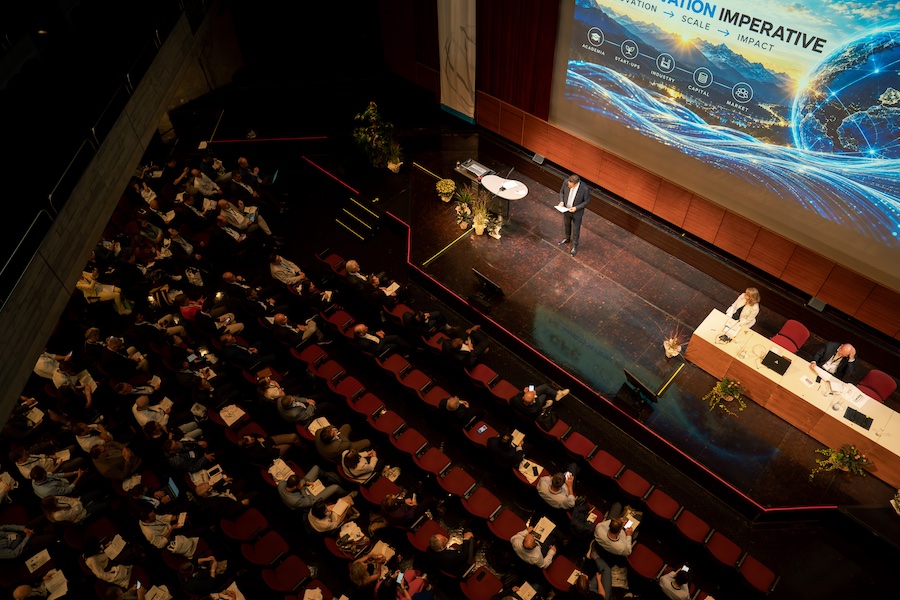
The Dornbirn Global Fiber Congress (Dornbirn GFC) has launched its call for papers for the 66th edition of the international conference, which will take place from 14 to 16 September 2027 in Dornbirn, Austria. Under the theme “From innovation to industrial & market impact”, the congress will focus on six key topics, addressing technological innovation, industrial implementation and emerging market opportunities across the fibre and textile value chain. Researchers, developers and companies are invited to submit their presentation proposals by 15 February 2027.

#Research & Development

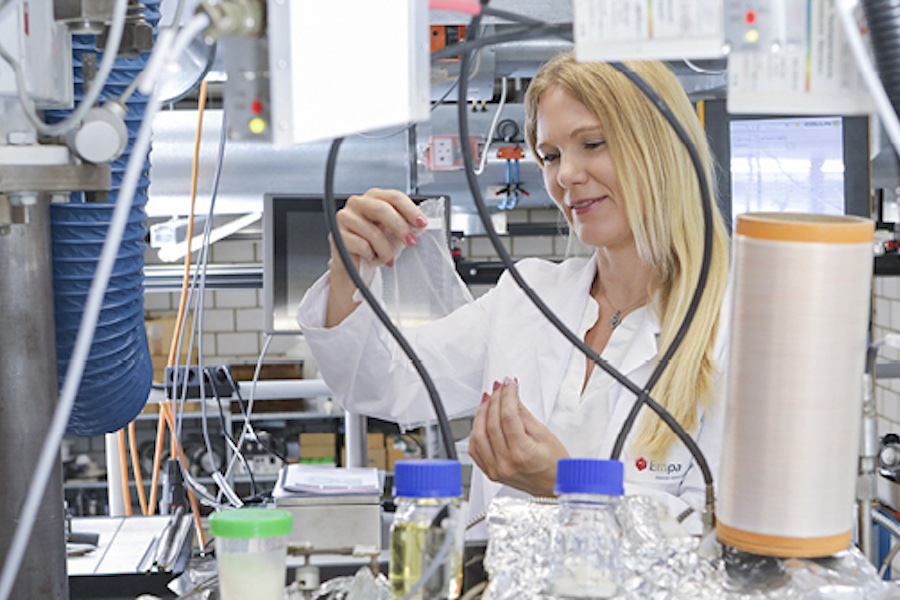
Empa develops liquid-core fibre for insecticide-treated mosquito nets

Empa researchers have developed a liquid-core fibre for mosquito nets that can incorporate insecticides unsuitable for conventional melt spinning. The fibre gradually releases the active ingredient through a polymer sheath. The team developed and tested the yarn over three years in the Innosuisse project MalCoFil with Swiss industry partners Vestergaard and Monosuisse.

#Nonwovens

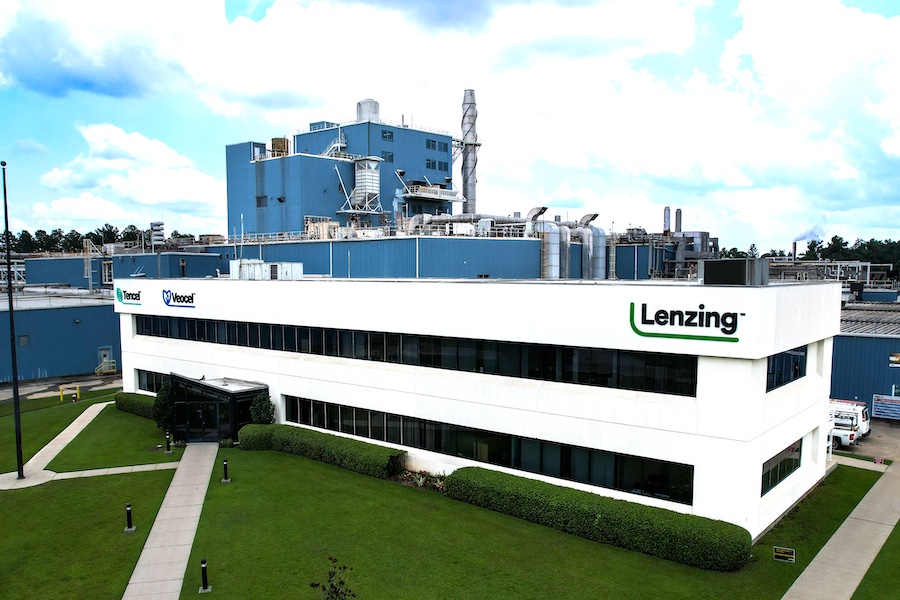
Lenzing invests EUR 27 million in US facility to expand specialty fibers for nonwovens

The Lenzing Group is investing EUR 27 million (USD 31 million) to expand specialty fiber production capabilities at its lyocell fiber site in Mobile, Alabama, USA. The investment forms part of the company’s “Grow NW. Reset TX.” strategy and will strengthen its global Nonwovens business, with a particular focus on short-cut fibers and customized wood-based solutions for specialty applications.

#Man-Made Fibers

Lenzing improves profitability as strategic transformation gains momentum

The Lenzing Group reported improved operating profitability in the first nine months of 2026 despite declining revenue and a challenging market environment. Revenue decreased by 2.3 percent to EUR 1.93 billion, while adjusted EBITDA remained stable at EUR 353 million. The adjusted EBITDA margin increased from 17.9 percent to 18.3 percent, reflecting progress in the company's strategic transformation under its “Grow Nonwovens. Reset Textiles.” strategy.

Latest News

#Knitting & Hosiery

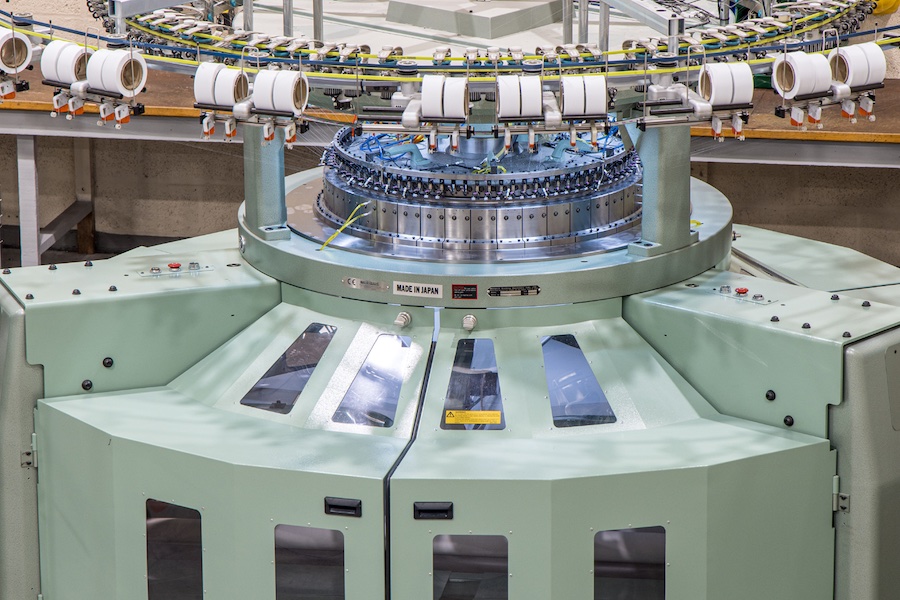
Monarch extends its Woven Look knitting technology from mattress ticking to apparel and performance textiles

A fabric technology originally developed to reproduce the appearance of woven mattress ticking by Monarch Knitting Machinery, a member of the British Textile Machinery Association (BTMA), is finding new applications in apparel. With the introduction of its 36-gauge OD5B-M-7ED44 double-knit machine, Monarch is expanding the possibilities for producing fine knitted structures that closely resemble woven textiles while retaining the stretch and comfort associated with knitting.

#Recycling / Circular Economy

IVGT presents initial findings from the Erasmus+ project Skills4Circularity

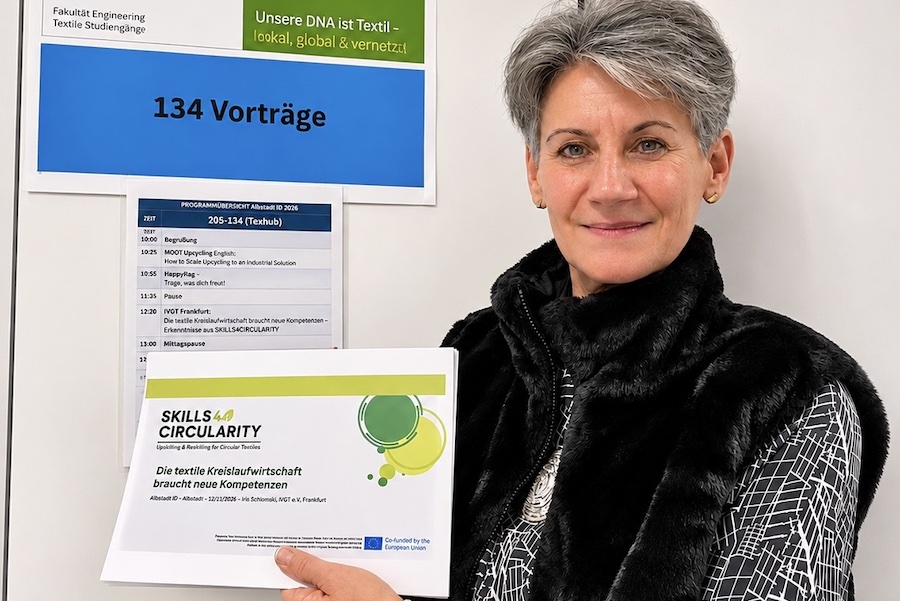
At Albstadt ID 2026, hosted by Albstadt-Sigmaringen University of Applied Sciences, IVGT project manager Iris Schlomski presented initial findings from Skills4Circularity on 12 November 2026. She opened her presentation with an estimate from the European Environment Agency: the EU generated around seven million tonnes of textile waste in 2022. The Erasmus+ project brings together 21 partners from twelve countries to identify the skills textile and clothing professionals need to design more durable products, use fewer resources in production and recover fibres after use.

#India ITME 2026

SHIMA SEIKI connects knitting innovation, digital product development and automated cutting at India ITME 2026

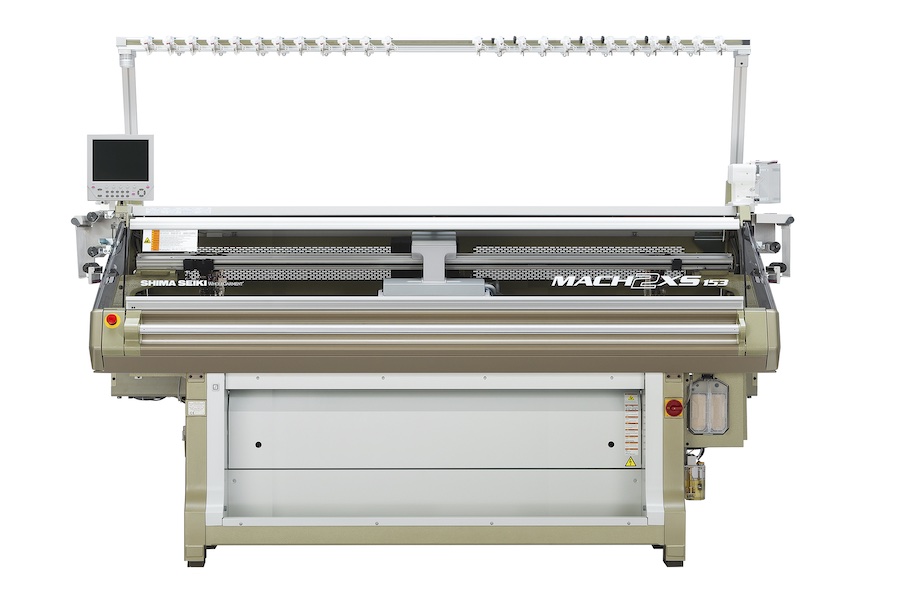
Japanese textile machinery and technology specialist SHIMA SEIKI MFG., LTD. will present a comprehensive portfolio of advanced knitting, digital design and automatic cutting solutions at India ITME 2026 in Greater Noida from 4 to 9 December. At Hall 14, Booth D1, the company will showcase its latest WHOLEGARMENT® and shaped knitting technologies, digital product development solutions and the Indian premiere of its new P-CAM® R multi-ply automatic cutting machine, designed for a wide variety of industries beyond fashion apparel.

#Raw Materials

Cotton Brazil calls for balanced textile sustainability regulations and stronger international cooperation

Cotton Brazil has concluded its strategic agenda in Brussels, Belgium, reinforcing the importance of recognising natural fibres in European sustainability policies and expanding exchanges with policymakers, agricultural attachés and representatives of cotton-producing countries. Discussions at the European Parliament highlighted the need for balanced textile sustainability regulations, while meetings with cotton-producing countries opened opportunities for international cooperation.

TOP