[pageLogInLogOut]

#ITMA Asia + CITME Singapore 2025

Zschimmer & Schwarz at ITMA Asia in Singapore

Renewable spin finishes and textile auxiliaries

At ITMA Asia in October 2025, Zschimmer & Schwarz will present 100 % bio-based spin finishes from the LERTISAN range designed for hygiene nonwovens, and HYDROSET ECO-DRY, a bio-based wicking agent that delivers excellent moisture management for synthetic fabrics. For dye fixation on polyamide, the company has developed a sustainable, plant-based product completely free from phenol, bisphenol, and formaldehyde. The patented aftertreatment agent ZETESAL ECO-FIX PA ensures durable and reliable fixation, particularly on dark shades.

ITMA Asia is one of the leading trade fairs for textile machinery and technologies in the region. As Asia is one of the most dynamic growth markets for the fiber and textile industry, Zschimmer & Schwarz expects many producers and partners to be present at the event. Colleagues from Germany (Lahnstein and Mohsdorf) as well as teams from India and China will participate, showcasing the company’s expertise in fiber and textile applications and strengthening relationships with existing and new business partners. First-hand insights into the latest market trends will inspire future developments.

Reducing fossil carbon emissions remains one of the major challenges in the chemical industry. In the field of process chemicals, meaningful contributions can be made by lowering the carbon footprint of products, improving energy efficiency during use, and enabling recycling and circularity. The Fiber & Textile Auxiliaries Division of Zschimmer & Schwarz actively supports this transformation by shifting from fossil-based to renewable raw materials.


In textile bleach, Zschimmer & Schwarz helps to optimize water and energy consumption: The bleach activator OPTAVON LTB shortens processing times, saving both water and energy. The detergent TISSOCYL POW allows effective treatment at temperatures below 80 °C, significantly lowering energy use. In addition, polymer-based coating systems developed by the company’s subsidiary Lefatex support latex-free, recyclable solutions for artificial turf and carpets, offering a smart path to reducing the CO₂ footprint of the flooring sector.
More News from

#Sustainability

Ying McGuire becomes new CEO of Cascale

Cascale today announced the appointment of Ying McGuire as Chief Executive Officer, effective June 1, 2026.

#Technical Textiles

Sustainable, lightweight, and sound absorbing: Polyester-based front trunk solution for BEVs

As car manufacturers look to further reduce their carbon footprint, Autoneum has developed an innovative front trunk solution for battery electric vehicles (BEVs), made entirely from polyester-based textile. The Ultra-Silent Frunk offers significant weight reduction, improved acoustic and thermal insulation, and uses up to 70 percent recycled material, supporting sustainable and efficient vehicle design. Autoneum, global technology leader in acoustic and thermal management for vehicles, has already received orders for the new frunk from three major OEMs in Asia and Europe to be built in three BEV models. Series production for two BEVs has been underway in China and Germany since last year.

#Raw Materials

Modern testing methods for raw cotton

The 38th International Cotton Conference Bremen will take place from 25 to 27 March 2026 at the Bremen Parliament. This conference has traditionally stood for in-depth expertise and international exchange. The program will focus on technical innovations, market trends, and regulatory frameworks across the entire value chain – from agriculture to the circular economy. With high-profile speakers, the conference is regarded as the key meeting point for the global cotton industry. Today’s focus: Cotton quality and testing methods.

#Spinning

Rieter responds to higher raw material prices

Global political and economic developments have been leading to rising raw material and energy costs for some time. The textile machinery industry is also affected by this trend. Rieter machines and components consist to a large extent of steel, copper, aluminum and electronics. These materials in particular have seen higher demand and higher prices in recent months.

More News on ITMA Asia + CITME Singapore 2025

#ITMA Asia + CITME Singapore 2025

India becomes growth engine for the warp knitting industry

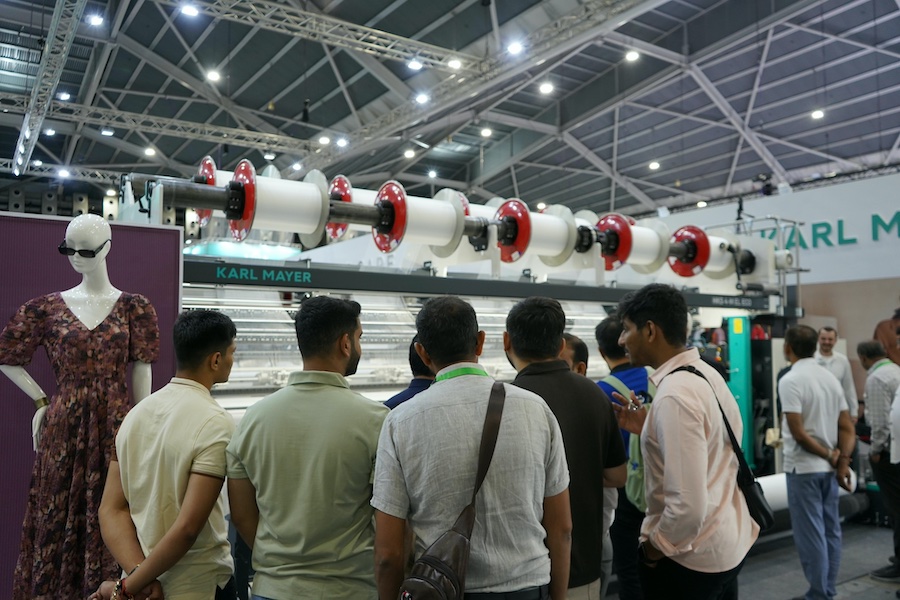
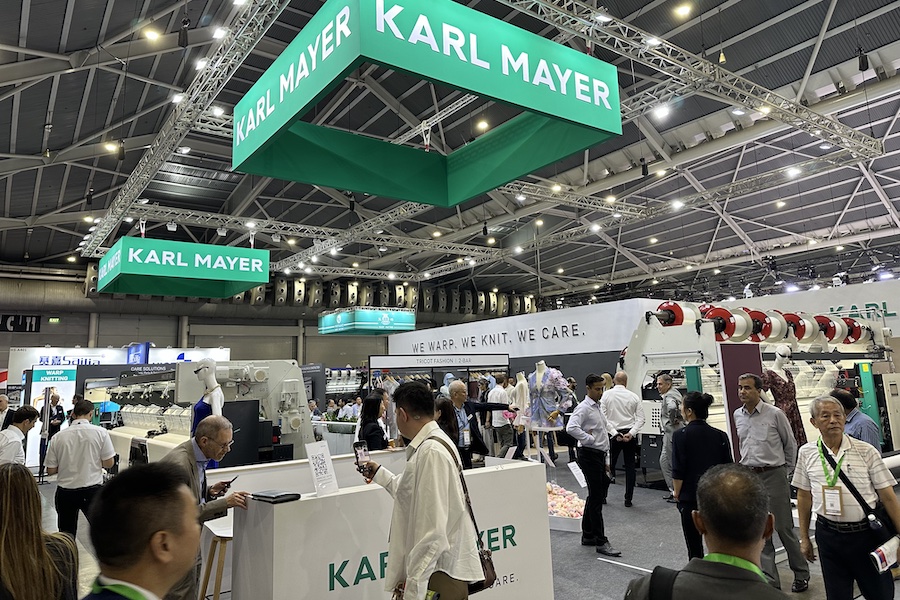
ITMA ASIA 2025 exceeded all expectations for KARL MAYER – above all thanks to the strong interest from India: around 30% of the qualified discussions were held with partners from this traditional textile country. The response underlines the growing importance of the Indian market, which could become the second largest sales region for KARL MAYER after China. The warp knitting industry in particular is developing dynamically.

#India ITME 2026

India ITME Society pushes trade & technology alliances in Singapore

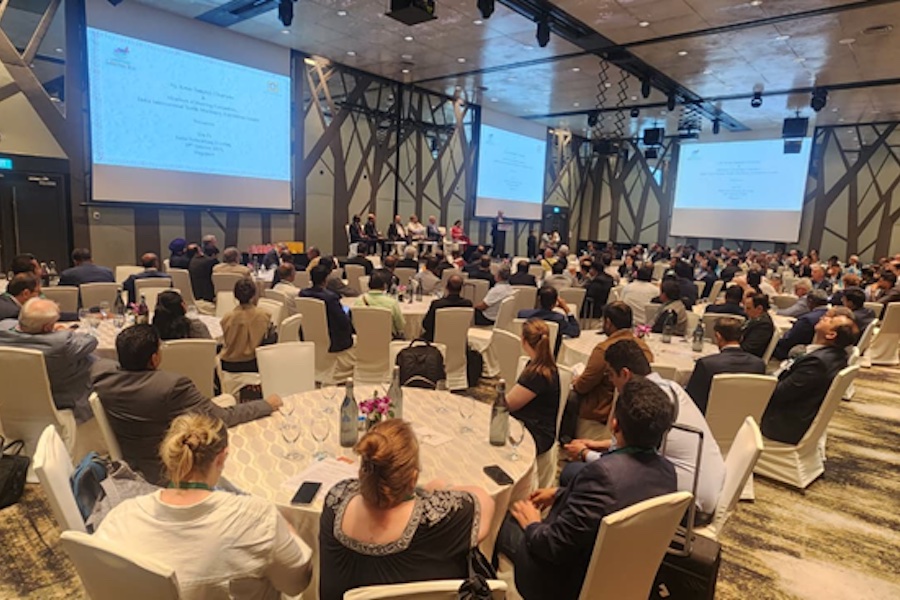
India ITME Society hosted India Networking Program - Fabricating the Future of Textile Industry- From Heritage to High-Tech” on 29th October 2025 at Singapore an exclusive gathering of Ministry of Textile Officials, Embassy Officials, Entrepreneurs, Technocrats, Industry Organizations and Media Personnel's designed to foster collaboration, exchange ideas and explore opportunities in the Indian Textile & Textile Engineering Sector.

#ITMA Asia + CITME Singapore 2025

Innovation and customer proximity – KARL MAYER’s clear focus makes an impression

ITMA ASIA in Singapore was a resounding success for KARL MAYER, exceeding all expectations. The company welcomed visitors from 39 countries and held around 570 expert discussions. Most guests came from India, followed by China, Indonesia and Pakistan. The exchange with them was both well-founded and targeted. Conversation topics ranged from investment projects and new technologies to opportunities for cooperation and business expansion.

#ITMA Asia + CITME Singapore 2025

Singapore edition of ITMA ASIA + CITME makes successful presentation

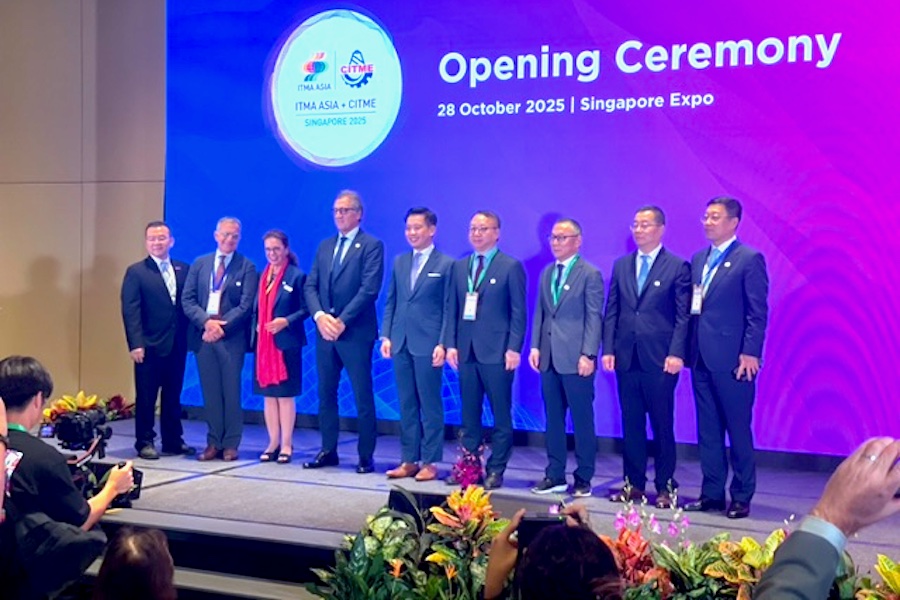
The region’s leading textile and garment technology exhibition, ITMA ASIA made a successful return to Singapore after two presentations in 2001 and 2005.

Latest News

#Weaving

Stäubli demonstrates how innovation translates into real benefits for weaving mills at SITEX 2026

One of India’s most prominent textile industry events, SITEX 2026, is held from February 21 to 23 in Surat. Committed to empowering Indian weaving mills with state‑of‑the‑art solutions tailored to regional needs, Stäubli will present a selection of solutions designed for performance, reliability, and power efficiency. Through its weaving preparation, cam and dobby shedding solutions and Jacquard technologies, Stäubli highlights its global expertise tailored to the specific needs of the local market.

#Weaving

Itema exhibits the two best-selling high-end rapier weaving machines of the Region, R9500EVO and Galileo-RX at SITEX 2026

Following the opening of its new Surat Service Center in November, Itema will exhibit at SITEX (Stand 286) from February 21st to 23rd at the Surat International Exhibition and Convention Centre (SIECC). Surat has long been one of Itema’s most strategic markets, a role further reinforced by the inauguration of the Surat Service Center last November. Equipped with an advanced electronic repair center, a weaving machine behavior simulator, and a local spare parts warehouse, the new facility strengthens Itema’s presence in the region while bringing the company even closer to its Customers.

#ITM 2026

The hub of smart and sustainable transformation in yarn technologies: ITM 2026

With global fiber production projected to reach 169 million tons by 2030, yarn manufacturing is becoming one of the most strategic fields within the textile machinery industry. Located in Halls 6, 7, and 10, the Yarn Hall at ITM 2026 is set to bring together industry professionals with innovative solutions developed around automation, energy efficiency, digitalization, and circular production.

#Research & Development

New DIN SPEC assesses environmental impact of textile fragments in soil

Textile products made from synthetic fibres, finished fabrics or dyed materials release fibre fragments into the environment at every stage of their life cycle. With the new DIN SPEC 19296, Hohenstein has developed a standardised testing method to analyse how these fragments behave in soil under natural conditions. Until now, little was known about their environmental behaviour or potential ecological effects once released.

TOP