[pageLogInLogOut]

#ITMA Asia + CITME 2018

Groz-Beckert welcomes over 4,000 visitors to ITMA Asia

Groz-Beckert booth at ITMA ASIA + CITME 2018 (c) Groz-Beckert
The sixth ITMA Asia + CITME in Shanghai, China, was extremely successful for Groz-Beckert. Over the five days of the trade fair in October 2018, the company welcomed over 4,000 international customers and partners to its booth. Around three quarters of the customers at the Groz-Beckert booth came from China, followed by guests from Japan, India and South Korea.

With its 1,733 exhibitors from 28 countries, the trade fair attracted more than 100,000 visitors in total. These visitors were treated to a wide range of state-of-the-art technology for manufacturing and joining textile fabrics.

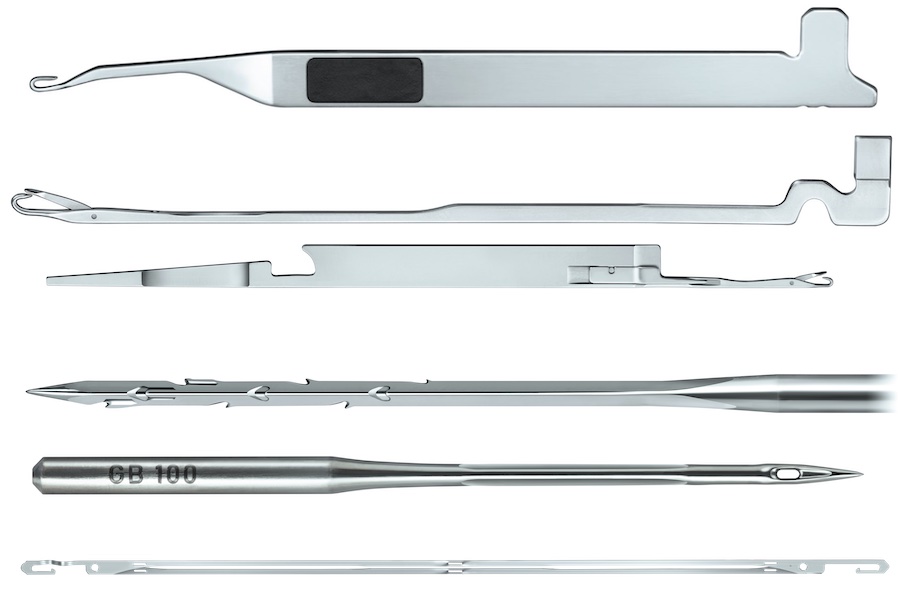
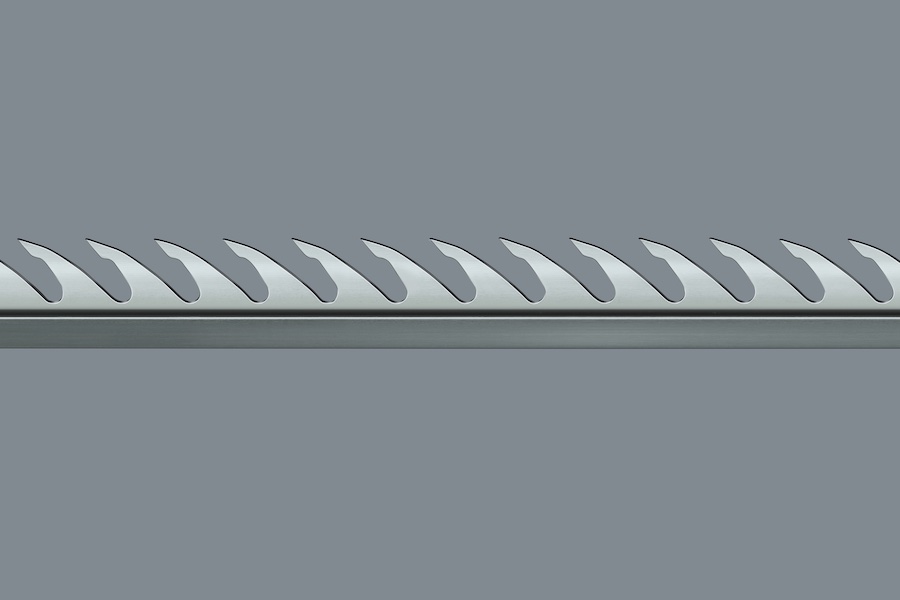
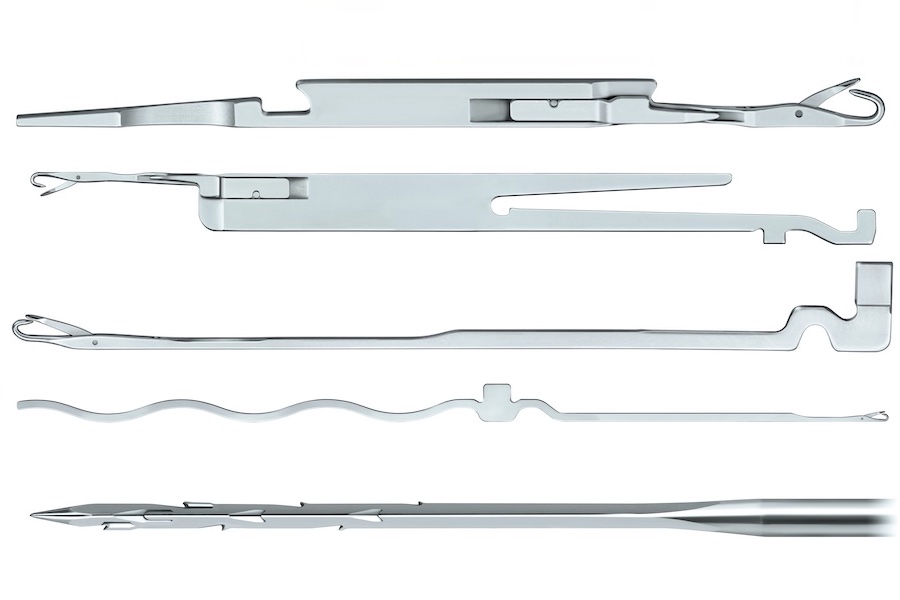
Groz-Beckert was represented with all six product areas – Knitting, Weaving, Felting, Tufting, Carding and Sewing – and presented new transparent insights. The still relatively recent WeChat Channel also put the company in the spotlight. Visitors had the opportunity to become a follower directly at the booth and to receive the latest news on Groz-Beckert and the Chinese textile market on their smartphone in the future.

The Groz-Beckert product areas presented their product ranges using the tried-and-tested acrylic glass machines, with some new acrylic glass exhibits. In the Knitting area, for example, a new acrylic glass machine for sock production was added, while the Sewing division presented a new acrylic glass sewing machine.

The Felting (Nonwovens) division showed its staple fiber needle punch line live in Asia – as a 3D print model in 1:18 scale. The original system is available for customers to test in the Technology and Development Center (TEZ) in Albstadt, Germany.

Using the WeavingLoom, a weaving machine replicated in acrylic glass, Groz-Beckert showed heald frames and healds, as well as warp stop motions, drop wires and the PosiLeno® leno system in action. Tufting showed its gauge part system, which impressed with the controlled and coordinated selection of materials and compliance with the tightest tolerances. And the Carding division also presented its clothings on two impressive acrylic glass exhibits, which showed a revolving flat card and a roller card.

The unique transparent insights at the Groz-Beckert booth impressively demonstrated the interplay between the different components in textile machines. They clearly highlight the extremely low tolerances the needles and system parts from Groz-Beckert work in.


The ITMA Asia 2018 was a complete success for Groz-Beckert with a wealth of interesting discussions and major incentives for the coming months.

Groz-Beckert: WeChat


Groz-Beckert: Felting


More News from Groz-Beckert KG

More News on ITMA Asia + CITME 2018

Latest News

#Textile processing

Jeanologia combines digitalisation, laser and ozone technology to strengthen China’s textile competitiveness

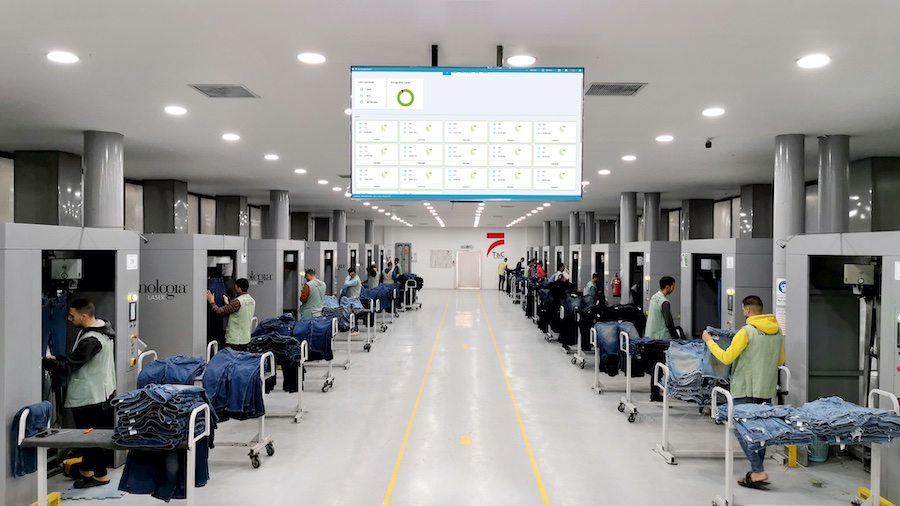
At ITMA Asia + CITME 2026 in Shanghai, Jeanologia showcased how the combination of digitalisation, laser technology and G2 Ozone can help China’s textile industry improve productivity, speed, quality and efficiency. With its Compact Super Flash laser system and integrated production concepts, the Spanish technology specialist demonstrated how connecting product development and industrial production can enable faster, more automated and sustainable manufacturing processes.

#Textile chemistry

Flame protection and OEKO-TEX® certification: Gulec Chemicals clears an important hurdle

Three halogen-free flame retardants from German specialist Gulec Chemicals have been included in the OEKO-TEX® list of accepted Active Chemical Products (ACP). The listing opens up additional opportunities for textile finishers, coaters and manufacturers of technical textiles seeking to combine demanding fire protection requirements with certification according to OEKO-TEX® STANDARD 100.

#Dyeing, Drying, Finishing

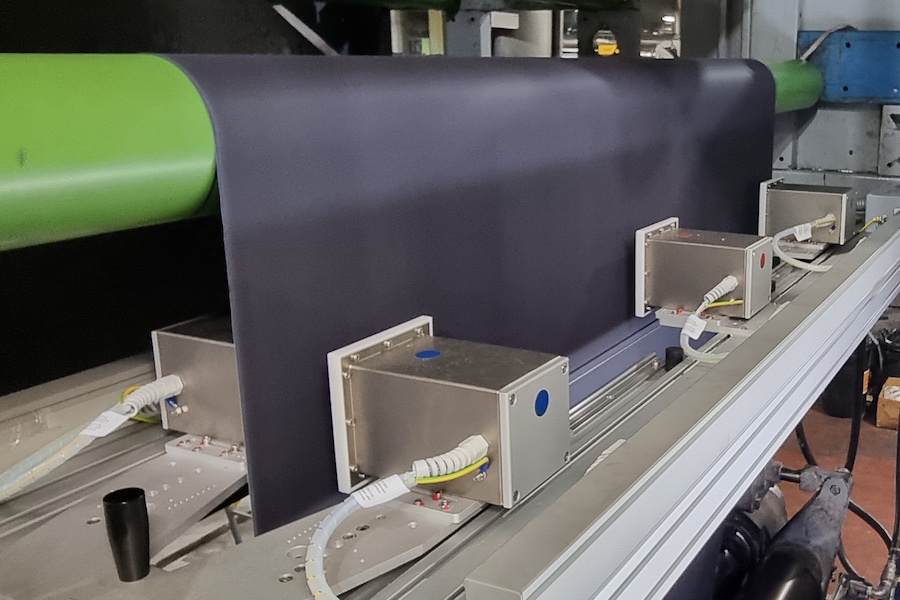
PLEVA improves dyeing consistency with inline microwave measurement of liquor pick-up

Consistent shades are essential in continuous textile dyeing. Yet variations in fabric absorbency or uneven padder pressure can go unnoticed until the end of the line. By then, hundreds of metres of fabric may already be affected and may become second-choice or rejected.

#Recycling / Circular Economy

DITF establishes CYCLOTEXUM recycling center to advance mechanical and solvent-based textile recycling

As part of the CYCLOTEXUM research project, the German Institutes of Textile and Fiber Research Denkendorf (DITF) established the CYCLOTEXUM recycling center. There, in collaboration with industry partners, the center develops application-oriented solutions for mechanical and solvent-based recycling processes. The technologies developed make a significant contribution along the textile value chain toward the efficient use of textile resources in the future and the transition of production in the German textile sector to a circular economy. The project was funded by the Ministry for the Environment, Climate and Energy Sector of the State of Baden-Württemberg.

TOP