[pageLogInLogOut]

#ITM 2024

Italian textile machinery will exhibit their most advanced solutions at ITM Istanbul

For textile machinery manufacturers Turkey is a major trading partner, given the importance of its textile and garment industry on a global scale. With regards to Italy’s textile machinery sector, Turkey ranks second among foreign markets, with Italian textile machinery exports in 2023 amounting to a value of 183 million euros.

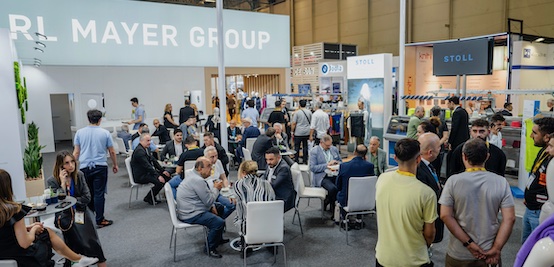
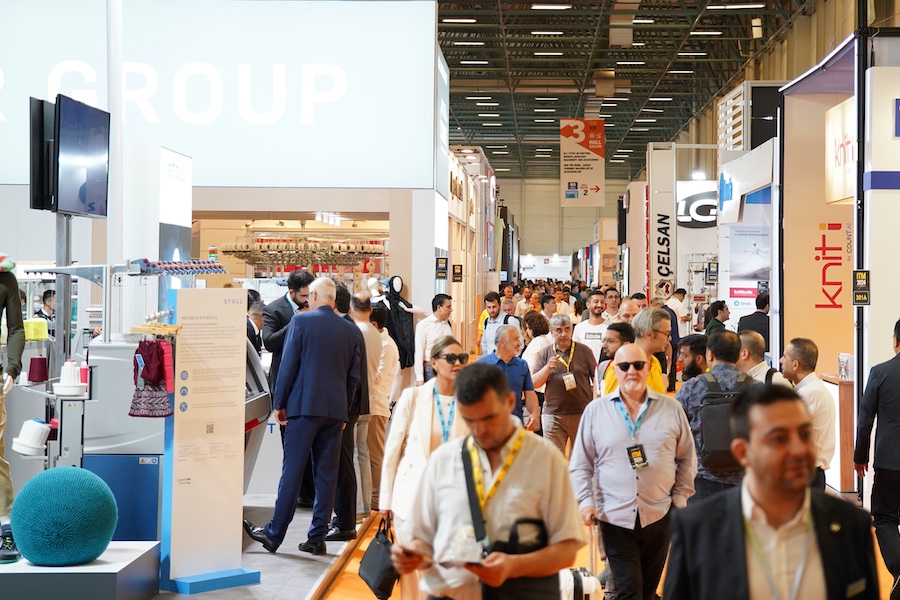
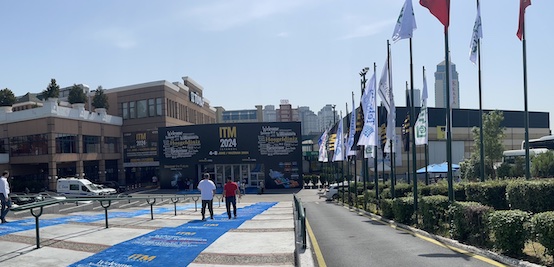
The relevance of Turkish market for Italian machinery manufacturers justifies their significant presence as exhibitors at the upcoming ITM industry trade fair to be held in Istanbul from 4 – 8 June 2024.

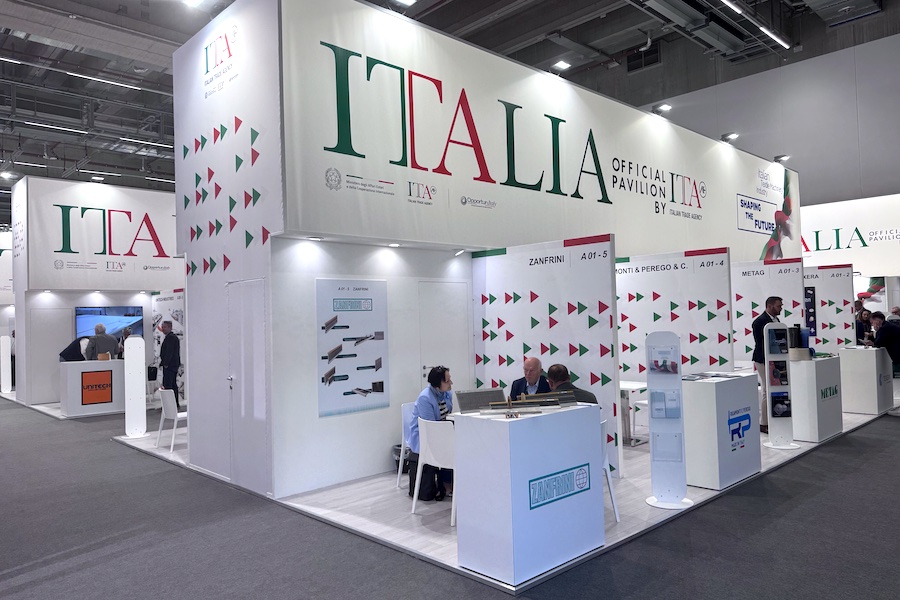
In addition to the numerous Italian companies present at ITM with their very own booth or through agents, 16 companies will be exhibiting in the area organized by the Italian Trade Agency and ACIMIT – the Association of Italian textile machinery manufacturers (Hall MA, booth M004). The Italian pavilion will be hosting the following ACIMIT associated members: Bematic, Kairos, Macchine Carù, Martex, Noseda, Ommi, Pafasystem, Pinter Caipo, Proxima, Ramina, Ratti, Sicam, Siltex, Testa and Ugolini.

ACIMIT president Marco Salvadè thus commented: “Italy’s textile machinery sector boasts a strong partnership tradition with Turkish textile manufacturers. From 2011 to 2023, the local textile industry invested roughly US$ 80 billion in new technologies, where more often than not these investments regarded the acquisition of Italian machinery.” Indeed, Italy is one of the main suppliers of technology to local textile manufacturers, along with Germany and China.

“We want to strengthen this leadership position on the Turkish market,” added Salvadè, “thanks in part to the latest technological developments being put forward by Italian machinery manufacturers, above all in the digitalization of production processes, thereby enhancing efficiency and optimization. I’m quite sure that visitors at ITM will be able to find at the booths of our exhibitors the most suitable solutions to raise the level of competitiveness of Turkish textiles.”

More News from Associazione Costruttori Italiani di Macchinario per l Industria Tessile (ACIMIT)

#Associations

Italian textile machinery orders show quarterly recovery in Q2 2026

In the period between April and June 2026, order intake for Italian textile machinery manufacturers showed mixed but encouraging signals for the second half of the year. The order index at constant prices stood at 46.6 points (taking 2021=100 as the base year), showing a slight decrease of 3% compared to the same quarter of 2025. This trend was largely due to the contraction recorded in the domestic market, which fell by 25% compared to the corresponding period of the previous year.

#Associations

Textile machinery: Italian technology charts the course for revival

Operating in a scenario characterized by geopolitical instability, slowing industrial investments, and new protectionist pressures. This is the main challenge for the Italian textile machinery industry that emerged during the General Assembly of ACIMIT (Association of Italian Textile Machinery Manufacturers), held today in Milan at the Shareholders’ Hall of Palazzo Edison.

#Associations

Bangladesh: Italian textile machinery mission stops in Dhaka and Chittagong

Technological upgrading and the transition toward higher value-added production are driving the new Italian industrial mission to Bangladesh. This year, the mission will split between the country’s two main manufacturing hubs, where Italian manufacturers will meet the leaders of the local textile supply chain in two strategic stages: July 7th in Dhaka and July 9th in Chittagong.

#Associations

Mongolia: Workshop on Italian textile technologies kicks off in Ulaanbaatar

The workshop dedicated to Italian textile technologies will kick off in Ulaanbaatar from 21 to 23 June 2026. Focused on the most advanced innovative solutions for the textile industry, the initiative will bring together 13 Italian textile machinery manufacturers, confirming the growing interest in strengthening industrial cooperation between the two countries and highlighting Mongolia’s strategic importance for Italian textile machinery producers.

More News on ITM 2024

Latest News

#Sustainability

Jeanologia Sustainability Report highlights environmental impact of textile technologies

Jeanologia has published its Sustainability Report 2025, reporting a 13.64% reduction in its own carbon footprint and quantifying the environmental impact associated with the use of its technologies across the global textile industry. According to the company’s calculations, their use avoided the pollution of 21.52 million m³ of water and emissions of approximately 103,530 tonnes of CO₂ compared with conventional textile finishing processes.

#Sustainability

Global Standards announce launch of a new textile processing standard

The 14th September 2026 marks the public launch of the Global Responsible Textile Standard (GRTS), a new standard for the processing of textiles made from fibres certified to third-party standards recognised by GRTS and covering a broad range of plant, animal, synthetic, man-made cellulosic and recycled fibres.

#Industry 4.0 / Digitalization

Orient Rongheng connects production planning across China and Bangladesh with FastReactPlan

Chinese apparel manufacturer Orient Rongheng is implementing Coats Digital’s FastReactPlan to digitalize production planning across its manufacturing operations in China and Bangladesh. The project aims to connect capacity, materials and order planning across multiple factories while integrating these processes with the company’s existing ERP and Manufacturing Execution System (MES).

#Raw Materials

ALLIED expands down traceability with lot-level carbon footprint data

ALLIED Feather + Down has expanded its TrackMyDown traceability platform to include validated cradle-to-gate carbon footprint data linked to individual down lots. The initiative is designed to provide brands and consumers with more detailed environmental information on the materials used in finished products and could also support future data requirements associated with Digital Product Passports.

TOP