[pageLogInLogOut]

#Europe

Textile ETP launches bioeconomy strategy for Europe’s textile industry
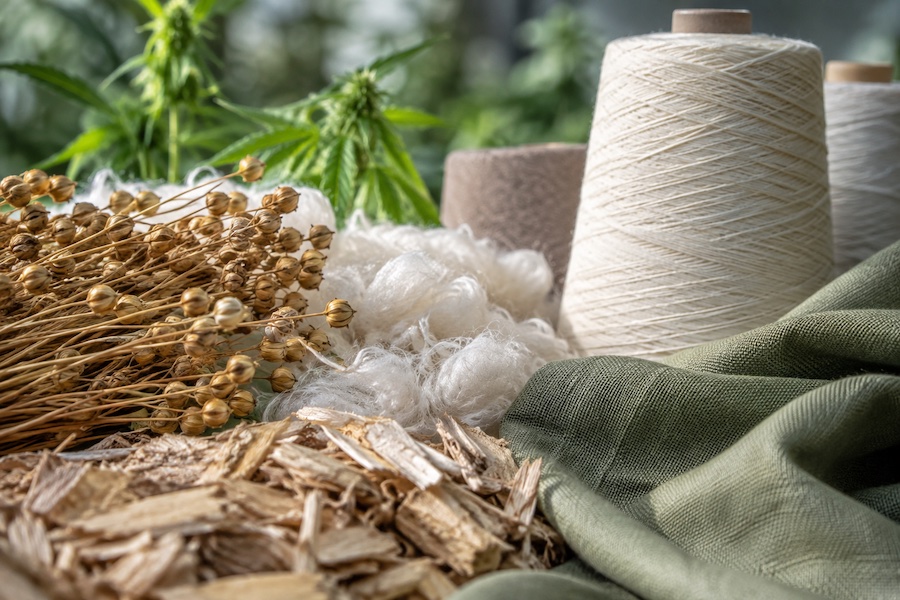
2025 materials © 2026 TexData International (generated with the support of AI)
On 22 September 2026, Textile ETP's Circular & Biobased Textiles Innovation Hub published its strategy for the biobased and circular transformation of Europe's textile and apparel industry.


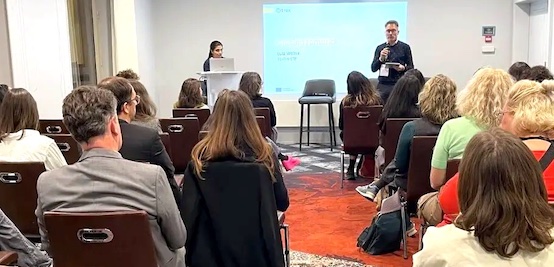
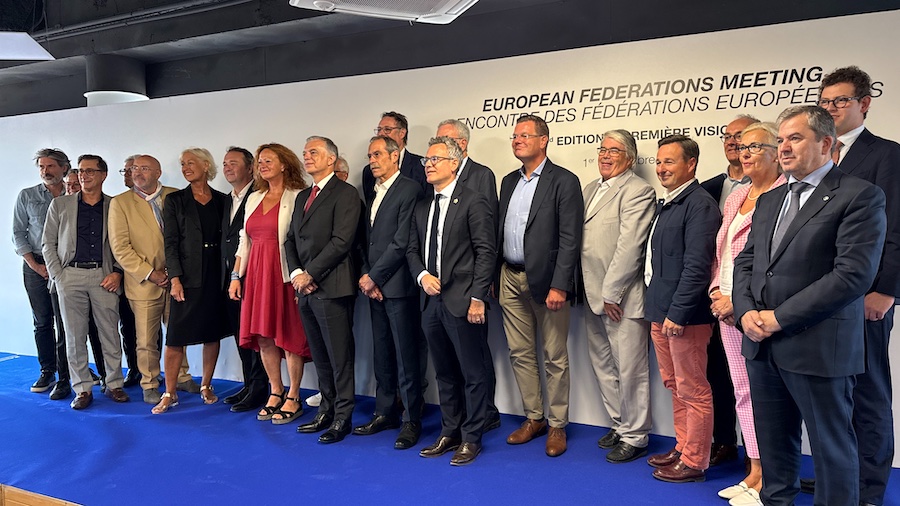
Launched during the 4th ECOSYSTEX Conference in Antwerp, and developed by Textile ETP between February and August 2026 together with experts from across the European biotextile value chain through the Circular & Biobased Textiles Innovation Hub, the Bioeconomy Innovation Strategy for the European Fibres, Textiles, and Apparel Industry sets out how Europe can halt and reverse five decades of rising fossil dependency in its textile material base and at the same time strengthen its manufacturing base.

The strategy identifies three converging imperatives that make the biobased transition a necessity rather than an option: sustainability (as global per-capita fibre consumption climbs, with the additional demand met almost entirely by fossil synthetics), strategic resilience (given that over 90% of global polyester capacity already is located in Asia and other man-made fibres following the same trajectory, Europe increasingly depends on a handful of non-European suppliers for most of its strategic textime material supply), and competitiveness (in line with the EU Bioeconomy Strategy and the upcoming Biotech Act II biomaterial and bioprocess innovation can unlock unique competitive advantages and IP-based differentiation for EU-based manufacturers).

Textile ETP President Marina Crnoja-Cosic emphasised the industrial as well as environmental potential of a European textile bioeconomy: “Europe’s textile bioeconomy is not only a sustainability opportunity, it is an industrial opportunity. Reversing decades of rising fossil dependence can strengthen competitiveness, resilience and strategic autonomy, while creating new industrial value and high-quality jobs. The choice is ours.”

The strategy charts a path toward a biobased and circular European textile industry by 2050, in which biobased and circular materials account for at least half of all fibre consumed in the EU and the value chain that produces them is rooted in Europe. The vision covers four interlocking layers (feedstock, bio-processing and refining, fibre and material production, and market, demand and end-of-life) and five core building blocks: biobased feedstock and biorefinery processes, sustainable man-made cellulosic fibres, biosynthetics and novel biopolymer fibres, sustainably sourced natural fibres, and bio-chemistry and biobased processing.
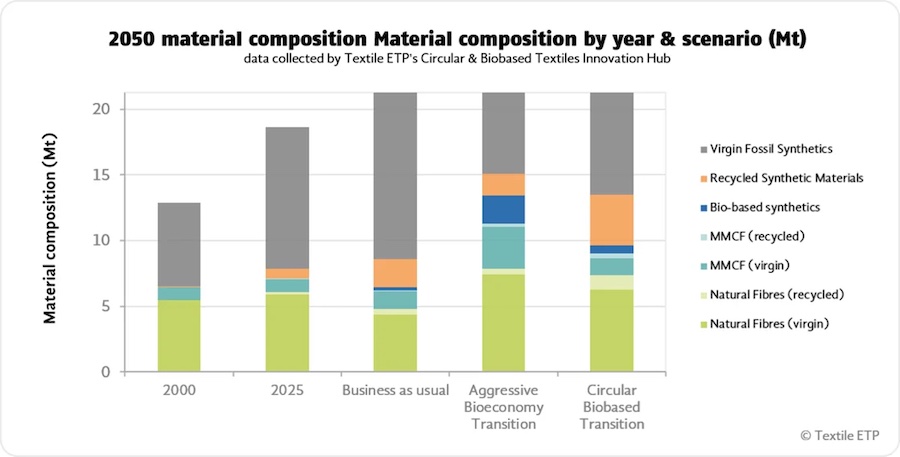
© 2026 Textile ETP
© 2026 Textile ETP


The strategy is grounded in a purpose-built quantitative model of EU-27 textile fibre consumption from 2000 to 2050, covering seven end markets and eleven fibre types across three scenarios: a business-as-usual path on which the fossil share of Europe's fibre base keeps drifting upwards and EU industry competitiveness declines; a circular biobased path driven by balanced incentivisation and investment in recycling and bioeconomy innovation and capacity; and an aggressive bioeconomy path built on a highly focused drive towards biomanufacturing and biobased materials and processes. The strategy calls for all stakeholders to work together targeting an outcome between the latter two, in which renewable materials make up the majority of EU fibre consumption by 2050 and the value chain producing them is anchored in Europe, mobilising tens of billions of euros a year across the EU value chain and tens of thousands of direct jobs.

The roadmap also presents ten recommendations to EU policy makers, combining supply-side support (recognition, research funding, biorefinery capacity) with demand-side pull (procurement, legislation, trusted sustainability claims), and insisting that both reach the SMEs that make up industrial backbone of the sector.

Finally, the strategy identifies five cross-cutting actions that no single stakeholder can accomplish alone: co-developing regional bio-manufacturing hubs that integrate feedstock production, primary processing, fibre and material production, finishing and circular end-of-life infrastructure; building cross-sector value chains between agriculture, forestry, pulp and paper, chemicals, biotechnology and textiles; establishing robust sustainability assessment methodologies, standards and traceability for bio-based textile materials and processes including verified sustainable bio-origin and mass-balance accounting; forming demand-side coalitions to scale bio-based textile capacity through green public procurement and reliable off-take agreements; and developing a pan-European bio-textile skills and talent pipeline.

Concrete implementation strategies for the key recommendations will be developed throughout the remainder of 2026 and into 2027, with all interested stakeholders invited to join.

The Bioeconomy Innovation Strategy for the European Fibres, Textiles, and Apparel Industry is available on:

https://www.textile-platform.eu/innovation-hub-circular-and-biobased-textiles/#strategy


More News from Textile ETP

#Research & Development

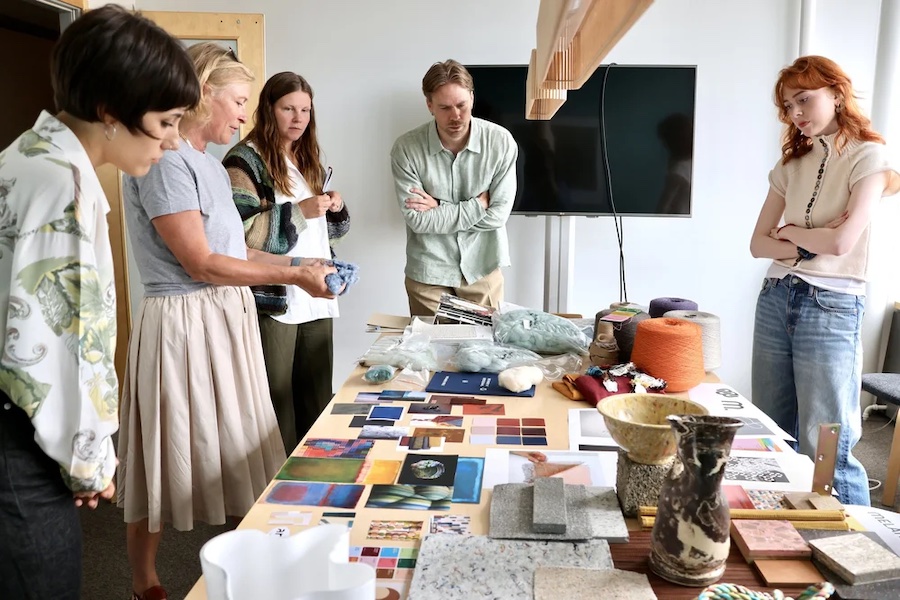
MELANGE starts with a co-creative design workshop at Aalto University to shape the visual identity of this new project transforming colouration in textiles

Over the next three years, MELANGE will lower the environmental impact of interior textile production by moving colour design to the beginning of the manufacturing process. This Horizon Europe project officially started on 1 August 2026, and will be publicly launched on 27 August 2026.

#Industry 4.0 / Digitalization

Textile ETP launches digital transformation strategy, calling for urgent collective action across the value chain

Textile ETP’s DigitX Innovation Hub published its strategic roadmap for the digital transformation of Europe's textile and apparel industry.

#Recycling / Circular Economy

From local actions to industrial innovations: SOLSTICE shares mid-project results

Since its launch in May 2024, the SOLSTICE project is accelerating the transition from linear models to circular regional ecosystems in the textile industry, focusing on four key territories: Grenoble-Alpes Métropole (France), Berlin (Germany), Prato (Italy), and Catalonia (Spain). By mid-project, SOLSTICE has already revealed both regional disparities and promising solutions to strengthen textile repair, reuse, and recycling infrastructure.

#Recycling / Circular Economy

Textile ETP wraps up T-REX's Policy Roundtable

The T-REX project’s policy roundtable in Brussels on November 12 was a pivotal gathering of experts and leaders committed to advancing Europe’s sustainability efforts. Concluding the event, Secretary General Lutz Walter reflected on the discussions and emphasized the core themes that resonated throughout the day.

More News on Europe

#Europe

European textile industry calls for €10 handling fee on ultra-fast-fashion imports

The introduction of the €3 customs duty on low-value imports marks an important milestone in Europe’s efforts to address the challenges created by the rapid growth of ultra-fast-fashion imports. Together with the abolition of the €150 customs duty exemption, it demonstrates that policymakers are willing to act when market distortions become impossible to ignore. However, the European textile and clothing industry considers this a first step rather than the final destination.

#Europe

The Digital Product Passport registry is now live

On 20 July, the European Commission launched the Digital Product Passport Registry together with a testing environment, marking an important milestone in making the Digital Product Passport (DPP) a practical reality for businesses placing products on the EU market.

#Europe

EU ban on destroying unsold clothing and footwear now in force

The European Union's ban on the destruction of unsold clothing, clothing accessories and footwear has entered into force. Since July 19, 2026, large companies across the EU have been prohibited from destroying unsold textile products, while medium-sized companies will be required to comply with the same rules from 2030.

#Recycling / Circular Economy

Commission clarifies rules on plastic bottles recycling

The European Commission today adopted new rules on recycling of single-use plastic beverage bottles made primarily of polyethylene terephthalate (PET bottles). These rules establish, for the first time, a methodology to calculate, verify and report chemically recycled content. This is part of the Commission’s December 2025 plastics package.

Latest News

#Knitting & Hosiery

KARL MAYER invites the Global Textile Industry to celebrate its 90th anniversary at its German Headquarters in 2027

KARL MAYER is turning its anniversary year 2027 into a milestone for the textile sector. To mark its 90th anniversary, the industry leader is inviting customers, partners, and experts from around the world to a unique event series in September aimed at pushing boundaries, unlocking new opportunities, and jointly setting the course for a new era in textiles – just as KARL MAYER has done throughout its history. The company’s headquarters in Obertshausen, near Frankfurt, is the place to be.

#Recycling / Circular Economy

nova-Institute launches groundbreaking Advanced Recycling Database for strategic market insight

The new Advanced Recycling Database reduces complexity by providing industry stakeholders with up-to-date expert-reviewed intelligence on companies, technologies, plants, capacities, locations, products and partnerships across the global advanced recycling landscape.

#Yarns

Durak Maxibalance thread supports users’ movement and balance comfort

Durak Tekstil, a leading brand in its industry, has developed Durak Maxibalance, a new product engineered with bio-ceramic and FAR IR technology. Ushering in a new era for sportswear, activewear, and medical textiles, this technology offers features designed to support balance and movement comfort by reflecting the energy absorbed from the body back into it.

#Yarns

Yarn Expo Autumn 2026 draws to a close, weaving sustainable innovation into global sourcing

Yarn Expo Autumn 2026 concluded with approximately 600 exhibitors from 14 countries and regions, connecting with nearly 22,000 visitors from 110 represented markets, bringing the textile industry’s evolving material agenda into sharper focus. Held alongside Intertextile Shanghai Apparel Fabrics – Autumn Edition, CHIC and PH Value, the fair connected upstream fibre and yarn innovation with fabric development, garment production and fashion-market demand.

TOP