[pageLogInLogOut]

#Digital Printing

Erhardt+Leimer to take part in Virtual Drupa 2021

From April 20–23, 2021 the first Virtual Drupa will take place, featuring an online conference area, an exhibition space and a networking plaza dedicated to simulate in the best way possible some of the possibilities a real trade fair has to offer.

The Erhardt+Leimer show room can be visited at:

virtual.drupa.com/vis/v1/en/exhibitors/drupa2020.2679644 .

It offers information on the company’s range of products for web guiding, web tension control, web monitoring and quality inspection. Individual components, such as sensors and actuators, are described in detail, and Erhardt+Leimer sales staff explain the features and benefits of the different automation and inspection systems in short video sequences.

Dirk Schröder, head of the printing/film/foil sales division at Erhardt+Leimer, will give a live presentation on April 20 at 3.10 pm on the topic of “Providing the basics for an optimized production by means of using networkable systems“. All presentations are listed at events.drupa.de/en/index-en.


The networking plaza is intended to enable exhibitors and visitors to network, chat and make appointments with each other in a targeted manner.

One of the videos provided on the Erhardt+Leimer exhibitor page at virtual.drupa 2021 © 2021 Erhardt+Leimer


More News from Erhardt + Leimer GmbH

More News on Digital Printing

#Digital Printing

Scaling print-on-demand: Imperial Custom Apparel connects industrial printing with e-commerce automation

Combining industrial direct-to-garment printing with integrated production software, Miami-based Imperial Custom Apparel has expanded its production capacity, improved print quality and streamlined its operations. The installation of three Kornit Atlas MAX PLUS systems alongside GelatoConnect software has enabled the company to serve more sales channels with fewer employees and significantly simplified workflows.

#Digital Printing

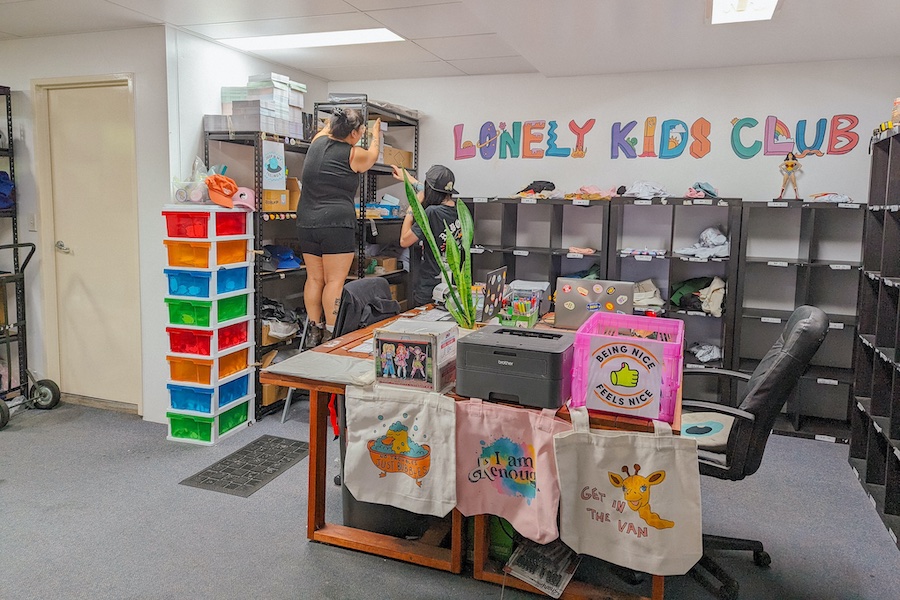
From a bedroom startup to 3,000 designs: How Lonely Kids Club built its business with DTG printing

Founded in Sydney in 2011, independent clothing label Lonely Kids Club has grown from a bedroom startup into a business offering around 3,000 graphic T-shirt designs. With its own production studio, direct-to-garment printing and a demand-driven manufacturing model, the company demonstrates how smaller apparel brands can combine creative independence with flexible production – while navigating the everyday challenges of quality control, workflow efficiency and sustainability.

#Digital Printing

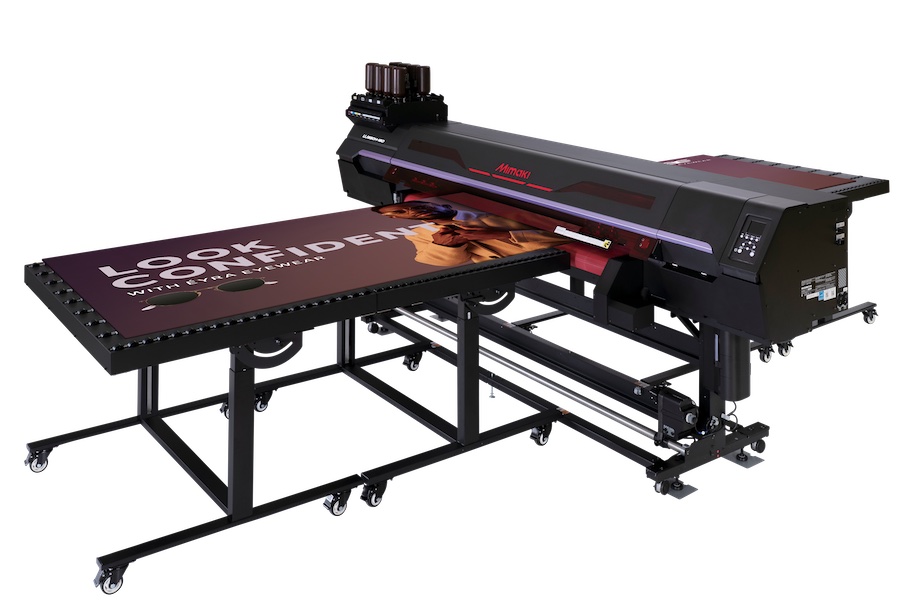
Mimaki highlights growing demand for hybrid UV printing across European markets

Insights from Mimaki's European partner network reveal how hybrid UV printing is responding to different regional market needs, driven by growing demand for flexible, application-oriented printing technologies.

#Digital Printing

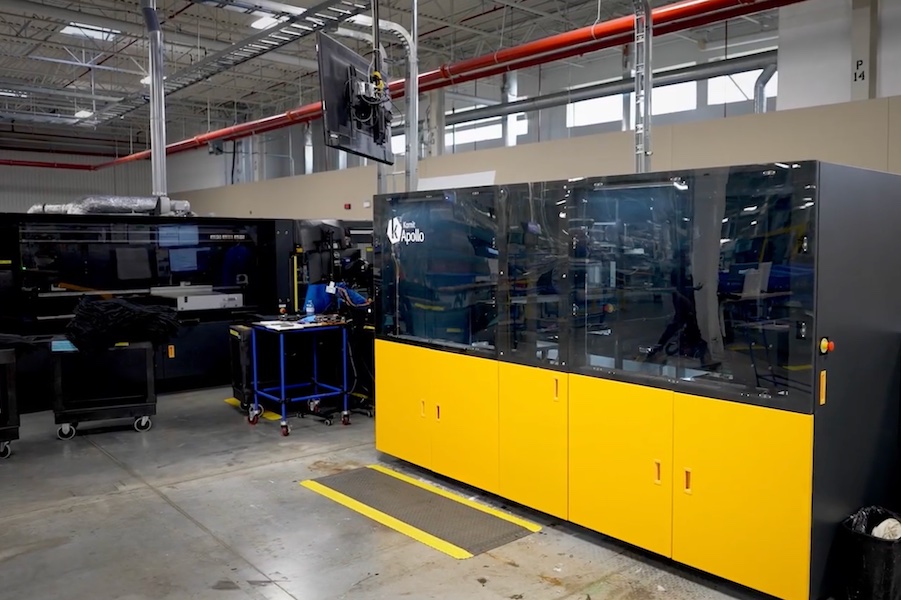
VistaPrint increases apparel production capacity with Kornit Apollo

Kornit Digital (NASDAQ: KRNT), a provider of on-demand digital textile production technologies, reports that VistaPrint has significantly increased its apparel production capacity through the implementation of the Kornit Apollo system. The installation has enabled the international print and design company to add approximately 25,000 units of weekly production capacity while improving production speed, operational efficiency and order turnaround times.

Latest News

#India ITME 2026

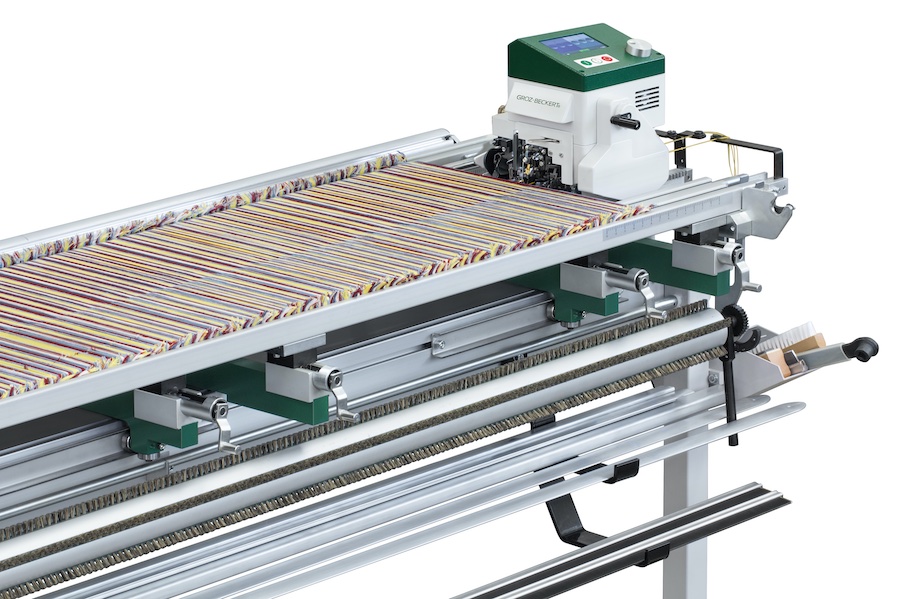
Groz-Beckert targets energy efficiency, productivity and process reliability across six textile technology sectors at India ITME 2026

At India ITME 2026 in Greater Noida from 4 to 9 December, Groz-Beckert will present its latest innovations across all six product areas – Knitting, Weaving, Nonwovens, Sewing, Tufting and Spinning. At Hall 14, Booth B6, the German textile technology specialist will showcase advanced components, systems, services and digital solutions designed to improve energy efficiency, productivity, process reliability and textile quality while addressing the increasingly diverse requirements of modern textile manufacturing.

#Knitting & Hosiery

Monarch extends its Woven Look knitting technology from mattress ticking to apparel and performance textiles

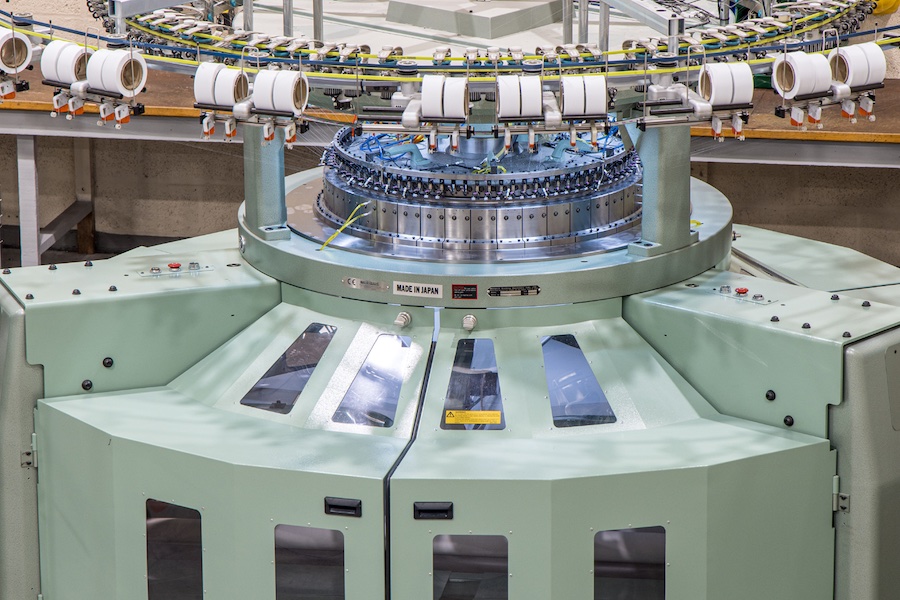
A fabric technology originally developed to reproduce the appearance of woven mattress ticking by Monarch Knitting Machinery, a member of the British Textile Machinery Association (BTMA), is finding new applications in apparel. With the introduction of its 36-gauge OD5B-M-7ED44 double-knit machine, Monarch is expanding the possibilities for producing fine knitted structures that closely resemble woven textiles while retaining the stretch and comfort associated with knitting.

#Textiles & Apparel / Garment

VIATT 2027 names Thailand as its inaugural Partner Country

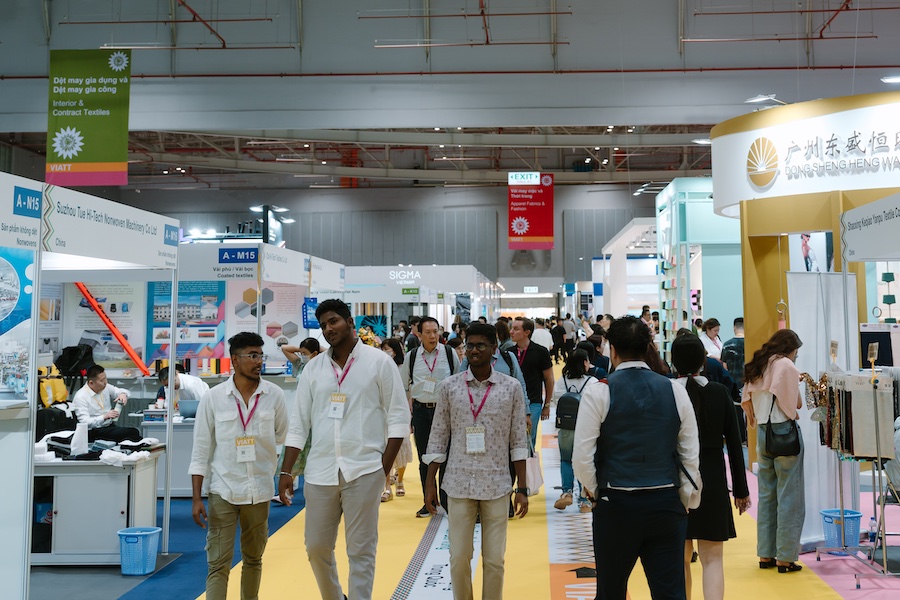
Thailand will take centre stage as the inaugural Partner Country at the Vietnam International Trade Fair for Apparel, Textiles and Textile Technologies (VIATT), returning to Ho Chi Minh City from 24 to 26 February 2027. Featuring a pavilion, dedicated product displays and various fringe events, the Partner Country programme will showcase Thailand’s textile and fashion capabilities, complementing an exhibitor line-up spanning VIATT’s three sectors. Alongside this new cooperation, eight additionally confirmed country and region pavilions and zones are set to strengthen the fair’s international offering.

#Recycling / Circular Economy

IVGT presents initial findings from the Erasmus+ project Skills4Circularity

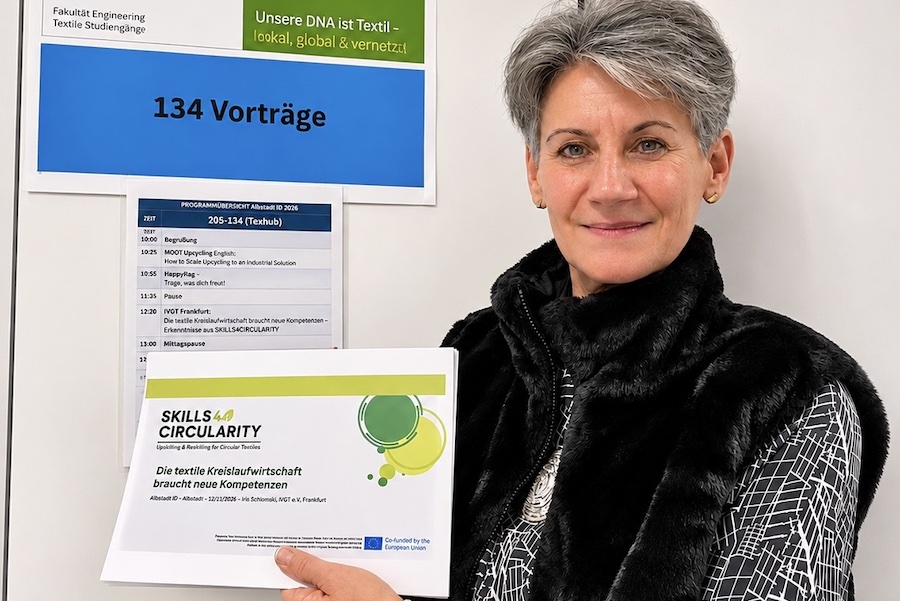
At Albstadt ID 2026, hosted by Albstadt-Sigmaringen University of Applied Sciences, IVGT project manager Iris Schlomski presented initial findings from Skills4Circularity on 12 November 2026. She opened her presentation with an estimate from the European Environment Agency: the EU generated around seven million tonnes of textile waste in 2022. The Erasmus+ project brings together 21 partners from twelve countries to identify the skills textile and clothing professionals need to design more durable products, use fewer resources in production and recover fibres after use.

TOP