[pageLogInLogOut]

#Composites

Autoneum expands its presence in the Asian growth markets China and India
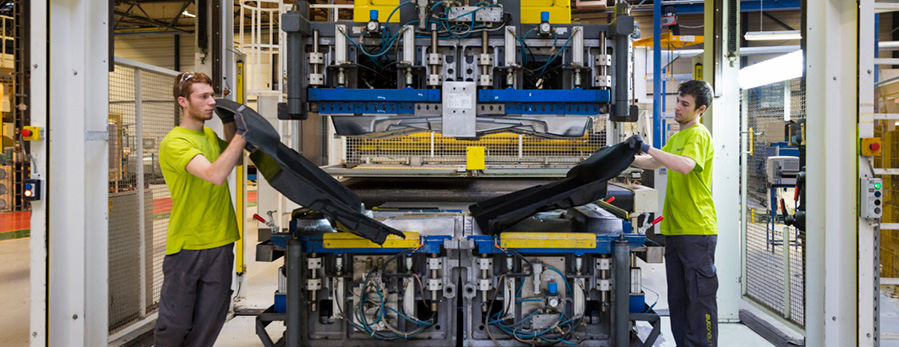
(c) 2024 Autoneum, Production of a tufting carpet in Genk (BE)
Autoneum is expanding its production capacities in Asia with two new plants in Changchun in the Chinese province of Jilin and Pune in Western India. The expansion is in line with the Company’s strategic focus on future profitable growth with a special emphasis on Asian growth markets.

The world’s largest automotive market Asia is one of the most important sales regions for vehicle manufacturers and suppliers as well as a pioneer for new forms of e-mobility. Autoneum already supplies both international and local vehicle manufacturers in Asia with multifunctional lightweight components for noise and heat protection, supporting them in their commitment to sustainable mobility. Autoneum is expanding its production capacities in the key automotive hubs of China and India to increase its presence and thus its proximity to customers in these important production centers.

Autoneum’s new plant in China, which will be operated as a joint venture, will be located in Changchun in the northern Chinese Jilin province, which is one of Asia’s largest car production centers. The proximity to key local and international vehicle manufacturers makes Changchun a strategically important and attractive location for Autoneum. The plant will help to increase market share with European, Japanese and Chinese car manufacturers with products for light vehicles and also support the expansion of the Company’s business with components for commercial vehicles in this region. Construction of the building, which will span 5 000 square meters and feature state-of-the-art production equipment, has already begun and is progressing according to plan. The project is supported by the local authorities in China. From the end of 2024, the plant will ramp up production with first samples for already awarded business for inner dashes, interior floor insulators and other NVH (noise, vibration, harshness) components for cars of all drive types.

Autoneum is furthermore expanding its local presence in Western India with a fully owned production facility in Pune in the state of Maharashtra. The Company already operates two locations in India: one in Behror near New Delhi in the north and a joint venture plant in Chennai in the south. Thanks to the new Pune plant, Autoneum will now be present in the north, west and south of the country and gain access to the third of four major automobile production centers in India. Orders have already been received and the plant in Pune will start manufacturing carpet systems, interior trim, wheelhouse outer liners, e-motor covers and other noise protection components as of the second quarter of 2024. From the 7 500 square meter building, which includes state-of-the art production facilities and processes, Autoneum will supply international as well as local car manufacturers with a particular focus on Indian and Korean vehicle manufacturers.

“With our two new production facilities in China and India, we can meet the growing demand from car manufacturers in Asia for our lightweight and multifunctional components. At the same time, we are strengthening our position in Asia, which is an important growth market for the automotive industry and therefore for Autoneum,” says Andreas Kolf, Head Business Group Asia.

Both locations will contribute to growing the Company’s revenue and earnings as part of the medium-term growth strategy in Asia.
More News from Autoneum

#Technical Textiles

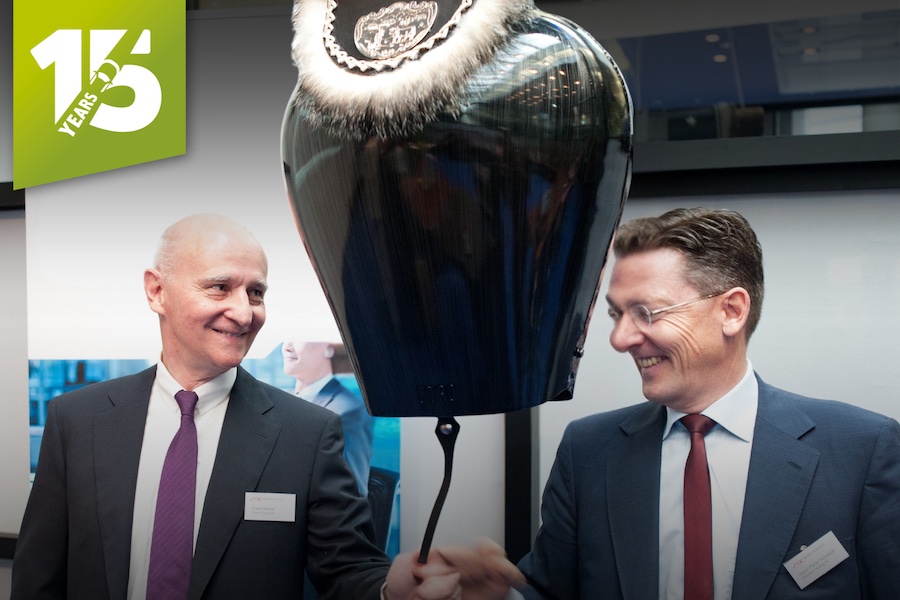
Fifteen years of Autoneum – From spin off to global technology leader

What started as a strategic carve‑out has since become the success story of a global technology leader in acoustic and thermal management solutions for vehicles. Headquartered in Winterthur, Switzerland, Autoneum supplies leading automobile manufacturers worldwide with innovative, lightweight and increasingly sustainable solutions.

#Technical Textiles

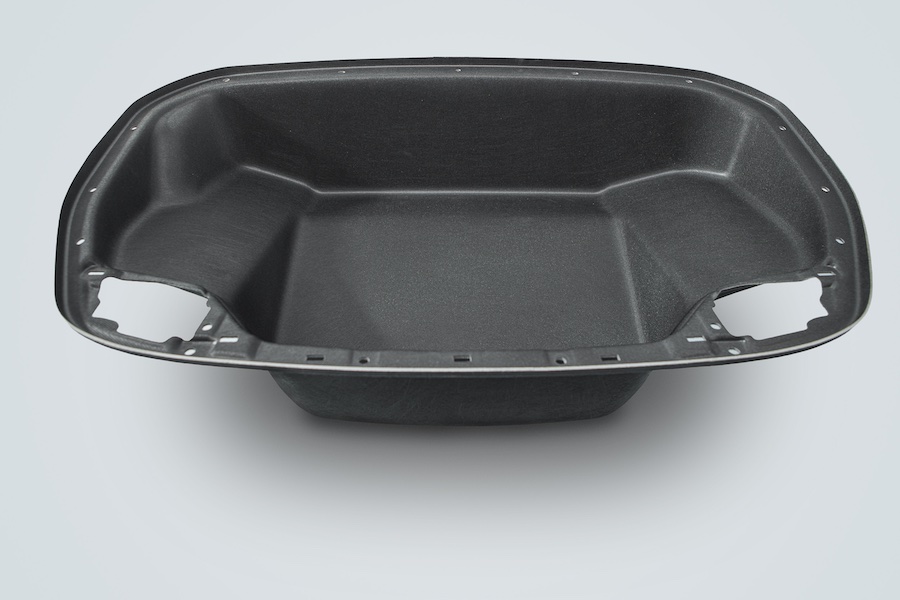
Sustainable, lightweight, and sound absorbing: Polyester-based front trunk solution for BEVs

As car manufacturers look to further reduce their carbon footprint, Autoneum has developed an innovative front trunk solution for battery electric vehicles (BEVs), made entirely from polyester-based textile. The Ultra-Silent Frunk offers significant weight reduction, improved acoustic and thermal insulation, and uses up to 70 percent recycled material, supporting sustainable and efficient vehicle design. Autoneum, global technology leader in acoustic and thermal management for vehicles, has already received orders for the new frunk from three major OEMs in Asia and Europe to be built in three BEV models. Series production for two BEVs has been underway in China and Germany since last year.

#Technical Textiles

Autoneum reports solid revenue, achieves strong EBIT margin of well above 5 percent in fiscal year 2025

Despite a challenging market environment, Autoneum reached key strategic milestones in fiscal year 2025. With two acquisitions in China, the Group significantly strengthened its position in the strategic growth market of Asia. Revenue consolidated in Swiss francs totaled CHF 2’290.6 million (2024: CHF 2’338.7 million). In local currencies, revenue increased to CHF 2’393.3 million.

#Technical Textiles

Autoneum and Polestar set new benchmarks for passenger experience and sustainability

As the global market leader in sustainable acoustic and thermal management, Autoneum is a key supplier of interior and exterior components for the highly anticipated Polestar 5 model. The successful collaboration between Autoneum and Polestar marks a significant milestone in sustainable automotive engineering: the electric grand tourer sports car features several innovations in lightweight, fully recyclable polyester-based components that ensure a superior driving experience. Polestar 5 was revealed at the IAA Mobility 2025 in Munich and is available in 24 markets.

More News on Composites

#Research & Development

Novel flame-retardant and recyclable fiber-reinforced composite

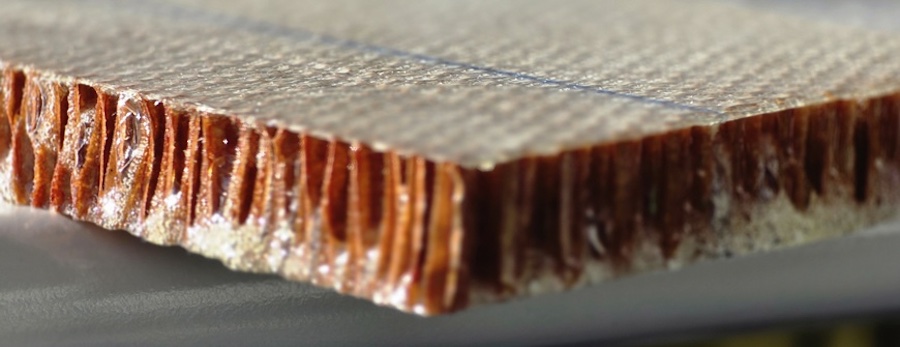
Airplanes and passenger trains must meet strict safety requirements, including fire safety standards. This calls for materials that are flame-retardant, lightweight, robust, and scalable. Empa researchers, in collaboration with their industry partner Elantas, have now succeeded for the first time in making such a material – a composite – fully recyclable.

#Composites

WHILL selects Teijin’s tough, lightweight Carbon Fiber Composite for new last-mile mobility

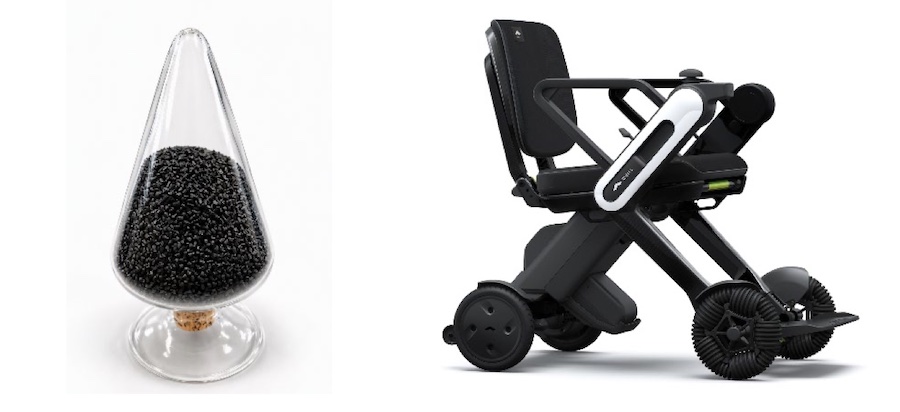
Teijin Limited announced today that WHILL Inc., a global leader in inclusive mobility technology, has selected Sereebo® P CFP series, a carbon fiber-reinforced thermoplastic (CFRTP) material, for key structural components of the upcoming WHILL Model C Lite. Sereebo® P CFP series provides high strength, light weight, design flexibility and system cost advantages to the Model C Lite, which is a battery powered, single-seat, last-mile device. This new model combines maneuverability with light weight and one-handed folding to ensure ease of handling and operation.

#Composites

Fewer pores, greater impact tolerance: Peter Dornier Foundation Prize 2026 honours material research on fibre-reinforced composite components for aerospace industry

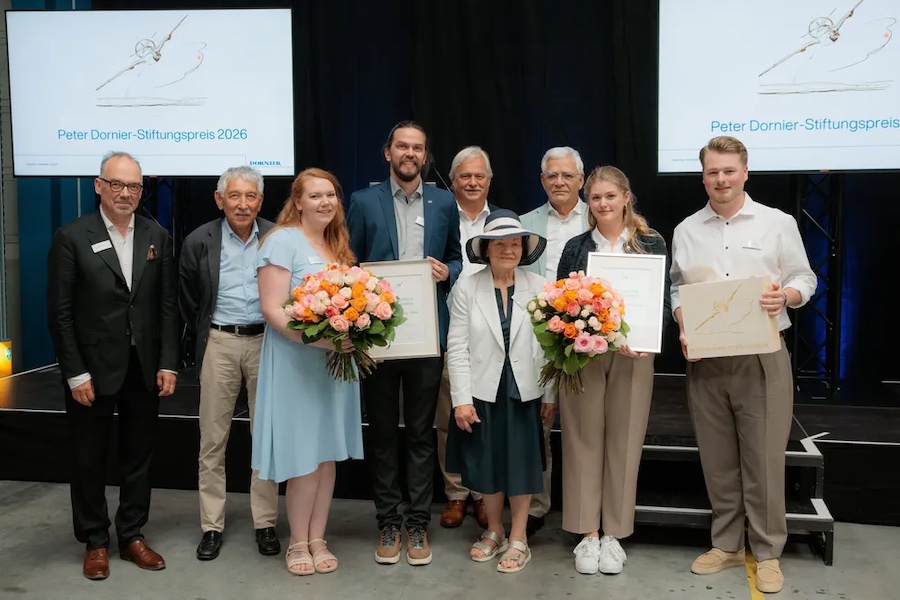
Microscopically small pores that form during manufacture, or barely visible impact damage, can severely impair the load-bearing capacity and service life of fibre-reinforced composite components. Two young researchers have presented groundbreaking work in this field and will both be awarded the 2026 Peter Dornier Foundation Prize: Dr.-Ing. Benedikt Neitzel from the Technical University of Ilmenau for his doctoral thesis on pore minimisation in the RTM process, and Johanna Buschmann, M.Sc., for her master’s thesis, completed at the German Aerospace Centre, on the improved impact tolerance of 3D fabrics compared to 2D laminates.

#Composites

Carbon Revolution wins Composites Australia Engineering Team Excellence Award

Carbon Revolution has won the Engineering Team Excellence Award at the 2026 Composites Australia Annual Industry Awards.

Latest News

#Weaving

Lindauer DORNIER GmbH welcomes new apprentices and dual-study students

For 22 new “DORNIER Talents”, these days mark the beginning of a new chapter at Lindauer DORNIER. For the family-owned company, in-house training is a key pillar in developing skilled professionals and retaining them within the company for the long term.

#Raw Materials

Cotton Brazil Dialogues 2026 concludes with 50 international participants immersed in Brazilian cotton production

The Cotton Brazil Dialogues concludes its 2026 edition after a series of technical visits to farms, cotton gins and reference centers, as well as workshops focused on Brazilian cotton production. A total of 50 participants from 14 countries took part in the field trips. The initiative is led by the Brazilian Association of Cotton Growers (Abrapa) and the National Association of Cotton Exporters (Anea), with support from the Brazilian Trade and Investment Promotion Agency (ApexBrasil).

#Textile chemistry

ZymoChem secures $4 million in renewed federal funding to advance U.S. biomanufacturing of critical materials and their supply chains

ZymoChem, the specialty chemicals company dedicated to bringing decarbonization, sustainability, and supply chain resiliency to the chemical industry through innovative biological manufacturing, today announced the resumption and expansion of its federal research portfolio. The company has been notified that previously paused work under a $5 million U.S. Department of Energy (DOE) program is officially back on, to be joined by continuing collaborations with three of the nation's premier national laboratories.

#Technical Textiles

RDJ 6/2 in E 32: Finesse in Motion

The appearance of sports and casual shoes is as diverse as their applications, ranging from sporty to stylish and from functional to fashionably practical. In particular, spacer fabrics produced on highly flexible KARL MAYER double needle bar raschel machines with Jacquard technology are in high demand for manufacturing these trendy shoes. These efficient production machines enable attractive designs with integrated multifunctional zones on one or both fabric surfaces, such as breathable mesh structures. Flexible in size and positioning, these features enhance both aesthetics and wearing comfort.

TOP