[pageLogInLogOut]
USTER Think Quality

#Yarn & Fiber

Lenzing AG welcomes the European Commission’s Clean Industrial Deal

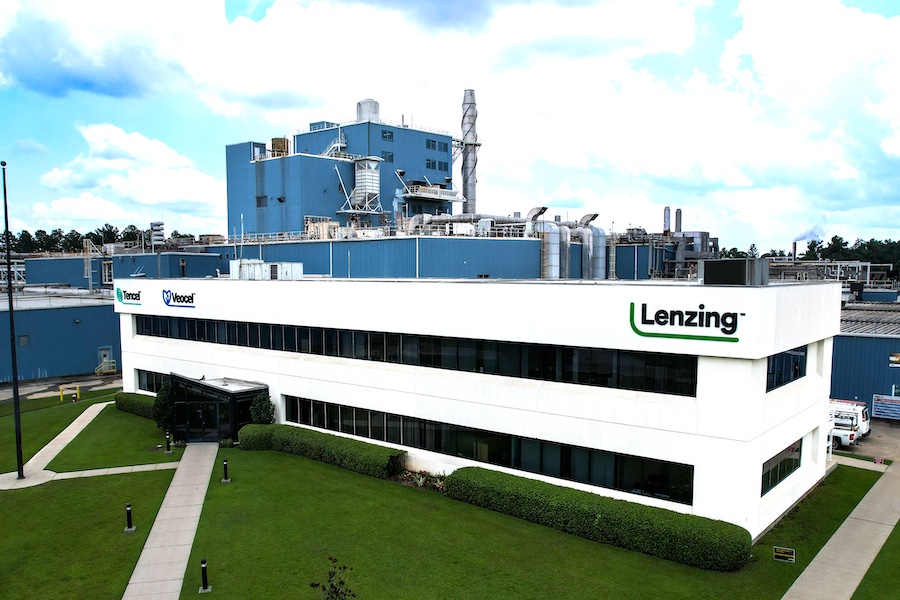
The Lenzing Group, a leading supplier of regenerated cellulose fibers for the textile and nonwovens industries, welcomes the European Commission’s Clean Industrial Deal, which aims to pave the way for a sustainable, climate-neutral and competitive industry. Commission President Ursula von der Leyen discussed the initiative on Wednesday, February 26, 2025, together with 400 business leaders, including the CEO of the Lenzing Group, Rohit Aggarwal, in Antwerp (Belgium). The industry is calling on EU heads of state and government to take urgent measures in all EU member states without delay ahead of the upcoming European Council meeting in March.


“International trade tensions, volatile energy markets, and the need to decarbonise industries demand urgent collective action. We must continue to support Europe’s green leadership and ensure that those investing in sustainability are incentivised. We must act now, work together and translate ambition into tangible results”, emphasizes Rohit Aggarwal, CEO of Lenzing Group. “The Clean Industrial Deal is an important initiative for Europe’s industrial and sustainable future. It will strengthen Europe’s net-zero industry, expand green technology manufacturing, and enhance industrial competitiveness.”

One important aspect is access to affordable and clean energy, which is crucial for the global position and competitiveness of the industry.

“We appreciate the Commission President taking the time to join us today in Antwerp to present the Clean Industrial Deal. Nine out of ten calls of the Antwerp Declaration have been addressed. We need to transform Europe’s ambition ‘to be’, into a determination ‘to do’. Every day, Europe is falling behind its goals, and is losing quality jobs for our current and future generations of workers. In the turbulent times we are in we need bold action from the European Leadership,” said Ilham Kadri, President of the European Chemical Industry Council, Cefic.

Europe’s industries are facing historical challenges: declining demand, stalled investments, reduced capacity, and EU gas prices at 4 to 5 times higher than its competitors. Between 2023 and 2024, Europe’s manufacturing output – a sector employing over 31 million people – dropped another 2.6 percent. While for the chemicals industry – the industry of industries – Cefic’s recent study emphasised the severity, with over 11 million tons of capacity announced to be closed between 2023 and 2024, affecting 21 major sites.

To overcome these challenges, back in February 2024, 73 business leaders presented the Antwerp Declaration to Commission President, Ursula von der Leyen and former Belgian Prime Minister Alexander De Croo. The Antwerp Declaration lays out 10 concrete actions to restore the business case for investments, to implement Europe’s sustainability ambitions and safeguard quality jobs in Europe. It is now signed by over 1,300 signatories.

“Reading the Clean Industrial Deal, we need the Commission to focus, prioritise the three key actions that improve our situation already this year and put all power, boldness and bravery in the European Commission behind these. And give us a realistic planning for the remaining actions. When we say actions, we mean action, not strategies, policies or plans. Leave no stone unturned and break all taboos. We need the situation to change.” Marco Mensink, Cefic Director General.

“Cefic calls on all new EU initiatives to be evaluated against the following criteria: Do they keep Europe safe and independent, reduce energy prices, ease the administrative burden on companies, attract investments to Europe, create markets for sustainable products, and safeguard quality jobs in Europe? If the answer to any of these questions is no, EU policymakers should reconsider and revise the proposal accordingly.”

The Antwerp Declaration remains an urgent call to revitalise Europe’s industrial landscape. Europe’s industries stand ready to do their part and continue supporting policymakers in building a competitive, resilient and sustainable future in Europe amid shifting geopolitics.
More News from Lenzing

#Nonwovens

Lenzing invests EUR 27 million in US facility to expand specialty fibers for nonwovens

The Lenzing Group is investing EUR 27 million (USD 31 million) to expand specialty fiber production capabilities at its lyocell fiber site in Mobile, Alabama, USA. The investment forms part of the company’s “Grow NW. Reset TX.” strategy and will strengthen its global Nonwovens business, with a particular focus on short-cut fibers and customized wood-based solutions for specialty applications.

#Man-Made Fibers

Lenzing improves profitability as strategic transformation gains momentum

The Lenzing Group reported improved operating profitability in the first nine months of 2026 despite declining revenue and a challenging market environment. Revenue decreased by 2.3 percent to EUR 1.93 billion, while adjusted EBITDA remained stable at EUR 353 million. The adjusted EBITDA margin increased from 17.9 percent to 18.3 percent, reflecting progress in the company's strategic transformation under its “Grow Nonwovens. Reset Textiles.” strategy.

#Man-Made Fibers

Lenzing and Kaihara to debut REMOD denim collection at Kingpins Amsterdam

The Lenzing Group, a global producer of wood-based fibers for the textile and nonwovens industries, has partnered with Japanese denim manufacturer Kaihara Corporation to launch the “REMOD Collection”. The collection combines three of Lenzing's fiber offerings for denim applications: TENCEL™ Lyocell Standard, TENCEL™ Lyocell – HV100 and TENCEL™ Lyocell dtex 2.2.

#Man-Made Fibers

Lenzing shareholders approve €300 million capital increase

Shareholders of Lenzing AG have approved a capital increase of approximately €300 million, providing financial support for the company's recently announced "Grow Nonwovens, Reset Textiles" strategy.

More News on Yarn & Fiber

#India ITME 2026

Uster to present novel solutions at India ITME 2026

Tackling contamination is a critical quality target in yarn production – and Uster now enables spinners to make the right choices for optimized profitability, with top technology, precise data and integrated analysis across the entire process. The new Uster Contamination Control solution and latest Uster Vision Shield 3i put spinners in command of contaminant removal, ensuring yarn quality, minimizing waste and protecting profits. These exciting developments – and even more news – will be featured at India ITME 2026.

#Recycled Fibers

C&A and Zalando join Altag® Fiber Club to accelerate adoption of agricultural waste-based fibres

Fashion for Good and AltMat announced today that C&A and Zalando have joined the Altag® Fiber Club as its first brand signatories, marking a critical commercial milestone in the journey to mainstream adoption of next-generation fibres derived from agricultural waste.

#Man-Made Fibers

Kraig Biocraft Laboratories launches performance yarn development program based on spider silk

Kraig Biocraft Laboratories has launched a development program for high-performance yarns based on its recombinant spider silk technology. The initiative follows the company's first commercial shipment of a custom spider silk yarn to a performance apparel customer and includes the delivery of spider silk samples to a textile technology company with experience in aerospace-related material development.

#Recycled Fibers

Circ and Huafon partner to scale textile-to-textile recycling in China

Circ® and Huafon, a leading spandex producer in China, are partnering to build and scale a new multi-phase textile-to-textile recycling site in China, expanding Circ's global pathway to industrial scale. The project will be located within Huafon's industrial footprint and will use Circ's technology to process polycotton textile waste and recycle both inputs, recovering recycled PTA, recycled MEG and recycled cellulosic pulp for use in new textiles. The site will be developed in phases, with Phase 1 designed for approximately 200 metric tons of textile waste per day and additional capacity planned.

Latest News

#Textile processing

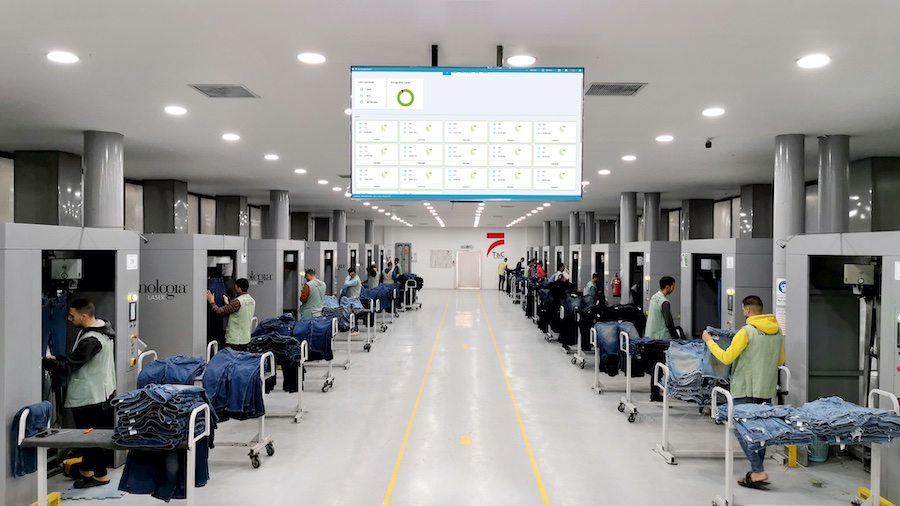
Jeanologia combines digitalisation, laser and ozone technology to strengthen China’s textile competitiveness

At ITMA Asia + CITME 2026 in Shanghai, Jeanologia showcased how the combination of digitalisation, laser technology and G2 Ozone can help China’s textile industry improve productivity, speed, quality and efficiency. With its Compact Super Flash laser system and integrated production concepts, the Spanish technology specialist demonstrated how connecting product development and industrial production can enable faster, more automated and sustainable manufacturing processes.

#Textile chemistry

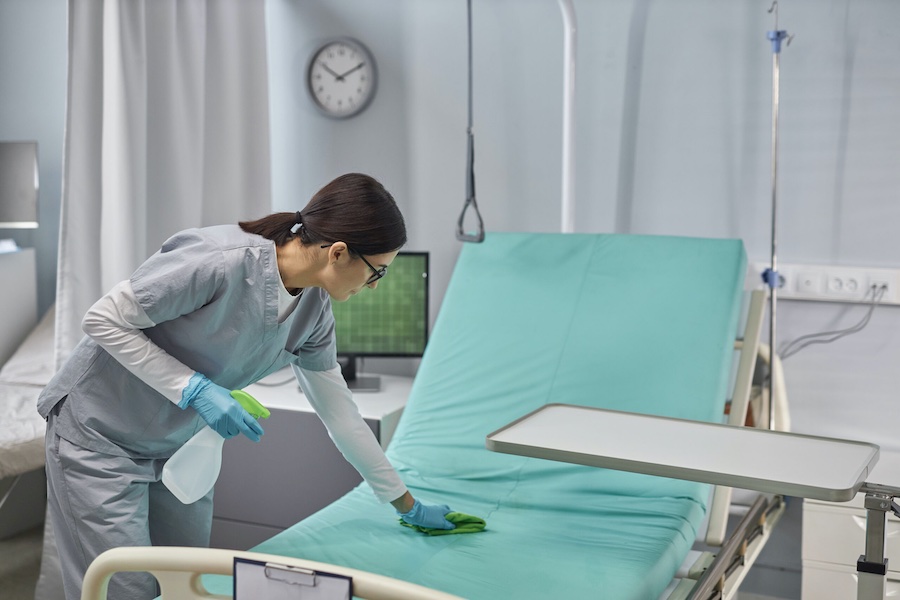
Flame protection and OEKO-TEX® certification: Gulec Chemicals clears an important hurdle

Three halogen-free flame retardants from German specialist Gulec Chemicals have been included in the OEKO-TEX® list of accepted Active Chemical Products (ACP). The listing opens up additional opportunities for textile finishers, coaters and manufacturers of technical textiles seeking to combine demanding fire protection requirements with certification according to OEKO-TEX® STANDARD 100.

#Dyeing, Drying, Finishing

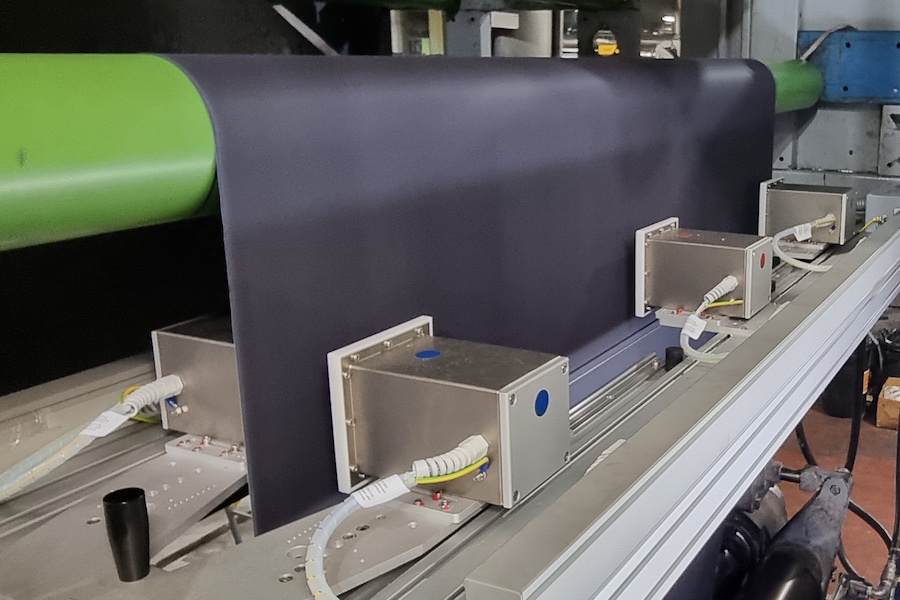
PLEVA improves dyeing consistency with inline microwave measurement of liquor pick-up

Consistent shades are essential in continuous textile dyeing. Yet variations in fabric absorbency or uneven padder pressure can go unnoticed until the end of the line. By then, hundreds of metres of fabric may already be affected and may become second-choice or rejected.

#Recycling / Circular Economy

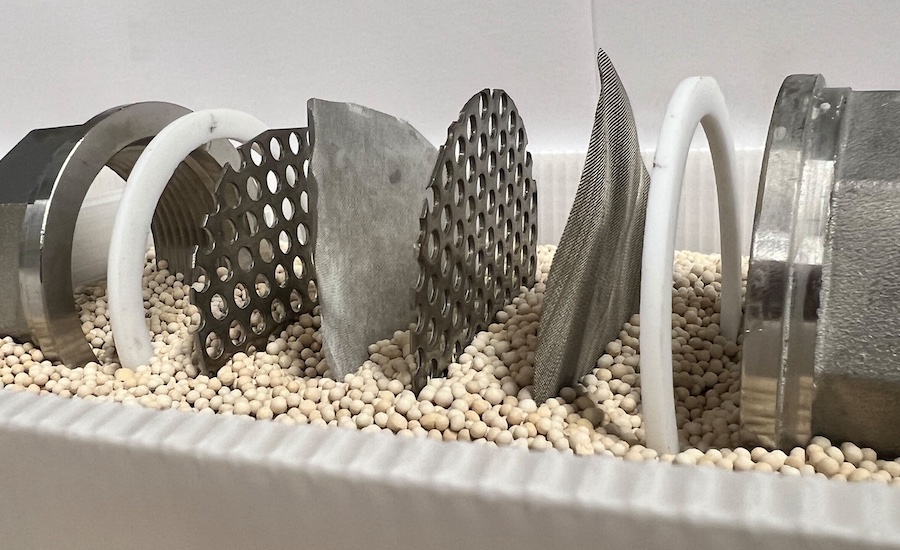
DITF establishes CYCLOTEXUM recycling center to advance mechanical and solvent-based textile recycling

As part of the CYCLOTEXUM research project, the German Institutes of Textile and Fiber Research Denkendorf (DITF) established the CYCLOTEXUM recycling center. There, in collaboration with industry partners, the center develops application-oriented solutions for mechanical and solvent-based recycling processes. The technologies developed make a significant contribution along the textile value chain toward the efficient use of textile resources in the future and the transition of production in the German textile sector to a circular economy. The project was funded by the Ministry for the Environment, Climate and Energy Sector of the State of Baden-Württemberg.

TOP