[pageLogInLogOut]

#Textiles & Apparel / Garment

Holding Textile Hermès and its fashion textile brand Bucol are now GOTS certified

© 2022 Bucol
Bucol, house of exceptional fabrics for almost one hundred years, obtained GOTS Certification due to its belonging to the Holding Textile Hermès and reaffirms its eco responsible commitment towards a more sustainable fashion world.

Since its beginnings, Bucol has been committed to offer its clients’ high-end textiles with an exceptional level of quality. Its people are at the center of its creative process, anchored in modernity and in the universes of fashion and accessories. Bucol appeals to the rarest expertise of the Lyon region such as the warp print technique or knife cut velvet and works with the best craftsmen either from its own house or from its external partners. Because of this, Bucol is naturally moved by ethical and environmental issues.

The GOTS certification on Bucol silk and cotton products comes as an added value to its Oeko-Tex Certification which was obtained for the print and finishing ateliers of the Holding Textile Hermès. “Our goal is to live with values of present time, to contribute to an effort of producing textiles with respects towards our grounds and therefore more virtuous for future generations”, explains Florent Wongeczowski, director of operations for Bucol.


GOTS certified products sold by Bucol means that silk and cotton fibers are coming from organic production, that chemical substances used are carefully selected to be less harmful for Mankind and nature, that a rigorous traceability is followed during production processes or that precise social criteria are respected. This approach follows a larger environmental engagement within the Holding Textile Hermès with a clear planification of objectives and actions such as recycling waste or training employees to environmental issues.

This new era is the perfect opportunity for Bucol to reedit its iconic fabrics (taffetas, charmeuse, muslins) in a GOTS version.

Bucol did not wait to obtain the GOTS certification to answer environmental issues, since several years the house offers fabrics made from viscose and acetate fibers certified FSC, from recycled materials and promoted upcycling with several fashion brands.

Holding Textile Hermès which Bucol belongs to has been GOTS certified by Ecocert under license number 228603.

More News from TEXDATA International

#ITM 2026

ITM 2026: The new geography of textile production

New production hubs are emerging across North Africa and Central Asia, while Türkiye is accelerating its transformation toward higher-value, technology-driven and more sustainable textile manufacturing.

#Research & Development

“Production is a product”

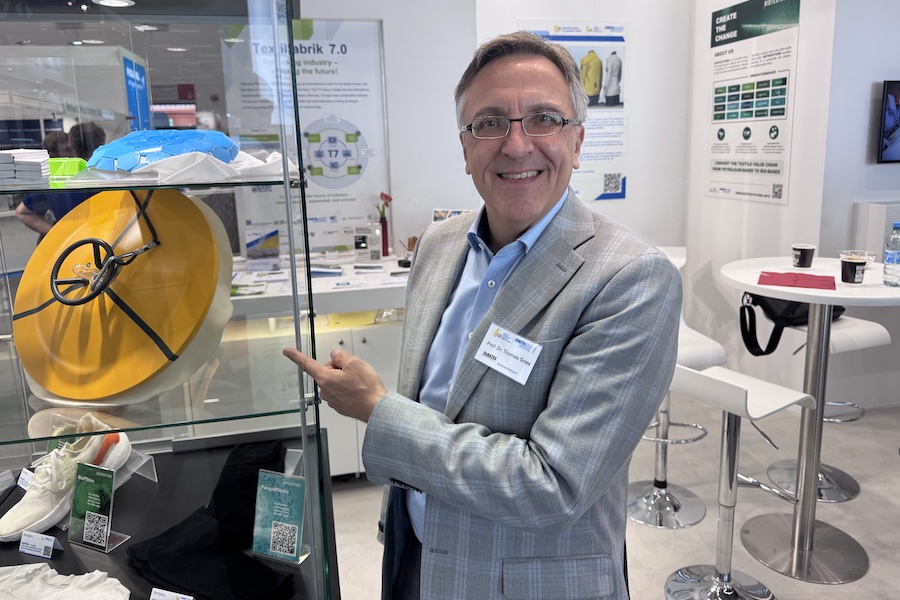
From technical textiles and AI-driven robotics to the limitations of textile circularity: Professor Dr Thomas Gries looks back on more than two decades of development at ITA Aachen. In the interview, he explains why production technology remains a decisive success factor, discusses international collaborations and innovation ecosystems, and shares his views on the transformation of production landscapes and the challenges facing an increasingly regulated industry.

#Knitting & Hosiery

“We need to move away from the price trap and return to a value-driven mindset.”

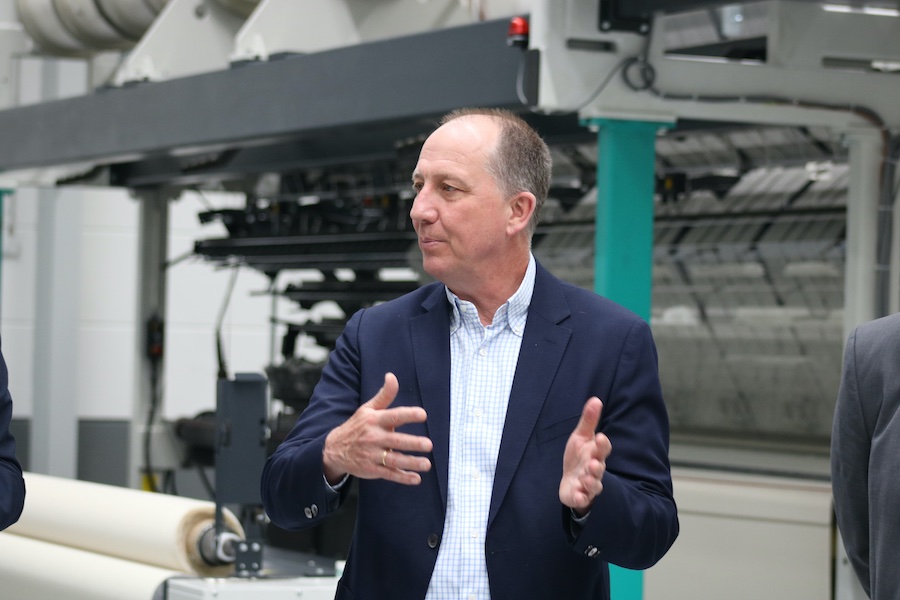
With its new Textile Innovation Center, KARL MAYER is sending a strong signal for innovation, collaboration, and the future of textile applications. In this interview, Karl Josef Mayer discusses new opportunities in warp knitting, the processing of staple fibres, recycling, the changing role of machinery manufacturers, and why the textile industry must once again focus more strongly on the value of textiles. by Oliver Schmidt

#Associations

“Innovation, resilience and international experience remain the great strengths of the Swiss textile machinery industry”

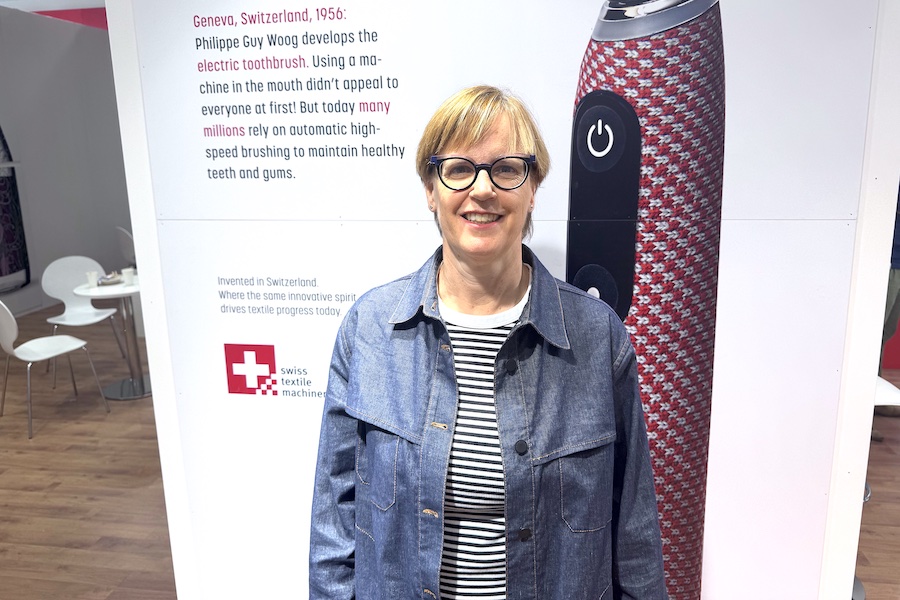
Geopolitical uncertainty, growing competitive pressure from China, new free trade agreements and the shift towards a circular economy are currently reshaping the global textile industry. In this interview, Cornelia Buchwalder discusses the current mood within the Swiss textile machinery sector, the industry’s distinctive innovative strength, new market opportunities in India and Asia, and the technological trends that could shape the upcoming trade fair cycle leading up to ITMA 2027.

More News on Textiles & Apparel / Garment

#Sustainability

Textile Exchange 2026: From sustainability commitments to industry-wide action

More than 1,300 participants and over 90 speakers gathered in Vancouver to discuss how the textile and apparel industry can move from planning to implementation, with a focus on resilient supply chains, circularity, regenerative agriculture and collaboration.

#Textiles & Apparel / Garment

Vietnam’s market evolution creates new sourcing opportunities at VIATT 2027

As Vietnam’s textile industry continues to upgrade and scale, new opportunities are emerging for suppliers of advanced raw materials, design-led fabrics, production technologies, and sustainability solutions. The Vietnam International Trade Fair for Apparel, Textiles and Textile Technologies (VIATT) will return 24 – 26 February 2027, presenting a cross-sector platform – spanning apparel, home and technical categories – for overseas companies to connect with manufacturers, brands, sourcing offices, retailers, and industry buyers from Vietnam, ASEAN, and beyond.

#Industry 4.0 / Digitalization

Jeanologia presents expanded EIM platform and COMMON GROUND collection at Kingpins Amsterdam

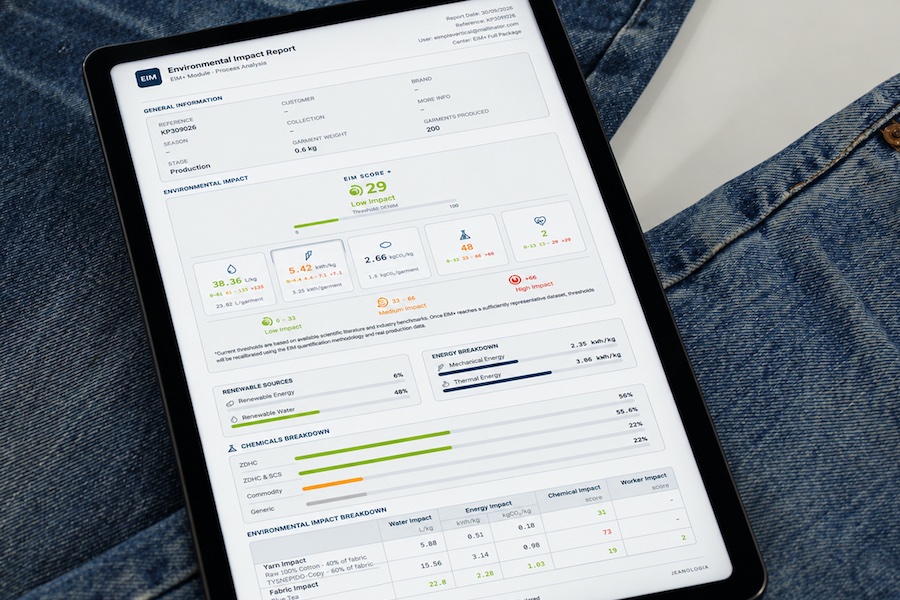
Jeanologia is presenting two approaches to textile product development at Kingpins Amsterdam on October 14–15: measuring the environmental impact of textile production and exploring new creative possibilities through garment finishing technologies.

#Recycling / Circular Economy

The Or Foundation, adidas, BESTSELLER, H&M Group, and Inditex launch Apparel Recovery Coalition, responding to impacts of post-consumer textile exports

adidas, BESTSELLER, H&M Group, Inditex and The Or Foundation, with support from Circle Economy, unveiled the Apparel Recovery Coalition (ARC). The coalition will explore how producer responsibility systems can support circular pathways such as reuse, upcycling, recycling, and responsible waste management in countries that receive large volumes of exported secondhand apparel.

Latest News

TOP