[pageLogInLogOut]

#Textile chemistry

HeiQ launches HeiQ Mint for botanical odor control

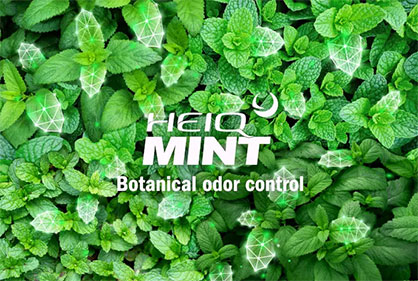
Textile innovation leader, HeiQ takes advantage of its presence at ISPO Munich 2022, 28th-30th of November, to launch HeiQ Mint, the new proprietary odor control technology based on a blend of essential mint oils. The plant-based technology is designed to make textiles smell fresh even after repeated usage, avoiding the need for frequent washes, thus enabling consumers to save water and energy.

HeiQ announces the launch of HeiQ Mint, a brand for biobased odor control textile technology that provides effective and lasting freshness for clothing and home textiles. The new technology is jointly developed with Patagonia to keep textiles fresh for longer and reduce the need for washing.
© 2022 HeiQ
© 2022 HeiQ


HeiQ Fresh MNT-01, under the HeiQ Mint product family, was jointly developed with Patagonia. The technology was developed and refined since more than a year ago. It has been tested in laboratory and validated by wearer trials. HeiQ Mint addresses body odors on textiles and this function regenerates at every wash, with superior efficiency and durability that meets most end-use performance requirements. All other fabric properties such as breathability, hand feel, and wicking will remain unchanged. This textile technology is OEKO-TEX® suited, bluesign approved, and ZDHC compliant, with a USDA bio-preferred certification in progress.

The wearer trial during product development was highly demanding, with HeiQ Mint standing out in comparison to the other two tested solutions. According to Laura Hoch, Patagonia’s Materials Innovation Engineer, “out of all the anti-odor technologies we tested, HeiQ Mint provided the highest odor control performance, with the added benefit of being plant-based. This innovation enables Patagonia to deliver our customers high-performing products made with the best available chemistry.”


Another advantage of HeiQ Mint is the possibility for the chemistry and treated articles to be marketed worldwide, without the need for biocidal declaration on product labels, since it is based on a blend of essential mint oils and naturally derived deodorizing ingredients.

HeiQ Mint is ideal not only for next-to-skin products such as sports apparel, underwear, linings, and casual and business wear but also for home textiles such as bed linen, pillow fabrics, and mattress textiles, both on cellulosic and synthetic fibers.


No more smelly socks or shirts

Human sweat is inherently natural to all of us and odorless, but the volatile organic compounds (smelly molecules) resulting from sweat and other components on the textiles charge a heavy toll on our noses. Sometimes a shirt or a pair of socks is tossed into the washing machine after just one use because they are too smelly to be used again.

Consumers increasingly demand for products made of natural ingredients, and better use of finite and expensive resources such as water and energy. HeiQ Mint is the latest sustainable technology that enables everyone in the value chain to be in tune with such a welcome trend. Fewer washes also mean more durable textile products and fewer laundry products and fibers discharged into the environment.

This textile innovation will be displayed by HeiQ at Hall C2 – Booth 502, at ISPO Munich 2022, in Germany, from 28th to the 30th of November.

More News from HeiQ Materials AG

More News on Textile chemistry

#Textile chemistry

PFAS restrictions drive innovation in waterproof breathable fabrics

Innovation in waterproof breathable fabrics and apparel is being driven by legislation restricting the use of per- and polyfluoroalkyl substances (PFASs) as manufacturers develop alternative membranes and finishes for use in outdoor apparel, according to “Waterproof breathable fabrics: changing legislation is driving innovation”, a 50-page report from the global business information company Textiles Intelligence.

#Techtextil & Texprocess 2028

Techtextil and Texprocess 2028 strengthen networking and business opportunities along the textile value chain

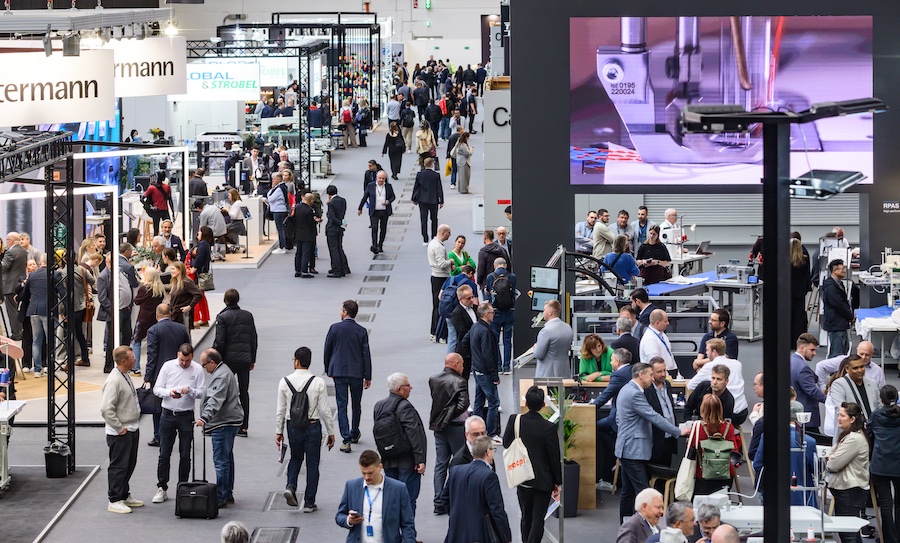
Techtextil and Texprocess are preparing for their next editions from 4 to 7 April 2028 in Frankfurt with an optimised hall layout designed to strengthen connections across the textile value chain. The new structure brings materials, production technologies and processing solutions closer together, while several leading international companies have already confirmed their participation. Exhibitors can benefit from early-booking rates until 30 November 2026.

#Textile chemistry

Archroma and Prosperity Textile to collaborate on denim innovation

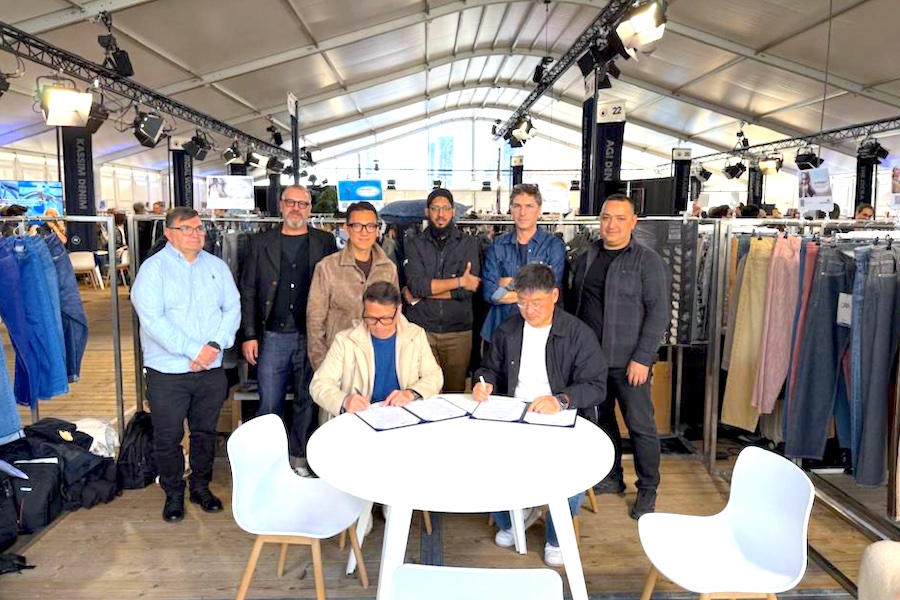
Archroma, a global leader in specialty chemicals, and Prosperity Textile, an international fabric manufacturer with production bases in China and Vietnam, have announced a partnership to drive denim innovation. They will collaborate to develop, evaluate and implement new approaches to improve denim aesthetics, durability and performance, with a shared commitment to sustainability.

#Textile chemistry

SANITIZED and RUDOLF join forces to extend textile performance and wearability

Long-lasting performance textiles require solutions that address a wide range of consumer expectations, from lasting freshness and comfort to reliable protection against the elements. SANITIZED and RUDOLF are highlighting their latest innovations, demonstrating how specialized textile technologies can support the functional durability and wearability of modern apparel.

Latest News

#India ITME 2026

Stäubli to introduce new S3292 dobby for high-speed weaving at ITME India 2026

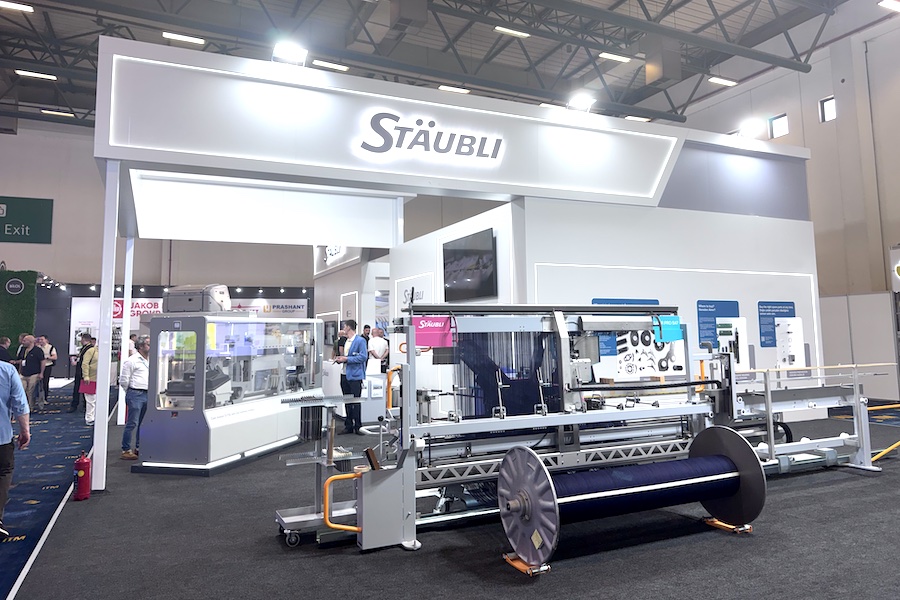
Stäubli will introduce its new S3292 dobby at ITME India 2026, taking place from December 4 to 9 at the India Expo Centre & Mart in Greater Noida, Uttar Pradesh. Designed for high-speed air-jet weaving, the new machine will be among the highlights of the company's presentation, which also includes warp preparation systems, cam motions, Jacquard technologies and digital services.

#Research & Development

DITF develops bio-based binding fibers for wood-fiber insulation materials

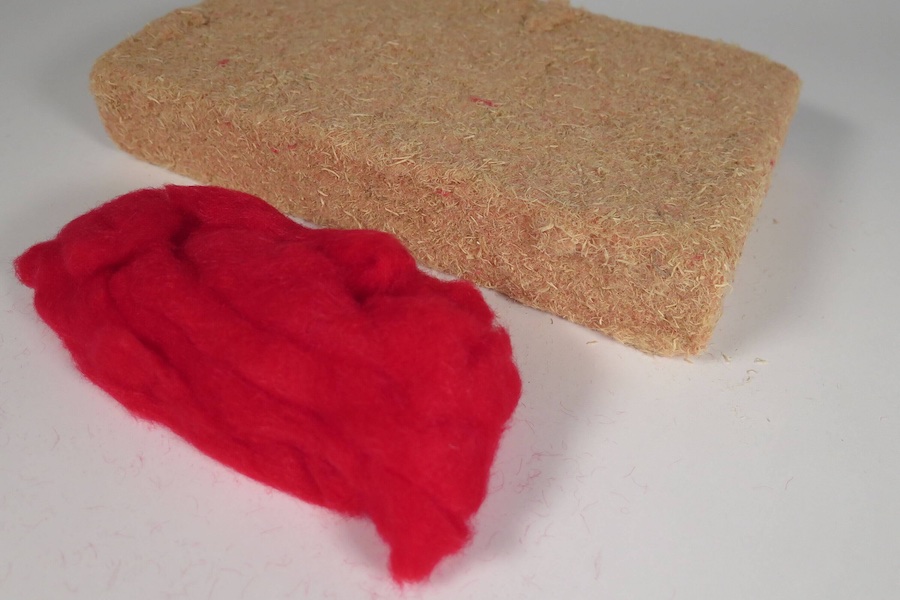
As part of the CelluWoodFlex project, the German Institutes of Textile- and Fiber-Research in Denkendorf (DITF) are developing bio-based cellulose ester fibers as alternative binding fibers for flexible wood fiber insulation materials. In addition to the spinning process and the production of suitable staple fibers, the institute is also investigating how wood and cellulose fibers can be separated and recycled at the end of their useful life.

#Recycled Fibers

Reju expands textile-to-textile recycling network with six international fabric manufacturers

Reju, a textile-to-textile regeneration company, is expanding its industrial network through collaborations with six fabric manufacturers in Europe and the Americas. The initiative aims to accelerate the integration of regenerated polyester into textile manufacturing and support the development of finished fabrics for commercial applications.

#Nonwovens

Magnera highlights HighPleat™ filtration media technology at FiltXPO 2026

At FiltXPO 2026, held on October 28–29 at the Minneapolis Convention Center in Minneapolis, Minnesota, Magnera highlighted advances in air filtration media architecture, with a particular focus on its HighPleat™ platform for MERV 8–10 applications. The technology combines a lofted fiber structure with optimized pore architecture to address the challenge of balancing filtration efficiency, airflow resistance and contaminant-holding capacity.

TOP