[pageLogInLogOut]

#Textile chemistry

HeiQ expands application of HeiQ Allergen tech to upholstery fabric through collaboration with CULP

HeiQ partners with Culp to apply HeiQ Allergen Tech, a 100% biobased* solution that reduces allergens on textiles, onto interior upholstery fabric. HeiQ announces the extended application of HeiQ Allergen Tech to bring the benefits of this biobased textile technology to the interior upholstered furniture market, marking a unique launch into this segment.
© 2024  HeiQ
© 2024 HeiQ


HeiQ Allergen Tech has already been successfully adopted in bedding items like pillows, bed sheets, and mattresses by leading brands. And now Culp Upholstery Fabrics, a division of Culp, Inc. and one of the world’s leading suppliers of upholstery fabric, will offer this technology to manufacturers of upholstered furniture. The collaboration aims to extend the proven benefits enjoyed by thousands of end-users in their bedrooms to all living spaces, as the two companies extend the use of HeiQ Allergen Tech beyond sleeping products. This special collaboration will see Culp introduce HeiQ Allergen Tech enhanced interior upholstery fabrics to markets such as the Americas, among others, with Culp as the exclusive supplier. 

HeiQ Allergen Tech effectively addresses the problem of allergens from dust mite matter and pet allergens in textiles with the help of active probiotics, making it ideal for applications in upholstered furniture, such as sofas, armchairs, and other upholstered furniture products, which are among the household items that are rarely or never washed. This naturally derived technology works in the background with its continuous cleaning action to reduce allergens on the treated fabric and thereby create a more comfortable living environment. 

The first treated fabrics as result of the collaboration were revealed at the Interwoven 2024 trade show on May 7-8 in High Point, NC, USA, where HeiQ and Culp teams were happy to provide more details to all visitors. 

Culp Upholstery Fabrics, renowned for supplying a wide range of upholstery fabrics across the globe, delivers fashion-forward, stylish fabrics with broad appeal to the largest home furnishing retailers and manufacturers. Now, with the integration of HeiQ Allergen Tech, Culp and HeiQ are bringing innovation to homes, offices, and all living spaces with upholstered furniture. 

PROBIOTICS: THE FORCE THAT WORKS WITH NATURE, NOT AGAINST IT

The proprietary technology of HeiQ Allergen Tech is 100% biobased and long-lasting. Probiotics, also known as “good bacteria” with benefits for humans and animals, colonize the treated fabrics, leaving no space for harmful dust mite matter or pet allergens to settle in while creating the ideal conditions for better and more comfortable living spaces. 

“We are excited to partner with Culp to introduce HeiQ Allergen Tech to the upholstery market,” said Mike Abbott, Head of HeiQ Textiles & Flooring Business Unit. “Allergies are triggered by various allergens and are one of the most prevalent health problems in the world, estimated to affect about 40% of the global population, according to an article in the International Archives of Allergy and Immunology.? This partnership allows us to address a significant issue faced by consumers in their homes and living spaces by reducing allergens from dust mite matter and pets on upholstered fabric that people use every day. This collaboration further establishes HeiQ as a solutions provider to problems that impact millions of people worldwide, such as conditions triggered by dust mite and pet allergens.” 

“Our collaboration with HeiQ represents an exciting new innovation for Culp,” said Tammy Buckner, Senior Vice President of Design and Marketing for Culp Upholstery Fabrics. “With HeiQ Allergen Tech integrated into our fabrics, we are offering our customers a differentiating solution that can truly enhance the way people live and interact with their furniture and improve their everyday lives.”

More News from HeiQ Materials AG

More News on Textile chemistry

#Textile chemistry

PFAS restrictions drive innovation in waterproof breathable fabrics

Innovation in waterproof breathable fabrics and apparel is being driven by legislation restricting the use of per- and polyfluoroalkyl substances (PFASs) as manufacturers develop alternative membranes and finishes for use in outdoor apparel, according to “Waterproof breathable fabrics: changing legislation is driving innovation”, a 50-page report from the global business information company Textiles Intelligence.

#Techtextil & Texprocess 2028

Techtextil and Texprocess 2028 strengthen networking and business opportunities along the textile value chain

Techtextil and Texprocess are preparing for their next editions from 4 to 7 April 2028 in Frankfurt with an optimised hall layout designed to strengthen connections across the textile value chain. The new structure brings materials, production technologies and processing solutions closer together, while several leading international companies have already confirmed their participation. Exhibitors can benefit from early-booking rates until 30 November 2026.

#Textile chemistry

Archroma and Prosperity Textile to collaborate on denim innovation

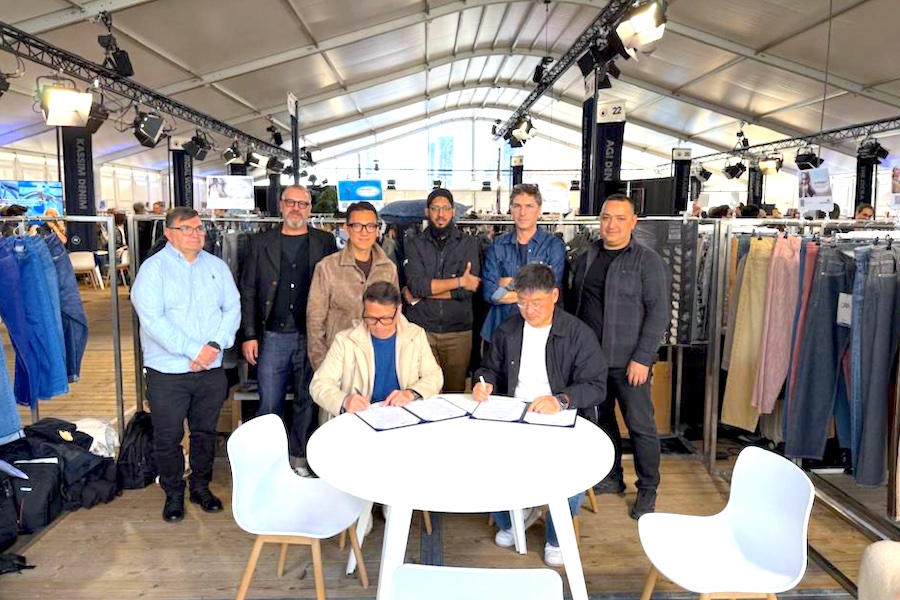
Archroma, a global leader in specialty chemicals, and Prosperity Textile, an international fabric manufacturer with production bases in China and Vietnam, have announced a partnership to drive denim innovation. They will collaborate to develop, evaluate and implement new approaches to improve denim aesthetics, durability and performance, with a shared commitment to sustainability.

#Textile chemistry

SANITIZED and RUDOLF join forces to extend textile performance and wearability

Long-lasting performance textiles require solutions that address a wide range of consumer expectations, from lasting freshness and comfort to reliable protection against the elements. SANITIZED and RUDOLF are highlighting their latest innovations, demonstrating how specialized textile technologies can support the functional durability and wearability of modern apparel.

Latest News

#India ITME 2026

Trützschler brings intelligent fiber processing and automation to India ITME 2026

From December 4 to 9, 2026, the Trützschler Group will present its latest innovations in spinning, card clothing and nonwovens at India ITME in Greater Noida, India. At Hall 11, Booth B15, visitors can discover solutions designed to increase productivity, reduce operating costs and ensure consistently high product quality. Key highlights include the intelligent card TC 26i, the 12-head comber TCO 21XL, innovative card clothing solutions for improved fiber utilization and quality, as well as advanced nonwovens technologies for hygiene, wipes and technical applications.

#Recycling / Circular Economy

Circulose resumes recycling of discarded cotton textiles and appoints interim CEO

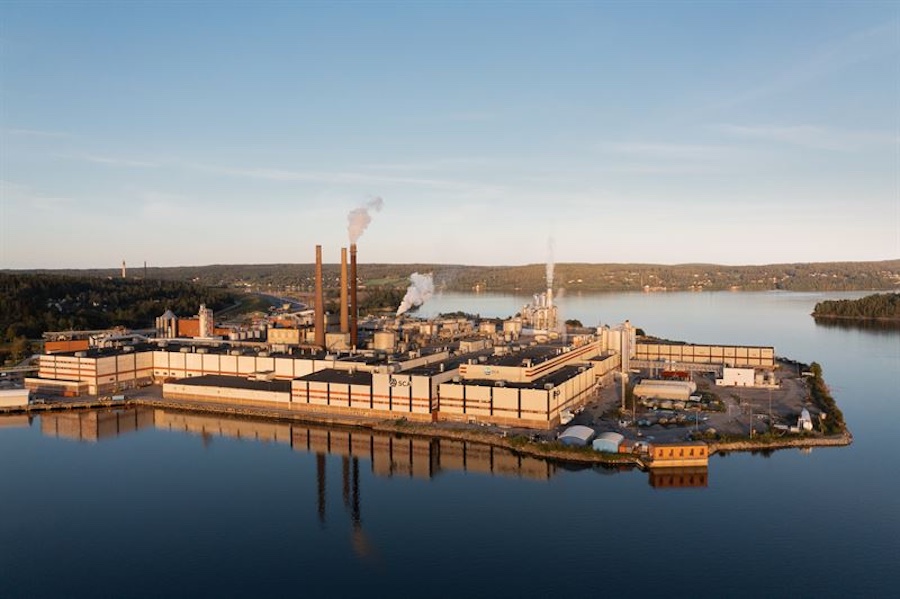
Circulose today announced its restart of commercial-scale production plant at Ortviken in Sundsvall, Sweden, marking a significant step in scaling next-generation materials for the global fashion industry. The Ortviken plant is the world’s first commercial-scale chemical textile recycling facility. Its restart demonstrates that the fashion industry is seeking ways to scale proven solutions that move beyond pilots and into commercial production.

#ITMA Asia + CITME 2026

Itema brings textile versatility to ITMA ASIA + CITME 2026

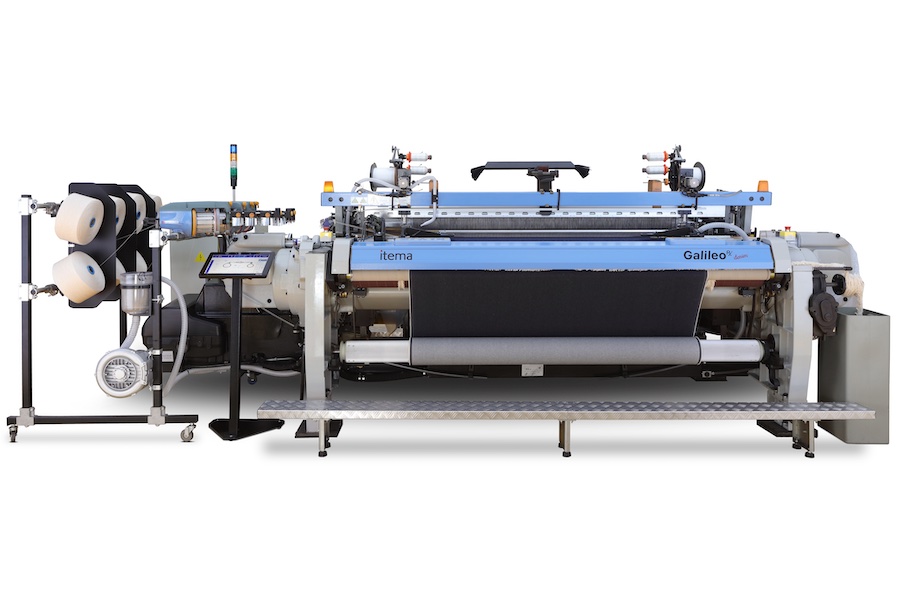
Itema announces its participation in ITMA ASIA + CITME 2026, taking place November 20–24 at the National Exhibition and Convention Center in Shanghai. In Hall 3 – Stand D06, the company will showcase two Galileo-RX rapier weaving machines weaving heavy denim and conveyor belt fabrics, demonstrating its ability to address different textile requirements with application-specific configurations. Five additional Itema machines at partner booths will extend the exhibition lineup to upper shoe fabric, label, Jacquard leno fabrics, and shirting, offering visitors a broader view of Itema rapier and air-jet weaving technologies.

#Dyeing, Drying, Finishing

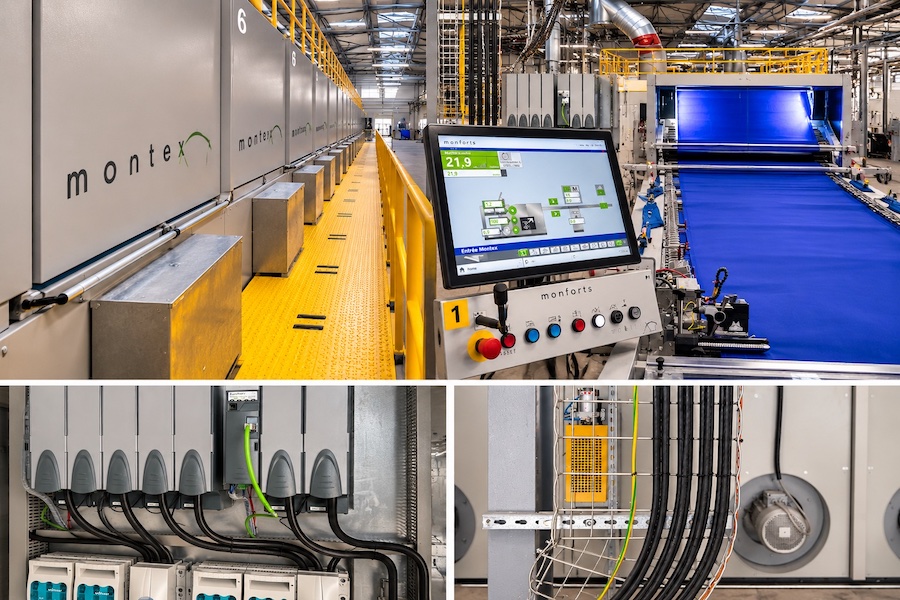
AEI reaps the benefits of all-electric new Monforts range

The impact of the rising cost of energy on the textile industry has been well documented, with some European countries paying up to seven times more to run their manufacturing operations than in other regions of the world.

TOP