[pageLogInLogOut]

#Dyeing, Drying, Finishing

Cambridge technology innovator Alchemie exports breakthrough textile dyeing solution to Taiwan

Alchemie Technology, the UK innovator of low energy, waterless, textile dyeing technology, ships its Endeavour machine to Taiwan to improve the sustainability of the textile dyeing industry and establish a new Asia showcase.

Cambridge technology innovator Alchemie exports breakthrough textile dyeing solution to Taiwan

Energy efficient Endeavour system set to lead a sustainable dyeing revolution in Asia

The Endeavour digital dyeing solution, which produces no wastewater and reduces energy consumption by 85 per cent compared to traditional dyeing, will be installed at Alchemie’s Taiwan-based customer JSRTEX Group, a leading textile manufacturing innovator in the region, committed to transforming the industry with sustainable textiles and clean technology.

The Endeavour solution, developed in one of the world’s high technology clusters in Cambridge and manufactured entirely in the UK, will form the centrepiece of an Alchemie demonstration hub and showroom in Asia so international brands and textile producers from across the region can see the technology in action.

Alchemie, backed by At One Ventures and fashion giant H&M, plans to set up further demonstration hubs at customer sites around the world in the coming months to showcase how Endeavour is more cost effective to operate and better for the environment than traditional dyeing technology.

The company, which has a vision to clean up textile dyeing and eliminate the environmental impact of these polluting processes, is now inviting other brand and manufacturing partners to participate in its global showcase program.

While the fashion industry is widely believed to be the second most polluting on the planet (behind agriculture), it is also the industry that can reduce its CO2 emissions at the greatest rate by changing the way it dyes textiles. To make this happen needs brands to work with pioneering manufacturers to accelerate the change to cleaner technology.

Textile dyeing and finishing is responsible for 3 per cent of global CO2 emissions (predicted to increase to more than 10 per cent by 2050) and causes over 20 per cent of global water pollution.

Dr Simon Kew, Managing Director of Alchemie Technology said: “Alchemie plans to deliver a significant number of Endeavour low energy, waterless dyeing machines into Asia in the next two years, where most of the world’s dyeing and finishing takes place. This will also require the support of governments through investment, grants and legislation, and the critical effort of brands and pioneering manufacturers in their supply chains”


“Having an Endeavour demonstration hub in Taiwan is another important milestone on our journey towards transforming the fashion industry and helping to reduce its climate impact. We are excited to be delivering the long-awaited transition to more sustainable textile dyeing.”

Dr Alan Hudd, Chairman/Founder of Alchemie Technology, said: “Textile dyeing is currently responsible for huge amounts of greenhouse gases and water pollution. The Endeavour system will dramatically cut energy and water use for the same quality of finish.

“When we started Alchemie in 2013 it was a revolutionary idea – to try and make dyeing more sustainable. Since then, we have moved from basic concept to full production machines. Endeavour is now ready to play its part in cleaning up the global dyeing industry to everyone’s benefit.”
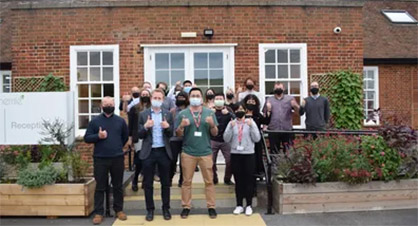
© 2022 Alchemie
© 2022 Alchemie


Steve Lin, founder of JSRTEX, said: “High sustainability is an important part of our vision at JSRTEX. The Endeavour system maintains the same quality as traditional dyeing while saving energy and water and being far less polluting. We look forward to welcoming brands and producers to our new Endeavour demonstration hub in Taiwan to see for themselves how they could benefit from switching to waterless dyeing.”

Ryan Chen, General Manager, JSRTEX said “We share the same vision as Alchemie to transform the textile industry through sustainable, energy-saving solutions. Taiwan is the epicentre of advanced textile manufacturing technologies in Asia. We are proud to be playing our part in setting new sustainability benchmarks.”

More News from TEXDATA International

#Digital Printing

From a bedroom startup to 3,000 designs: How Lonely Kids Club built its business with DTG printing

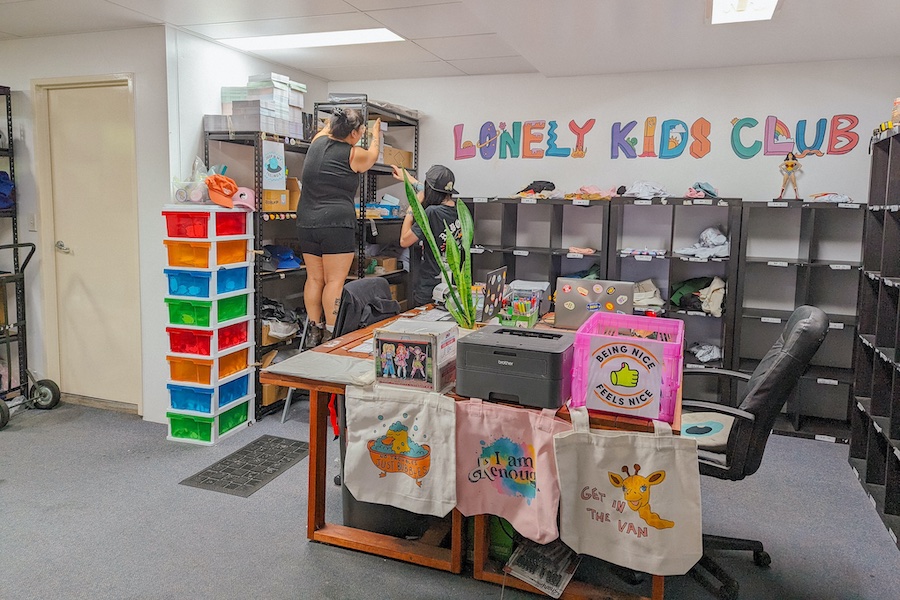
Founded in Sydney in 2011, independent clothing label Lonely Kids Club has grown from a bedroom startup into a business offering around 3,000 graphic T-shirt designs. With its own production studio, direct-to-garment printing and a demand-driven manufacturing model, the company demonstrates how smaller apparel brands can combine creative independence with flexible production – while navigating the everyday challenges of quality control, workflow efficiency and sustainability.

#India ITME 2026

India’s textile industry: Current position, growth targets and industrial development

With ambitious export targets, major investments in manufacturing infrastructure and new international trade agreements, India is pursuing a comprehensive development strategy for its textile and apparel industry. An overview of the industry’s current position, government initiatives, progress achieved and challenges ahead.

#Weaving

“A complex design is only useful if the machine can reproduce it consistently”

Andreas Schnabel, Head of R&D for Technical Weaving Systems at Stäubli, discusses how 3D weaving can create textile reinforcements tailored to the loads within a composite component, where near-net-shape weaving can reduce processing steps and material waste, and what it takes to produce complex structures reliably and economically. He also explains how manufacturers can adapt Stäubli’s modular TF weaving platforms to new applications and how the company’s centre of excellence in Bayreuth supports the transition from research to industrial production.

#India ITME 2026

India ITME 2026: Textile technology meets India's investment ambitions

With ambitious growth targets, government incentive programmes and industrial development initiatives already underway, India is preparing for the next stage of its textile transformation. Against this backdrop, the 12th India ITME, taking place in Greater Noida from 4 to 9 December 2026, arrives at a particularly important moment for machinery manufacturers and textile producers alike.

More News on Dyeing, Drying, Finishing

Latest News

#ITMA Asia + CITME 2026

ITMA ASIA + CITME 2026 opens in Shanghai, showcasing intelligent and sustainable textile manufacturing

ITMA ASIA + CITME 2026 opened today at the National Exhibition and Convention Center in Shanghai, bringing the global textile machinery industry together from 20 to 24 November.

#Associations

Christoph René Holler to succeed Uwe Mazura as managing director of textil+mode

Christoph René Holler will take over as managing director of textil+mode, the German textile and fashion industry confederation, on 1 January 2027. He succeeds Uwe Mazura, who has led the association for 13 years and will remain in charge of collective bargaining policy through the next round of negotiations before retiring.

#Heimtextil 2027

Heimtextil and The Florentin showcase the role of textiles in hotel design

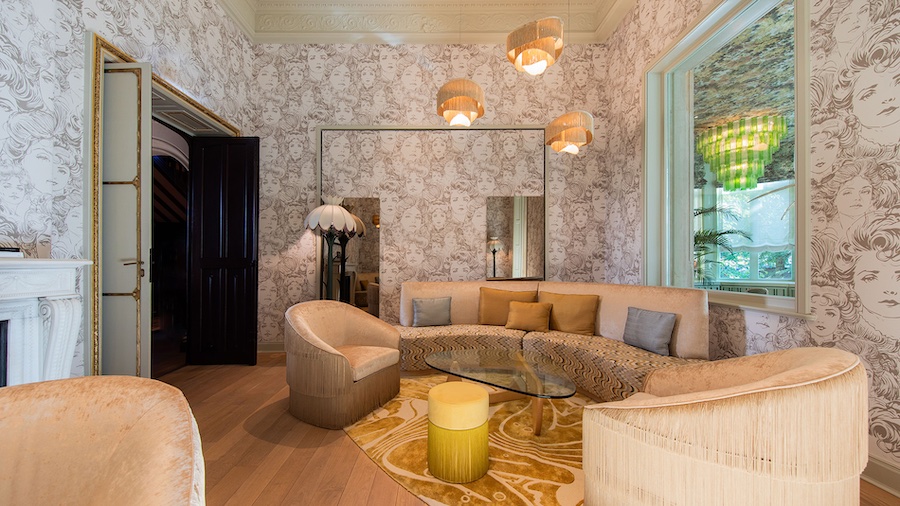
Heimtextil has partnered with Frankfurt hotel The Florentin by Althoff Collection for its new Interior.Architecture.Hospitality campaign. The collaboration will give architects, interior designers and other contract-sector professionals a closer look at how textiles were used in the hotel. The two studios behind the project will discuss their work at Heimtextil on 14 January 2027 in Hall 4.1.

#EU Textile Strategy

EU Commission proposes advanced materials agenda with targets for 2035

The European Commission has proposed an Advanced Materials for Europe agenda to accelerate the development, production and adoption of safer and more sustainable advanced materials. The proposal sets three benchmarks for 2035 and calls for closer coordination among EU member states to help move new materials from the laboratory into industrial production.

TOP