[pageLogInLogOut]

#Textile chemistry

NouWell CDL | Natural freshness without biocides

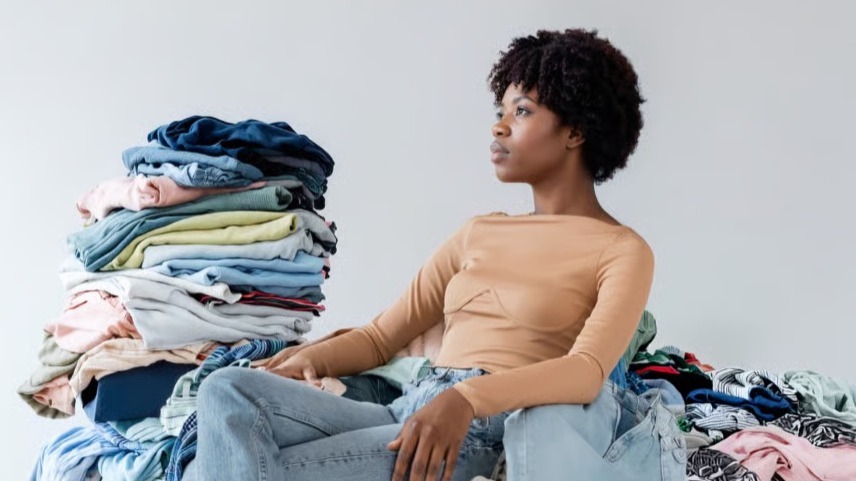
Well-being and the feeling of freshness are closely linked. Smelly clothes after sport might be unpleasant but cannot always be changed or washed immediately. NouWell CDL helps to preserve the feeling of freshness for a longer period of time.

Normally, odor-reducing finishes are achieved with biocides. This is not the case when using NouWell CDL. A natural freshness can be obtained without any antimicrobial properties.

Synthetic textiles in particular, such as functional underwear or upholstery fabrics, hardly adsorb odors, which is noticeable as unpleasant odors on the fabric. Here, NouWell CDL helps to complex unpleasant smelling substances and retain them until the next wash cycle, where they are removed.

© 2022 CHT
© 2022 CHT


An objective measurement of odour adsorbing properties is provided by ISO 17299-3 using gas chromatography. Here, the textiles are impregnated with isovaleric acid and the odor reduction rate is then determined by in-strumental analysis.

NouWell CDL is certified in accordance with Oeko-Tex® Standard 100, ZDHC and bluesign® among others.


Special properties:

• Naturally based odor management without biocides

• Higher wearing comfort due to pleasant feeling of freshness

• Less odors in home textiles

• Universally applicable on various types of fibers, biggest improvement on PES

• Can be combined with other finishing agents, thus flexibility in application

• Good washing permanence

• Suitable for white goods


PRODUCT INFORMATION:

NouWell CDL

For more information, please refer to the downloadable file.


More News from TEXDATA International

#ITM 2026

ITM 2026: The new geography of textile production

New production hubs are emerging across North Africa and Central Asia, while Türkiye is accelerating its transformation toward higher-value, technology-driven and more sustainable textile manufacturing.

#Research & Development

“Production is a product”

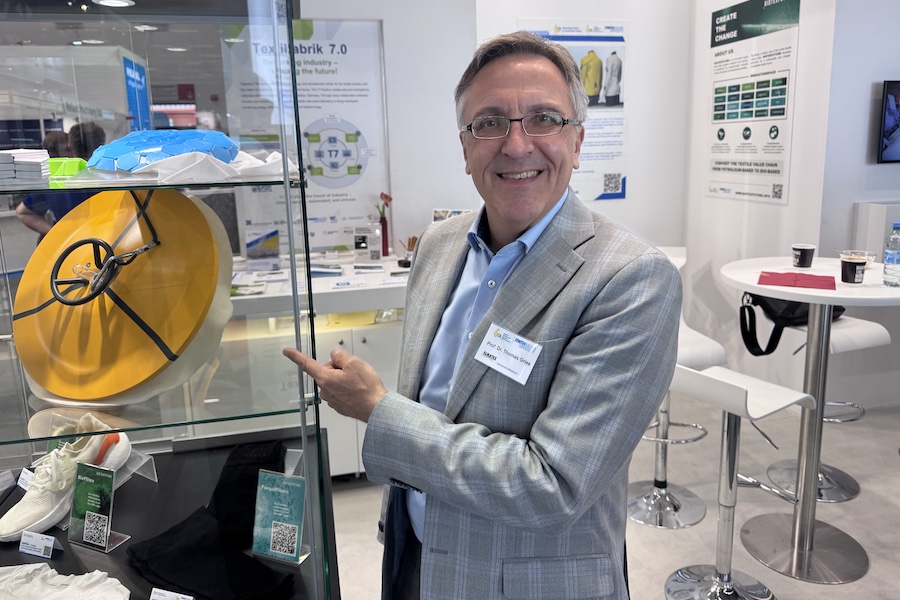
From technical textiles and AI-driven robotics to the limitations of textile circularity: Professor Dr Thomas Gries looks back on more than two decades of development at ITA Aachen. In the interview, he explains why production technology remains a decisive success factor, discusses international collaborations and innovation ecosystems, and shares his views on the transformation of production landscapes and the challenges facing an increasingly regulated industry.

#Knitting & Hosiery

“We need to move away from the price trap and return to a value-driven mindset.”

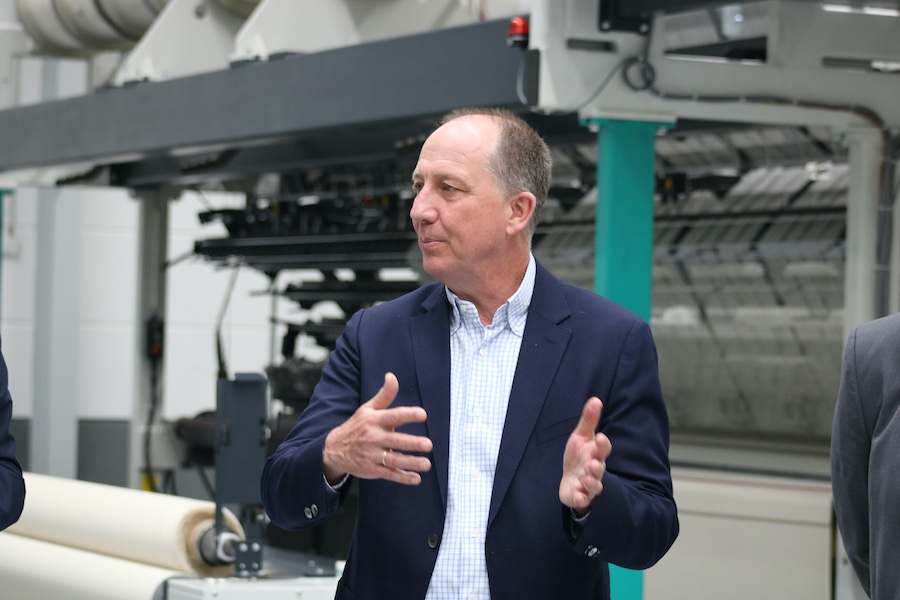
With its new Textile Innovation Center, KARL MAYER is sending a strong signal for innovation, collaboration, and the future of textile applications. In this interview, Karl Josef Mayer discusses new opportunities in warp knitting, the processing of staple fibres, recycling, the changing role of machinery manufacturers, and why the textile industry must once again focus more strongly on the value of textiles. by Oliver Schmidt

#Associations

“Innovation, resilience and international experience remain the great strengths of the Swiss textile machinery industry”

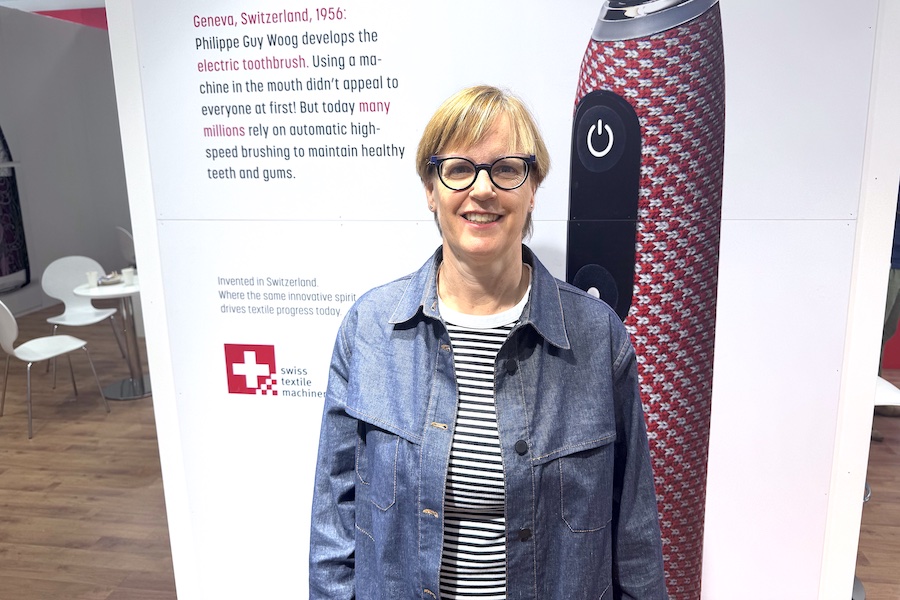
Geopolitical uncertainty, growing competitive pressure from China, new free trade agreements and the shift towards a circular economy are currently reshaping the global textile industry. In this interview, Cornelia Buchwalder discusses the current mood within the Swiss textile machinery sector, the industry’s distinctive innovative strength, new market opportunities in India and Asia, and the technological trends that could shape the upcoming trade fair cycle leading up to ITMA 2027.

More News on Textile chemistry

Latest News

#Nonwovens

EDANA launches landmark continence report to mark the start of the World Continence Week

Today marks the official commencement of the World Continence Week. To honour this global awareness initiative, EDANA has published a comprehensive report titled "The Central Role of Absorbent Hygiene Products in the Management of Adult Urinary Incontinence: Benefits, Costs and Environmental Impact." The World Continence Week (WCW) is an annual global initiative dedicated to raising public awareness about incontinence and bladder or bowel health issues. Traditionally held in June, this awareness week aims to shed light on a condition that affects millions of people worldwide but is frequently kept secret due to widespread social stigma, embarrassment, and taboo.

#Associations

Mario Jorge Machado re-elected President of EURATEX

The EURATEX General Assembly has re-elected Mario Jorge Machado as President of EURATEX, renewing its confidence in his leadership at a crucial moment for the European textile and clothing industry. The sector is facing rising costs, global competitive pressure and an increasingly challenging transition towards sustainability and digitalisation.

#ITM 2026

ITM 2026 makes happy participants with its international and qualified visitor profile

ITM 2026 International Textile Machinery Exhibition, one of the most prestigious meeting points of the textile machinery sector, attracted attention in its first three days, particularly with its diverse international visitor numbers. Industry professionals from all over the world had the opportunity to closely examine the latest technology machines and solutions displayed in operation. Thousands of visitors from approximately 100 countries, primarily Egypt, Pakistan, India, Uzbekistan, Syria, Turkmenistan, Tajikistan, Morocco, Algeria, and Tunisia, met at the Tüyap Fair and Congress Center for new investment and cooperation opportunities.

#ITM 2026

KARL MAYER presents a textile TEXTRONIC® innovation at ITM 2026

With highly efficient machines and continuous textile innovations, KARL MAYER underscores its role as a reliable partner for discerning top-tier customers. Just in time for ITM 2026 in Istanbul, the industry leader is introducing a true innovation: an eyelash lace with its characteristic fringed look – combined with a previously unattainable 4-way stretch. While the established fabric could until now only be produced as rigid version or with one-dimensional stretch, the new elasticity in both dimensions expands the possibilities for cross-band panel fabrics.

TOP