[pageLogInLogOut]

#Textile chemistry

Devan launches range of bio-based fragrances for textiles

© 2021 Devan Chemicals
Textile innovator Devan is launching a new range of bio-based fragrances, named SceNTL®. The range uses traceable raw materials and an external lab has confirmed that the bio-content of the fragrances is above 85%.

The range consists of Natural Lavender, Menthol, Wild Mint, a Citrus Blend and will be expanded over time

SceNTL® is a unique and wide range of encapsulated fragrances that can be integrated onto the fabric and are gradually released over time. Upon release, the fragrances appeal to the senses, promoting relaxation, wellbeing and feel-good sensations.

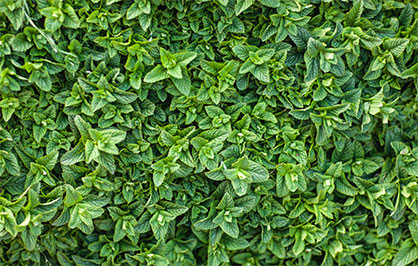
While synthetic fragrances are composed of synthetic, man-made ingredients, natural scents and oils are created by isolating natural aroma components from raw plant materials. This also explains why every SceNTL® batch can have a slight variation in smell. As natural conditions differ from time to time, every harvest is a little different from the previous one.

© 2021 Devan Chemicals


© 2021 Devan Chemicals


Although aromatherapy is still a young and understudied domain, recent studies have shown that essential oils can indeed have neurological effects. Linalool for example, a component found in Lavender and rosewood, is found to enhance sleep, while Limonene, a component found in the peel of citrus fruits, is clinically proven to have an uplifting effect.

At this moment, the SceNTL® range is intended for low-wash items such as mattress ticking, decorative pillows, upholstery, curtains, carpets, etc. It can also be used as a natural ‘masking scent’ for products that have a strong artificial smell caused by the production process. The company is already looking into further development of other scents and broader application use.


More News from Devan Chemicals

More News on Textile chemistry

Latest News

#Spinning

Ibrahim Fibres and Trützschler: A strong partnership enters its next phase with the TC 30Si

For more than two decades, Ibrahim Fibres and Trützschler have grown side by side, driven by a shared ambition to continuously improve spinning performance, strengthen technology leadership and set new benchmarks in the textile industry. Today, Ibrahim Fibres is a leading yarn and polyester staple fiber manufacturer in Pakistan. The company operates the largest number of Trützschler cards in the country, with more than 200 machines running across its mills in Faisalabad, and plays an important role in one of Asia’s largest textile industries.

#Digital Printing

USColorworks expands digital platform with Kornit Atlas MATRIX and Atlas MAX PLUS solutions

Kornit Digital Ltd. (NASDAQ: KRNT), a global pioneer in sustainable, on-demand digital fashion and textile production, today announced that USColorworks, a North Carolina-based apparel decoration and fulfillment company specializing in custom and on-demand printing for retail and promotional markets, has expanded its Kornit digital production platform with the addition of Atlas MATRIX and Atlas MAX PLUS systems to deliver high-quality, on-demand apparel across cotton, blended fabrics and polyester.

#Functional Fabrics

CovationBio introduces two new bio-based innovations at Functional Fabric Fair New York

Covation Biomaterials LLC (“CovationBio®”) is showcasing its two new bio-based innovations, Xatryx® and Sorona® elasterell-p fiber, at this year’s Functional Fabric Fair in New York City, July 7–9, 2026. Attendees can visit CovationBio at Booth #404 to explore this next generation of bio-based performance materials.

#Research & Development

Geotextiles made from recycled materials: GREEN leads the way into the industry

For the industry, recycled materials are creating new opportunities in geotextile production. In the GREEN project, the Fraunhofer Cluster of Excellence Circular Plastics Economy CCPE demonstrates that recycled polypro-pylene (PP), polyethylene terephthalate (PET), and high-density polyeth-ylene (HDPE) can be processed into nonwovens, fibers, and membranes that meet industrial requirements. This creates opportunities for use in existing production lines and new value chains in the geotextile market.

TOP