#Textile chemistry
Devan offers antiviral solutions for textiles to support and protect professional workers
Over the past few weeks, Devan has received a lot of questions regarding an antiviral solution for textiles against Sars-COV-2, the virus that causes COVID-19. “Not a big surprise since we put BI-OME AV forward 3 years ago. Testing has been done in cooperation with Institut Pasteur de Lille”, says Devan CEO Sven Ghyselinck.
Devan studied enveloped viruses (e.g. H1N1, Corona-types etc.) as well as naked viruses (e.g. Rotavirus). For both virus families BI-OME AV showed strong to excellent activity in wet state.
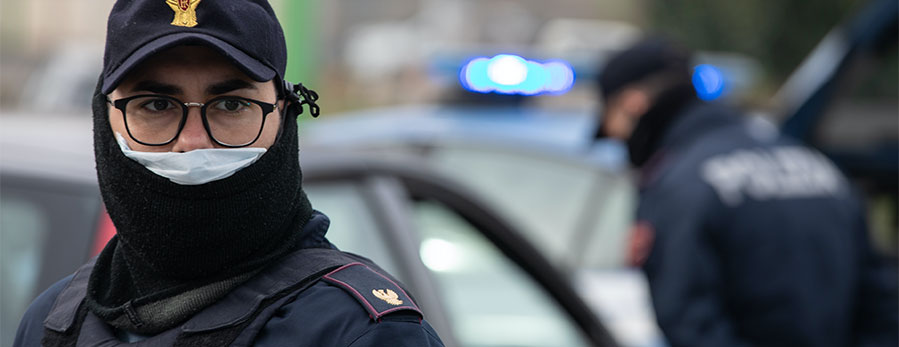
In the first instance, the company wants to focus on professionals who need to stay working such as policemen, logistics workers, shop employees, day-care workers, … A common complication of respiratory viral disease can be a secondary bacterial infection. Professionals could be helped with either an anti-bacterial on their facemask to reduce the chance for these secondary bacterial infections, for better hygiene and less odour build-up. On workwear, a combination of a virus spread reducing and antibacterial solution could help as these garments are typically used during long hours, are non-disposable and most likely will be washed at home.
“Furthermore, normal consumers are increasingly making their own facemasks”, says Sven Ghyselinck. “For face masks, the first line of viral protection is the pore size of the fabric or non-woven (physical barrier).
Typical for these home-made facemasks is that the pore size of these masks are often not sufficient to block viruses from penetration. To reduce the risk of secondary contamination an anti-bacterial treatment could provide an extra line of protection.”
Devan has solutions which withstand washing while keeping its performance. BI-OME as a liquid product is EU BPR, Turkish BPR and US EPA registered. Depending on the rash region, commercialising treated articles be subject to additional local registration procedures.
“We are available for producers, brands and retailers for more in-depth discussions”, Sven adds. “We also have +30 ton of chemicals ready to ship throughout the world. Moreover, most of our distributors have local inventory standing for immediate use.”
“With these products we can improve the performance of millions of meters of fabric, thereby giving better protection to security workers, employees in the food supply chain, home care nurses, school & day-care supports and any other civilians that need it badly to prevent the world and the economy from coming to a halt. Together we can overcome this!”