[pageLogInLogOut]

#Smart Textiles

SmartX Community meets at LOPEC!

The SmartX Community met at LOPEC, an annual exhibition and conference highlighting the latest developments in printed electronics, a crucial technology for integrating electronic components into wearables, creating lightweight and flexible devices that can conform to the shape of the body.

On 1-2 March, members of the SmartX Community had the chance to catch up and collaborate at LOPEC in Munich, Germany.

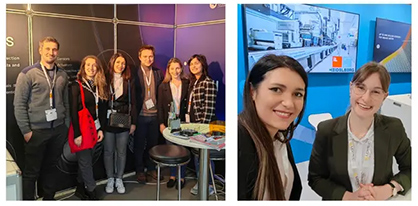
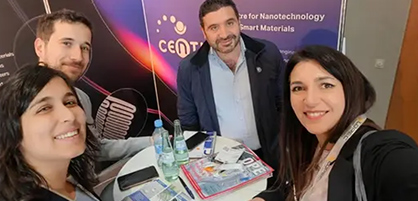
Textile ETP's Project Manager and SmartX Community Manager Judith Bosch visited the fair, meeting SmartX Community members CeNTI, Sefar, Elitac Wearables and InnovationLab. Two of them, CENTI and InnovationLab, showcased their latest innovations: CENTI introduced their latest wearable technology, while InnovationLab demonstrated their energy-efficient prototypes, highlighting the possibilities of printed electronics in creating sustainable and environmentally-friendly devices.
© 2023 Textile ETP
© 2023 Textile ETP


One of the interesting developments showcased at LOPEC was the use of printed electronics in textiles, which offers new possibilities for integrating electronic components into clothing. This technology has the potential to create smart textiles that can monitor health and fitness, among other applications. Additionally, new circular economy inks were demonstrated, which can reduce waste and make printed electronics more sustainable. The fair also showcased new pilot plants that can produce wearable electronic devices more efficiently, making them more cost-effective and accessible to consumers.


The fair was an exciting platform for exploring the potential of printed electronics in driving innovative smart textile solutions across diverse markets. The SmartX Community believes that the LOPEC fair and the innovations showcased will bring interesting potential with continued research and development.

LOPEC is an annual exhibition and conference showcasing the latest developments in printed electronics, highlighting several new approaches to this technology, and taking place in Munich, Germany. The exhibition offers visitors the opportunity to discover trends and technological developments on their applicability to testing.
© 2023 Textile ETP
© 2023 Textile ETP


More News from TEXDATA International

#ITM 2026

ITM 2026: The new geography of textile production

New production hubs are emerging across North Africa and Central Asia, while Türkiye is accelerating its transformation toward higher-value, technology-driven and more sustainable textile manufacturing.

#Research & Development

“Production is a product”

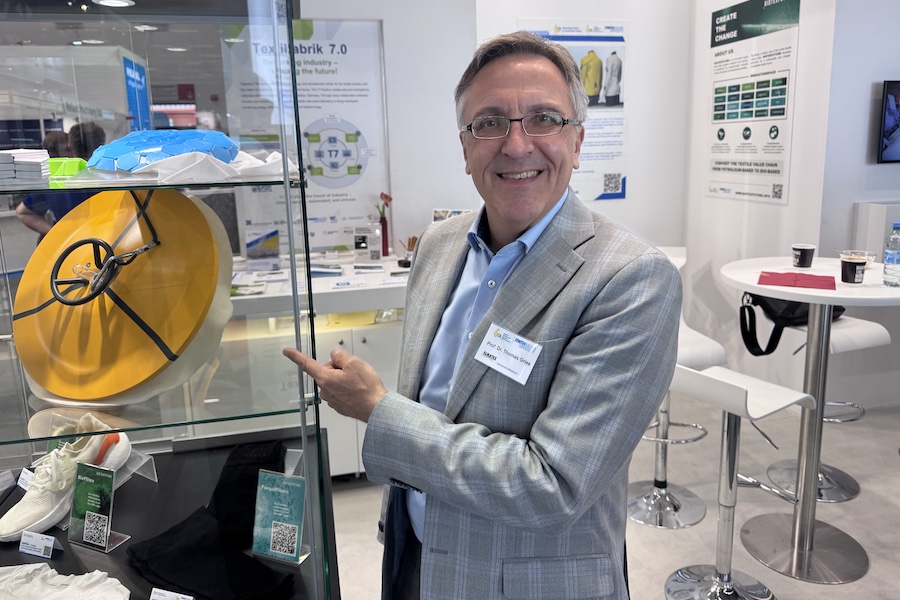
From technical textiles and AI-driven robotics to the limitations of textile circularity: Professor Dr Thomas Gries looks back on more than two decades of development at ITA Aachen. In the interview, he explains why production technology remains a decisive success factor, discusses international collaborations and innovation ecosystems, and shares his views on the transformation of production landscapes and the challenges facing an increasingly regulated industry.

#Knitting & Hosiery

“We need to move away from the price trap and return to a value-driven mindset.”

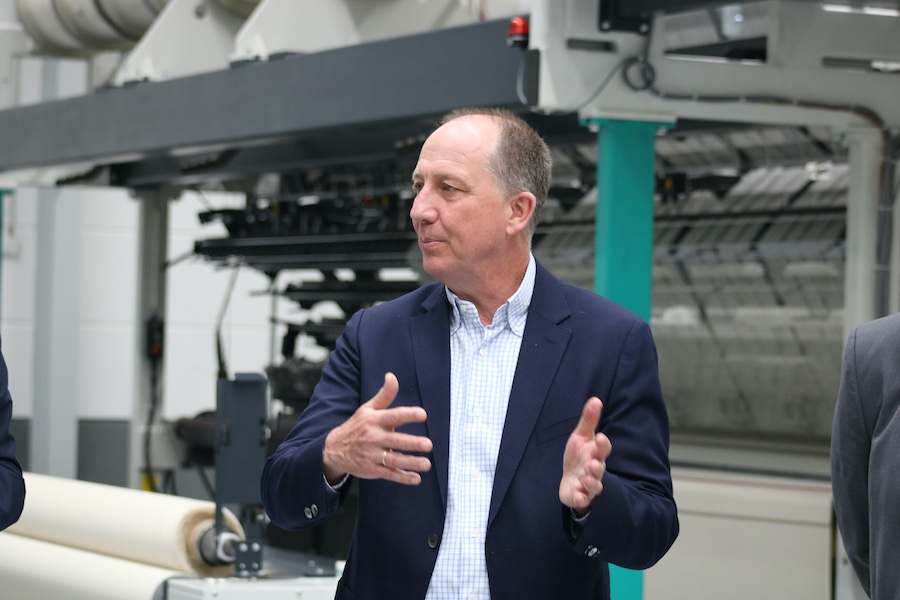
With its new Textile Innovation Center, KARL MAYER is sending a strong signal for innovation, collaboration, and the future of textile applications. In this interview, Karl Josef Mayer discusses new opportunities in warp knitting, the processing of staple fibres, recycling, the changing role of machinery manufacturers, and why the textile industry must once again focus more strongly on the value of textiles. by Oliver Schmidt

#Associations

“Innovation, resilience and international experience remain the great strengths of the Swiss textile machinery industry”

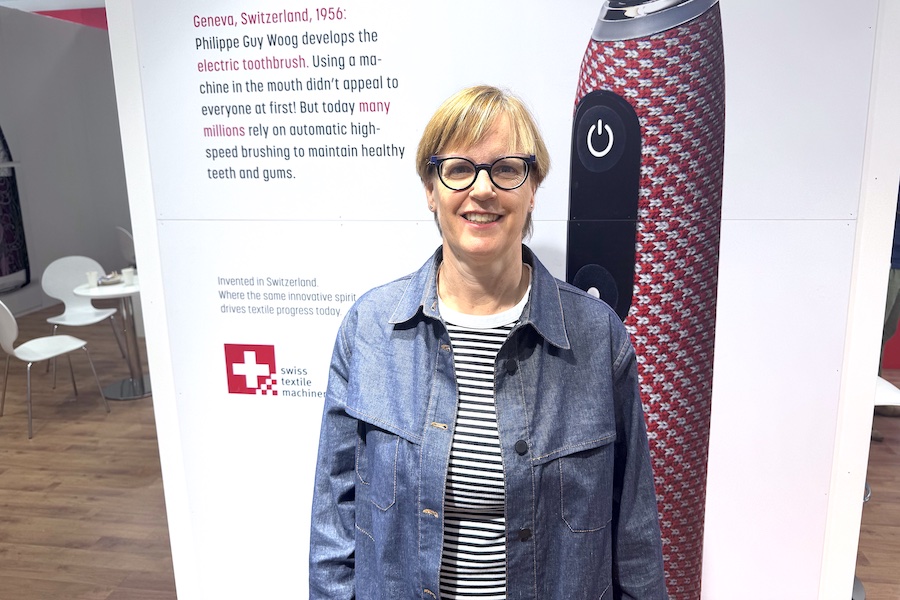
Geopolitical uncertainty, growing competitive pressure from China, new free trade agreements and the shift towards a circular economy are currently reshaping the global textile industry. In this interview, Cornelia Buchwalder discusses the current mood within the Swiss textile machinery sector, the industry’s distinctive innovative strength, new market opportunities in India and Asia, and the technological trends that could shape the upcoming trade fair cycle leading up to ITMA 2027.

More News on Smart Textiles

#Smart Textiles

Covestro, FILK Freiberg, and OUT e.V. develop flexible, conductive polymer smart textile system

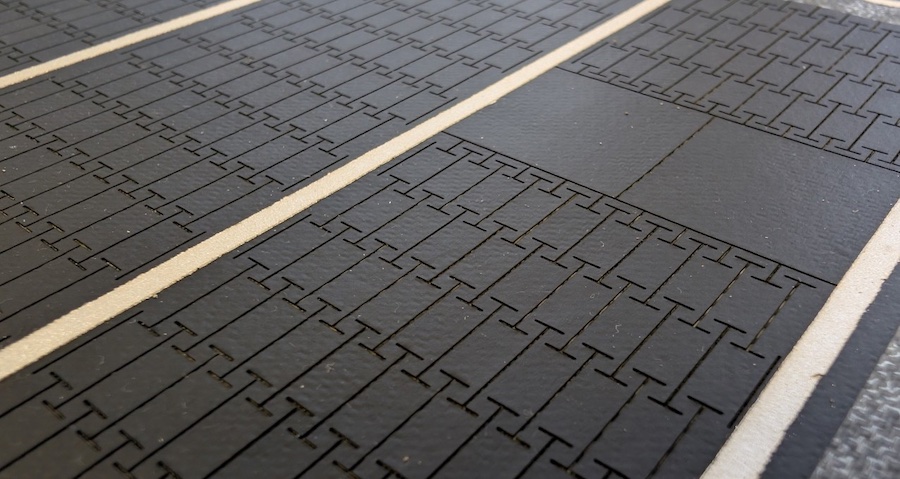
As the smart textiles market continues to grow across healthcare, personal protection, sportswear, and automotive applications, developers are seeking new ways to integrate electronic functionality directly into textiles, without the rigidity and complexity of conventional wiring. To address this challenge, FILK Freiberg Institute, an independent research institution with expertise in polymer coatings for textile applications, collaborated with Optotransmitter-Umweltschutz-Technologie (OUT) e.V. The joint project, funded under the German Industrielle Gemeinschaftsforschung (IGF) program of the Bundesministerium für Wirtschaft und Energie (BMWE), focused on developing flexible, conductive polymer surfaces for next-generation smart textiles.

#Research & Development

Catching heart disease early with AI-based sensor system

It slips on like a normal vest: Fraunhofer IZM has created a smart sensor system in cooperation with the Charité and the Technical University of Berlin. The vest records a vast array of cardiovascular parameters, which an AI-based system uses to support medical diagnostics and spot potentially dangerous developments.

#Research & Development

Soft interfaces: Textile-integrated light switches, made possible by printable Liquid Metal Ink

A gentle tap on the knitted lampshade is enough to switch on the light. The lamp developed by Fraunhofer IZM in cooperation with WINT Design Lab works with a revolutionary conductive ink. Visitors can find out more and try the lamp themselves at the Berlin Science Week on November 1st and 2nd.

#Smart Textiles

Intelligent textiles for construction, architecture and mobility: Smart Textiles User Forum in Stuttgart

When textiles are equipped with electronic components, conductive yarns and textile sensors, the application possibilities are almost unlimited. These high-tech textiles are a global growth market. In Stuttgart, manufacturers, users and researchers presented amazing examples of applications in construction, architecture and mobility. The appropriate standards ensure quality and safety.

Latest News

#Textile processing

Dedicated car seat model of SHIMA SEIKI’s P-CAM® R Cutting Machine unveiled

Leading Japanese textile solutions provider SHIMA SEIKI MFG., LTD. of Wakayama, Japan, showed a special version of its P-CAM® R multi-ply computerized cutting machine dedicated to the production of car seats for the first time, at a private exhibition held over two days on Thursday, July 2nd and Friday, July 3rd at the Kariya City Industrial Promotion Center in Aichi Prefecture.

#Research & Development

ALADIN paves the way for circular and demand-driven textile production in Europe

Textile production can be organized sustainably by utilizing short supply chains and preventing overproduction. This can already be achieved today by intelligently connecting and efficiently utilizing existing infrastructure. At the same time, production becomes circular when innovative technologies and materials are used that enable high-quality recycling. The ALADIN research project, launched in May 2026 and co-funded with five million euros under the EU Horizon Europe program, is creating the conditions for this.

#Nonwovens

Katharina Obergruber appointed to the Management Board of Sandler AG

The Supervisory Board of Sandler AG has appointed Katharina Obergruber to the company’s Management Board. Effective September 1, 2026, the Board will consist of Philipp Ebbinghaus (CEO), Dr. Ulrich Hornfeck (currently CCO, future COO), and Katharina Obergruber (CCO). Katharina Obergruber, currently Chief Sales Officer Hygiene and member of the Management Team of Sandler AG, will assume responsibility for all sales activities as Chief Commercial Officer. She will assume this role from Dr. Ulrich Hornfeck, who will focus primarily on production and supply chain topics.

#Recycling / Circular Economy

Ence and ShareTex begin initial testing of the ATENEA innovation project to promote textile recycling in Spain

Ence and ShareTex are making progress on the Atenea R&D project, which aims to develop a complete value chain for textile recycling in Spain. Specifically, the goal of the ATENEA project—which is funded by the Center for Technological Development and Innovation (CDTI)—is to connect all the necessary stages for the recovery of textile waste, from collection and management, through recycling and transformation into new raw materials, to their incorporation into new textile products.

TOP