[pageLogInLogOut]

#Recycling / Circular Economy

Pirelli, Pyrum, Synthos and BASF partner to transform end‑of‑life and scrap tyres into recycled materials for new products

“Tyre‑to‑tyre” project launched in Europe, coordinated by Pirelli, to advance circularity and reduce reliance on virgin raw materials
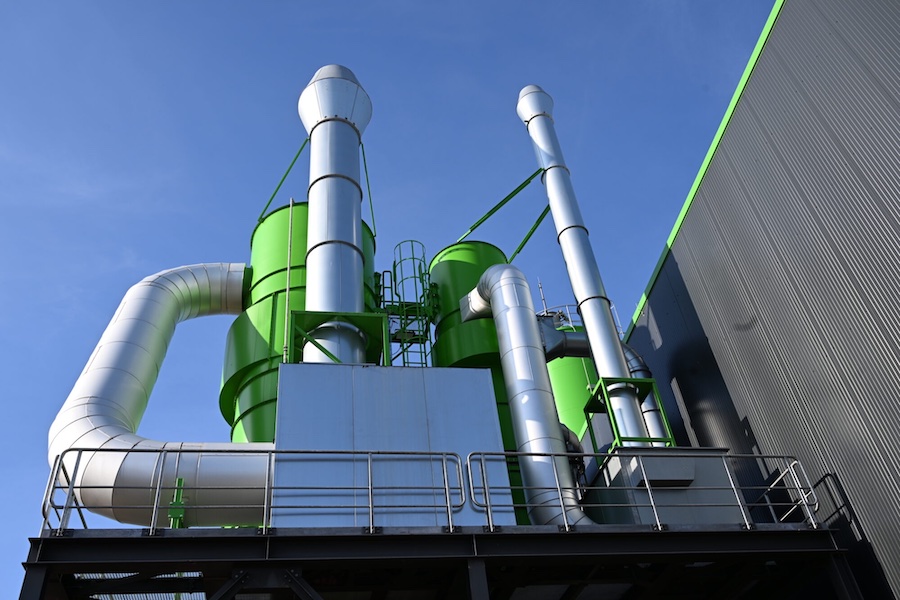
Pyrum industrial plant with piping © 2026 Pyrum
Pirelli, Pyrum, Synthos and BASF are jointly advancing a tyre-to-tyre circular economy initiative in Europe, driving the development of an industrial ecosystem designed to increase the use of recycled materials derived from end-of-life and scrap tyres.

The process draws on end‑of‑life tyres collected across Germany, from some Driver retail outlets and motorsport activities, as well as scrap tyres collected from Pirelli's Breuberg plant. They are processed through an industrial chain designed to maximize their inner value, converting them into secondary raw materials – including synthetic rubber – certified under the ISCC PLUS scheme. This ensures traceability along the value chain and enables the circular materials’ reintroduction into the manufacturing of new Pirelli tyres, maintaining their highest standards of quality and performance.

Within this process, Pyrum converts end‑of‑life and scrap tyres through a pyrolysis process — a high-temperature thermal decomposition of materials in the absence of oxygen — into two valuable secondary raw materials: recovered carbon black (rCB) and tyre pyrolysis oil (TPO). The recovered carbon black is upgraded in quality and directly reintroduced into Pirelli’s European production, partially replacing virgin carbon black.

At the same time, the TPO is supplied to BASF, where it is co-fed with fossil-based feedstock into the production process of chemical products such as butadiene and styrene. A mass balance approach enables attributing the recycled content to the ISCC PLUS-certified Ccycled® products. These circular materials are then used by Synthos to produce ISCC PLUS‑certified synthetic rubber for high-performance tire applications, which Pirelli reintroduces into its production processes, closing the loop.

The project perfectly reflects that genuine product circularity cannot be achieved by a single company acting alone. It requires creating industrial ecosystems involving players with complementary expertise, each contributing to different phases of the transformation process around a shared material loop. Through collaboration and the combination of technological innovation, material science, and certified processes, the partners, driven by Pirelli, build a coordinated system in which materials are recovered, transformed and reused by maximizing their inner value.

The European tyre‑to‑tyre project represents the most comprehensive application of this approach to date, demonstrating how end‑of‑life tyres can become a valuable resource within a structured and traceable industrial loop.



More News from BASF Aktiengesellschaft
Performance Chemicals for Textiles Europe

#Nonwovens

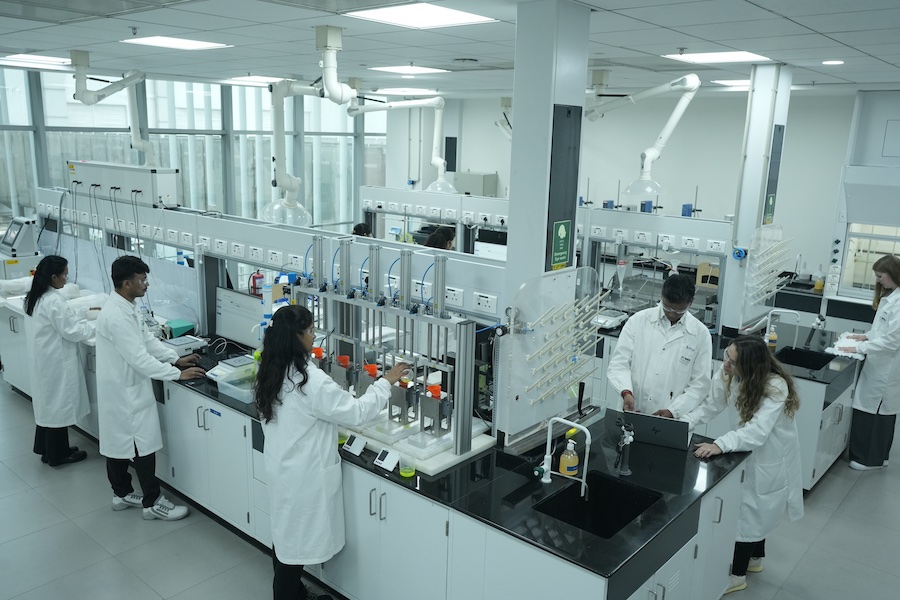
BASF opens global diaper and superabsorbents performance lab in Mumbai

BASF has officially inaugurated its new Performance Lab for diapers and superabsorbents (SAP) in Mumbai on August 18, 2026, which will provide technical and application services to superabsorbent customers globally. The new lab of BASF’s Hygiene Solutions business has been established in less than a year and is part of BASF’s Innovation Campus Asia Pacific in Mumbai, BASF’s second largest R&D site in Asia Pacific established in 2017 under BASF Chemicals India Private Limited.

#Recycled Fibers

Lindex and BASF partner to bring textile-­to­-textile recycled polyamide to lingerie sector

Lindex has partnered with BASF’s loopamid® to accelerate textile-­to-­textile recycling and advance the shift towards more circular material solutions in the fashion industry. Together they introduce loopamid to the lingerie sector.

#Textile processing

trinamiX mobile NIR spectroscopy: New applications for the footwear and textile industry

trinamiX GmbH expands its solution portfolio for the circular economy, now enabling the identification of materials used in the footwear and textile industries. With its mobile near-infrared (NIR) spectroscopy solutions, trinamiX supports manufacturers, sorters, recyclers, and brand owners in reliably identifying materials and improving transparency across increasingly complex value chains.

#Techtextil 2026

BASF at Techtextil 2026: Helping to shape the future of the textile industry with tangible solutions

At the leading international trade fair for technical textiles and nonwovens from April 21 to 24, 2026 at the Messe Frankfurt, BASF will present numerous solutions and new projects in the textile sector to customers and partners at booth B 68 in hall 11.0. The focus is on product innovations and future-oriented technologies.

More News on Recycling / Circular Economy

#Recycled Fibers

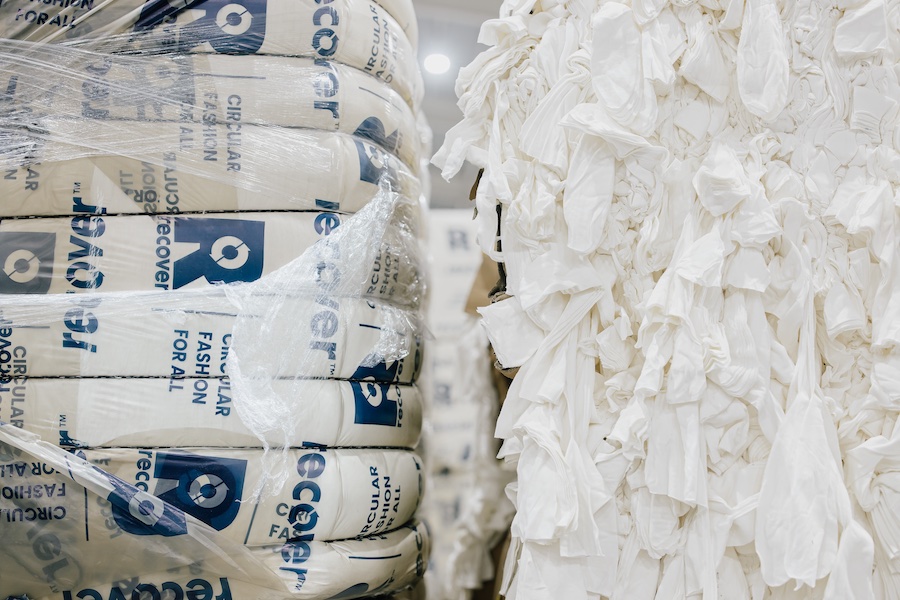
Recover and SUPIMA partner to develop recycled Pima cotton fibers and yarns

Recover and SUPIMA have partnered to turn waste from SUPIMA cotton production into a new line of recycled fibers and yarns. The collaboration will explore how recycled American-grown Pima cotton can be used in a wider range of yarns and garments for the premium market.

#Recycling / Circular Economy

ReSpin founder Åsa Strandberg receives Innovation Champion of the Year 2026 award

Åsa Strandberg, founder and CEO of Swedish textile recycling company ReSpin AB, has been named Innovation Champion of the Year 2026. The award recognises her development of RespinJenny, a patented technology designed to recycle textile waste into new, high-quality fibres without using water, chemicals or additional virgin raw materials. The distinction was presented by the Olle Oscarsson Foundation and Axera Inkubator at Guldgalan in Sweden.

#Recycling / Circular Economy

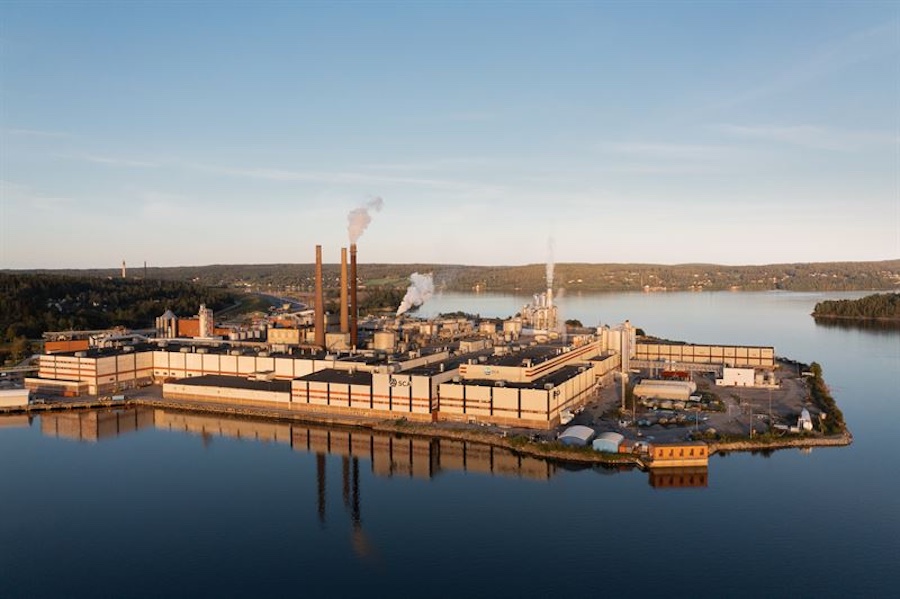
Circulose resumes recycling of discarded cotton textiles and appoints interim CEO

Circulose today announced its restart of commercial-scale production plant at Ortviken in Sundsvall, Sweden, marking a significant step in scaling next-generation materials for the global fashion industry. The Ortviken plant is the world’s first commercial-scale chemical textile recycling facility. Its restart demonstrates that the fashion industry is seeking ways to scale proven solutions that move beyond pilots and into commercial production.

#Recycled Fibers

Reju expands textile-to-textile recycling network with six international fabric manufacturers

Reju, a textile-to-textile regeneration company, is expanding its industrial network through collaborations with six fabric manufacturers in Europe and the Americas. The initiative aims to accelerate the integration of regenerated polyester into textile manufacturing and support the development of finished fabrics for commercial applications.

Latest News

#ITMA Asia + CITME 2026

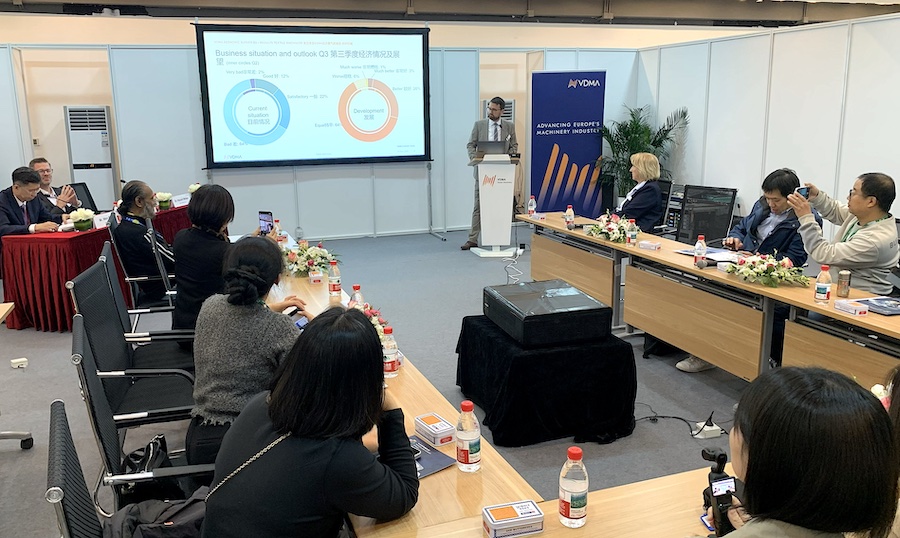
VDMA: German textile machinery manufacturers see signs of recovery as China remains a key market

Strong German participation at ITMA ASIA + CITME 2026 underscores China's importance for the textile machinery industry, while business surveys point to improving prospects for 2027.

#ITMA Asia + CITME 2026

ITMA ASIA + CITME 2026 opens in Shanghai, showcasing intelligent and sustainable textile manufacturing

ITMA ASIA + CITME 2026 opened today at the National Exhibition and Convention Center in Shanghai, bringing the global textile machinery industry together from 20 to 24 November.

#Associations

Christoph René Holler to succeed Uwe Mazura as managing director of textil+mode

Christoph René Holler will take over as managing director of textil+mode, the German textile and fashion industry confederation, on 1 January 2027. He succeeds Uwe Mazura, who has led the association for 13 years and will remain in charge of collective bargaining policy through the next round of negotiations before retiring.

#Heimtextil 2027

Heimtextil and The Florentin showcase the role of textiles in hotel design

Heimtextil has partnered with Frankfurt hotel The Florentin by Althoff Collection for its new Interior.Architecture.Hospitality campaign. The collaboration will give architects, interior designers and other contract-sector professionals a closer look at how textiles were used in the hotel. The two studios behind the project will discuss their work at Heimtextil on 14 January 2027 in Hall 4.1.

TOP