[pageLogInLogOut]

#Recycling / Circular Economy

Millions of PUMA football jerseys made with recycled textile waste
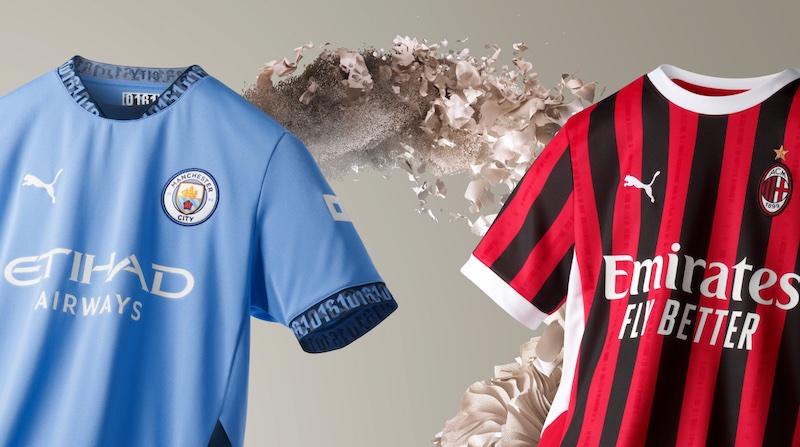
Global sports company PUMA has scaled up its textile-to-textile recycling innovation RE:FIBRE, creating millions of replica football jerseys with a minimum of 75% recycled textile waste and other waste material. For the first time, from the start of the 24/25 season, PUMA football replica jerseys* (featuring 35 Clubs), including those for the Euro and Copa América tournaments, are made from RE:FIBRE.
© 2024 PUMA
© 2024 PUMA


The upscaling builds on the 46,000 RE:FIBRE jerseys produced in 2023 and seeks to not only reduce textile waste, but also to create less reliance on plastic bottles to produce recycled polyester products. To make the upscaling possible, PUMA is exploring diversified ways to recycle polyester – such as thermo-mechanical and chemical recycling techniques enabling PUMA to significantly increase its capacity to recycle textile waste.

“RE:FIBRE gives football fans a tangible example of how PUMA is working towards creating a Forever Better,” said Anne-Laure Descours, Chief Sourcing Officer at PUMA. “Our wish is to have 100% of our polyester products created from textile waste. Rethinking how we produce and moving towards a more circular business model is important and RE: FIBRE is central to that.”

To celebrate this milestone, PUMA will hold a weekend of activities in the New York flagship store, timed to coincide with the launch of the AC Milan and Manchester City home replica kits and ahead of the two PUMA football teams playing in New York City. Fans of PUMA, AC Milan and Manchester City are welcome to get involved and celebrate PUMA’s RE:FIBRE journey in store.

Saturday 20th July 2024

One hundred limited edition badges upcycled from match worn jerseys by Jack Grealish and Christian Pulisic will be up for grabs in-store. The badges have been designed by US upcycler and PUMA Voice of a RE:Generation Andrew Burgess, to commemorate the expansion of PUMA RE:FIBRE.

Sunday 21st July

Andrew Burgess will host three upcycling workshops to educate fashion-curious consumers on the techniques for customising and upcycling clothing to extend their lifespan. Leaning into the crossover between sport and fashion, consumers will have the chance to take a RE:FIBRE t-shirt and turn it into a sportstyle inspired garment.

More information on this can be found here:

https://foreverbetter.com/en/circularity/refibre



More News from PUMA

More News on Recycling / Circular Economy

#Recycled Fibers

Recover and SUPIMA partner to develop recycled Pima cotton fibers and yarns

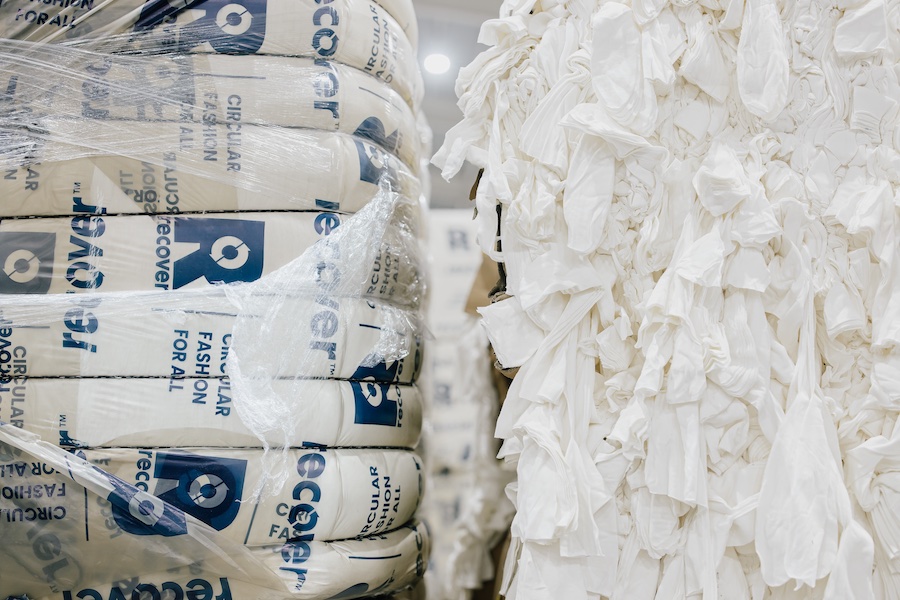
Recover and SUPIMA have partnered to turn waste from SUPIMA cotton production into a new line of recycled fibers and yarns. The collaboration will explore how recycled American-grown Pima cotton can be used in a wider range of yarns and garments for the premium market.

#Recycling / Circular Economy

ReSpin founder Åsa Strandberg receives Innovation Champion of the Year 2026 award

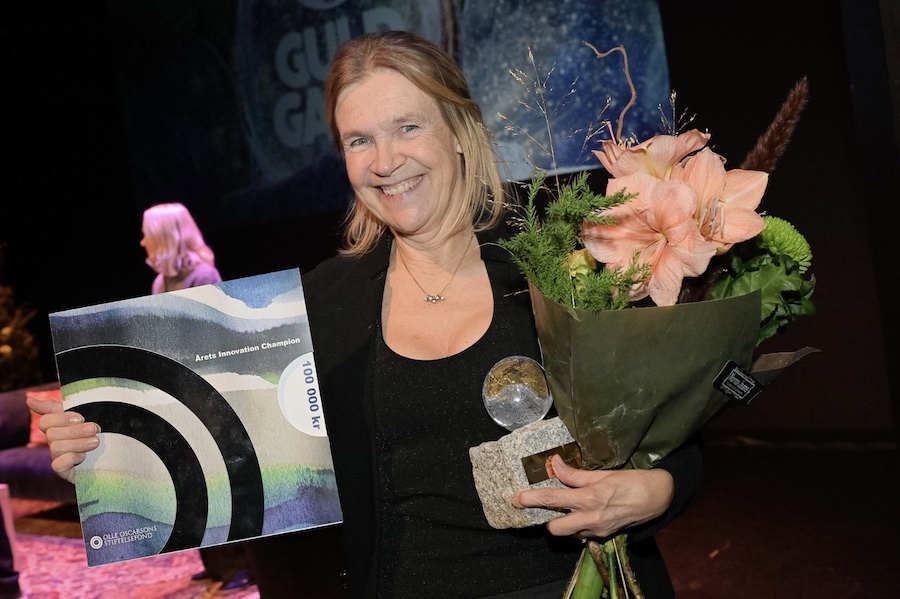
Åsa Strandberg, founder and CEO of Swedish textile recycling company ReSpin AB, has been named Innovation Champion of the Year 2026. The award recognises her development of RespinJenny, a patented technology designed to recycle textile waste into new, high-quality fibres without using water, chemicals or additional virgin raw materials. The distinction was presented by the Olle Oscarsson Foundation and Axera Inkubator at Guldgalan in Sweden.

#Recycling / Circular Economy

Circulose resumes recycling of discarded cotton textiles and appoints interim CEO

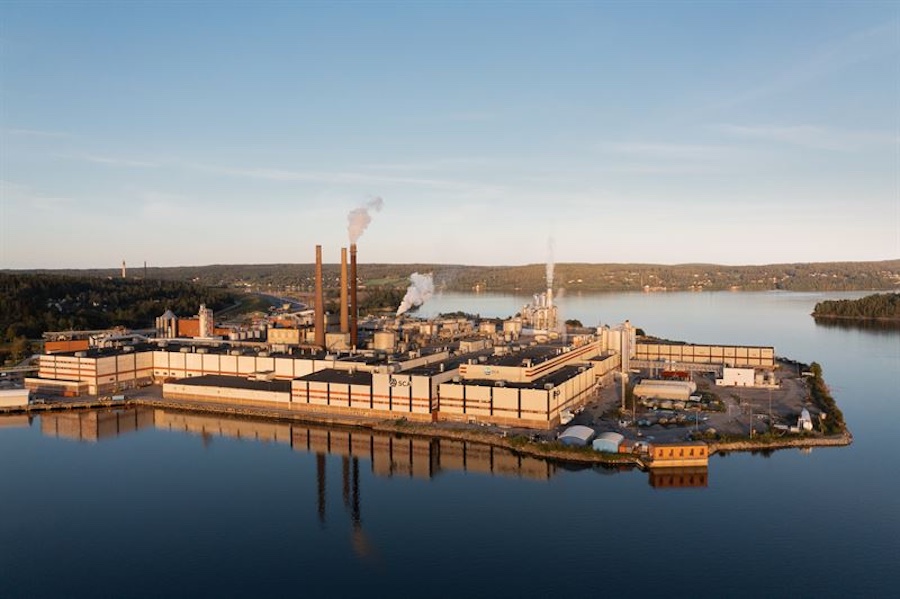
Circulose today announced its restart of commercial-scale production plant at Ortviken in Sundsvall, Sweden, marking a significant step in scaling next-generation materials for the global fashion industry. The Ortviken plant is the world’s first commercial-scale chemical textile recycling facility. Its restart demonstrates that the fashion industry is seeking ways to scale proven solutions that move beyond pilots and into commercial production.

#Recycled Fibers

Reju expands textile-to-textile recycling network with six international fabric manufacturers

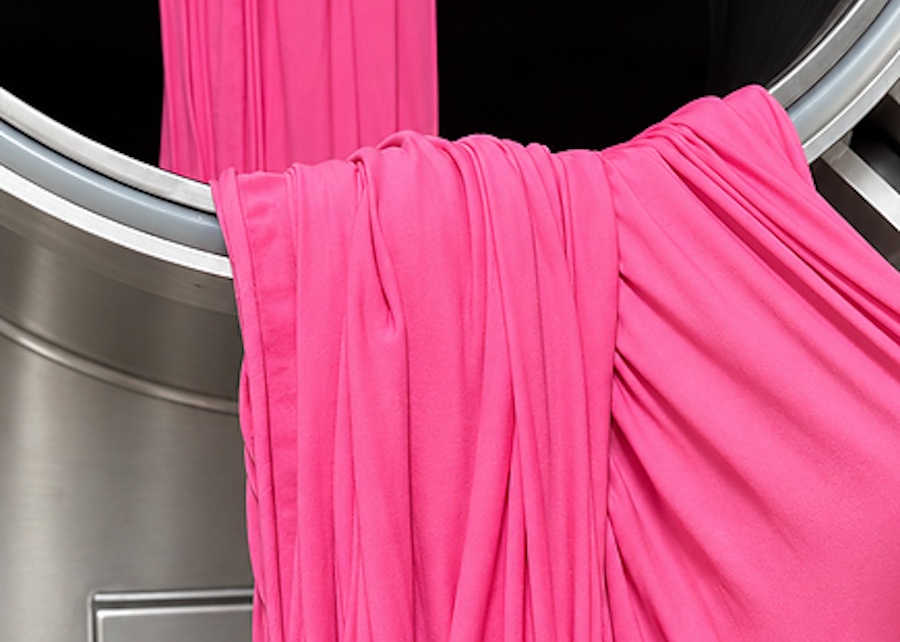
Reju, a textile-to-textile regeneration company, is expanding its industrial network through collaborations with six fabric manufacturers in Europe and the Americas. The initiative aims to accelerate the integration of regenerated polyester into textile manufacturing and support the development of finished fabrics for commercial applications.

Latest News

#Associations

Christoph René Holler to succeed Uwe Mazura as managing director of textil+mode

Christoph René Holler will take over as managing director of textil+mode, the German textile and fashion industry confederation, on 1 January 2027. He succeeds Uwe Mazura, who has led the association for 13 years and will remain in charge of collective bargaining policy through the next round of negotiations before retiring.

#Heimtextil 2027

Heimtextil and The Florentin showcase the role of textiles in hotel design

Heimtextil has partnered with Frankfurt hotel The Florentin by Althoff Collection for its new Interior.Architecture.Hospitality campaign. The collaboration will give architects, interior designers and other contract-sector professionals a closer look at how textiles were used in the hotel. The two studios behind the project will discuss their work at Heimtextil on 14 January 2027 in Hall 4.1.

#EU Textile Strategy

EU Commission proposes advanced materials agenda with targets for 2035

The European Commission has proposed an Advanced Materials for Europe agenda to accelerate the development, production and adoption of safer and more sustainable advanced materials. The proposal sets three benchmarks for 2035 and calls for closer coordination among EU member states to help move new materials from the laboratory into industrial production.

#Research & Development

Empa develops liquid-core fibre for insecticide-treated mosquito nets

Empa researchers have developed a liquid-core fibre for mosquito nets that can incorporate insecticides unsuitable for conventional melt spinning. The fibre gradually releases the active ingredient through a polymer sheath. The team developed and tested the yarn over three years in the Innosuisse project MalCoFil with Swiss industry partners Vestergaard and Monosuisse.

TOP