[pageLogInLogOut]

#Raw Materials

Cotton Sustainability Summit: A catalyst for industry collaboration

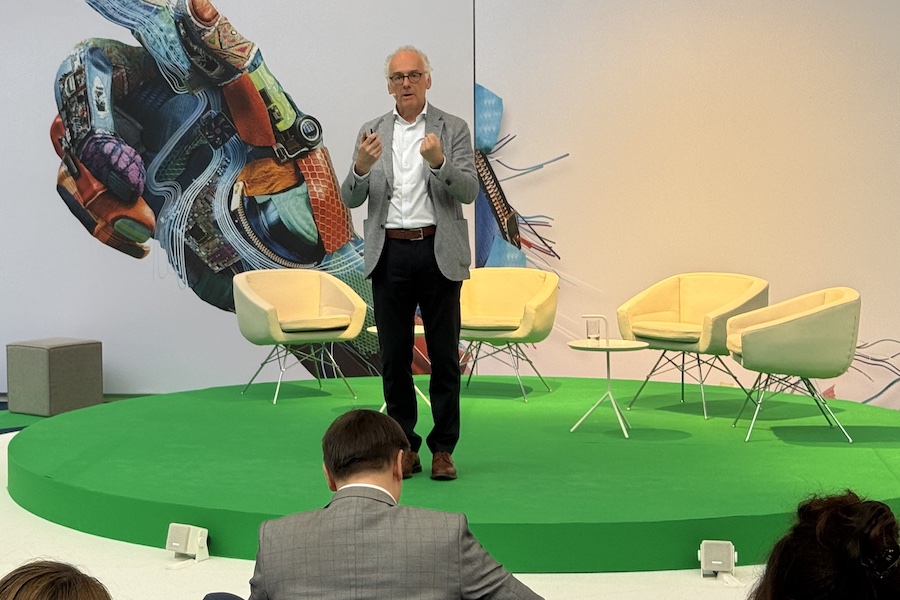
The 2024 Cotton Sustainability Summit, hosted by Cotton Incorporated in La Jolla, CA, brought together sustainability leaders from major fashion brands and retailers for engaging panel discussions and thought-provoking conversations on critical sustainability topics. The two-day event featured sessions tackling climate change, regenerative agriculture, supply chain value, biodiversity, plastic pollution, and circularity, underscoring both challenges and innovations shaping the cotton industry’s future.
© 2024 Cotton Incorporated


Keynote speakers Paul Hawken and Dr. Marcius Extavour set the tone by underscoring the urgent need for action across sectors to combat the impacts of climate change. Their talks emphasized the pivotal role of the cotton industry in driving sustainability while adapting to an increasingly demanding regulatory landscape.

Critical Industry Challenges and Solutions

Regenerative agriculture was an important topic at the Cotton Sustainability Summit, with discussions highlighting how these methods go beyond soil health to enhance water conservation, carbon capture, and biodiversity. U.S. cotton growers and industry scientists and leaders shared insights on why they are adopting regenerative practices to improve soil ecosystems and mitigate climate risks, framing regenerative agriculture as essential to the industry’s sustainability goals. As regulations and standards evolve, these practices are proving crucial, helping farmers balance environmental benefits with new legislative demands and setting a high bar for U.S. cotton.

Key Insights on Regenerative Agriculture

Many U.S. farmers are already using regenerative practices that contribute to healthy soils.

Regenerative agriculture practices can support carbon sequestration and lower overall carbon footprints, offering a practical solution to climate challenges.

Regenerative practices can not only be positive for the environment but for profitability too. These practices that improve soil health can increase yield and lower growers’ reliance on costly inputs.

Circularity in cotton was another key theme, focusing on the industry’s commitment to creating a closed-loop system where materials are reused, recycled or returned to the earth in responsible ways. Sessions covered innovations in upcycling, practical applications of circular systems within the cotton supply chain, as well as turning cotton garments into compost at the end of life to reduce waste. Research is ongoing to explore the full potential of composting and the challenges to waste handling and sorting materials. These initiatives reflect a shift toward a sustainable future in which the lifecycle of cotton products is continually renewed.

Key Insights on Circularity

Cotton has many options for circularity and end of product life.

Composting, the process of naturally transforming cotton textile waste into organic soil material, has been technically proven. Further research is underway to test the economic feasibility of the process, which holds promise for helping brands and retailers with production waste.

Recycling and repurposing of cotton textile waste is moving forward with efforts to improve sorting and handling of textile waste into recoverable waste streams.

“The Cotton Sustainability Summit represents a pivotal moment for our industry, where collaboration and innovation are more critical than ever. As we face the challenges of a changing climate and resource scarcity, the commitment to continual improvement, regenerative agriculture, and circularity is our path forward,” said Dr. Jesse Daystar, Chief Sustainability Officer at Cotton Incorporated. “It’s inspiring to see leaders across the supply chain pushing boundaries, setting rigorous standards, and driving meaningful change. Together, we’re redefining what’s possible for a sustainable cotton industry that benefits farmers, the planet, our communities, and future generations.”

Looking Ahead: A Shared Vision for Sustainability

The 2024 Cotton Sustainability Summit underscored that real change requires collaboration across the entire cotton value chain. Through shared insights and bold ideas, the industry’s commitment to sustainability is clear. By adopting regenerative practices, rigorous sustainability standards, and circular innovations, the cotton industry and its stakeholders can reshape our future. For more information on cotton sustainability, visit cottonworks.com or cottontoday.cottoninc.com.
More News from Cotton Incorporated

#Natural Fibers

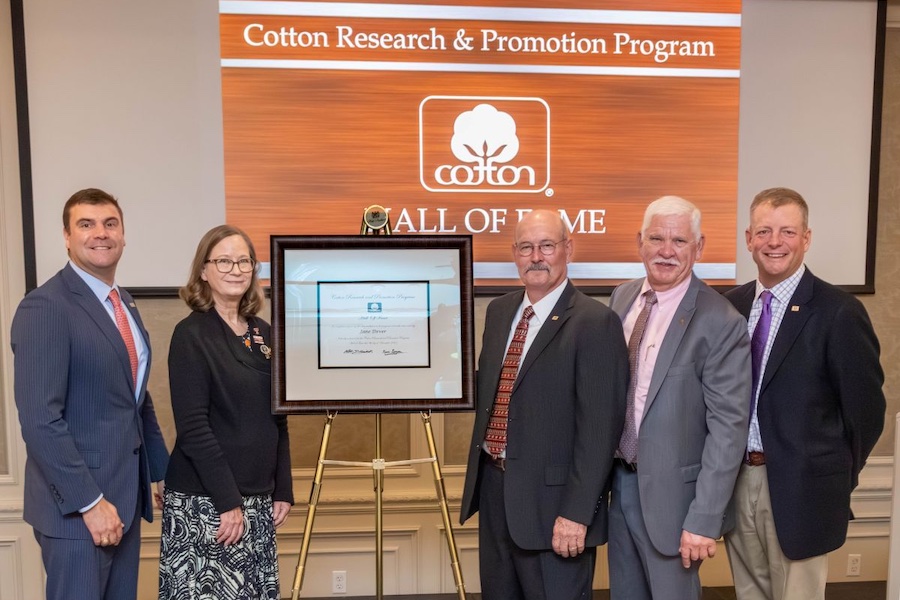
Dr. Jane Dever inducted into the 2025 Cotton Research and Promotion Hall of Fame

Dr. Jane K. Dever, a recognized leader in cotton breeding and fiber quality research, was inducted into the 2025 Cotton Research and Promotion Hall of Fame during the joint Cotton Incorporated/Cotton Board Annual Meeting held on December 9 in New Orleans, LA.

#Natural Fibers

Cotton Incorporated unveils reimagined CottonWorks platform

Cotton Incorporated today announced the launch of a reimagined CottonWorks™ website, an ambitious digital transformation designed to meet the evolving needs of today’s global textile professionals across every stage of the value chain. The new platform is more than a redesign – it is an intuitive, fashion-forward platform built to support compliance, product development, sourcing, and education across the textile industry.

#Natural Fibers

Cotton Incorporated hosts global dialogue in Hong Kong to lead cotton forward

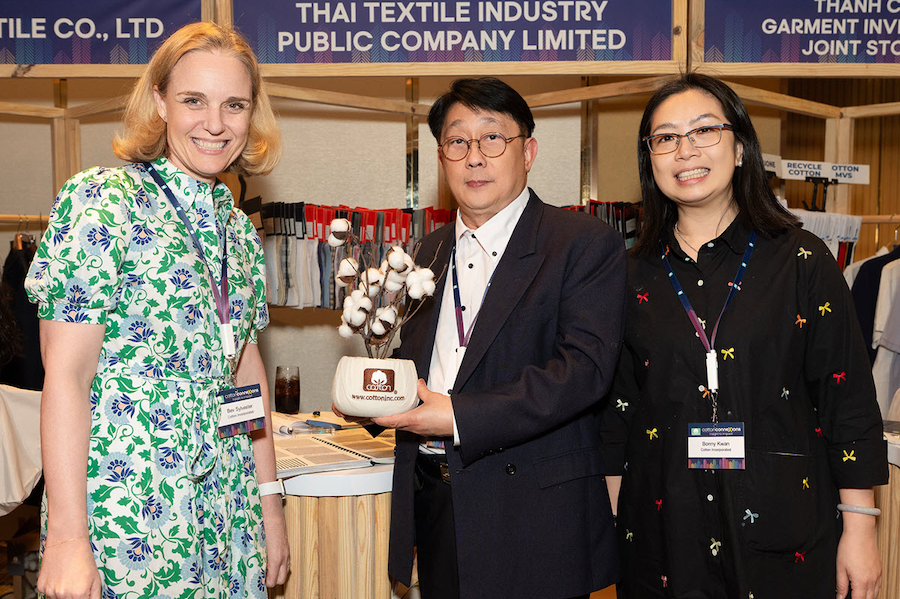
In a powerful display of global collaboration, more than 255 industry leaders from 124 companies including over 41 top global brands and sourcing organizations gathered in Hong Kong on May 15 for Cotton ConneXions: Where Innovation Meets Opportunity, a one-day summit hosted by Cotton Incorporated. The event united the global cotton supply chain to discover innovations, recognize industry contributions, generate business orders, network, and address the challenges and opportunities shaping the fiber’s future amid regulatory shifts and evolving market dynamics.

#Natural Fibers

Cotton Incorporated calls for investment in quality cotton fashion

When it comes to selecting the best fashion and home style pieces, quality matters. One key aspect that stands out among consumers is the choice of fabric, especially with cotton being a popular favorite for its comfort, durability, and sustainability. Whether it’s clothing or home textiles, the fiber label “cotton” signifies comfort and quality especially when looking for value per use in a down economy.

More News on Raw Materials

#Raw Materials

Lenzing Group positions bio‑based materials as a strategic asset for Europe’s economic security

The Lenzing Group, a leading supplier of regenerated cellulose fibers for the textile and nonwovens industries, hosted a high‑level roundtable in Brussels to discuss how bio‑based materials can strengthen Europe’s economic security and support the shift toward a fossil‑free future. Organized in cooperation with Euractiv, the event brought together representatives of the European Commission, the UK Mission to the EU, academia, civil society, and industry.

#Natural Fibers

Beyond Cotton: Natural Fibres in the Spotlight at the Bremen Cotton Conference - Branded by DNFI

Climate targets, fragile supply chains, and rising regulatory requirements are fundamentally changing the perspective of the textile industry - the focus is increasingly shifting toward the base material. Not only cotton, but natural fibres are gaining significant importance: they stand out not only because of their outstanding functional properties, but also because they make a valuable contribution to the bioeconomy and responsible product development.

#Raw Materials

International Women’s Day: Cotton made in Africa strengthens equality for women through targeted investments

On the occasion of International Women’s Day—which will be observed on 8 March under the motto “Rights. Justice. Action. For ALL Women and Girls”—the Aid by Trade Foundation (AbTF), which is responsible for Cotton made in Africa® (CmiA), underlines its long-standing and ongoing commitment to the equality of women in African cotton production areas.

#Raw Materials

ICAC projects slight decline in production, relative stability for consumption

Global cotton production is projected to decline by 4% in the 2026/27 season to 24.8 million tonnes, while consumption is expected to remain relatively steady at 25.0 million tonnes, according to the March 2026 edition of Cotton This Month.

Latest News

#Textiles & Apparel / Garment

Coats to showcase innovative reinforcement and filler materials for leather goods and accessories at APLF 2026

Coats, a world-class Tier 2 manufacturer and trusted partner for the apparel and footwear industries, will be promoting four advanced materials from its ‘Lifestyle Solutions’ portfolio at APLF 2026 in Hong Kong in March. Each innovation has been specifically engineered to help luxury and premium brands elevate the craft, durability, sustainability and creative expression required in the manufacturing of handbags, purses, and other high-end designer accessories.

#Textiles & Apparel / Garment

Design, innovation and sustainability propel VIATT 2026’s expanding role in ASEAN textile sourcing

At its third edition, the Vietnam International Trade Fair for Apparel, Textiles, and Textile Technologies (VIATT) further reinforced its role as a key sourcing and business platform for ASEAN’s textile industry. The three-day fair welcomed over 17,000 visits from 54 countries and regions, and featured over 460 exhibitors from 21 countries and regions across 18,000 sqm. The 2026 edition was marked by the introduction of new international pavilions and zones, broadening the fair’s sourcing scope across new geographies and product categories. The fringe programme, headlined by the debut Trend Forum, further distinguished VIATT as the region’s most integrated textile trade platform – uniquely spanning the entire value chain.

#Nonwovens

Sandler turns financial stability into a catalyst for shaping the future

The Sandler Group has presented its financial figures for the past fiscal year (01/01/2025-12/31/2025). Like previous years, the year 2025 was also marked by industry-wide structural challenges and geopolitical uncertainties. Turnover was virtually stable at EUR 321 million (2024: EUR 326 million). High energy costs continue to weigh heavily on profitability. The number of employees was 975 (2024: 980). The family-owned company, which was founded in 1879 and has been run by the fifth generation since August 2025, continues to invest millions in its Schwarzenbach site despite the high production costs in Germany. As part of the long-term corporate strategy, the management team is focusing on strict cost management, further development of the product portfolio, and greater efficiency in production and administrative processes. The company does not expect a market recovery in 2026 and 2027.

#Composites

JEC Composites Startup Booster: 2026 winners announced

The leading global startup competition for composites and advanced materials has crowned its 2026 champions, ahead of a landmark 10th anniversary edition next year. The winners of the JEC Composites Startup Booster 2026 were announced on Wednesday, 11 March, at JEC World, recognizing the most promising emerging companies reshaping the future of composites and advanced materials.

TOP