[pageLogInLogOut]

#Nonwovens / Technical Textiles

New Fare’ polypropylene fibers to replace asbestos in cement applications

In the light of the latest information confirming the dangerousness of asbestos which has been proved to be an extremely carcinogenic agent, Farè Spa gives his contribution in order to make easier and more feasible to replace asbestos with a chemical fiber.

It is known that short fibers are mixed into concrete to givebetter performances such as the reduction of plastic shrinkage and plasticcracking and to increase the surface properties and durability of hardened cementderivate products Asbestos was the commonly used fiber and still is the onegiving the best characteristics increase to concrete.

Unfortunately,asbestos has been proved to generate serious health problems both to the peoplewho work with it and to the ones who lives close to manufactured articlescontaining it. Therefore in almost all the countries is it becoming forbiddento utilize asbestos anymore and there are campaigns to replace the existingproducts containing asbestos with the ones without it.


Farè Spa has realized a new configuration of its SUPERSTAPLE line dedicated to produce a polypropylene based staple fiber having properties similar to the asbestos fibers with the aim to replace them. Indeed, Farè new staple fiber line has produced short cut PP fibers at high tenacity, low elongation and with a single fiber count as fine as 0, 48 den. Thanks to the very fine count, and because of the high tensile properties, such fibers are behaving almost the same as asbestos which is with extremely fine fibers.

With the new Farè fibers, manufactured articles such as ducts, corrugated roof sheets and roof tiles which are typical for fiber cement applications, are realized with very good technical results. Other important applications are also in the reinforced concrete for tunnels, galleries, dams, beams, columns , structures and frames where there is a benefit also in the earthquake resistance.
More News from FARE' S.p.A.

More News on Nonwovens / Technical Textiles

#ITMA Asia + CITME Singapore 2025

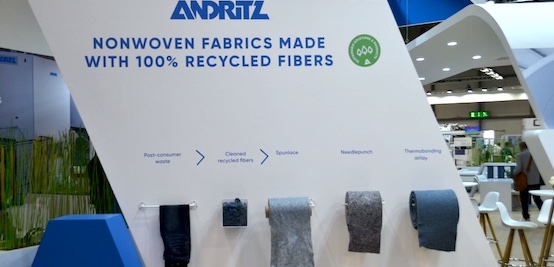
ANDRITZ sets focus on textile recycling and durable nonwoven production technologies at ITMA Asia 2025

International technology Group ANDRITZ will be presenting its innovative nonwovens production and textile solutions at ITMA ASIA + CITME 2025 in Singapore, from October 28 to 31, 2025 (Hall 2, D106). ANDRITZ will showcase its MMCF production plants, textile sorting and recycling, bast fiber processing, needlepunch, airlay, and life-cycle service technologies, with a focus on sustainable solutions. Discover how these innovations can grow your business opportunities and support a greener future.

#ITMA Asia + CITME Singapore 2025

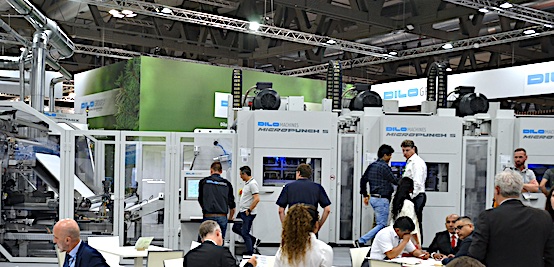
Dilo Group at ITMA ASIA Singapore 2025

At ITMA ASIA Singapore, the Dilo Group will exhibit at Booth No. H2 – D202. Together with Kansan Materials, Izmir, the company will present its latest developments and looks forward to welcoming visitors to exchange ideas and explore innovations in needling technology.

#Nonwovens

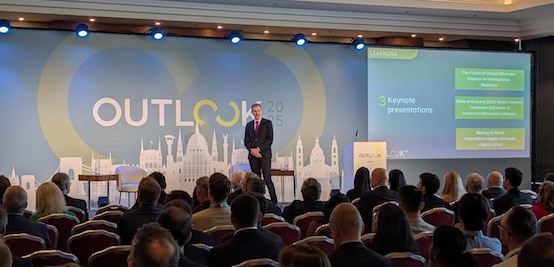
OUTLOOK™ 2025: Charting a sustainable and innovative future for the Nonwovens Industry

EDANA concluded its flagship event, OUTLOOK™ 2025, last week, marking it as a major success and addressing the biggest questions facing the industry. The three-day conference highlighted the urgent need for a unified approach to sustainability, regulation, and innovation in the absorbent hygiene and wipes sectors.

#Nonwovens

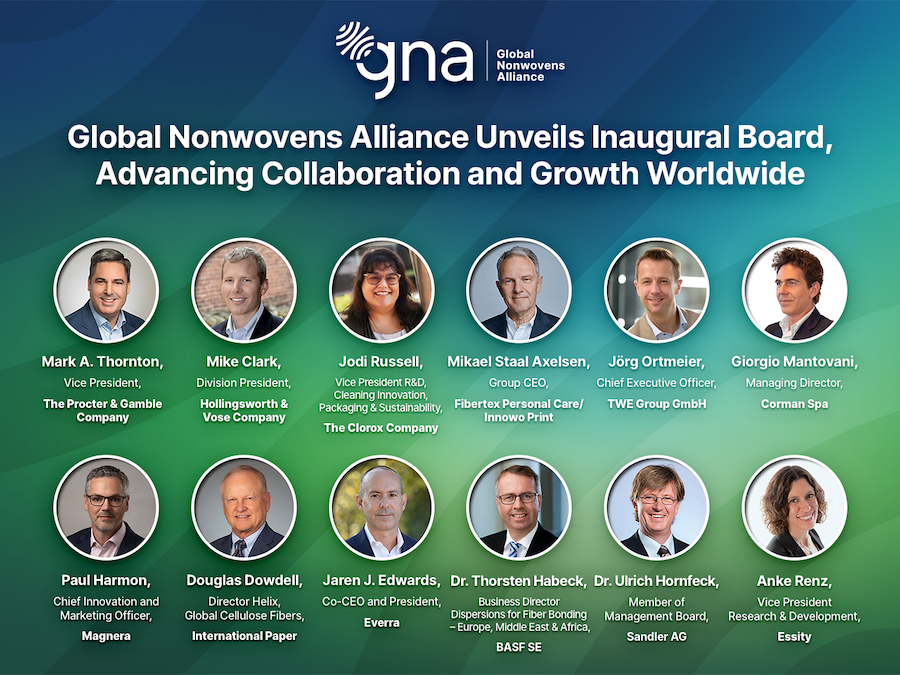
Global Nonwovens Alliance unveils Inaugural Board, advancing collaboration and growth worldwide

The Global Nonwovens Alliance (GNA), a tax-exempt federation jointly founded by INDA, the Association of the Nonwoven Fabrics Industry, and EDANA, the Voice of Nonwovens, announces the appointment of its founding Board of Directors. This group of leaders represents some of the most influential executives across the nonwovens value chain and reflects GNA’s mission to foster global collaboration, innovation, and growth in the industry.

Latest News

#India ITME 2026

Trützschler brings intelligent fiber processing and automation to India ITME 2026

From December 4 to 9, 2026, the Trützschler Group will present its latest innovations in spinning, card clothing and nonwovens at India ITME in Greater Noida, India. At Hall 11, Booth B15, visitors can discover solutions designed to increase productivity, reduce operating costs and ensure consistently high product quality. Key highlights include the intelligent card TC 26i, the 12-head comber TCO 21XL, innovative card clothing solutions for improved fiber utilization and quality, as well as advanced nonwovens technologies for hygiene, wipes and technical applications.

#Recycling / Circular Economy

Circulose resumes recycling of discarded cotton textiles and appoints interim CEO

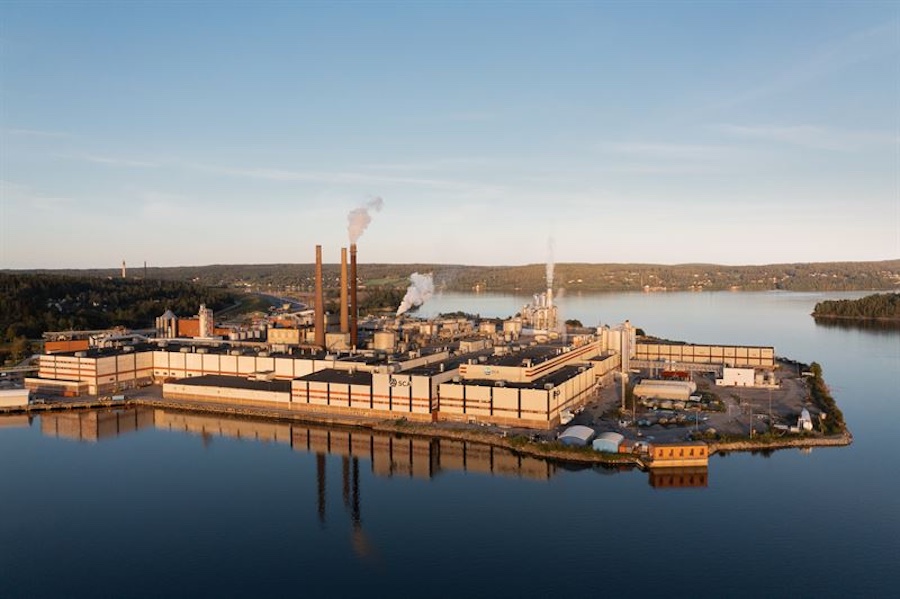
Circulose today announced its restart of commercial-scale production plant at Ortviken in Sundsvall, Sweden, marking a significant step in scaling next-generation materials for the global fashion industry. The Ortviken plant is the world’s first commercial-scale chemical textile recycling facility. Its restart demonstrates that the fashion industry is seeking ways to scale proven solutions that move beyond pilots and into commercial production.

#ITMA Asia + CITME 2026

Itema brings textile versatility to ITMA ASIA + CITME 2026

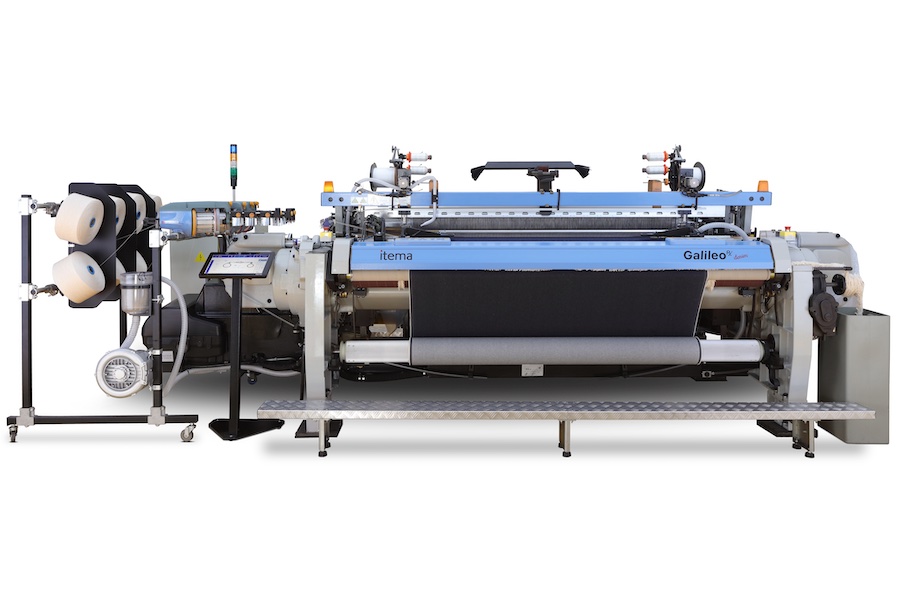
Itema announces its participation in ITMA ASIA + CITME 2026, taking place November 20–24 at the National Exhibition and Convention Center in Shanghai. In Hall 3 – Stand D06, the company will showcase two Galileo-RX rapier weaving machines weaving heavy denim and conveyor belt fabrics, demonstrating its ability to address different textile requirements with application-specific configurations. Five additional Itema machines at partner booths will extend the exhibition lineup to upper shoe fabric, label, Jacquard leno fabrics, and shirting, offering visitors a broader view of Itema rapier and air-jet weaving technologies.

#Dyeing, Drying, Finishing

AEI reaps the benefits of all-electric new Monforts range

The impact of the rising cost of energy on the textile industry has been well documented, with some European countries paying up to seven times more to run their manufacturing operations than in other regions of the world.

TOP