[pageLogInLogOut]

#Nonwovens / Technical Textiles

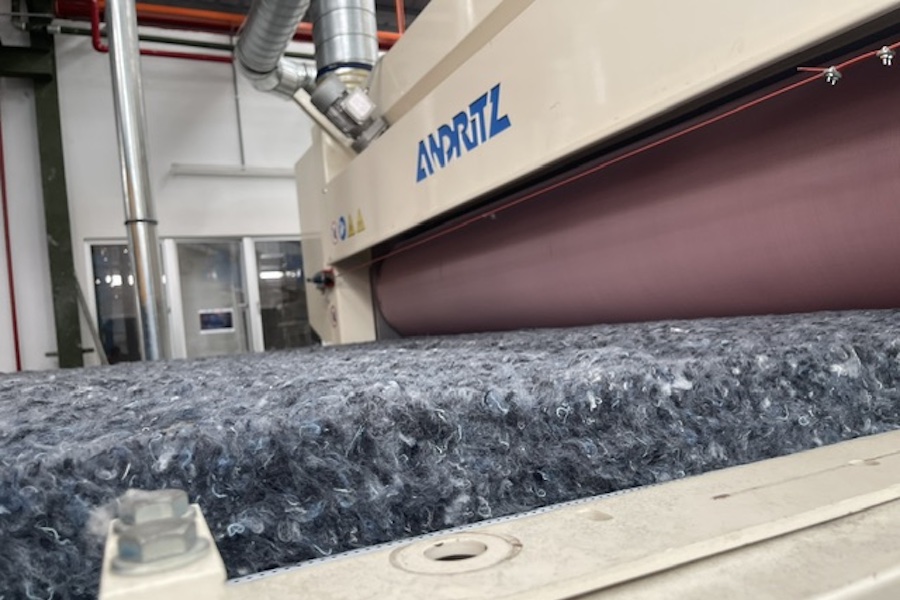
ANDRITZ presents the world’s first nonwovens pilot line for wipes with integrated wetlaid pulp process

ANDRITZ Nonwoven Wetlace CP line © ANDRITZ
International technology group ANDRITZ has established a new inline Wetlace™ CP pilot line with an original design at its center of competence in Montbonnot, France. From now on, ANDRITZ partners will be able to conduct trials and test all options available for wipes production – from carded staple fibers to pulp and various combinations thereof – thanks to the new inline Wetlace™ CP line.

Customers will benefit from the expertise of the ANDRITZ specialists with this fully engineered process, combining both spunlace and wetlaid technologies, so that they can move forward to more sustainable options while maintaining a high level of product quality, in particular by achieving high CD strength and good linting properties.

Over the past few decades, ANDRITZ has continued to innovate with various nonwoven processes, like spunlace, WetlaceTM and Wetlace™ CP, with the aim of optimizing the use of raw materials and focusing on sustainability by reducing the synthetic fiber content. Facing the growing demand for bio-wipes in parallel with enforcement of the EU’s single-use plastics directive last year, ANDRITZ has decided to go one step ahead to help its customers make the right investments.


The Montbonnot pilot line has been rebuilt to integrate the new headbox inside the spunlace line. Pulp can be fed in directly and entangled with carded staple fibers to produce unique nonwoven fabrics designed for end uses as bio-wipes.
More News from ANDRITZ Nonwoven

#Nonwoven machines

MENANG rapidly resumes production with new ANDRITZ airlay line after major fire

MENANG, a Malaysian manufacturer of nonwoven automotive components, has resumed production after a major fire severely damaged its airlay line in mid-March 2026. A new airlay line supplied by ANDRITZ enabled production to restart within only four months.

#Nonwoven machines

A Penteadora starts up ANDRITZ textile recycling and needlepunch nonwoven lines in Portugal

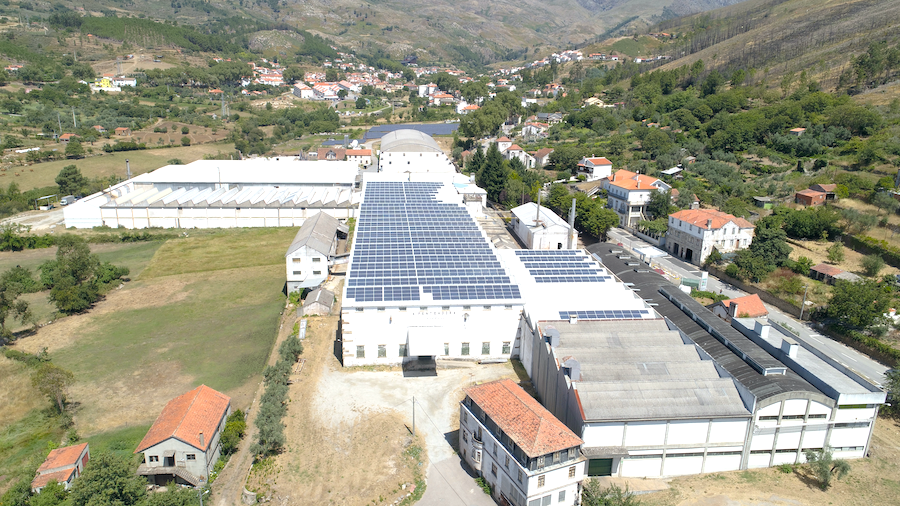
A Penteadora SA has successfully started up a complete mechanical textile recycling line and a needlepunch nonwoven line supplied by ANDRITZ at its production site in Unhais da Serra, Portugal. This investment enables A Penteadora to expand its industrial capabilities and develop a new generation of solutions based on pre- and post-consumer recycled textiles. The input materials originate from its own production waste and other textile waste streams. Both lines are fully operational, and the first products are expected to reach the market in July.

#Nonwoven machines

ATCO Hygienics, Uzbekistan, orders baby diaper production line from ANDRITZ

International technology group ANDRITZ has received an order from ATCO Hygienics to supply a new baby diaper production line for its plant in Tashkent, Uzbekistan. The order is included in ANDRITZ’s order intake for the first quarter of 2026. Commissioning of the production line is scheduled for the end of 2026.

#Nonwoven machines

Kruger, Canada, orders first nonwovens line for sustainable wipes from ANDRITZ

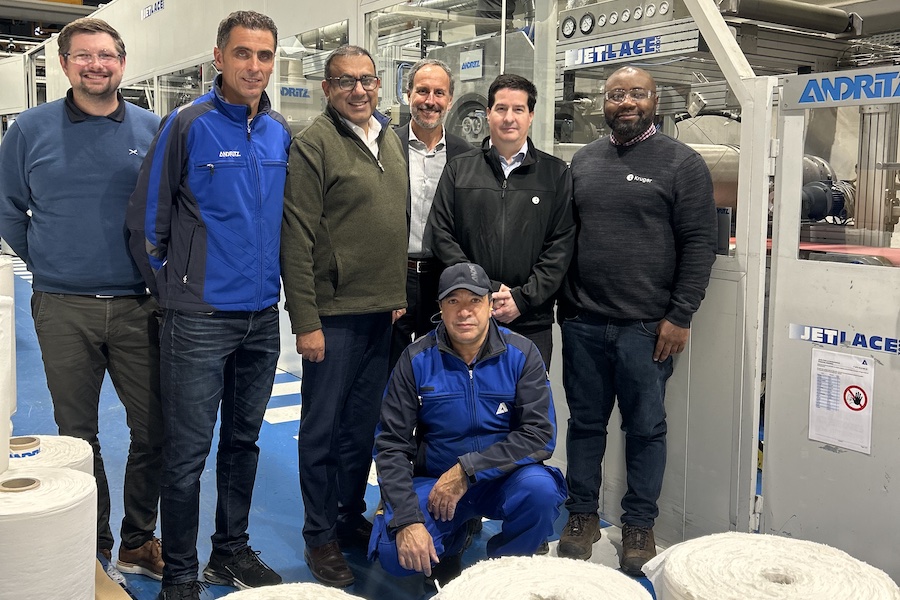
International technology group ANDRITZ has received an order from newly established Kruger Nonwovens to deliver a complete WetlaceTM hybrid line for the Wayagamack mill in Trois-Rivières, Quebec, Canada. With this investment, pulp and paper producer Kruger is preparing to enter the nonwovens market with a new generation of plastic-free, chemical-free materials for sustainable wipes. The line is the first of its kind in Canada and is scheduled to start production in 2028.

More News on Nonwovens / Technical Textiles

#ITMA Asia + CITME Singapore 2025

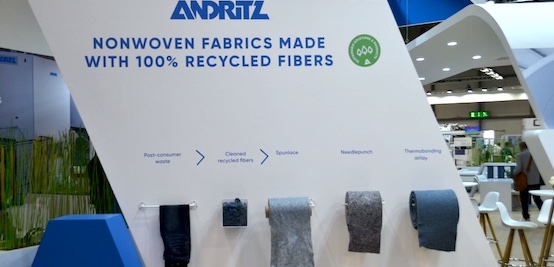
ANDRITZ sets focus on textile recycling and durable nonwoven production technologies at ITMA Asia 2025

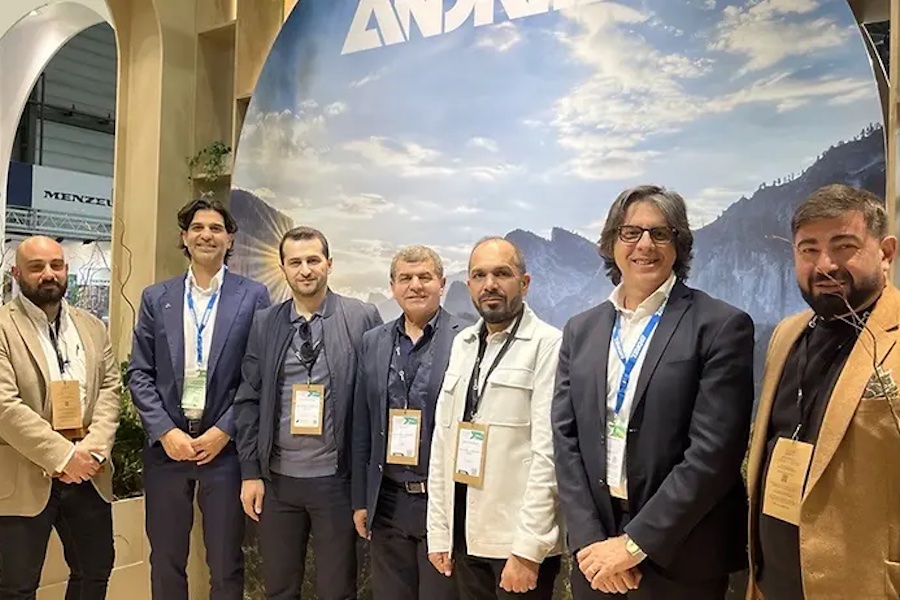
International technology Group ANDRITZ will be presenting its innovative nonwovens production and textile solutions at ITMA ASIA + CITME 2025 in Singapore, from October 28 to 31, 2025 (Hall 2, D106). ANDRITZ will showcase its MMCF production plants, textile sorting and recycling, bast fiber processing, needlepunch, airlay, and life-cycle service technologies, with a focus on sustainable solutions. Discover how these innovations can grow your business opportunities and support a greener future.

#ITMA Asia + CITME Singapore 2025

Dilo Group at ITMA ASIA Singapore 2025

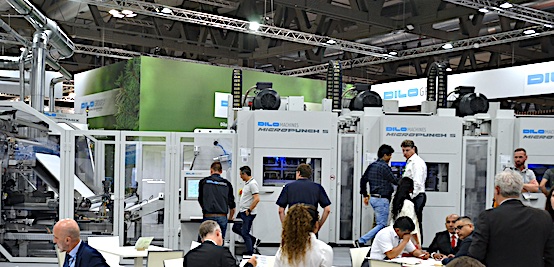
At ITMA ASIA Singapore, the Dilo Group will exhibit at Booth No. H2 – D202. Together with Kansan Materials, Izmir, the company will present its latest developments and looks forward to welcoming visitors to exchange ideas and explore innovations in needling technology.

#Nonwovens

OUTLOOK™ 2025: Charting a sustainable and innovative future for the Nonwovens Industry

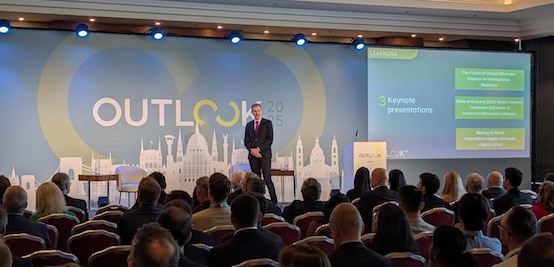
EDANA concluded its flagship event, OUTLOOK™ 2025, last week, marking it as a major success and addressing the biggest questions facing the industry. The three-day conference highlighted the urgent need for a unified approach to sustainability, regulation, and innovation in the absorbent hygiene and wipes sectors.

#Nonwovens

Global Nonwovens Alliance unveils Inaugural Board, advancing collaboration and growth worldwide

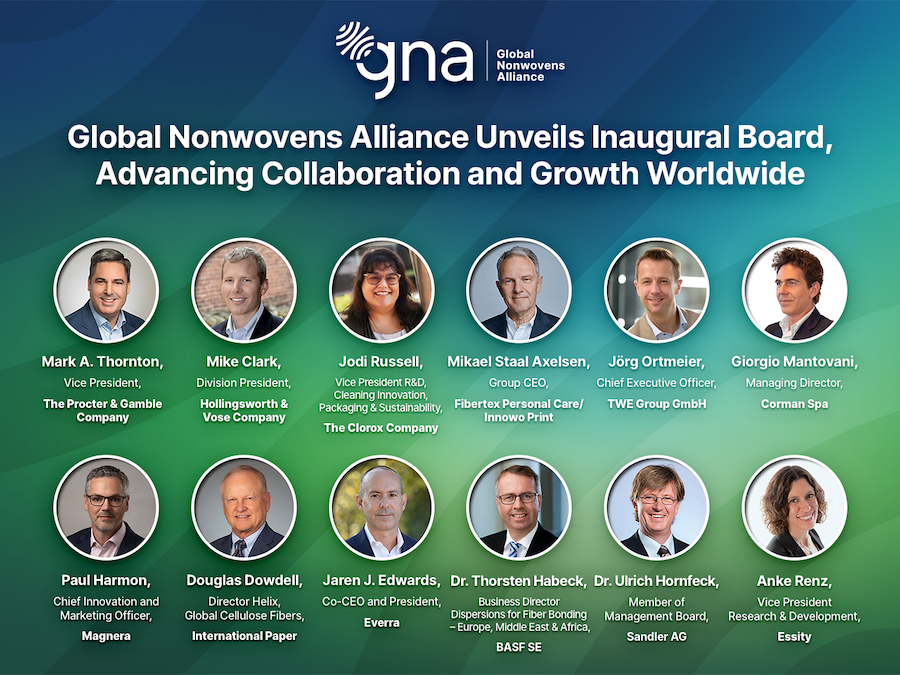
The Global Nonwovens Alliance (GNA), a tax-exempt federation jointly founded by INDA, the Association of the Nonwoven Fabrics Industry, and EDANA, the Voice of Nonwovens, announces the appointment of its founding Board of Directors. This group of leaders represents some of the most influential executives across the nonwovens value chain and reflects GNA’s mission to foster global collaboration, innovation, and growth in the industry.

Latest News

#Knitting & Hosiery

Monarch extends its Woven Look knitting technology from mattress ticking to apparel and performance textiles

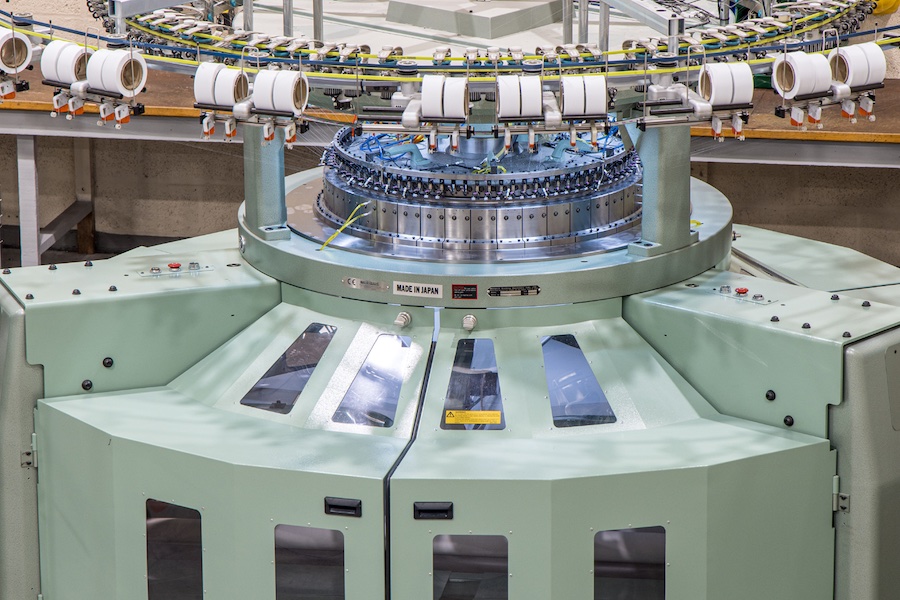
A fabric technology originally developed to reproduce the appearance of woven mattress ticking by Monarch Knitting Machinery, a member of the British Textile Machinery Association (BTMA), is finding new applications in apparel. With the introduction of its 36-gauge OD5B-M-7ED44 double-knit machine, Monarch is expanding the possibilities for producing fine knitted structures that closely resemble woven textiles while retaining the stretch and comfort associated with knitting.

#Recycling / Circular Economy

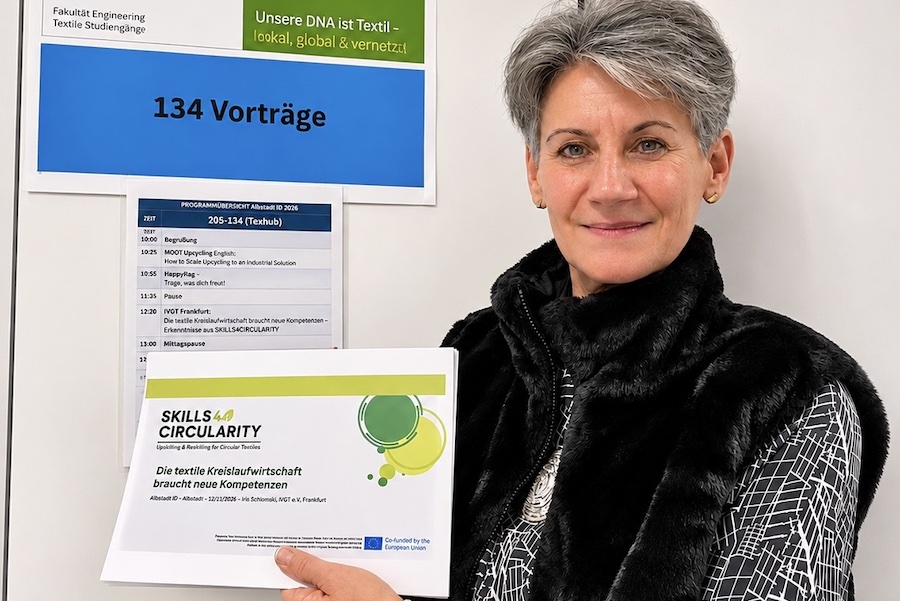
IVGT presents initial findings from the Erasmus+ project Skills4Circularity

At Albstadt ID 2026, hosted by Albstadt-Sigmaringen University of Applied Sciences, IVGT project manager Iris Schlomski presented initial findings from Skills4Circularity on 12 November 2026. She opened her presentation with an estimate from the European Environment Agency: the EU generated around seven million tonnes of textile waste in 2022. The Erasmus+ project brings together 21 partners from twelve countries to identify the skills textile and clothing professionals need to design more durable products, use fewer resources in production and recover fibres after use.

#India ITME 2026

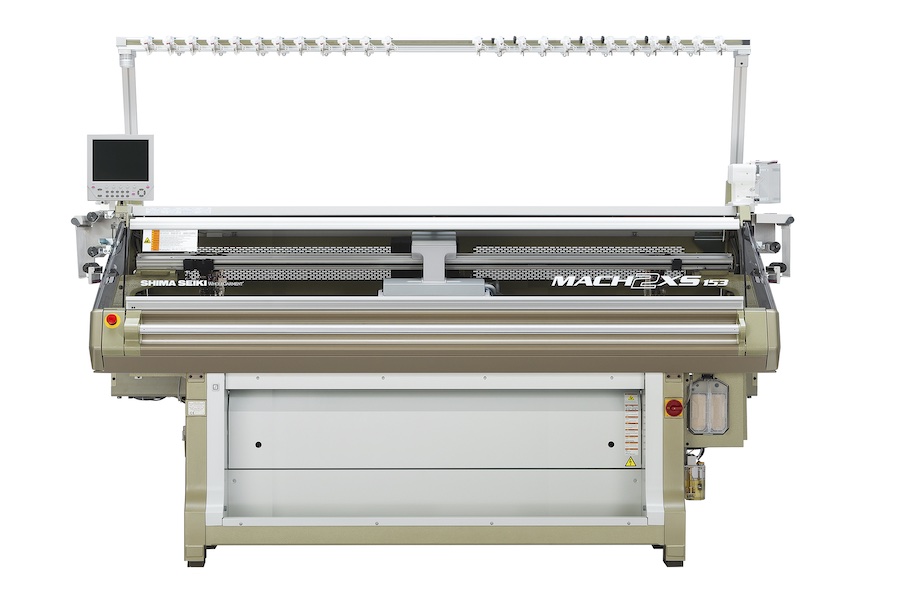
SHIMA SEIKI connects knitting innovation, digital product development and automated cutting at India ITME 2026

Japanese textile machinery and technology specialist SHIMA SEIKI MFG., LTD. will present a comprehensive portfolio of advanced knitting, digital design and automatic cutting solutions at India ITME 2026 in Greater Noida from 4 to 9 December. At Hall 14, Booth D1, the company will showcase its latest WHOLEGARMENT® and shaped knitting technologies, digital product development solutions and the Indian premiere of its new P-CAM® R multi-ply automatic cutting machine, designed for a wide variety of industries beyond fashion apparel.

#Raw Materials

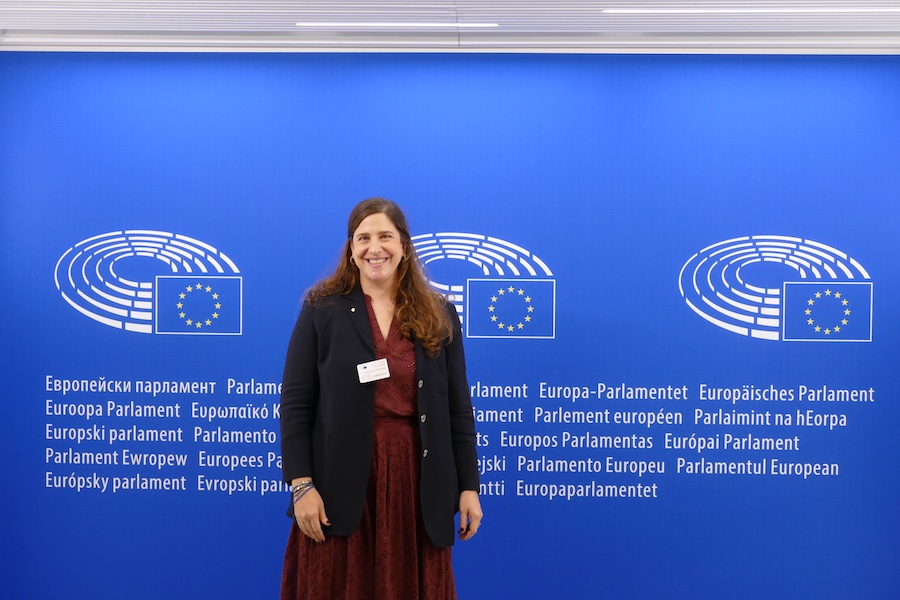
Cotton Brazil calls for balanced textile sustainability regulations and stronger international cooperation

Cotton Brazil has concluded its strategic agenda in Brussels, Belgium, reinforcing the importance of recognising natural fibres in European sustainability policies and expanding exchanges with policymakers, agricultural attachés and representatives of cotton-producing countries. Discussions at the European Parliament highlighted the need for balanced textile sustainability regulations, while meetings with cotton-producing countries opened opportunities for international cooperation.

TOP