#Raw Materials
Cotton Brazil calls for balanced textile sustainability regulations and stronger international cooperation
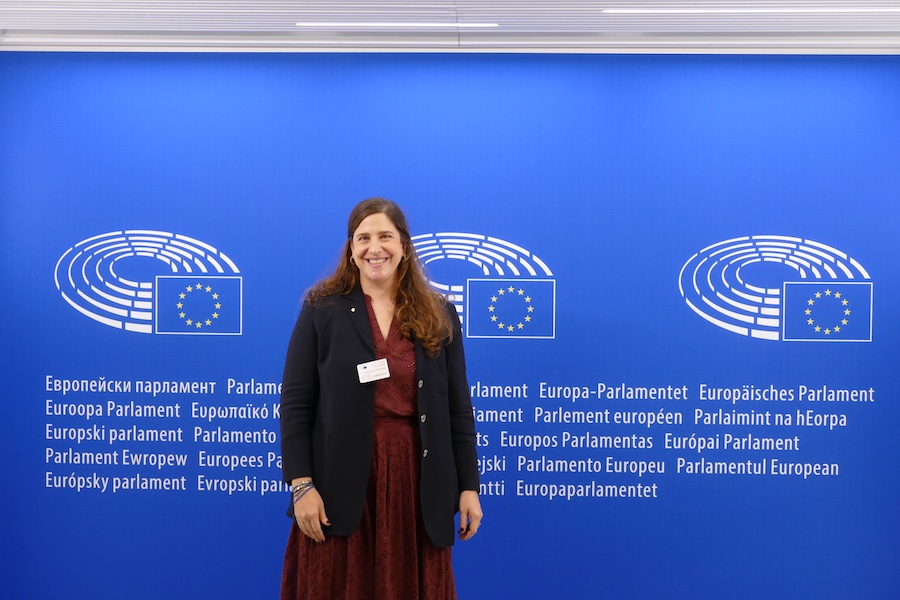
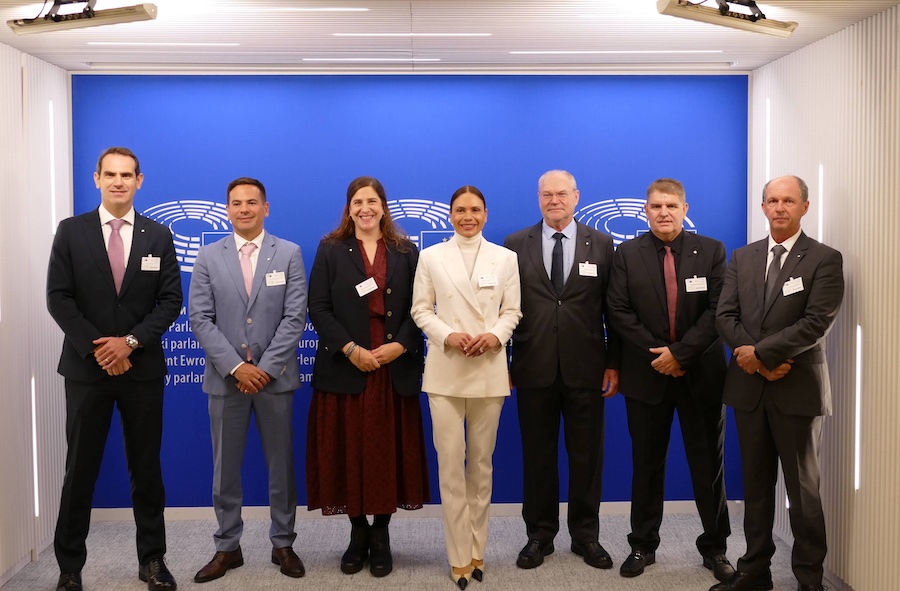
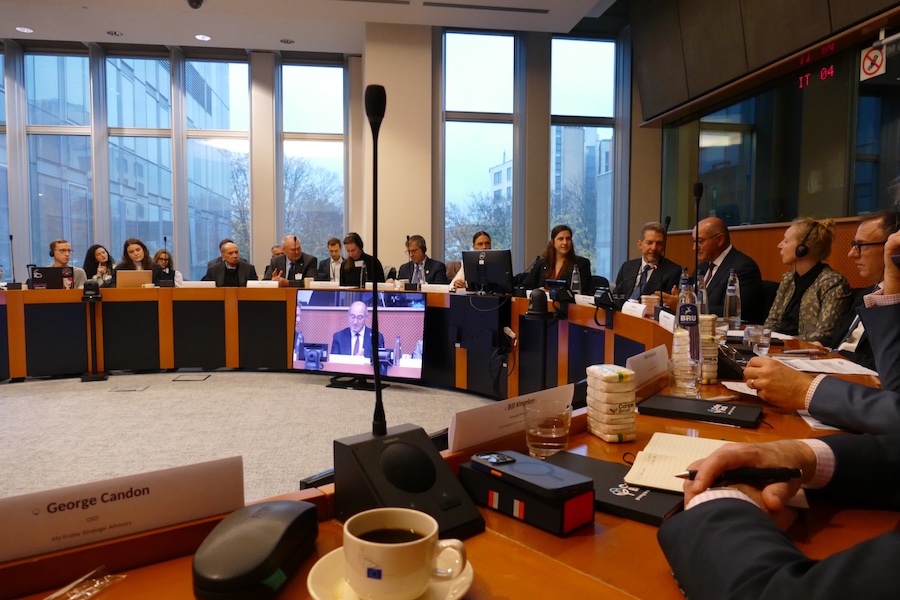
One of the highlights was the roundtable “The critical role of cotton in Europe’s sustainable ambitions,” held at the European Parliament on November 17. Hosted by Member of the European Parliament (MEP) Hélder Sousa Silva and supported by Cotton Brazil, the discussion underscored the need for continued engagement with European policymakers to ensure that the contributions of natural fibres are properly recognised in textile sustainability regulations.
Lisa Ventura, Head of International Partnerships at the Brazilian Cotton Growers Association (Abrapa), highlighted the importance of continued advocacy efforts at European Union level: “The roundtable sent a very clear message: we need to continue and strengthen our advocacy efforts at the EU level to ensure that natural fibres are properly understood and recognised by policymakers, particularly for their positive contributions to livelihoods, communities and sustainability objectives.”
Natural fibres in European sustainability policies
The discussions provided concrete examples of how cotton and other natural fibres can contribute to the European Union's sustainability ambitions, including efforts to address microplastic pollution.
Ventura also highlighted the need for fair and balanced approaches to textile sustainability regulations: “There are still important gaps in environmental assessment methodologies, including the Product Environmental Footprint (PEF), which need to be addressed to ensure that the specific characteristics and impacts of different fibres are properly reflected.”
The discussion on microplastic pollution also connects with the Brazilian initiative #MicroplásticoÉoFimdaLinha (“Hanging by a Thread”), which raises awareness about the environmental and health impacts of microplastics and encourages reflection on the role of natural fibres in the textile industry.
Bringing cotton growers' perspectives to the European Parliament
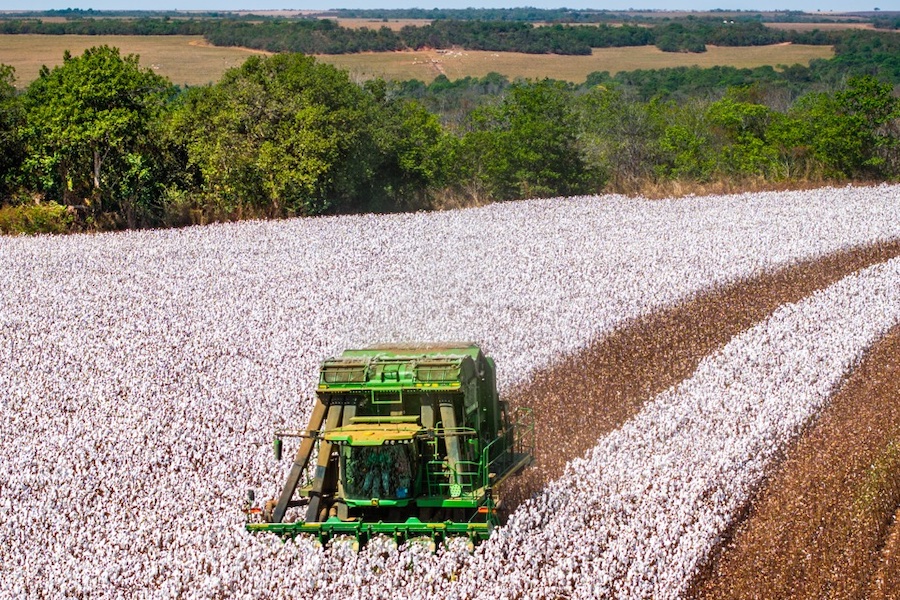
The participation of Brazilian cotton growers at the European Parliament was another important aspect of the agenda, bringing first-hand farming experiences into the policy discussion.
Emphasising the importance of involving producers directly in regulatory discussions, Ventura explained: “One particularly important aspect was having Brazilian cotton producers represented directly at the European Parliament. Their participation brought the realities of farming into the policy discussion, allowing them to share first-hand experiences and highlight some of the existing gaps between regulatory expectations and the practical realities producers face on the ground. This perspective is essential to ensuring that policies are effective, proportionate and workable in practice.”
The Brussels discussions also included producers from Greece, Europe's largest cotton-producing country. Exchanges between producers revealed shared challenges and concerns, highlighting the potential for closer cooperation among cotton-producing countries.
International cooperation and shared challenges
Beyond the roundtable, the Cotton Brazil delegation met with representatives of European institutions and agricultural attachés to present the contribution of Brazilian cotton and demonstrate how responsible production can support climate resilience, livelihoods and more sustainable supply chains.
Ventura sees considerable potential for closer international cooperation across the cotton sector: “Meetings with representatives from other cotton-producing countries were equally important. They provided an opportunity to learn about their initiatives, exchange experiences and discuss how we can collaborate more closely. We share many of the same objectives and challenges in this area, which reinforces the importance of a coordinated international approach across the cotton sector.”
One of the main outcomes of the agenda was the strengthening of relationships with existing partners and strategic stakeholders, both within the global cotton sector and among organisations and institutions involved in the sustainable textiles agenda.
Towards a balanced, evidence-based regulatory framework
The Brussels agenda also confirmed the importance of maintaining a consistent presence in European policy discussions. For Cotton Brazil, regular contact with policymakers is essential to sharing accurate and up-to-date information, presenting the realities of cotton production and ensuring that the positive contributions of natural fibres are considered in the development of European policies.
Looking ahead, Ventura outlined the priorities for Cotton Brazil's further engagement: “Our next step is to turn these discussions and connections into continued dialogue, strengthen partnerships and contribute actively to a more balanced, evidence-based regulatory framework.”