[pageLogInLogOut]
TRÜTZSCHLER SPINNING - THE NEW CARD

#Industry 4.0 / Digitalization

TRICK partners gather for Technical Meeting

The TRICK Technical Meeting took place on 23-24 February, in Biella, Italy, having consortium partners joining in person and virtually.

Over the course of two days, the Textile ETP and TRICK partners convened to hold discussions and share insights on the TRICK project's technical advancements, pilots, and services, always keeping in mind the aim of the project: enhancing traceability and circularity in the textile and food production domains.

During the meeting, the consortium delved into the six services recognized by the TRICK initiative:

1.) PCO (Product Certificate of Origin)

2.) Circular Assessment

3.) Product Environmental Footprint (PEF)

4.) Health and protection

5.) Ethical Assessment

6.) AI for anticounterfeiting


The consortium received a comprehensive explanation of each service, including the challenges that need to be addressed to achieve them.

In addition, the partners also examined the end-user interface pilot. This pilot is an important component of the TRICK project, as it will offer companies a platform to manage product traceability.

Overall, the meeting was beneficial for Textile ETP, as it allowed them to determine which services were likely to undergo market analysis in the upcoming months, the company announced.

© 2023 Textile ETP
© 2023 Textile ETP


The TRICK project support SMEs in the adoption, tracing and demonstration of sustainable approaches by means of an innovative and circular product information management system, based on a data collection platform secured by Blockchain and integrated with an open marketplace for the matched services. It is funded from the European Union’s Horizon 2020 research and innovation programme (GA 958352) with 8mls of contributions, and started in May 2021 with a duration of 42 months.

© 2023 Textile ETP
© 2023 Textile ETP


More News from TEXDATA International

#ITM 2026

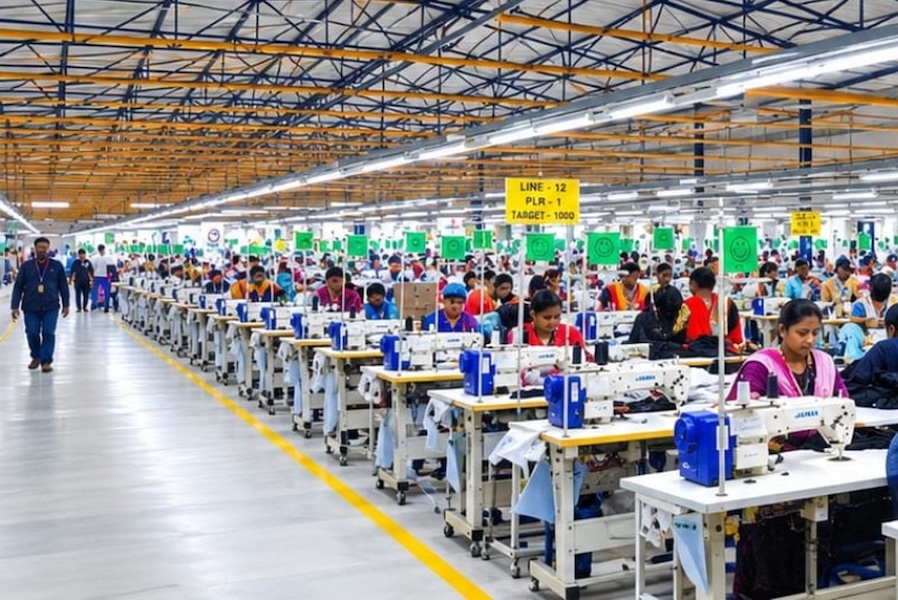
ITM 2026: The new geography of textile production

New production hubs are emerging across North Africa and Central Asia, while Türkiye is accelerating its transformation toward higher-value, technology-driven and more sustainable textile manufacturing.

#Research & Development

“Production is a product”

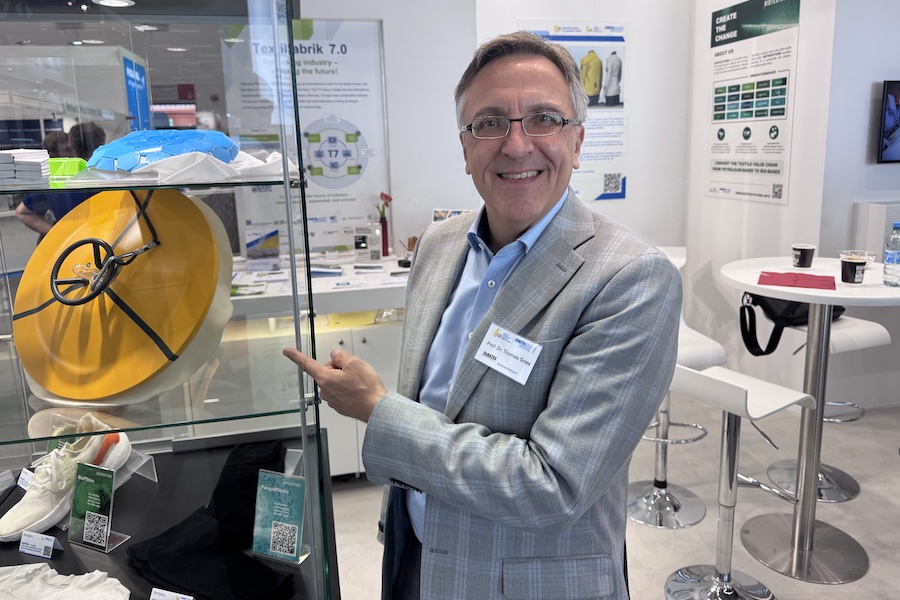
From technical textiles and AI-driven robotics to the limitations of textile circularity: Professor Dr Thomas Gries looks back on more than two decades of development at ITA Aachen. In the interview, he explains why production technology remains a decisive success factor, discusses international collaborations and innovation ecosystems, and shares his views on the transformation of production landscapes and the challenges facing an increasingly regulated industry.

#Knitting & Hosiery

“We need to move away from the price trap and return to a value-driven mindset.”

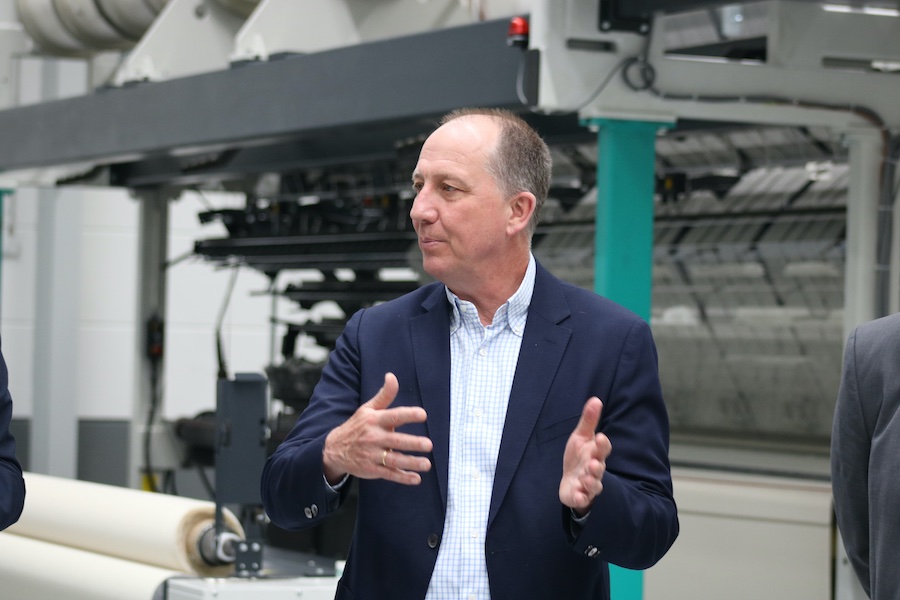
With its new Textile Innovation Center, KARL MAYER is sending a strong signal for innovation, collaboration, and the future of textile applications. In this interview, Karl Josef Mayer discusses new opportunities in warp knitting, the processing of staple fibres, recycling, the changing role of machinery manufacturers, and why the textile industry must once again focus more strongly on the value of textiles. by Oliver Schmidt

#Associations

“Innovation, resilience and international experience remain the great strengths of the Swiss textile machinery industry”

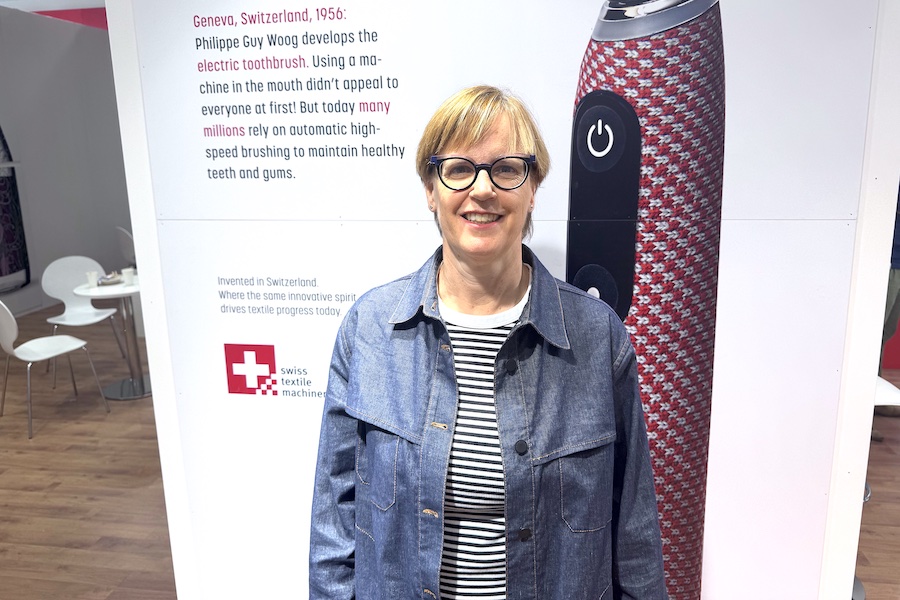
Geopolitical uncertainty, growing competitive pressure from China, new free trade agreements and the shift towards a circular economy are currently reshaping the global textile industry. In this interview, Cornelia Buchwalder discusses the current mood within the Swiss textile machinery sector, the industry’s distinctive innovative strength, new market opportunities in India and Asia, and the technological trends that could shape the upcoming trade fair cycle leading up to ITMA 2027.

More News on Industry 4.0 / Digitalization

#Industry 4.0 / Digitalization

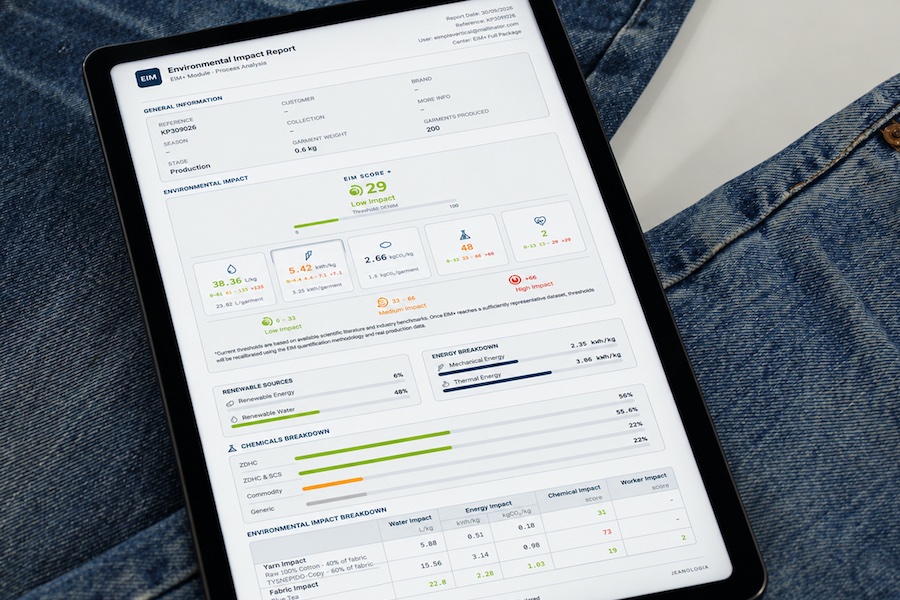
Jeanologia and BCome connect factory data with Life Cycle Assessment and Digital Product Passports

A new white paper by EIM by Jeanologia and BCome demonstrates how primary environmental data from denim finishing processes can be integrated into a garment's Life Cycle Assessment (LCA) and prepared for use in a Digital Product Passport (DPP). A comparative case study highlights significant improvements at the production stage while also showing how these translate into the environmental performance of the finished garment.

#Industry 4.0 / Digitalization

White House reduces production planning time by up to 80% with Coats Digital’s FastReactPlan

Indian garment manufacturer White House has reduced its production planning cycle by 60–80% following the implementation of Coats Digital’s FastReactPlan software. The integrated planning solution provides greater visibility across production, capacity and material requirements while supporting faster decision-making and improved delivery performance.

#Industry 4.0 / Digitalization

Jeanologia presents expanded EIM platform and COMMON GROUND collection at Kingpins Amsterdam

Jeanologia is presenting two approaches to textile product development at Kingpins Amsterdam on October 14–15: measuring the environmental impact of textile production and exploring new creative possibilities through garment finishing technologies.

#Software

UNIFEQ Europe adopts Coats Digital’s GSDCost and AI-powered GSDQuest to support rapid growth

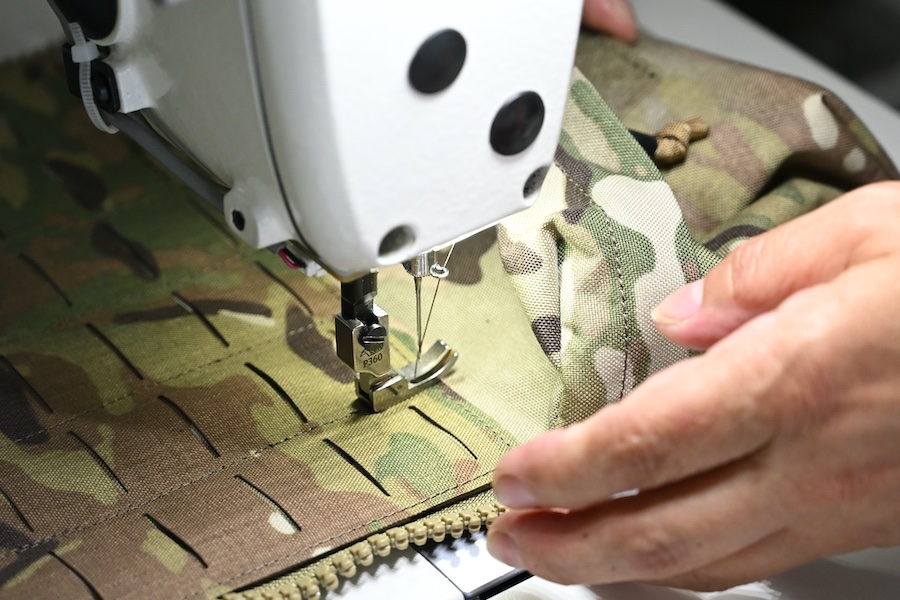
Coats Digital is pleased to announce that rapidly growing Polish defence and uniform manufacturer UNIFEQ Europe Sp. z o.o. has invested in its award-winning GSDCost solution together with its AI-powered GSDQuest platform to establish a consistent approach to garment costing, improve sewing-floor productivity and accelerate labour costing for tenders and new products.

Latest News

#India ITME 2026

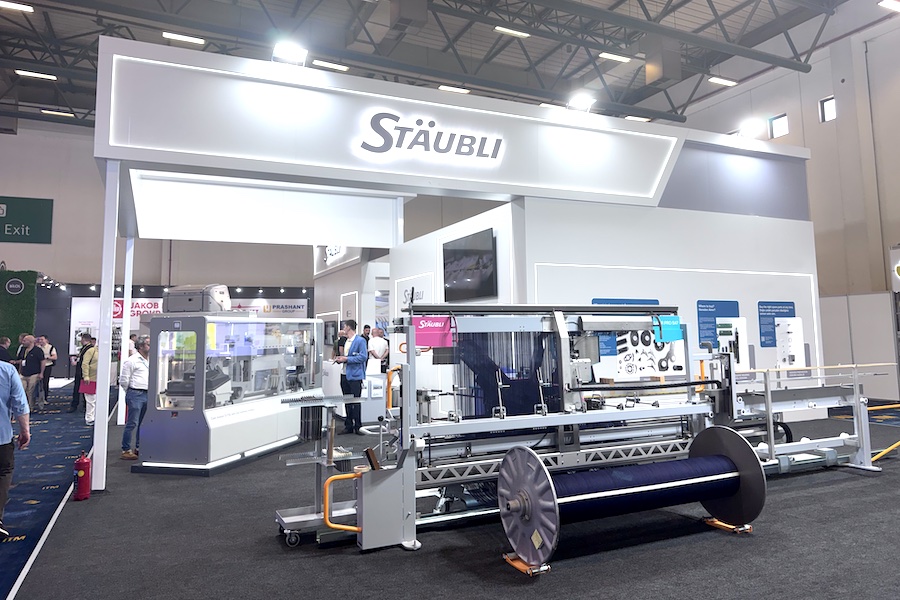
Stäubli to introduce new S3292 dobby for high-speed weaving at ITME India 2026

Stäubli will introduce its new S3292 dobby at ITME India 2026, taking place from December 4 to 9 at the India Expo Centre & Mart in Greater Noida, Uttar Pradesh. Designed for high-speed air-jet weaving, the new machine will be among the highlights of the company's presentation, which also includes warp preparation systems, cam motions, Jacquard technologies and digital services.

#Research & Development

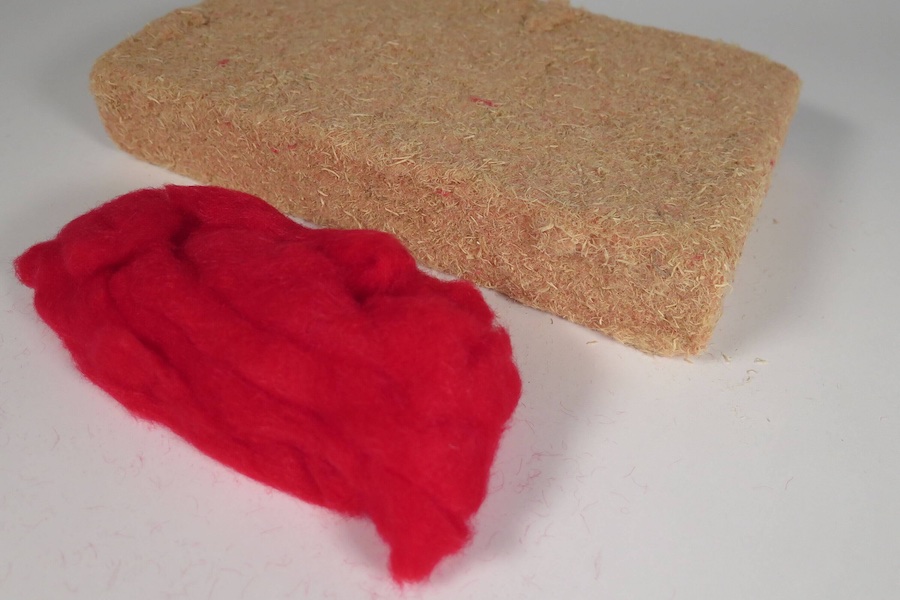
DITF develops bio-based binding fibers for wood-fiber insulation materials

As part of the CelluWoodFlex project, the German Institutes of Textile- and Fiber-Research in Denkendorf (DITF) are developing bio-based cellulose ester fibers as alternative binding fibers for flexible wood fiber insulation materials. In addition to the spinning process and the production of suitable staple fibers, the institute is also investigating how wood and cellulose fibers can be separated and recycled at the end of their useful life.

#Recycled Fibers

Reju expands textile-to-textile recycling network with six international fabric manufacturers

Reju, a textile-to-textile regeneration company, is expanding its industrial network through collaborations with six fabric manufacturers in Europe and the Americas. The initiative aims to accelerate the integration of regenerated polyester into textile manufacturing and support the development of finished fabrics for commercial applications.

#Nonwovens

Magnera highlights HighPleat™ filtration media technology at FiltXPO 2026

At FiltXPO 2026, held on October 28–29 at the Minneapolis Convention Center in Minneapolis, Minnesota, Magnera highlighted advances in air filtration media architecture, with a particular focus on its HighPleat™ platform for MERV 8–10 applications. The technology combines a lofted fiber structure with optimized pore architecture to address the challenge of balancing filtration efficiency, airflow resistance and contaminant-holding capacity.

TOP