[pageLogInLogOut]

#Raw Materials

The 82nd Plenary Meeting: PSAC Session on fiber requirements

During each International Cotton Advisory Committee Plenary Meeting, the Private Sector Advisory Council hosts a session on the topic they’d focused on discussing throughout the year, sharing their insights with the audience and working to advance the interests of the global cotton industry’s business community.

This year, the PSAC hosted the Fifth Open Session, entitled, “Traceability and Sustainability Requirements in Natural vs. Man-made Fibers.” The Chair of the PSAC, Mr Peter Wakefield of Wakefield Inspection, introduced the four speakers: 

Anees Khawaja, MG Apparel: Mr Khawaja emphasized the critical need to put sustainability at the core of cotton's strategy, especially because it is biodegradable and provides employment in developing regions — thus making a stark comparison with synthetic fibers, which do neither of those things.

Marc Lewkowitz, Supima: Representing the perspective of the Producers and Ginners Committee, he offered three recommendations: find a common, practical definition of what traceability is, develop a clear and concise bale ID system, and ensure there are support systems to help gradually transition to global implementation.

Eimear McDonagh, Agri Direct Australia: Speaking on behalf of the Merchants Committee, Ms McDonagh offered several conclusions at the end of her presentation, including that cotton is being held to a different standard than other fibers; and that success will depend on collaborating with governments and brands.

Debra Guo, Textile Exchange: Ms Guo discussed a number of topics, including the concept of “preferred materials” — a fiber or raw material that delivers consistently reduced impacts and increased benefits for climate, nature, and people against the conventional equivalent, through a holistic approach to transforming production systems.

The 82nd Plenary Meeting of the International Cotton Advisory Committee (ICAC) has the theme, '"Global Partnerships to Promote Innovation in the Cotton and Textile Value Chains. Scheduled for September 30 to October 3, 2024, at the International Hotel in Tashkent, Uzbekistan, the conference will be followed by several Technical Tours of Uzbekistan's cotton and textile industries. For more information and to see the full agenda, please click here.


More News from International Cotton Advisory Committee (ICAC)

#Europe

ICAC to support European Commission on pending PEF legislation

The International Cotton Advisory Committee (ICAC) is proud to announce that it has been included as a member of the European Commission’s Technical Advisory Board (TAB) on the Product Environmental Footprint methodology. The Commission developed the Product Environmental Footprint (PEF) to assess and communicate the life cycle environmental performance of products and organizations.

#Natural Fibers

ICAC to collaborate with Uzbekistan and Bizpando on regenerative agriculture

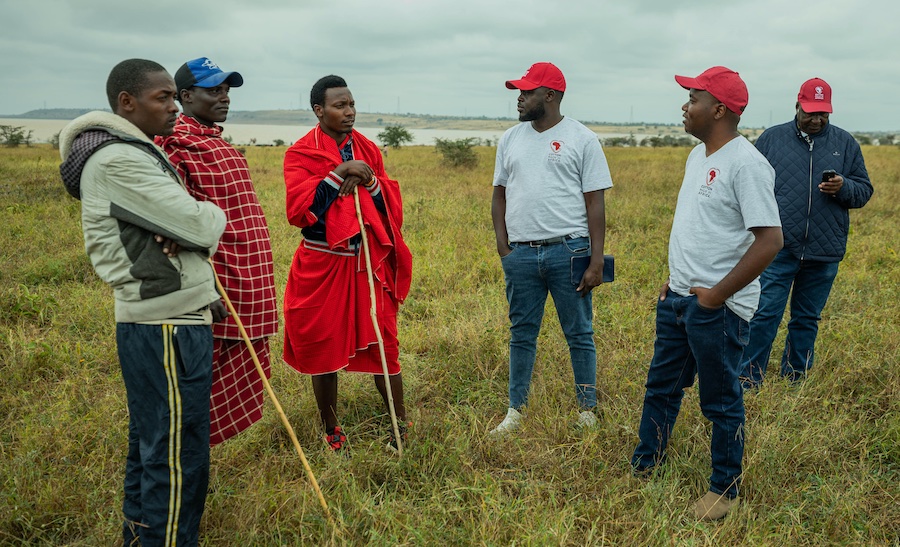
The Government of Uzbekistan has allocated 55,000 hectares of land to implement a regenerative agriculture program for cotton as part of a collaborative project with the International Cotton Advisory Committee (ICAC) and Bizpando, a company with a a blockchain-based internet platform designed to ensure supply chain compliance.

#Natural Fibers

Bangladesh becomes World's largest importer in 2024/25 after China cuts imports by 65% to 1.1 million tonnes

As we prepare to turn the calendar on 2025, world cotton lint production currently is estimated to be about 25.4 million tonnes — roughly the same as the last season — surpassing the world cotton lint consumption by 392,000 tonnes.

#Natural Fibers

ICAC announces postponement of the 83rd Plenary Meeting in Tanzania

Due to unforeseen circumstances arising from the recent developments in Tanzania, the ICAC has announced that its upcoming 83rd Plenary Meeting has been postponed. Scheduled for Nov. 17-20 in Mwanza, the delay was recommended by Tanzania, and the decision was made out of an abundance of caution, prioritizing the safety and well-being of all participants.

More News on Raw Materials

#Raw Materials

Esquel Group adds two new extra-long staple cotton varieties approved

Esquel Group’s Xinjiang Research & Development Center has successfully developed two new Sea Island cotton (Extra-Long-Staple cotton, ELS cotton) varieties named “Yuan Loong 37” and “Yuan Loong 42,” which have been officially approved and granted registration numbers. Both varieties have also obtained Plant Variety Rights certificates, marking another significant breakthrough for the Group in cotton breeding and commercial application.

#Raw Materials

Aid by Trade Foundation reaches new milestones in supply chain transparency

The Aid by Trade Foundation (AbTF) is reaching new milestones as it leads the way towards greater physical traceability for Cotton made in Africa® (CmiA) cotton. With around 700 suppliers and producers in a total of 25 countries, the Aid by Trade Foundation has reached a new record number of partners who can trace CmiA cotton from the product back to its origin. This is more than double the previous year’s figure.

#Raw Materials

Modern testing methods for raw cotton

The 38th International Cotton Conference Bremen will take place from 25 to 27 March 2026 at the Bremen Parliament. This conference has traditionally stood for in-depth expertise and international exchange. The program will focus on technical innovations, market trends, and regulatory frameworks across the entire value chain – from agriculture to the circular economy. With high-profile speakers, the conference is regarded as the key meeting point for the global cotton industry. Today’s focus: Cotton quality and testing methods.

#Raw Materials

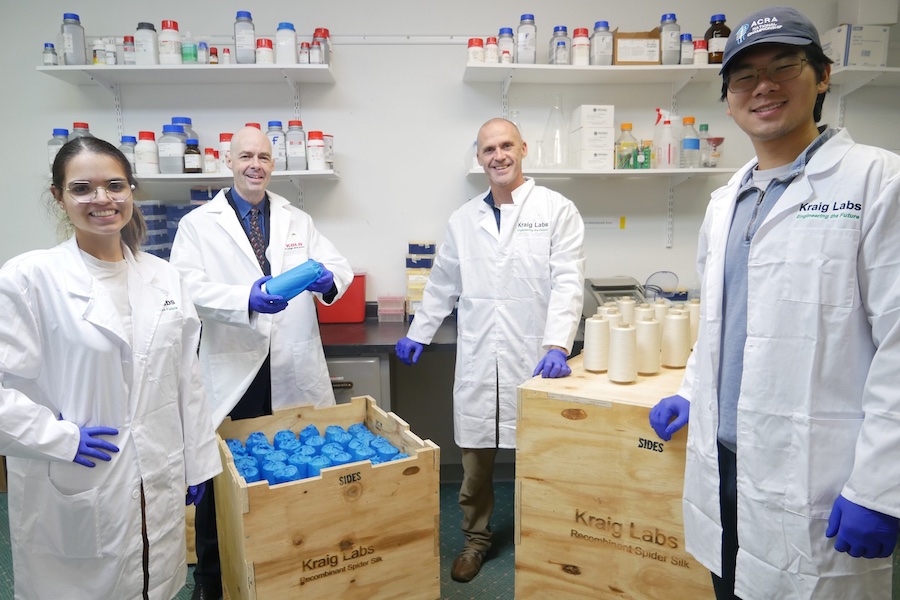
2026 production plan set for a record 10 metric tons of recombinant spider silk cocoon per month

Kraig Biocraft Laboratories, Inc. (OTCQB: KBLB) (“the Company”, “Kraig Labs”, or “Kraig’s”), a world leader in spider silk technology*, today announced its 2026 production plan that will drive explosive growth and establish a new global benchmark for spider silk manufacturing.

Latest News

#Weaving

Itema America acquires Palmetto Loom Reed, strengthening local manufacturing and service in the U.S.

Itema America, the U.S. subsidiary of Italy-based Itema Group, has acquired – through an Assets Purchase Agreement – Palmetto Loom Reed, a Greenville, South Carolina-based manufacturer of weaving reeds and one of the last remaining domestic producers of these precision components in the United States.

#Recycled_Fibers

Reju announces site selection for French Regeneration Hub in Lacq advancing Europe’s circular textile infrastructure

Reju, the textile-to-textile regeneration company based in France, announces the site selection for an industrial sized Regeneration Hub, in Lacq, in the Pyrénées-Atlantiques, on the Induslacq platform. Reju, a Technip Energies owned company, is deepening its roots in France through the development of this new Regeneration Hub.

#Functional Fabrics

lululemon introduces Unrestricted Power™ — A new sensation for strength training

lululemon (NASDAQ: LULU) has unveiled Unrestricted Power™, a new innovation platform engineered for heavy lifts and demanding gym sessions. The assortment, which launches in North America, is backed by thousands of hours of research and development, providing secure support without compromising comfort and mobility, enabling a distraction-free fit built to match every move.

#Natural Fibers

Merino wool moves into China’s high-performance sportswear market

China’s leading sportswear brands are beginning to treat Merino wool not as a lifestyle material, but as a performance input as natural fibres move from the margins of sportswear into elite technical applications. That shift is increasingly evident in the material strategies of major domestic groups such as ANTA.

TOP