#ITMA Asia + CITME 2026
Vandewiele to showcase weaving innovations and automation solutions at ITMA Asia 2026
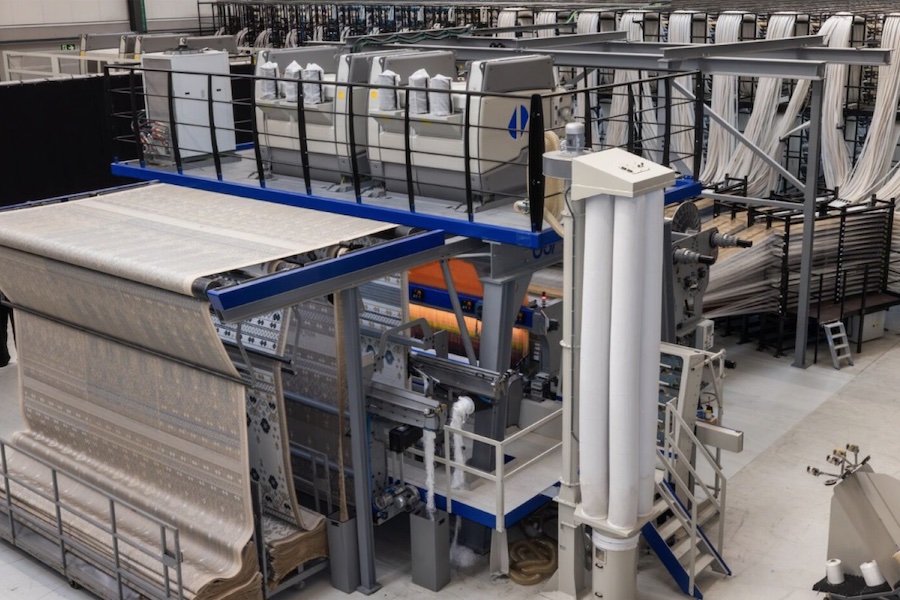
Among the highlights are three new weft-feeding solutions, an energy-efficient loom control system, advanced carpet weaving technologies and automated yarn handling solutions. Together with its group companies SUPERBA and Vandewiele Automation, the company will demonstrate how mechanical engineering, digital control and robotics can contribute to more efficient textile production.
New weft-feeding technologies and energy-efficient loom control
In the weaving segment, Vandewiele will introduce four advanced weft-feeding solutions, including three new product launches. The portfolio comprises the Super Elf GF-TC and Super Elf GF-TD glass-fiber feeders, alongside the Chrono X4 and Laser G2 feeders for rapier looms.
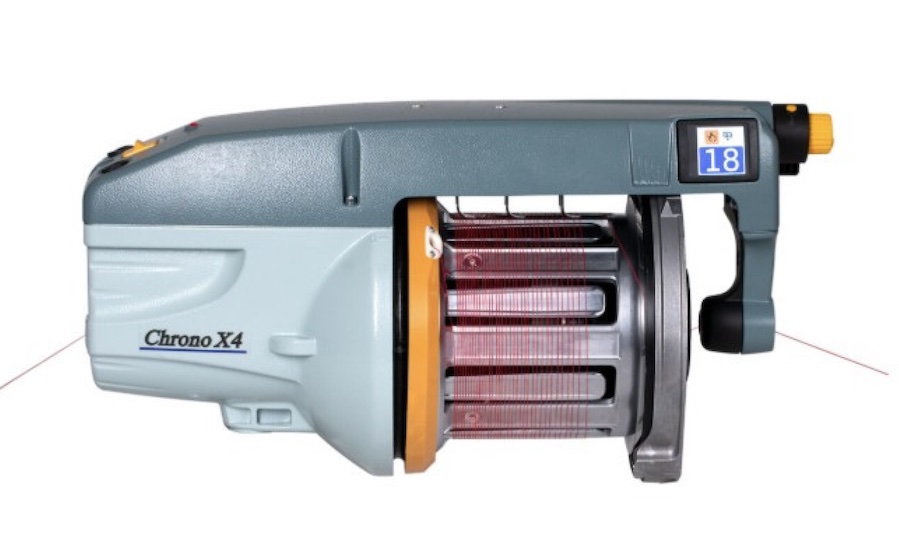
The new-generation Chrono X4 features a modular design that provides greater flexibility and supports a wider selection of advanced yarn tensioning systems. Its compatibility with the control boxes of existing rapier and projectile looms enables manufacturers to upgrade their equipment without extensive modifications, offering additional flexibility in production.
With the Super Elf GF-TC and Super Elf GF-TD, Vandewiele is addressing the growing demand for specialized glass-fiber processing. This development is particularly relevant to the production of printed circuit board assemblies (PCBAs), a market experiencing increasing demand partly driven by the expansion of artificial intelligence applications.
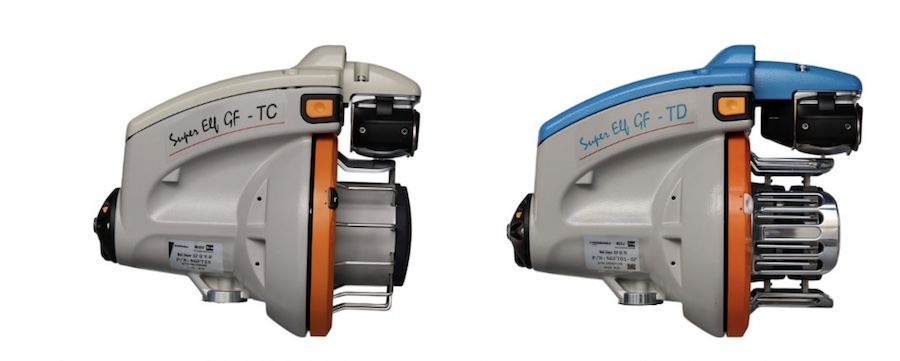
The two feeders are designed to process different types of glass fiber and operate in combination with glass-fiber air-jet looms. Their development aims to improve process reliability and efficiency in demanding weaving applications.
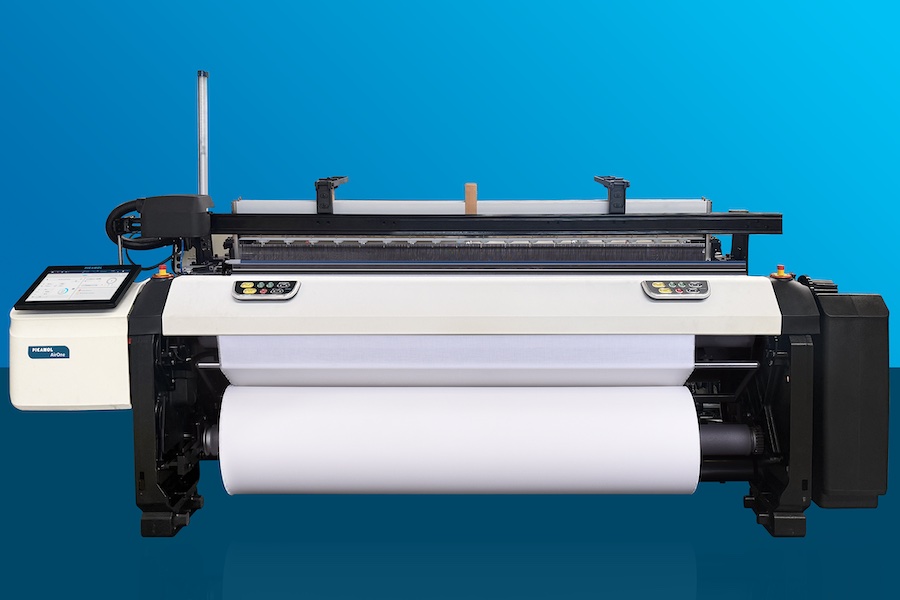
Another innovation is the new Loom Control System (LCS), which incorporates proprietary solenoid valve technology into air-jet weaving systems. According to Vandewiele, the technology can reduce compressed-air consumption by up to 13% compared with standard solutions currently available on the market.
As compressed air represents an important energy cost factor in air-jet weaving, the new control technology offers potential for reducing operating costs and improving the environmental performance of textile production.
Carpet weaving: Higher productivity and greater design flexibility
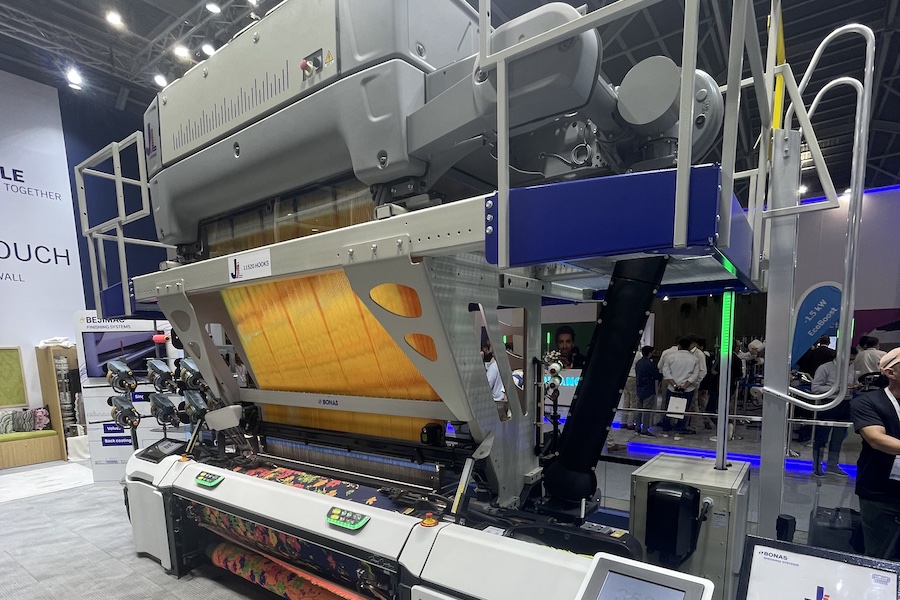
Vandewiele will also present its latest developments in carpet weaving, covering high-speed production, flexible carpet constructions and sophisticated multicolour designs.
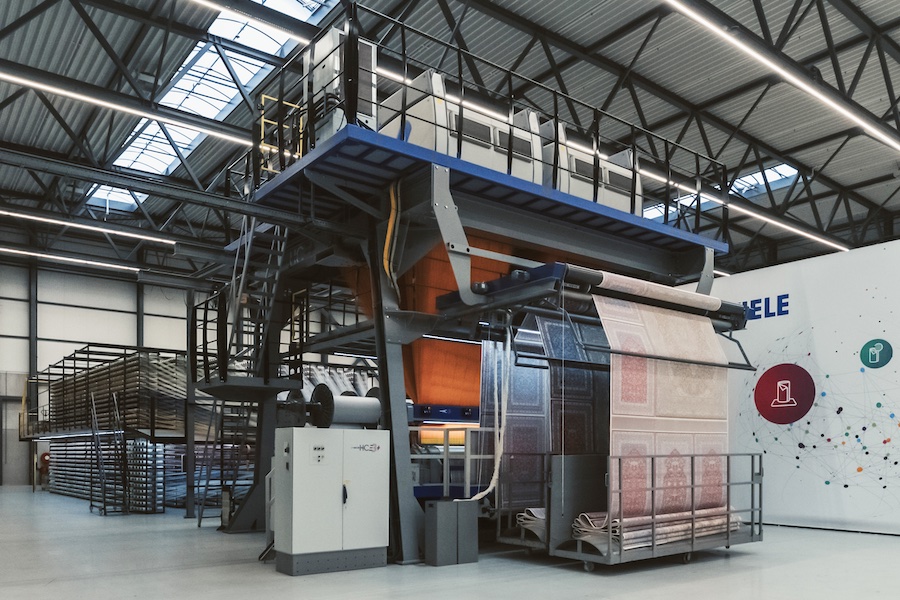
The RCF high-speed face-to-face carpet weaving machine combines production speeds of up to 250 rpm with Fast Creel technology. This system allows bobbin changes during production, reducing downtime and supporting continuous manufacturing operations.
Electronically controlled yarn tension contributes to consistent fabric quality, while optimized yarn utilization helps manufacturers reduce material waste.
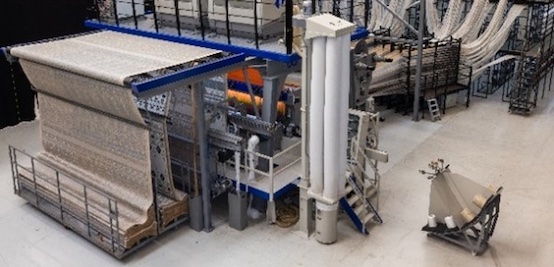
For applications requiring greater design flexibility, the UCF weaving platform supports a wide range of carpet constructions and differentiated designs. The technology combines versatility with reliable production performance and competitive manufacturing costs.
Another solution is the MAX91 high-speed Axminster weaving machine, developed for the hospitality, commercial and contract flooring sectors.
The machine supports sophisticated multicolour carpet designs with up to 16 colour frames. Its weaving technology operates without incorporated pile yarns, improving raw-material utilization. Applications include wall-to-wall carpeting and premium area rugs.
Tufting technologies for different production requirements
In tufting, Vandewiele will highlight two machine platforms designed to address different investment levels and production requirements.
The Standard platform provides a cost-effective solution for manufacturers seeking proven tufting technology, reliable output and straightforward operation. It is intended for production environments where competitive investment costs and dependable performance are the main priorities.
For manufacturers focusing on digitalization, productivity and process repeatability, Vandewiele offers its advanced HST platform.
The HST technology replaces critical mechanical adjustments with independently servo-controlled movements. This enables precise machine settings that can be reproduced from one production run to another.
The digital control concept supports consistent product quality, greater production flexibility and reliable operation at high production speeds.
Both platforms allow manufacturers to select machine configurations according to their specific product requirements and production objectives.
SUPERBA technologies for carpet yarn processing
The Vandewiele Group will also present yarn processing technologies from SUPERBA, which specializes in continuous heat-setting and space-dyeing solutions for carpet yarns.
With decades of experience and a presence in more than 70 countries, SUPERBA offers technologies designed to ensure consistent yarn quality and efficient production processes.
Its portfolio includes the TVP3 continuous heat-setting line as well as the DHS3, MCD3M and MF400 systems.
These technologies address different requirements in carpet yarn processing, combining established process expertise with the international service and support network of the Vandewiele Group.
Automation: KR1 robot handles up to 240 yarn packages per hour
Automation represents another important focus of Vandewiele's presentation in Shanghai.
Vandewiele Automation develops robotic systems designed to replace repetitive and labour-intensive operations in textile manufacturing.
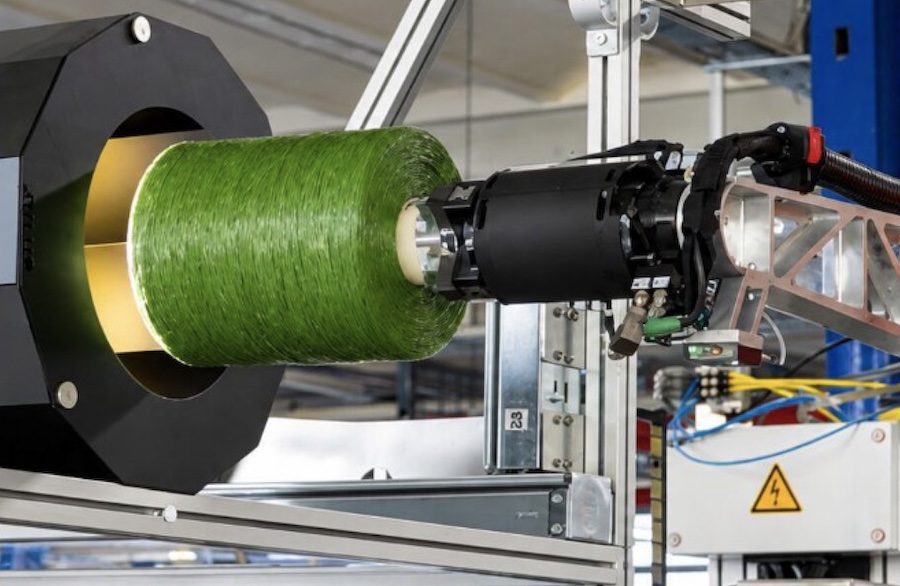
A central element of its portfolio is the KR1 automatic knotting robot, which combines advanced vision technology with automated yarn handling.
The robot can automatically handle, identify and knot yarn packages, achieving a processing capacity of up to 240 packages per hour.
Designed for a wide range of yarn applications, the KR1 aims to increase productivity, improve process consistency and reduce manual intervention in textile production.
By integrating robotics and intelligent control systems into established manufacturing processes, Vandewiele is addressing the textile industry's growing requirements for automation, operational efficiency and reliable production quality.
Integrated technologies for efficient textile manufacturing
With its presence at ITMA ASIA + CITME 2026, Vandewiele will demonstrate technologies covering several stages of textile production, from yarn preparation and weaving to carpet manufacturing and automated material handling.
The combination of new machine concepts, energy-efficient control systems and robotic solutions reflects the company's focus on improving productivity while providing manufacturers with greater flexibility in adapting to changing market requirements.
Vandewiele will exhibit at ITMA ASIA + CITME 2026 from November 20 to 24 at the NECC in Shanghai, Hall 3, Booth D01.