[pageLogInLogOut]

#ITMA Asia + CITME 2018

Novibra at ITMA ASIA 2018 in Shanghai

Novibra will present the latest innovations in spindle technology at the forthcoming ITMA Asia. The Czech Republic based company is a trend setter in spindle technology and the biggest spindle producer worldwide. Since the revolutionary High Precision Spindle (HPS) concept introduction 30 years back, the company has been continuously launching innovative products for the modern spinning mills to the market. Novibra highly welcomes the interested visitors in hall 1, booth D01.

Novibras’ goal is to bring beneficial and customized solutions to the customers helping them to keep their leading position in the market.

Among the biggest issues of the textile industry today is the demand for energy savings and the call for reduction of maintenance costs in the mill. Novibra is looking forward to discussing with the customers the new products that are reflecting this trend.

LENA: The energy saving spindle LENA has been designed for the highest speeds with the main goal of achieving lower energy consumption. It features Novibra premium double damping system for minimum neck bearing load and the unique LENA spindle bearings with 5,8 and 3 mm diameters only.

As a result the lower friction of the bearings and reduced spindle wharve diameter bring an energy saving in the average of 4 to 6%.

CROCOdoff and CROCOdoff Forte: The new generation of clamping crowns, introduce genuine doffing without underwinding. The crowns work automatically depending on the spindle speed change and therefore, there is no significant adjustment on the machine needed. The major advantages are lower after doff end down rate and minimized fiber fly; leading to reduction of maintenance costs, waste and due to reduced air friction also of energy consumption.

A detailed overview about the full product range of Novibra can be found under www.novibra.com.

Crocodoff on machine (c) 2018 Novibra

More News from Novibra Boskovice s.r.o.

More News on ITMA Asia + CITME 2018

Latest News

#Digital Printing

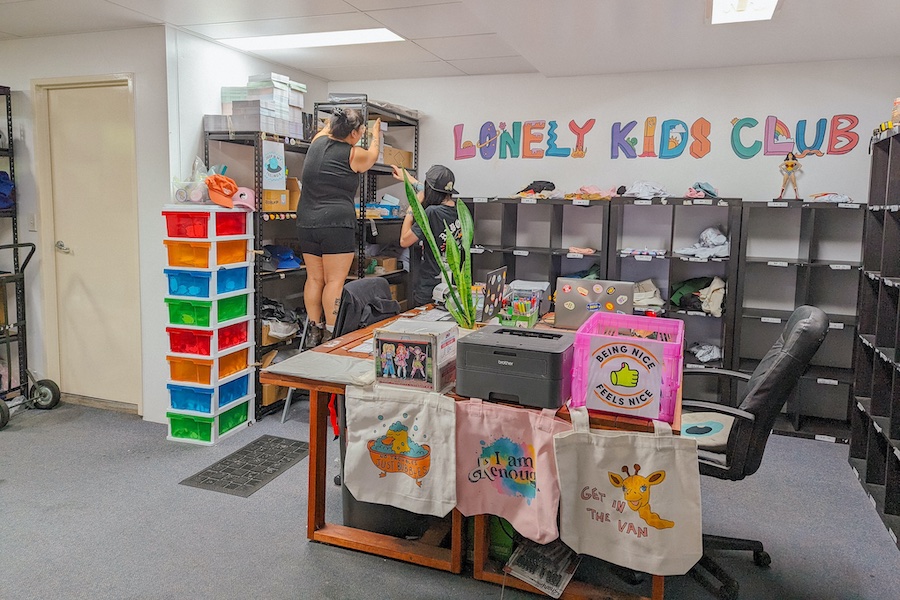
From a bedroom startup to 3,000 designs: How Lonely Kids Club built its business with DTG printing

Founded in Sydney in 2011, independent clothing label Lonely Kids Club has grown from a bedroom startup into a business offering around 3,000 graphic T-shirt designs. With its own production studio, direct-to-garment printing and a demand-driven manufacturing model, the company demonstrates how smaller apparel brands can combine creative independence with flexible production – while navigating the everyday challenges of quality control, workflow efficiency and sustainability.

#Recycled Fibers

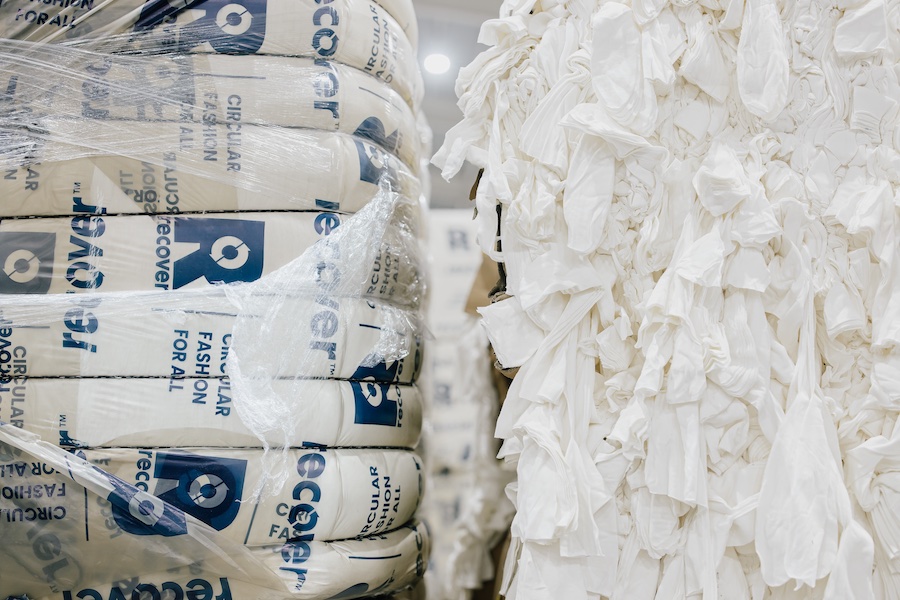
Recover and SUPIMA partner to develop recycled Pima cotton fibers and yarns

Recover and SUPIMA have partnered to turn waste from SUPIMA cotton production into a new line of recycled fibers and yarns. The collaboration will explore how recycled American-grown Pima cotton can be used in a wider range of yarns and garments for the premium market.

#India ITME 2026

India’s textile industry: Current position, growth targets and industrial development

With ambitious export targets, major investments in manufacturing infrastructure and new international trade agreements, India is pursuing a comprehensive development strategy for its textile and apparel industry. An overview of the industry’s current position, government initiatives, progress achieved and challenges ahead.

#Weaving

“A complex design is only useful if the machine can reproduce it consistently”

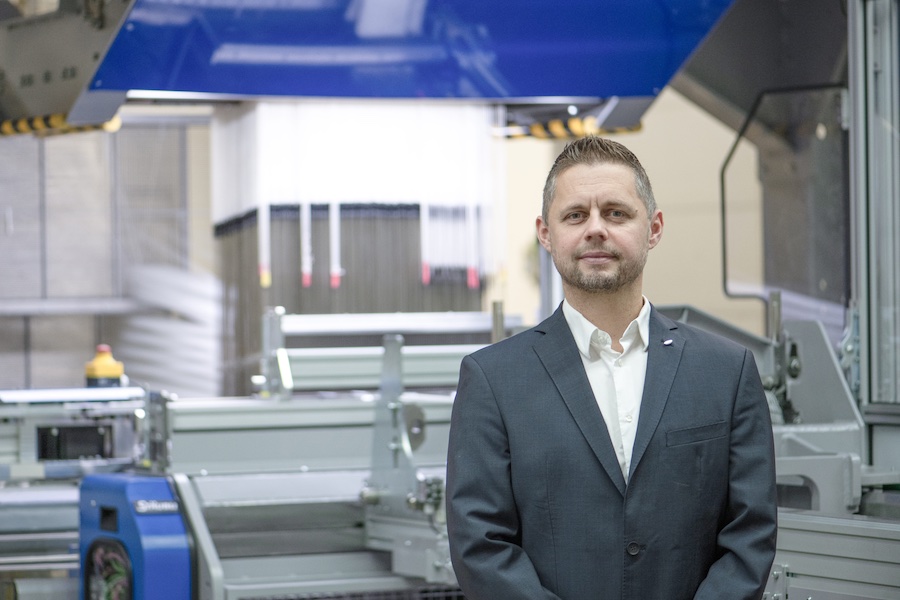
Andreas Schnabel, Head of R&D for Technical Weaving Systems at Stäubli, discusses how 3D weaving can create textile reinforcements tailored to the loads within a composite component, where near-net-shape weaving can reduce processing steps and material waste, and what it takes to produce complex structures reliably and economically. He also explains how manufacturers can adapt Stäubli’s modular TF weaving platforms to new applications and how the company’s centre of excellence in Bayreuth supports the transition from research to industrial production.

TOP