[pageLogInLogOut]

#Dyeing, Drying, Finishing

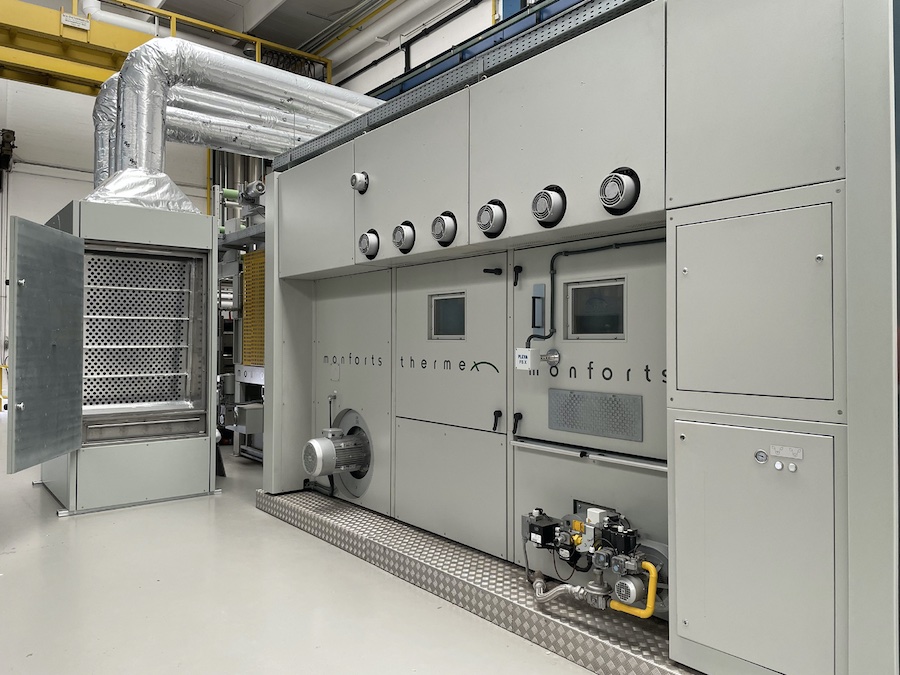
Latest finishing technologies of Xetma

The companies of the Xetma Group - Xetma Gematex (D) and Xetma Vollenweider (CH) - are continuously dedicating to the optimisation of existing techniques and, at the same time, to the development of new technologies in the field of mechanical finishing of textile fabrics.
More News from Xetma Vollenweider GmbH

More News on Dyeing, Drying, Finishing

#Dyeing, Drying, Finishing

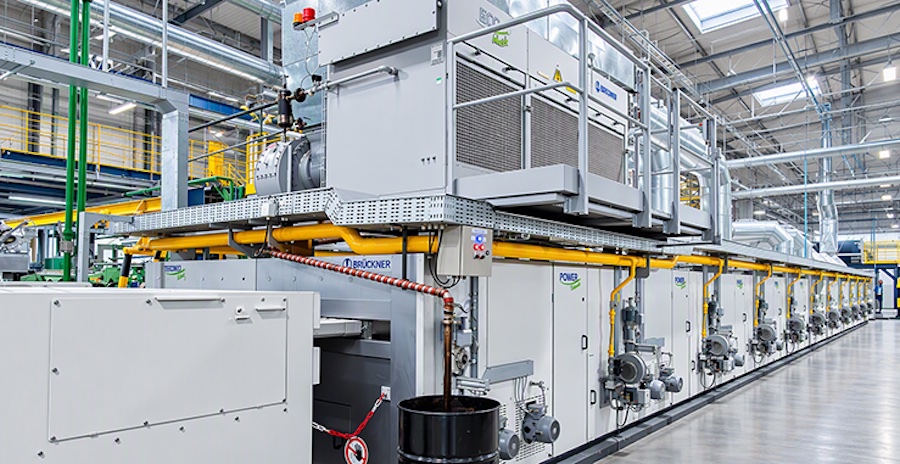
Ready for the future: PI Cottex chooses Brückner again for reliable quality and efficiency

PI Cottex, based in Ludhiana in the Indian state of Punjab, has developed into a leading manufacturer of high-quality knitted fabrics in recent years. Thanks to consistent vertical integration, modern pro-duction technologies and a clear focus on quality, the company supplies renowned national and inter-national clothing brands. In this interview, the team at PI Cottex talks to Brückner about its market strategy, future growth plans and its long-standing partnership with the German premium machinery manufacturer.

#Dyeing, Drying, Finishing

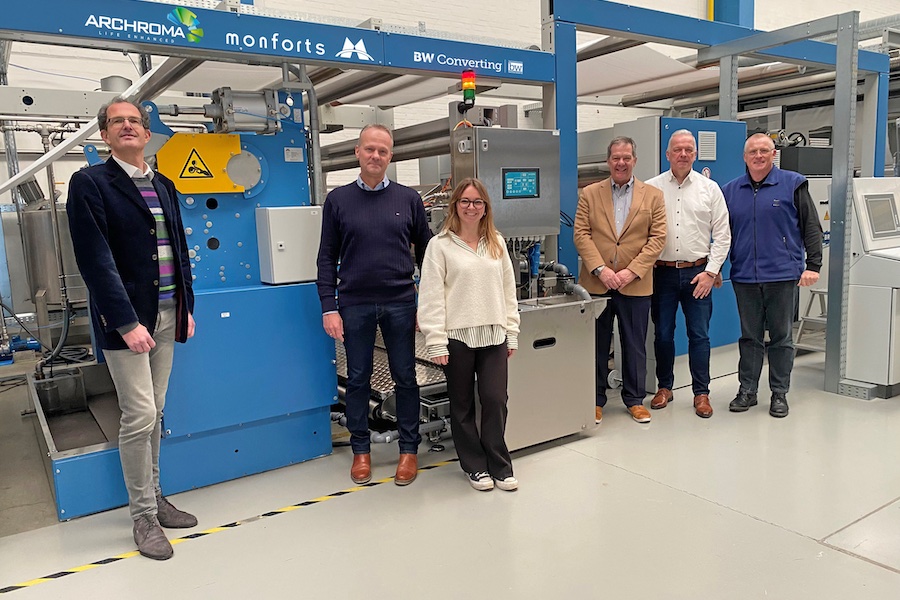
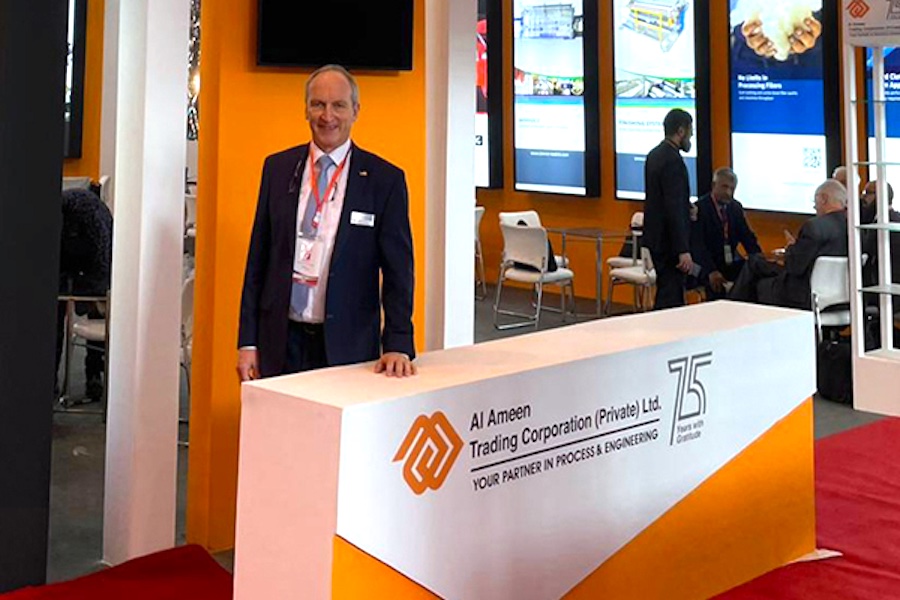
Monforts on the move in textile growth markets

During September, specialists from Monforts will be attending events in two of the fastest growing countries for textile manufacturing – Kenya and Uzbekistan – before once again looking forward to meeting customers old and new at the 2026 Igatex exhibition which is taking place in Lahore, Pakistan, from October 15-18.

#Dyeing, Drying, Finishing

BW Converting to spotlight Baldwin TexCoat® G4 at Guatemala’s 33rd Apparel Sourcing Show

BW Converting will introduce textile manufacturers to the capabilities and production benefits of the company’s Baldwin TexCoat® G4 precision spray finishing system at the 33rd Apparel Sourcing Show, taking place Aug. 18-20 at the Tikal Futura Convention Center in Guatemala City. BW Converting will participate through its local agent, Maprimaq, at booths 25 and 26.

#Dyeing, Drying, Finishing

Contactless measurement of coating for Technical Textiles with PLEVA AF 310 and AF 120

Textiles used for protection and defense must perform reliably – whether they are protective garments, tents, tarpaulins, covers, or technical carrier materials. Properties such as flame resistance, water repellency, weather resistance, or defined air permeability are often only achieved through precise coating, finishing, or printing processes.

Latest News

#Recycling / Circular Economy

Arc'teryx introduces System 0™, a new framework for the future of product design and circularity

Arc'teryx Equipment, the global design company specializing in technical high-performance apparel and equipment, today introduced System 0™, a new framework that reimagines how products can be designed, manufactured, used, repaired, and ultimately regenerated. System 0 represents the next evolution for sustainability in the outdoor industry, as it embeds circular thinking across an entire product lifecycle while maintaining the uncompromising performance standards that define the Arc’teryx brand.

#Recycling / Circular Economy

2. RETRAKT EU Conference - „Join the Circle“: Turning challenges of the textile sector into chances

On 19 November 2026, the second RETRAKT EU Conference – “Join the Circle” will take place in Brussels. The event, which focuses on the transformation of the textile sector towards a circular economy, will be held under the motto: “Turning Challenges in the Textile Sector into Chances.”

#Textiles & Apparel / Garment

Texworld Apparel Sourcing Paris reflects shift towards more diversified sourcing

The latest edition of Texworld Apparel Sourcing Paris confirms the global reshaping of sourcing strategies. The offer is evolving to satisfy more selective buyers, looking for responsiveness, innovation and diversification in their sourcing options.

#ITMA Asia + CITME 2026

ITMA Asia 2026: How Barmag is reshaping the future of man-made fiber production

The textile industry is entering a groundbreaking era. Manufacturers face rising energy prices, growing sustainability demands, increasing labor shortages, and an unprecedented need for flexibility. For a globally active textile industry, where competitiveness is closely linked to production efficiency and cost leadership, this means that technology is no longer merely a means of improving operational processes – it is increasingly becoming a strategic differentiator.

TOP