[pageLogInLogOut]

#Digital Printing

Mimaki announces significant year on year growth, and strong market position at FESPA 2022

© 2022 Mimaki
Mimaki Europe, the leading manufacturer of inkjet printing and cutting technologies, has today unveiled an increase in market share across the different sectors it operates in, confirming the company’s impressive and continued leadership position. Mimaki’s management team attribute this success to the company’s commitment to technology innovations, putting their customers at the forefront, and its ability to anticipate and adapt to market trends.

Mimaki’s customer base spans four key sectors – Sign Graphics, Industrial, Textiles, and Full Colour 3D Printing. The numbers revealed that Mimaki currently holds the second largest market share in the Sign Graphics sector with sales exceeding results from 2019. The renowned flexibility, quality and reliability of Mimaki’s extensive and innovative technology portfolio has long been acknowledged as the reasons so many sign-makers invest in Mimaki products, even during the recent challenging economic climates.

Arjen Evertse, General Manager Sales EMEA, explains, “We’re extremely pleased to hold such a high position in this field, and we must also credit the ingenuity and creativity of our customers with this success. They push the boundaries of what is achievable with our technology and always challenge us to deliver more and more, a challenge we happily accept. Of course, it goes without saying that we always strive to be number one! There was a requirement for a Mimaki solution that delivered high productivity in this sector, and we have now answered this need with the launch of the 330 Series, specifically the CJV330-160 and JV330-160, which offer high-end yet cost effective Sign Graphics application printing. With these new machines now available we are confident that 2022 will be an even stronger year for Mimaki.”

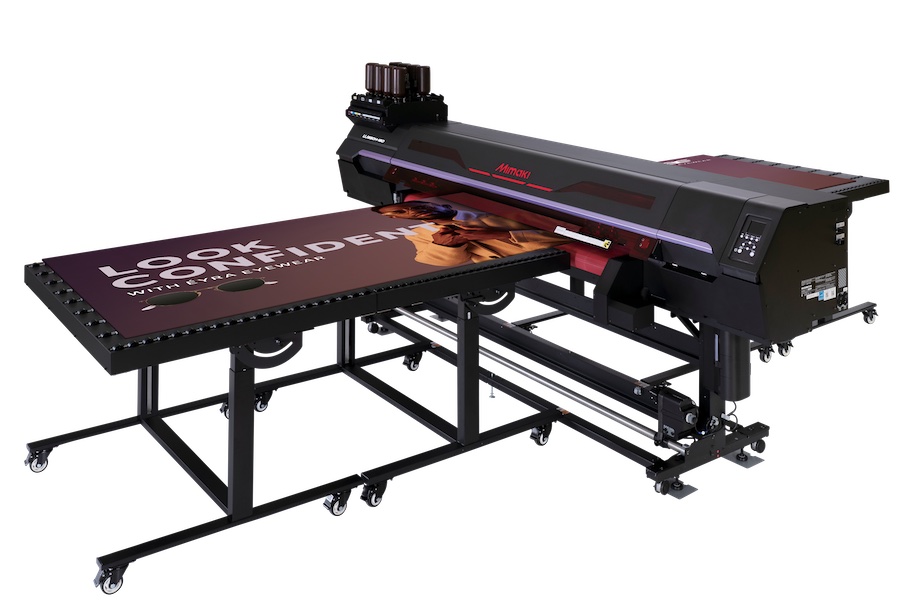
Making their international tradeshow debut at FESPA 2022, the print-only JV330-160 and the integrated printer and cutter CJV330-160 deliver higher productivity while setting new standards in print quality. With workflow efficiency at the top of Mimaki’s and its customers’ agenda, in-built cleaning mechanisms and monitoring features ensure seamless production and allow for longer running times. Both models also feature a newly designed unwinding system that allows three rolls of media to be loaded simultaneously, greatly reducing the time and manpower required to change print media. Another standard feature is an “XY slitter” – a highly precise cutting technology, which provides in-line X-axis and Y-axis sheet-fed cutting. This eliminates the unwinding and rough cutting from the workflow, helping printers to significantly speed up and streamline the post-process, with less interference needed.


For the Industrial and Textiles markets, Mimaki has maintained their position as market leaders in 2021. The Industrial portfolio consists of Mimaki’s UV flatbed printers and, although a significant percentage of this install base are used to produce applications associated with tourism and merchandising, sales in 2021 were very similar to 2019. This is due to the fact that a growing number of industrial applications are being produced with Mimaki’s UJF and JFX series. While the tourism and merchandising sectors are expected to recover from downturn that resulted from the pandemic, Mimaki has been focused on increasing workflow optimisation and automation to support this growing demand for industrial and manufacturing applications. The latest additions to this product line include the UJF-MkII e Series and UJF-7151 plusII. These high-speed, high-quality direct-to-object UV LED inkjet printers have been designed with performance and creativity in mind, while also fitting seamlessly into an automated production environment.

The release of TS100-1600 entry-level textile printer greatly contributed to Mimaki’s substantial growth in the Textile market. The trend towards on-demand, bespoke textiles for fashion and interiors has led to many companies investing in the TS100-1600 as their first digital printing solution. The new TS330-1600 will enable textile printing companies to take their productivity to the next level, with many new and innovative features to improve stability and add-ons for exceptional efficiency, such as a mini jumbo roll unit that can be added to load long transfer paper and further reduce running costs.

3D Printing is a newer market for Mimaki, but the company is making notable strides forward with their ground-breaking solutions for full colour, highly accurate 3D model making. The launch of its brand-new pure clear material, MH-110PCL, designed for Mimaki’s flagship UV curable, full colour 3D printer, the 3DUJ-553, is the latest example of Mimaki’s commitment to furthering adoption of this pioneering technology.

“2021 has been an exceptional year for Mimaki and we’re very proud to have been able and support our customers with their new and existing Mimaki solutions, as they continue to succeed across a diverse range of growing markets. With numerous new additions to our portfolio, many of which are on show this week at FESPA, we aim to bring even further benefits and new opportunities to the markets we serve, and as such, we are extremely excited to see what the rest of 2022 will bring,” concluded Arjen Evertse.
More News from Mimaki Europe B.V.

#Digital Printing

Mimaki highlights growing demand for hybrid UV printing across European markets

Insights from Mimaki's European partner network reveal how hybrid UV printing is responding to different regional market needs, driven by growing demand for flexible, application-oriented printing technologies.

#Digital Printing

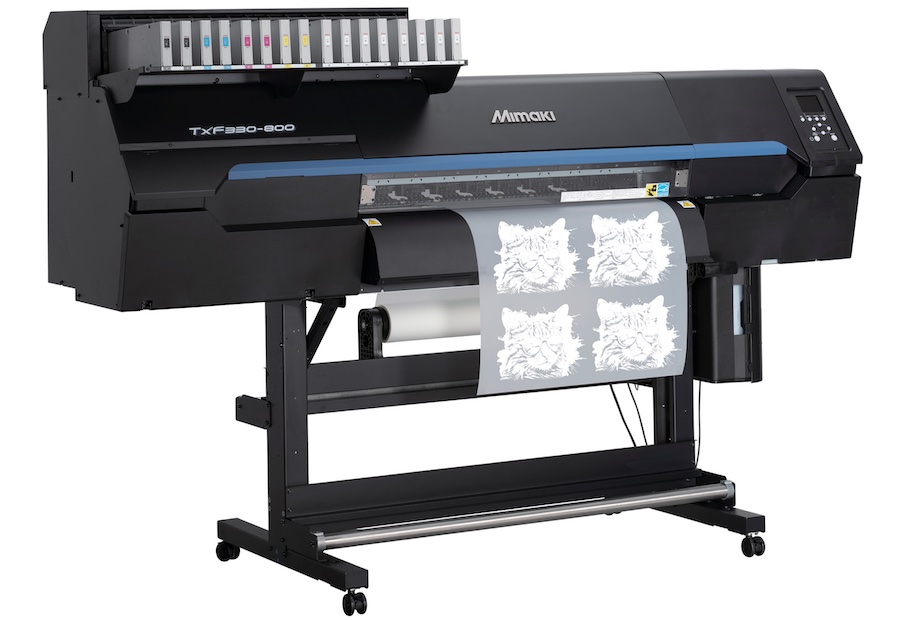
Mimaki advances DTF productivity and stability with new TxF330-800

Mimaki Europe, a leading manufacturer of industrial inkjet printers and cutting plotters, announces the TxF330-800, its new direct-to-film (DTF) printer. Designed to support stable, high-quality garment decoration in demanding print environments, the system combines automated maintenance, expanded white ink capacity and advanced production capabilities to streamline workflow.

#Digital Printing

Where every detail counts: Experiential applications of DTF and UV-DTF printing

Personalisation has moved far beyond the traditional logo on a t-shirt. Today, brands want to create complete experiences, where every detail – from clothing and accessories to décor and packaging – feels distinctive and reflective of their identity.

#Digital Printing

DTF vs DTG Printing - The technologies shaping today’s custom merchandise market

From sportswear to branded tote bags, custom merchandise continues to grow in popularity across sectors, driving print shops to cater to short runs, personalisation, and rapid turnaround. As print providers look to this market, two printing technologies often stand out: Direct‑to‑Film (DTF) and Direct‑to‑Garment (DTG). Each offers its own benefits, and understanding these differences helps determine the most suitable production method for print service providers.

More News on Digital Printing

#Digital Printing

From a bedroom startup to 3,000 designs: How Lonely Kids Club built its business with DTG printing

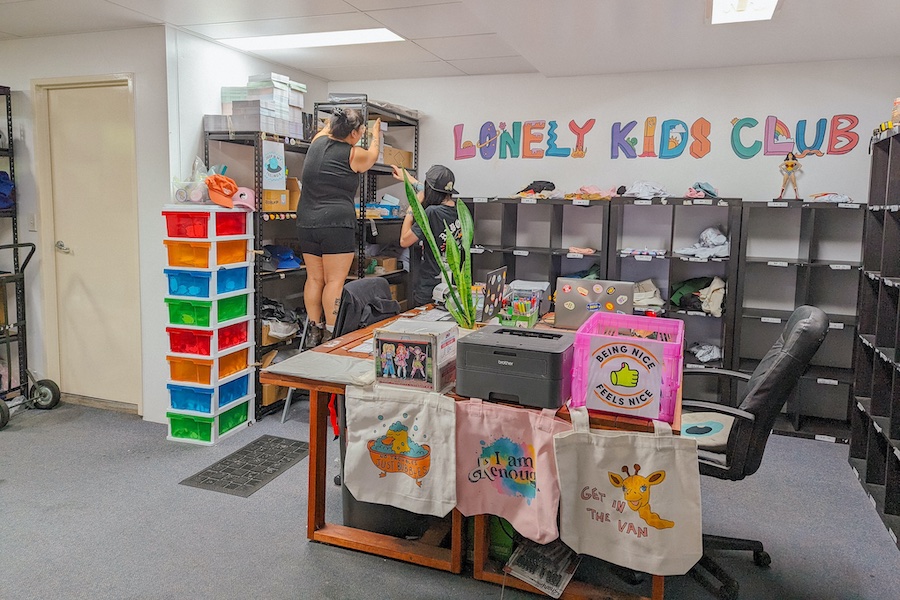
Founded in Sydney in 2011, independent clothing label Lonely Kids Club has grown from a bedroom startup into a business offering around 3,000 graphic T-shirt designs. With its own production studio, direct-to-garment printing and a demand-driven manufacturing model, the company demonstrates how smaller apparel brands can combine creative independence with flexible production – while navigating the everyday challenges of quality control, workflow efficiency and sustainability.

#Digital Printing

VistaPrint increases apparel production capacity with Kornit Apollo

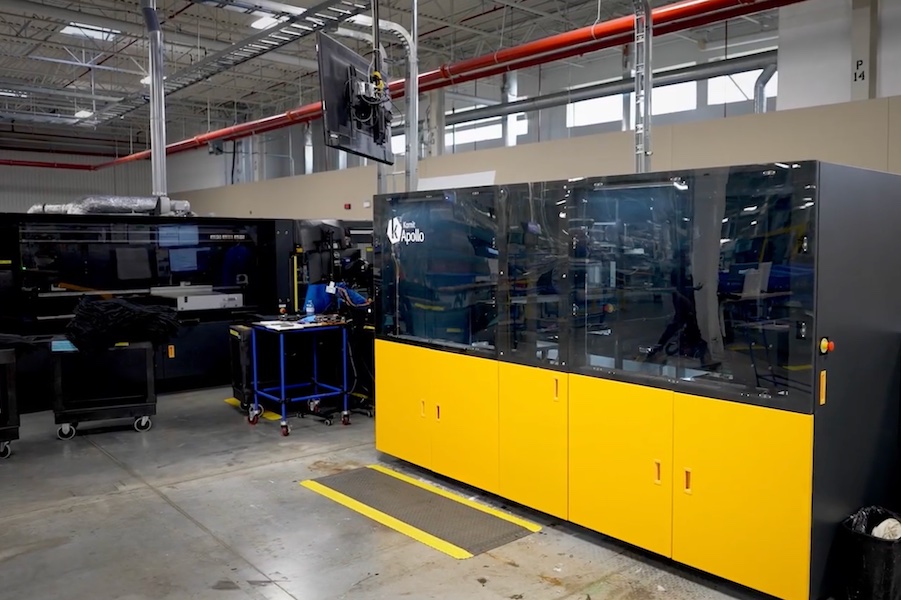
Kornit Digital (NASDAQ: KRNT), a provider of on-demand digital textile production technologies, reports that VistaPrint has significantly increased its apparel production capacity through the implementation of the Kornit Apollo system. The installation has enabled the international print and design company to add approximately 25,000 units of weekly production capacity while improving production speed, operational efficiency and order turnaround times.

#Digital Printing

Blue Tomato accelerates agile retail apparel production with Kornit Digital

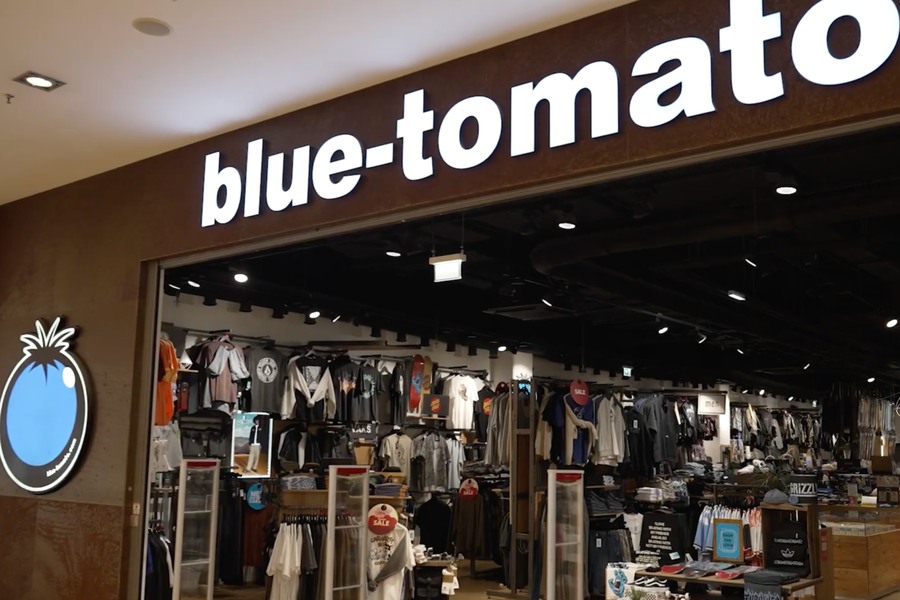
Kornit Digital (NASDAQ: KRNT), a global pioneer in on-demand digital fashion and textile production technologies, is highlighting how Blue Tomato, Europe’s largest board sports retailer, is using two Kornit Atlas MAX PLUS systems to support a more agile approach to in-house apparel production. The systems are helping Blue Tomato respond faster to changing consumer trends, produce high-quality apparel for its network of 86 retail stores across Europe and reduce inventory by printing only what the market demands.

#Digital Printing

Growth at the speed of demand: Kornit Digital brings digital textile innovation to PERFORMANCE DAYS 2026

Kornit Digital Ltd. (NASDAQ: KRNT) (“Kornit”), a global pioneer in on-demand digital fashion and textile production, will showcase the possibilities of digital, on-demand production at PERFORMANCE DAYS 2026, October 13–14 at Messe München, Hall 6, Booth E08.

Latest News

#Recycled Fibers

Recover and SUPIMA partner to develop recycled Pima cotton fibers and yarns

Recover and SUPIMA have partnered to turn waste from SUPIMA cotton production into a new line of recycled fibers and yarns. The collaboration will explore how recycled American-grown Pima cotton can be used in a wider range of yarns and garments for the premium market.

#India ITME 2026

India’s textile industry: Current position, growth targets and industrial development

With ambitious export targets, major investments in manufacturing infrastructure and new international trade agreements, India is pursuing a comprehensive development strategy for its textile and apparel industry. An overview of the industry’s current position, government initiatives, progress achieved and challenges ahead.

#Weaving

“A complex design is only useful if the machine can reproduce it consistently”

Andreas Schnabel, Head of R&D for Technical Weaving Systems at Stäubli, discusses how 3D weaving can create textile reinforcements tailored to the loads within a composite component, where near-net-shape weaving can reduce processing steps and material waste, and what it takes to produce complex structures reliably and economically. He also explains how manufacturers can adapt Stäubli’s modular TF weaving platforms to new applications and how the company’s centre of excellence in Bayreuth supports the transition from research to industrial production.

#India ITME 2026

India ITME 2026: Textile technology meets India's investment ambitions

With ambitious growth targets, government incentive programmes and industrial development initiatives already underway, India is preparing for the next stage of its textile transformation. Against this backdrop, the 12th India ITME, taking place in Greater Noida from 4 to 9 December 2026, arrives at a particularly important moment for machinery manufacturers and textile producers alike.

TOP