[pageLogInLogOut]

#Sustainability

Textile Exchange 2026: From sustainability commitments to industry-wide action
© 2026 Textile Exchange
More than 1,300 participants and over 90 speakers gathered in Vancouver to discuss how the textile and apparel industry can move from planning to implementation, with a focus on resilient supply chains, circularity, regenerative agriculture and collaboration.

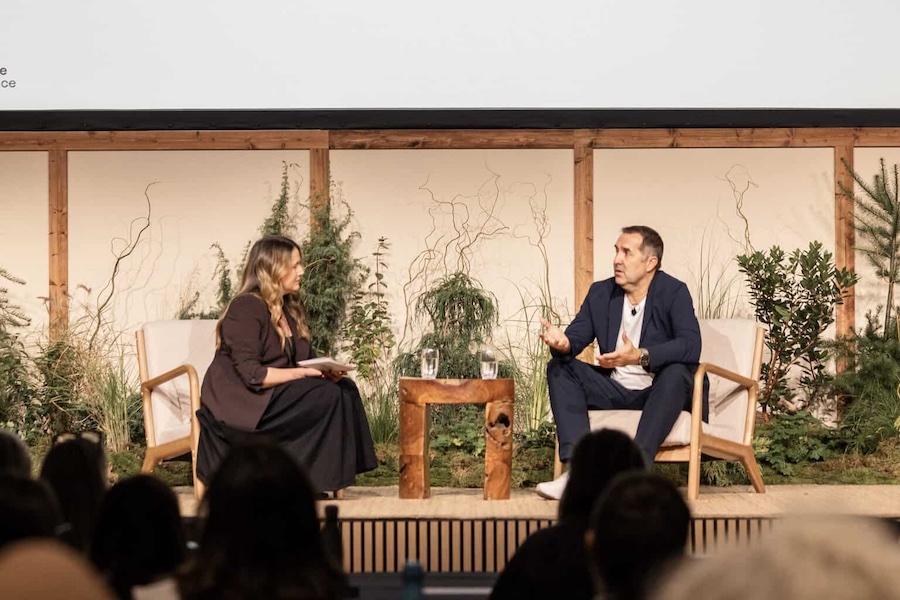
Under the theme “The Implementation Era,” the annual Textile Exchange Conference brought together more than 1,300 participants from across the textile value chain, including brands, producers, suppliers and academics. Held from October 13–15, 2026, the three-day event featured more than 90 speakers from the textile industry and related fields, including finance, insurance, law and technology.

Through plenary discussions, breakout sessions and collective action workshops, the conference explored how the fashion, textile and apparel industry can translate sustainability commitments into practical measures that strengthen supply chains and support long-term material availability.

Building resilient fiber production systems

The first day focused on the different realities shaping sustainability decisions, from policy and corporate targets to the practical challenges faced by producers.

Discussions highlighted the importance of aligning monitoring requirements, data collection and responsibilities between brands and suppliers. Participants also emphasized that transitions to preferred production systems must reflect local conditions and economic realities.

With geopolitical uncertainty and supply chain disruptions continuing to affect the industry, resilience emerged as a central theme. Speakers called for realistic targets, improved collaboration and practical approaches that allow producers to move beyond pilot projects.

Beth Jensen, Chief Impact Officer at Textile Exchange, explained: “The need to develop more resilient fiber production systems is universally understood, but what that looks like in practice will be unique to each producer and supply system. Resilience starts with understanding the realities that producers face, and creating pathways and targets built on real data. Lasting change depends on aligning ambition with local realities, and supporting producers to overcome economic barriers.”

Financing the transition and scaling textile recycling

The second day examined how financial incentives, business strategies and technological innovation can accelerate the transition to more responsible production systems.

Noel Kinder, SVP of Sustainability at lululemon, addressed the need to integrate sustainability into business strategy against a background of geopolitical instability, volatile energy prices and increasing regulatory requirements.

The discussions also highlighted the challenges of scaling textile-to-textile recycling. Key requirements include a better understanding of global textile waste availability, improved product design for recyclability, innovative sorting technologies, data sharing and investment in industrial infrastructure.

Participants also explored new financing approaches for preferred production systems. While premiums for certified materials can support producer livelihoods, delays and the distribution of premiums across supply chain tiers can limit their effectiveness.

Another important topic was regenerative agriculture. Speakers emphasized that moving beyond individual brand projects toward coordinated landscape-level initiatives could help scale regenerative practices while taking regional conditions into account.

Sarah Needham, Chief Engagement and Partnerships Officer at Textile Exchange, commented: “The momentum we’ve seen this week shows what is possible when organizations come together around shared goals. Moments like this ground us, drive us and show us how we can progress within our unique contexts toward our industry’s shared targets. No single organization can deliver the transformation our industry needs alone, but through partnership, connection and shared commitment we can turn ambition into meaningful progress.”

Collaboration and standards as drivers of implementation

The final day focused on the role of partnerships in translating sustainability strategies into measurable progress.

Discussions explored how collaboration between brands, producers, suppliers and other stakeholders can overcome economic barriers and accelerate the adoption of preferred production systems.

Particular attention was given to Textile Exchange's Materials Matter Standard and its role in supporting shared industry objectives. The conference examined how collective targets and practical standards can help companies align their activities and implement changes throughout their supply chains.

Another topic was sustainability communication. As regulatory requirements become more complex, participants emphasized the importance of involving sustainability, communications and legal teams early to ensure that environmental claims remain credible and meaningful.

The conference also highlighted opportunities for closer collaboration between the food and fiber industries, particularly in regenerative agriculture, soil health and diversified farming systems.

Organizations including Better Cotton Initiative, Canopy and WWF contributed sessions examining developments in cotton, forest-based materials and other nature-related supply chains.

Ashley Gill, Chief Standards Officer at Textile Exchange, stated: “Partnership is really about connection and trust. We see this not only through the relationships we build at Conference, but also through our standards system. Materials Matter unites producers, suppliers, brands, and retailers around a common goal of delivering beneficial impacts to climate, nature, people and animals. We have the knowledge, the tools and the momentum. Now is the time to move forward together.”

Moving from individual progress to systemic change

Closing the conference, Textile Exchange CEO Claire Bergkamp emphasized the importance of connecting existing initiatives and translating progress into lasting impact.

“This week has shown us just how much progress is already happening across our community, and how much we have to build on. The opportunity now is to connect these efforts, apply what we’ve learned, and advance what works. As we embrace new tools and navigate significant change, we need to ensure that the solutions we create work for the system as a whole, rather than serving only one part of it. Our role is to help connect these pockets of progress and turn them into lasting impact, moving us towards a world where materials hold lasting value and the communities and landscapes they come from can thrive.”



More News from Textile Exchange

#Man-Made Fibers

Textile Exchange: reporting companies advance on preferred materials as global fiber production reaches new high

Companies participating in Textile Exchange’s Materials Benchmark increased their use of materials from preferred production systems in 2025, while global fiber production continued to grow and reached a record 139 million tonnes. The contrasting trends highlight both the potential for change at company level and the scale of the challenge facing the wider textile industry.

#Sustainability

Action Cohort: Textile Exchange’s new initiative designed to help scale preferred production systems

Textile Exchange has published new guidance to help brands and retailers participating in its Action Cohort prepare for upcoming reporting and target-setting requirements. Earlier this year, the organization evolved its membership to create more action-oriented pathways, designed to accelerate progress toward scaling preferred production systems that create beneficial impacts and resilient supply chains and livelihoods.

#Sustainability

New guidance to help organizations deliver the Material Matter Standard’s human rights commitments

Textile Exchange has published new guidance and tools to help organizations better understand and implement the human rights and livelihoods requirements of the forthcoming Materials Matter Standard.

#Sustainability

Textile Exchange reports growth in certifications and industry engagement

Textile Exchange has published its 2025 Annual Report, highlighting continued growth in certified sites, industry participation and the development of its standards and membership structure. According to the report, more than 100,000 sites worldwide are now certified to Textile Exchange standards, more than three times the number recorded in 2020. Preliminary figures also indicate 12% year-on-year growth across the organization's current standards, including the Global Recycled Standard (GRS), Recycled Claim Standard (RCS) and the Responsible Animal Fiber standards.

More News on Sustainability

#Sustainability

Inside the Making at Ecomondo 2026: Textile supply chain calls for transparency and measurable sustainability

Transparency, verifiable environmental claims and closer cooperation across the textile value chain were the central themes of the “Inside the Making: The Power of the Process” panel at Ecomondo 2026 in Rimini. Representatives from denim and sportswear manufacturing, textile finishing, digital printing and branding discussed how technological innovation and supply chain collaboration can help companies meet new European regulatory requirements while making sustainability economically viable.

#Recycling / Circular Economy

H&M Foundation highlights economic barriers to scaling circular textile systems

Discussions at Textile Exchange 2026 underline the need for coordinated investment, reliable material flows and a fair distribution of costs and risks across the textile recycling value chain.

#Recycled Fibers

C&A and Zalando join Altag® Fiber Club to accelerate adoption of agricultural waste-based fibres

Fashion for Good and AltMat announced today that C&A and Zalando have joined the Altag® Fiber Club as its first brand signatories, marking a critical commercial milestone in the journey to mainstream adoption of next-generation fibres derived from agricultural waste.

#Industry 4.0 / Digitalization

Jeanologia and BCome connect factory data with Life Cycle Assessment and Digital Product Passports

A new white paper by EIM by Jeanologia and BCome demonstrates how primary environmental data from denim finishing processes can be integrated into a garment's Life Cycle Assessment (LCA) and prepared for use in a Digital Product Passport (DPP). A comparative case study highlights significant improvements at the production stage while also showing how these translate into the environmental performance of the finished garment.

Latest News

#Nonwovens

Freudenberg Performance Materials brings interlining production to Vietnam for faster regional supply

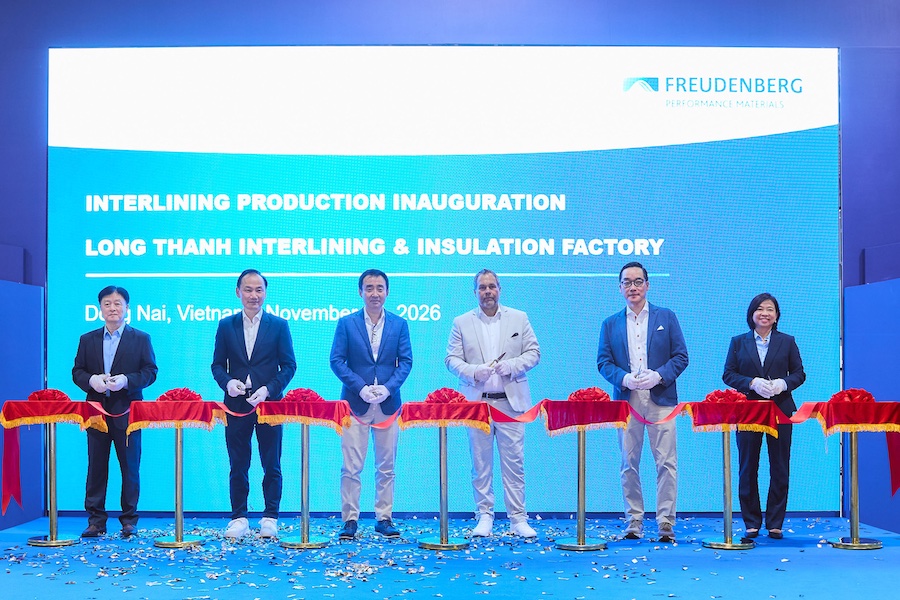
Freudenberg Performance Materials Apparel (Freudenberg Apparel) has expanded its manufacturing capabilities in Vietnam with local apparel interlining production at its factory in Long Thanh, Dong Nai. Apparel brands and manufacturers in Southeast Asia can now source both interlinings and comfortemp® thermal insulation from Vietnam, benefiting from shorter lead times, improved supply responsiveness, and consistent quality standards across Freudenberg Apparel’s regional manufacturing network.

#EU Textile Strategy

EURATEX and Egyptian industry groups sign textile cooperation agreement

The European Apparel and Textile Confederation (EURATEX) has signed a memorandum of understanding with the Apparel Export Council of Egypt (AEC), the Textile Export Council of Egypt (TEC) and the Egyptian Exporters Association (EXPOLINK). The agreement sets out plans to help Egyptian manufacturers prepare for EU sustainability requirements, promote investment and strengthen ties between European and Egyptian textile and clothing companies.

#Textile processing

YKK Bangladesh celebrates 25 years of fastening production and business development

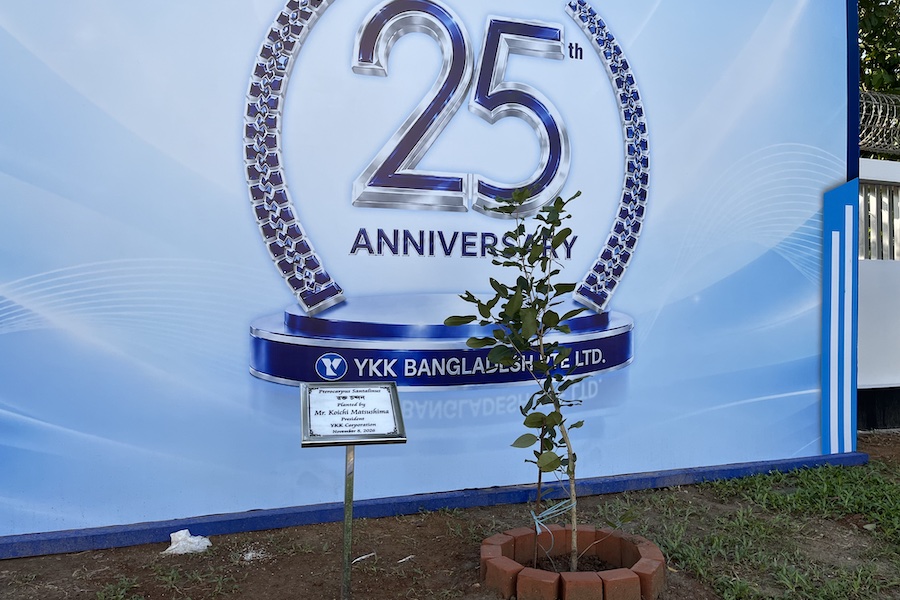
YKK Bangladesh Pte. Ltd., a subsidiary of Japanese fastening manufacturer YKK Corporation, has celebrated its 25th anniversary with a commemorative ceremony in Dhaka on November 8, 2026. Since its establishment in November 2000, the company has expanded its manufacturing capacity and business operations alongside the growth of Bangladesh's apparel industry.

#ITMA Asia + CITME 2026

Murata Machinery to showcase AIcone winding and high-speed VORTEX spinning at ITMA ASIA 2026

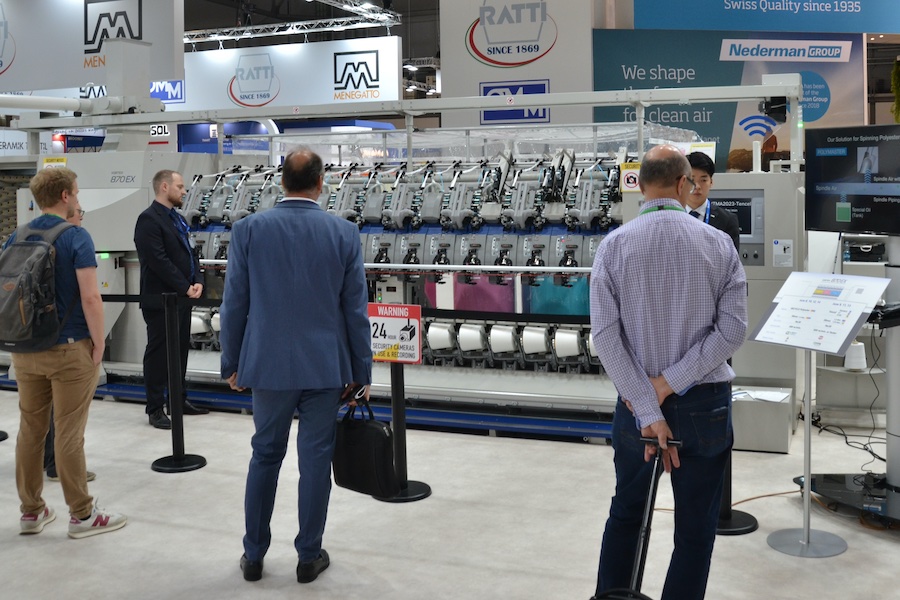
Japanese textile machinery manufacturer Murata Machinery will present its PROCESS CONER AIcone automatic winder and VORTEX 870 EX spinning machine at ITMA ASIA + CITME 2026. Under the theme “Right Choice, Bright Future”, the company will highlight technologies for efficient yarn manufacturing, combining energy-saving winding solutions with high-speed air-jet spinning. Visitors can meet Murata Machinery in Hall 5, Booths E01 and E02.

TOP