[pageLogInLogOut]

#Yarn & Fiber

Lenzing looks to the future with green energy in Indonesia
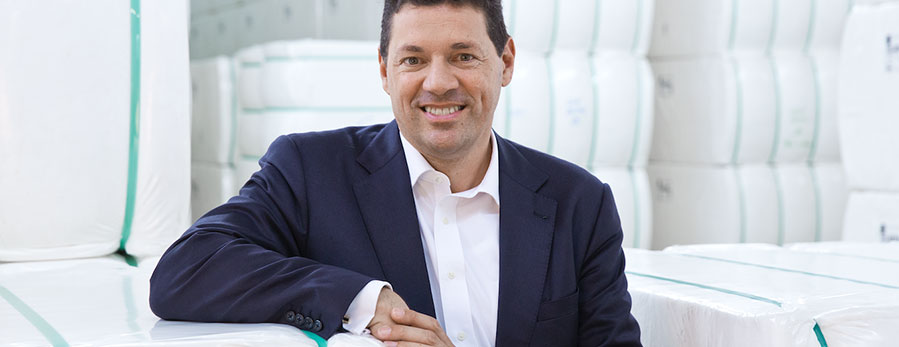
CCO Robert van de Kerkhof © 2022 Lenzing
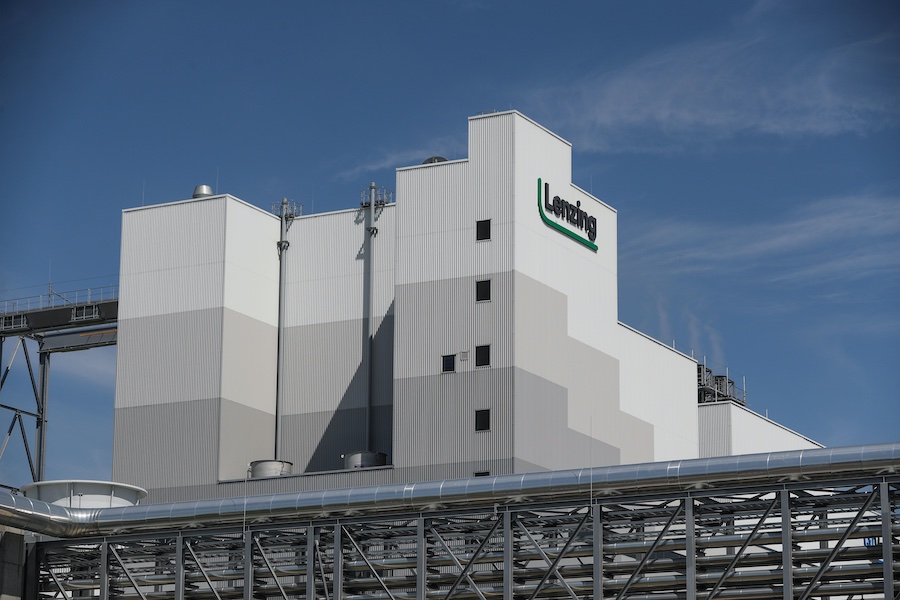
The Lenzing Group, a world-leading provider of wood-based specialty fibers, is expanding its global clean electricity portfolio and transitioning its production site in Purwakarta to green electricity. The Indonesian subsidiary PT. South Pacific Viscose (SPV) has been using electricity generated solely from renewable sources since July this year, which will reduce its specific carbon emissions by 75,000 tonnes annually.
  • Recent transition to green electricity will significantly reduce annual carbon emissions
  • Milestone in the transformation of production capacities to LENZING™ ECOVERO™ and VEOCEL™ branded specialty viscose

In 2019, Lenzing became the first fiber producer to set a target of halving its carbon emissions by 2030 and becoming climate neutral by 2050. This carbon reduction target has been recognized by the Science Based Targets Initiative. In Purwakarta, Lenzing is currently investing in the reduction of carbon emissions, as well as air and water emissions. Thanks to its EUR 100 million investment in this area, Lenzing is gradually transitioning its existing capacities for standard viscose to LENZING™ ECOVERO™ and VEOCEL™ branded specialty viscose.

“Demand for our wood-based, biodegradable specialty fibers is constantly rising. We see enormous growth potential, especially in Asia. The switch to green, renewable electricity marks a huge step forward in converting our Indonesian site into a specialty fiber supplier. This makes us better positioned to meet the growing demand for sustainably produced fibers,” comments Robert van de Kerkhof, Chief Commercial Officer for Fiber at Lenzing.


Boosting growth in specialty fibers

Man-made climate change is one of the most pressing problems of our time. The fashion industry has an extremely negative impact on the environment due to its fast fashion business model and the growing consumption of fossil resources in textile production. LENZING™ ECOVERO™ viscose fibers (for textiles) and specialty viscose fibers under the VEOCEL™ brand with Eco Care technology (for nonwovens) generate 50 percent lower greenhouse gas emissions and water pollution compared to standard viscose.1

Specialty fibers are Lenzing’s key strength. The company aims to generate more than 75 percent of its fiber revenue from the wood-based, biodegradable specialty fibers business under the TENCEL™, LENZING™ ECOVERO™ and VEOCEL™ brands by 2024. With the launch of the lyocell plant in Thailand in March 2022 and the investments in existing production sites in Indonesia and China, the share of specialty fibers in Lenzing’s fiber revenue is set to exceed the 75 percent target by a significant margin as early as 2023.

(1) Higg MSI: This figure was calculated using the Higg Material Sustainability Index (Higg MSI) tools of The Sustainable Apparel Coalition. The Higg MSI tools assess the impact of materials according to the cradle to gate method for finished material (e.g. material that is ready to be integrated into a product). However, the results only reflect the impact of manufacturing up to fiber production.

More News from Lenzing

#Denim

TENCEL™ Lyocell - HV100 achieves global denim availability in six months; Vol. 2 debuts at Kingpins Amsterdam

When TENCEL™ Lyocell - HV100 debuted at last year’s Kingpins Amsterdam in October, 17 mill partners across five countries presented fabrics featuring the new fiber. Just six months on, participation has more than doubled, evolving into a global network that spans nine countries and four continents, signaling both strong industry momentum and growing demand.

#Techtextil 2026

Lenzing unveils three-tier cellulosic fiber portfolio for next generation protective wear

The Lenzing Group, a leading supplier of regenerated cellulosic fibers for the textile and nonwovens industries, today introduces Lenzing Solutions for Protective Wear. This integrated three-tier portfolio is anchored by LENZING™ FR fibers at the highest protection tier for inherent flame resistance and brings together complementary solutions including TENCEL™ Lyocell fibers, both EU Ecolabel-certified² and derived from certified or controlled wood sources³, within a unified protective wear architecture for the first time. The launch marks the most significant expansion of Lenzing’s protective wear business since the company pioneered inherently flame-resistant cellulosic fiber in 1977, and comes as the global personal protective equipment (PPE) market accelerates toward an estimated USD 130 billion by 2033⁴.

#Man-Made Fibers

Lenzing commissions 14 MW power‑to‑heat facility, strengthening grid stability and heat management

The Lenzing Group has successfully commissioned a new power‑to‑heat (P2H) facility with an electrical capacity of 14 megawatts. The installation converts renewable electricity directly into process heat, is fully integrated into the existing heat network at the industrial site, and represents a key building block for a fossil‑free heat supply. As project partner, VERBUND was responsible for the energy‑market integration and will operate the facility for balancing energy marketing, enabling it to respond flexibly to short‑term fluctuations in the power grid.

#Nonwovens

VEOCEL™ Lyocell production expands to Asia – Launching a new chapter for nonwovens in the region

VEOCEL™, Lenzing's flagship specialty nonwovens brand, expands production at its Thai plant in Prachinburi. This is the first-ever production of its nonwoven-grade lyocell fibers in Asia. Built in 2022 with a 100,000-ton annual production capacity, the facility - previously focused on fibers for textile applications - now can directly meet the demand for VEOCEL™’s biodegradable¹, wood-based lyocell fibers for nonwovens products. These fibers are an essential ingredient for high-quality nonwovens products, ranging from baby wipes to facial sheet masks and everyday personal hygiene items.

More News on Yarn & Fiber

#Yarn & Fiber

Next week’s focus: Intertextile Shenzhen & Yarn Expo Shenzhen fuse textile tradition with sustainable, digital trends

Fashion will not be left behind in one of the world’s undisputed tech and manufacturing capitals. Which is why next week, at Intertextile Shenzhen Apparel Fabrics and Yarn Expo Shenzhen 2026, the organisers have made special efforts to integrate textile topics such as materials innovation, holistic sustainability, digitalisation and AI. Yet, from 9 – 11 June at the Shenzhen Convention and Exhibition Center, the platform also includes timeless tradition and heritage-inspired evolution in equal measure. Across both shows, over 600 exhibitors from 11 countries and regions are set to showcase everything from Peruvian alpaca wool fabrics to tea-derived fibres, while their fringe programmes will explore diverse solutions along the entire value chain.

#Yarns

From advanced fibres to eco‑focused yarns: Yarn Expo Autumn 2026 set to welcome global industry to Shanghai

From 25 – 27 August, Yarn Expo Autumn 2026 will return to the National Exhibition and Convention Center (Shanghai) to reinforce its role as a key meeting point for the global yarn and fibre industry. With over 22,000 visitors, the previous edition gathered nearly 580 leading exhibitors from 16 countries and regions, showcasing advanced developments and creative applications that support innovative, sustainable textile design. The upcoming edition will not only present an extensive range of fibre and yarn products, but will also feature a comprehensive fringe programme, including industry forums and trend display areas, providing innovative upstream enterprises with a stage to introduce next‑generation materials and sustainable concepts.

#Man-Made Fibers

Indorama Ventures supports Southeast Asia’s textile customers with reliable regional supply and global innovative portfolio

Indorama Ventures, one of the leading global polyester fiber and filament yarn suppliers globally, will participate in Indo Intertex 2026 in Jakarta this April, making its diverse global portfolio available to apparel, home textile, and hygiene customers across Southeast Asia.

#Yarns

Yarn Expo Spring 2026 concludes, connecting buyers with innovative selection of sustainable yarns and fibres

Yarn Expo Spring 2026 wrapped up successfully on 13 March, as a record-high of over 600 exhibitors from 12 countries and regions welcomed more than 25,000 visitors from 113 countries and regions. Held across 27,000 sqm in Hall 8.2 of the National Exhibition and Convention Center (Shanghai), the fair highlighted the textile industry’s accelerating shift toward a lower-impact, more functional future. Exhibitors presented eco-friendly organic, regenerated and recycled yarns and fibres, alongside innovative options such as sweat-resistant and high-performance materials. A comprehensive fringe programme further enriched the event, offering practical market insights and new networking opportunities.

Latest News

#ITM 2026

ITM 2026: The new geography of textile production

New production hubs are emerging across North Africa and Central Asia, while Türkiye is accelerating its transformation toward higher-value, technology-driven and more sustainable textile manufacturing.

#ITM 2026

Sweden targets Türkiye’s textile future at ITM 2026

Following the opening of its new showroom and test centre in Sweden, imogo will be introducing its groundbreaking new Dye-Max spray dyeing technology to Türkiye’s textile manufacturers at ITM 2026 in Istanbul from June 9-13.

#Knitting & Hosiery

TM WEFT, 270" – More width, more design freedom for the fashion world

KARL MAYER is expanding its successful TM WEFT series with an innovative model that opens up new possibilities, particularly in the fashion & apparel sectors. With a working width of 270", this new machine with weft-insertion not only offers significantly higher output than its narrower counterparts but is also specifically tailored to the demands of dynamic clothing market – particularly in China and Türkiye. A well-thought-out upgrade also ensures even greater design versatility.

#Research & Development

“Production is a product”

From technical textiles and AI-driven robotics to the limitations of textile circularity: Professor Dr Thomas Gries looks back on more than two decades of development at ITA Aachen. In the interview, he explains why production technology remains a decisive success factor, discusses international collaborations and innovation ecosystems, and shares his views on the transformation of production landscapes and the challenges facing an increasingly regulated industry.

TOP