[pageLogInLogOut]

#Textiles & Apparel / Garment

First running shoe midsole based on new biopolymer grade by BASF

The footwear specialist for ultrarunning and long-distance shoes, Mount to Coast, Hong Kong, China, and BASF, Ludwigshafen, Germany have entered into a strategic partnership to explore high-performance, sustainable solutions for runners. CircleCELL™, an innovative midsole, is the first footwear technology the collaboration has produced. Based on BASF’s new biopolymer ecoflex® BMB, the new midsole is 90% more durable while showing the same energy return as midsoles made of polyether block amide (PEBA), a material widely used for performance running shoes.
The midsole CircleCELL™ is based on ecoflex® BMB, which supports Mount to Coast in increasing the use of renewable feedstocks in its foaming process while preserving the characteristics performance shoes require © 2024 Photo: BASF 2024


In ecoflex® BMB, fossil raw materials are replaced with renewable feedstock at the beginning of the production process. The renewable feedstock comes from organic waste and residual biomass and is attributed to the ecoflex® grade via a mass balance approach which is certified according to REDcert2 and ISCC PLUS (1). Thus biomass-balanced ecoflex® supports Mount to Coast in increasing the use of renewable feedstocks in its unique process of foaming the CircleCELL™ midsole while preserving the characteristics performance shoes require, most importantly, durability. In-house tests by BASF have shown that ecoflex® BMB outperforms other midsole materials in density and rebound.

“We are committed to creating shoes through sustainable materials and innovative processes without compromising the specific performance needs of ultrarunners,” says Yeti Zhang, Mount to Coast’s head of product. “BASF has been a crucial partner in supporting our product development team as we search for ways to balance durability and sustainability. Their creativity in introducing mature technology from one industry into a new space, like the footwear industry, is inspiring and aligns with our goals to offer the running community new performance solutions. We are excited to continue working with a world-renowned company advancing biopolymers.”

Marcel Philipp Barth, head of global business management Biopolymers at BASF adds: “Since 1998, when ecoflex® was introduced on the plastics market, customers in many different industries have come to know and trust it for its consistently high quality, performance and the sustainability benefits it brings to their products. So we are excited to bring BASF know-how on circularity and renewable resources to new application fields, to inspire customers to think of new applications made of our biopolymers. We are looking forward to further exploring this path with Mount to Coast in the footwear industry: They can rely on our on-site application support, our proven capabilities to constantly improve footwear materials which are globally available.” Ecoflex® BMB thus perfectly fits into BASF’s pioneering footwear solutions and deep expertise of the entire value chain for cost-effectively creating shoes that are lighter, more comfortable and durable.

Biomass balance approach

In the biomass balance approach, the fossil feedstocks in the first steps of the manufacturing process are replaced by waste-based renewable resources. The renewable amount is then attributed to specific products at the end of the manufacturing process by means of a third-party certified method. This independent certification confirms that BASF has replaced the required quantities of fossil feedstock for the biomass balanced product that customers buy with renewable feedstock according to the REDcert2 and ISCC PLUS requirements.

Further information:

www.ecoflex.basf.com/bmb

www.basf.com/massbalance

www.footwear.basf.com


More News from BASF Aktiengesellschaft
Performance Chemicals for Textiles Europe

#Nonwovens

BASF opens global diaper and superabsorbents performance lab in Mumbai

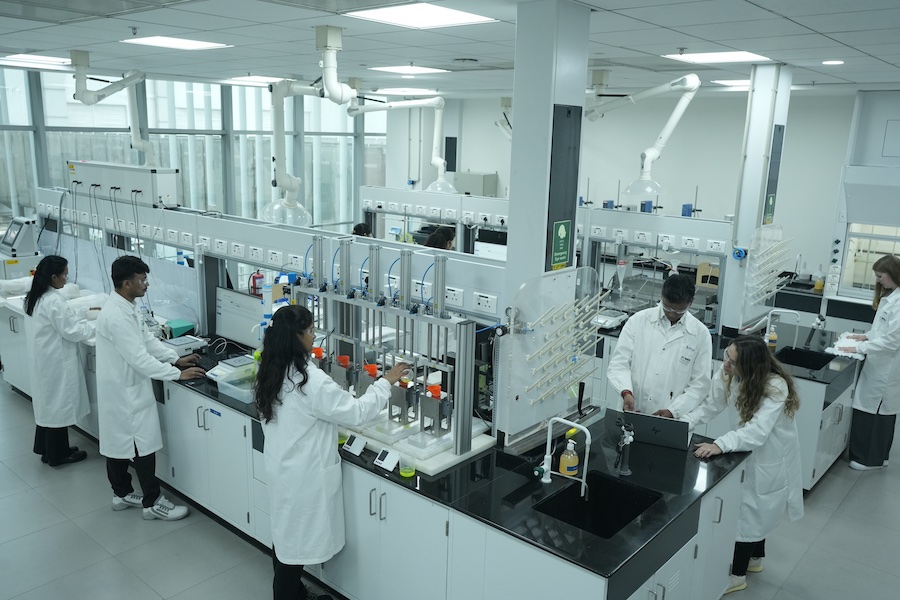
BASF has officially inaugurated its new Performance Lab for diapers and superabsorbents (SAP) in Mumbai on August 18, 2026, which will provide technical and application services to superabsorbent customers globally. The new lab of BASF’s Hygiene Solutions business has been established in less than a year and is part of BASF’s Innovation Campus Asia Pacific in Mumbai, BASF’s second largest R&D site in Asia Pacific established in 2017 under BASF Chemicals India Private Limited.

#Recycling / Circular Economy

Pirelli, Pyrum, Synthos and BASF partner to transform end‑of‑life and scrap tyres into recycled materials for new products

Pirelli, Pyrum, Synthos and BASF are jointly advancing a tyre-to-tyre circular economy initiative in Europe, driving the development of an industrial ecosystem designed to increase the use of recycled materials derived from end-of-life and scrap tyres.

#Recycled Fibers

Lindex and BASF partner to bring textile-­to­-textile recycled polyamide to lingerie sector

Lindex has partnered with BASF’s loopamid® to accelerate textile-­to-­textile recycling and advance the shift towards more circular material solutions in the fashion industry. Together they introduce loopamid to the lingerie sector.

#Textile processing

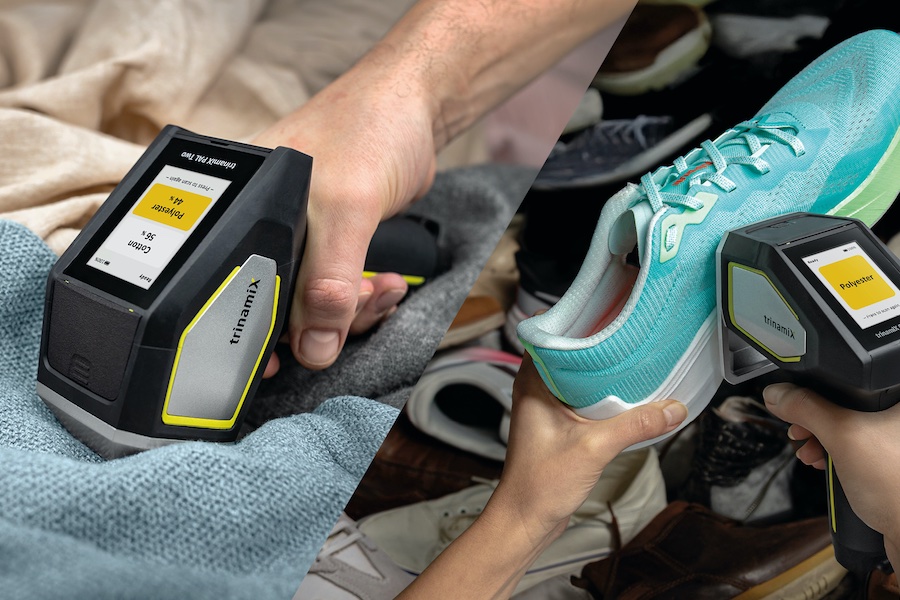
trinamiX mobile NIR spectroscopy: New applications for the footwear and textile industry

trinamiX GmbH expands its solution portfolio for the circular economy, now enabling the identification of materials used in the footwear and textile industries. With its mobile near-infrared (NIR) spectroscopy solutions, trinamiX supports manufacturers, sorters, recyclers, and brand owners in reliably identifying materials and improving transparency across increasingly complex value chains.

More News on Textiles & Apparel / Garment

#Nonwovens

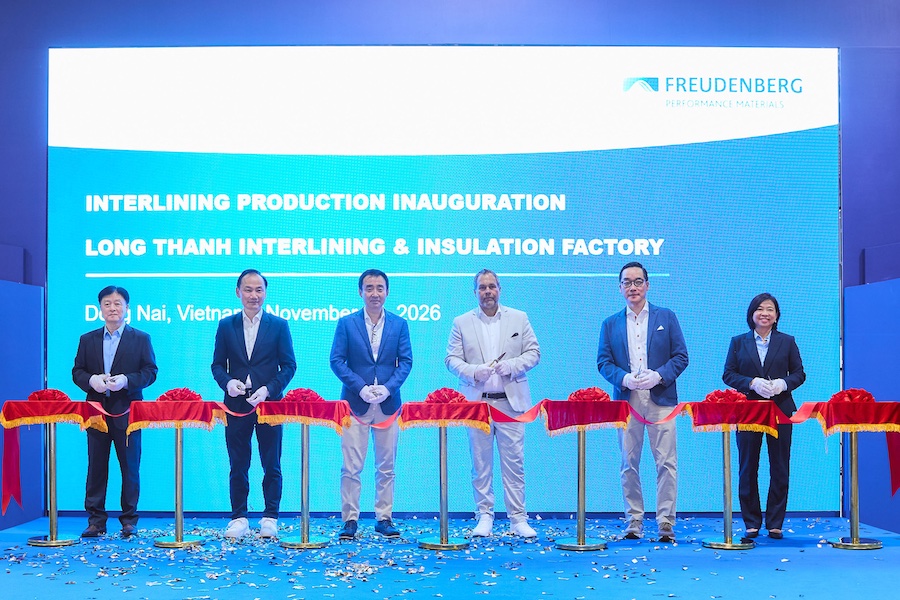
Freudenberg Performance Materials brings interlining production to Vietnam for faster regional supply

Freudenberg Performance Materials Apparel (Freudenberg Apparel) has expanded its manufacturing capabilities in Vietnam with local apparel interlining production at its factory in Long Thanh, Dong Nai. Apparel brands and manufacturers in Southeast Asia can now source both interlinings and comfortemp® thermal insulation from Vietnam, benefiting from shorter lead times, improved supply responsiveness, and consistent quality standards across Freudenberg Apparel’s regional manufacturing network.

#EU Textile Strategy

EURATEX and Egyptian industry groups sign textile cooperation agreement

The European Apparel and Textile Confederation (EURATEX) has signed a memorandum of understanding with the Apparel Export Council of Egypt (AEC), the Textile Export Council of Egypt (TEC) and the Egyptian Exporters Association (EXPOLINK). The agreement sets out plans to help Egyptian manufacturers prepare for EU sustainability requirements, promote investment and strengthen ties between European and Egyptian textile and clothing companies.

#Textile processing

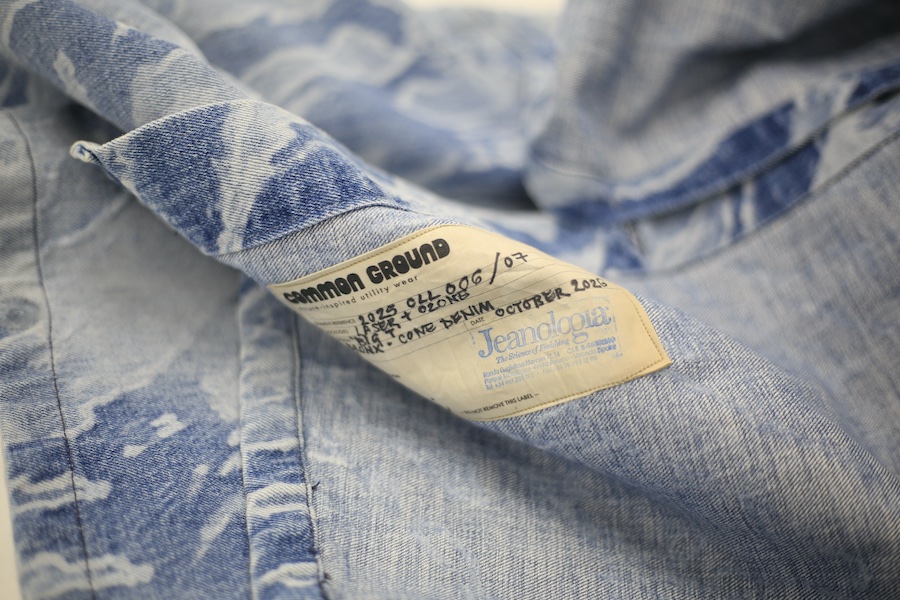
Jeanologia and Sue Barrett explore new interpretations of camouflage in COMMON GROUND

Jeanologia has collaborated with Sue Barrett, founder of Denim Forum, to create COMMON GROUND, a new denim collection that reinterprets camouflage through nature-inspired patterns, vintage garments and modern finishing technologies. Developed as part of Jeanologia’s Denim Métiers initiative, the project combines archival references and creative experimentation with laser and ozone technologies to explore new possibilities in contemporary denim design.

#Textiles & Apparel / Garment

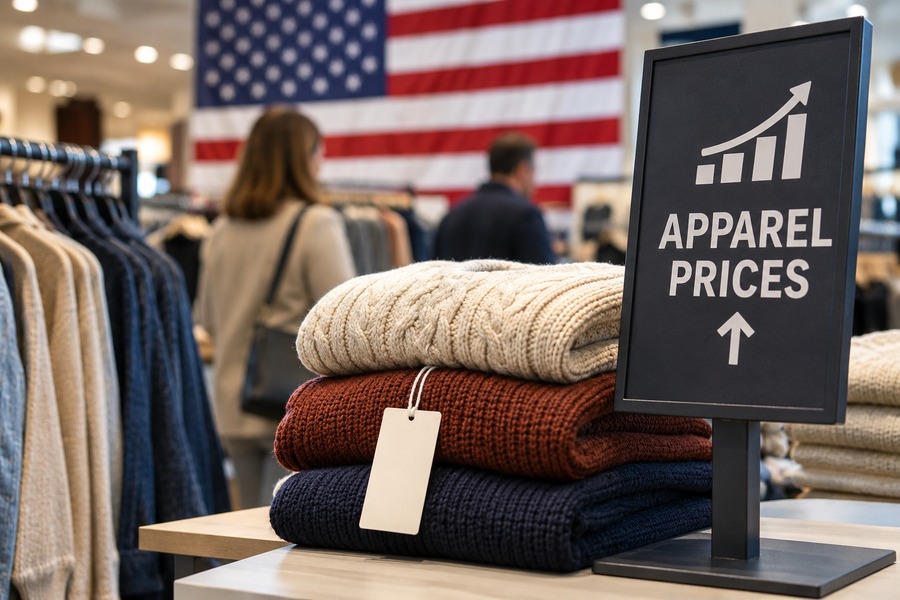
US apparel market: Rising prices, tariff uncertainty and resilient consumer spending

Cotton Incorporated’s Executive Cotton Update for November 2026 highlights a challenging economic environment for the US apparel market. While tariff uncertainty, elevated inflation and weakening real wage growth continue to put pressure on consumers and sourcing decisions, clothing expenditure remains surprisingly resilient. Inflation-adjusted spending on garments increased by 4.8% year-over-year, more than twice its long-term average.

Latest News

#Digital Printing

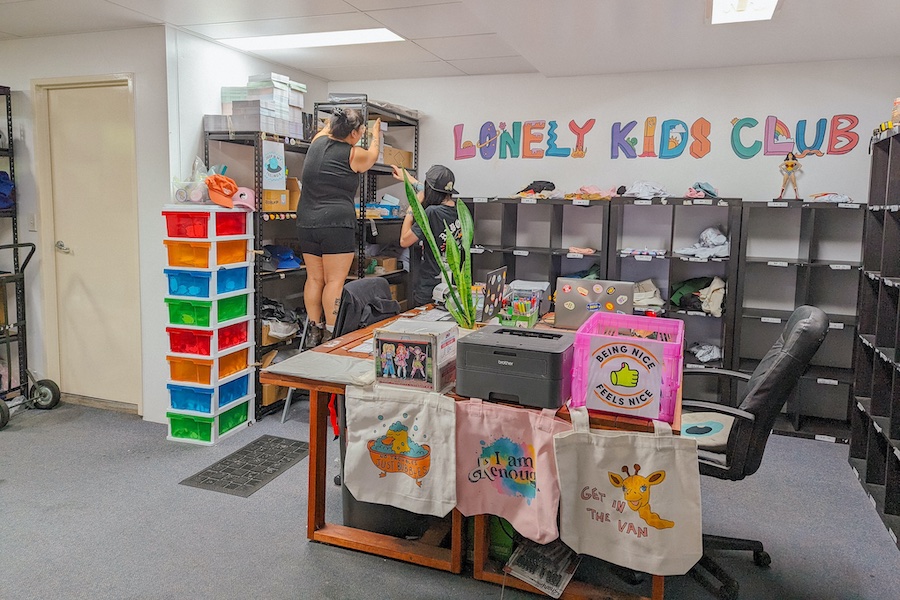
From a bedroom startup to 3,000 designs: How Lonely Kids Club built its business with DTG printing

Founded in Sydney in 2011, independent clothing label Lonely Kids Club has grown from a bedroom startup into a business offering around 3,000 graphic T-shirt designs. With its own production studio, direct-to-garment printing and a demand-driven manufacturing model, the company demonstrates how smaller apparel brands can combine creative independence with flexible production – while navigating the everyday challenges of quality control, workflow efficiency and sustainability.

#Recycled Fibers

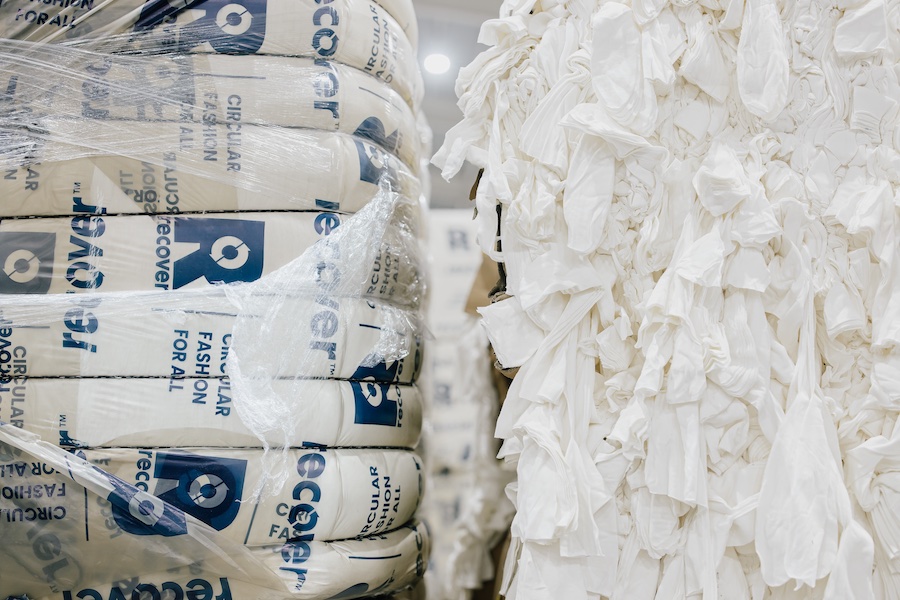
Recover and SUPIMA partner to develop recycled Pima cotton fibers and yarns

Recover and SUPIMA have partnered to turn waste from SUPIMA cotton production into a new line of recycled fibers and yarns. The collaboration will explore how recycled American-grown Pima cotton can be used in a wider range of yarns and garments for the premium market.

#Industry 4.0 / Digitalization

Coats Digital wins SaaS award for AI in apparel manufacturing

Coats Digital has been named Best Company in AI-Powered Fashion Technology at the 2026 Best in SaaS Awards. The company’s AI applications cover garment costing, the analysis of operational data and the use of computer vision to study how tasks are performed on the factory floor.

#India ITME 2026

India’s textile industry: Current position, growth targets and industrial development

With ambitious export targets, major investments in manufacturing infrastructure and new international trade agreements, India is pursuing a comprehensive development strategy for its textile and apparel industry. An overview of the industry’s current position, government initiatives, progress achieved and challenges ahead.

TOP