#Textile chemistry
BASF makes offer to acquire Ciba
Cash offer of CHF 50.00 per share provides attractive premium


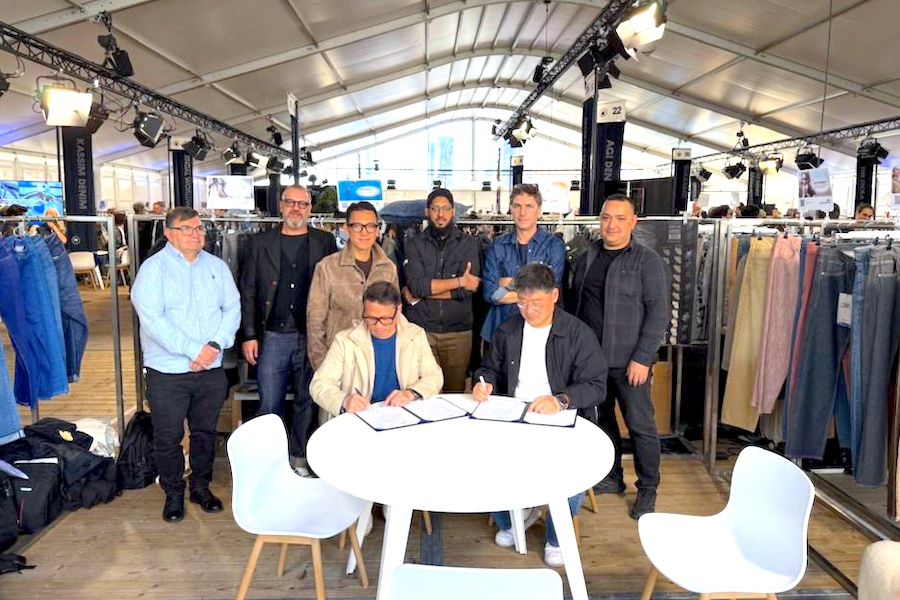
Archroma, a global leader in specialty chemicals, and Prosperity Textile, an international fabric manufacturer with production bases in China and Vietnam, have announced a partnership to drive denim innovation. They will collaborate to develop, evaluate and implement new approaches to improve denim aesthetics, durability and performance, with a shared commitment to sustainability.

Long-lasting performance textiles require solutions that address a wide range of consumer expectations, from lasting freshness and comfort to reliable protection against the elements. SANITIZED and RUDOLF are highlighting their latest innovations, demonstrating how specialized textile technologies can support the functional durability and wearability of modern apparel.

Archroma and Nicca Chemical are collaborating to support the continued growth of ZELAN™ non-fluorinated durable water repellents (DWRs) across the global textile industry. The announcement follows Nicca’s acquisition of the ZELAN™ business from The Chemours Company in March 2026 and extends Archroma’s decade-long legacy with the ZELAN™ brand.
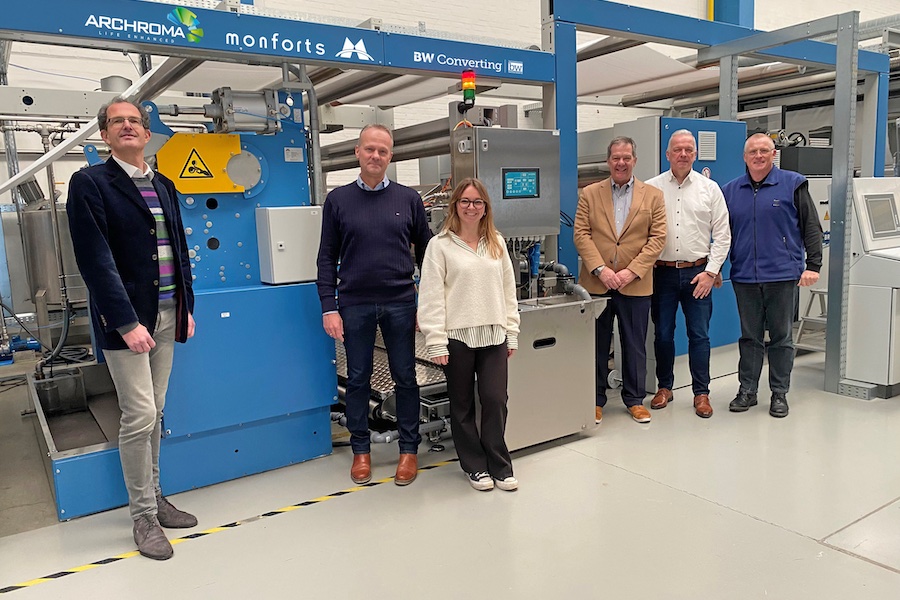
BW Converting, Archroma and Monforts will participate in IGATEX Pakistan 2026, held Oct. 15–18 at the Expo Centre Lahore, at Al-Ameen Trading Corporation’s stand F-2-09 in Hall 2. Together, the companies will highlight precision spray-finishing technology, textile chemistry expertise and application-development support to help Pakistan’s textile manufacturers evaluate opportunities to improve finishing performance and production efficiency.

The intelligent automation solution for the ISEC evo recycling machine automatically adjusts operating parameters to changing input materials, improving throughput, melt quality and process stability while reducing operator workload.

The patent-pending fabric technology prevents hay, straw, mulch and grass from clinging to high-pile fleece. The development received a category award in Fast Company's 2026 Innovation by Design Awards.

The collaboration combines Merino wool with regen™ BIO Spandex and recycled functional fibres to develop fabrics offering comfort, breathability, stretch and shape retention. Future development will focus on recovery wear applications.

The new industry initiative uses FibreTrace® technology to physically verify the origin of polyester filament yarn, supporting compliance with regional trade agreements and strengthening transparency across textile supply chains.


