[pageLogInLogOut]

#Textile chemistry

Archroma introduces highly sustainable durable water repellent for outerwear and apparel fabrics that is softer and more durable

Archroma, a global leader in specialty chemicals towards sustainable solutions, has introduced a new bio-based durable water repellent (DWR) finish that helps mills and brands produce apparel that is soft to the touch and yet offers robust rain and stain protection and an improved sustainability profile.

PHOBOTEX® NTR-50 LIQ is designed to provide excellent water repellence on all kinds of fibers while achieving a very soft handle and avoiding undesired effects like yellowing and chalk marking. It performs especially well on synthetic fibers and their blends, making it ideal for apparel, outdoor wear and home textiles.

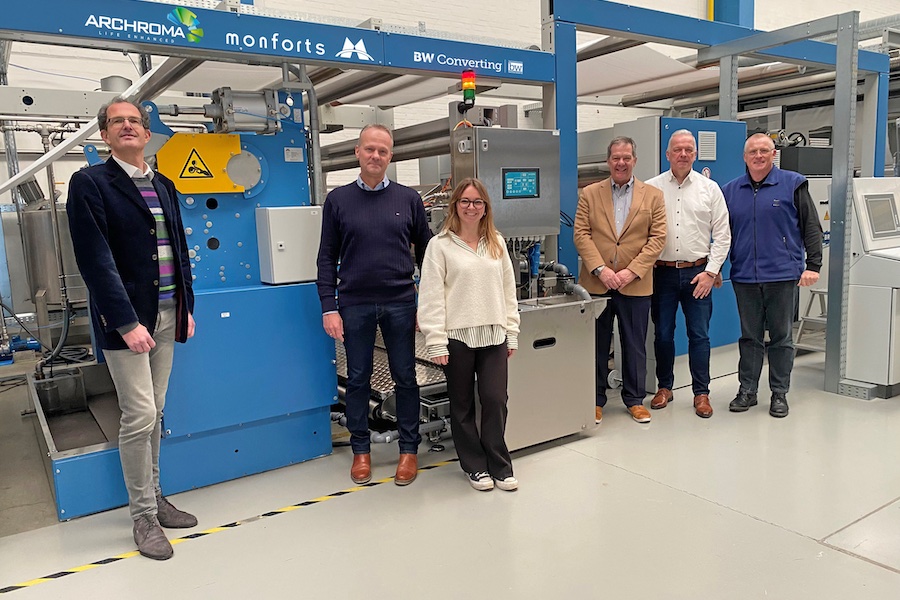
Archroma introduces highly sustainable durable water repellent for outerwear and apparel fabrics that is softer and more durable. (Photo: Archroma)<br />
Archroma introduces highly sustainable durable water repellent for outerwear and apparel fabrics that is softer and more durable. (Photo: Archroma)


The new DWR is based on 50% renewable carbon content based on ASTM D6866 and is free of per- and polyfluoroalkyl substances (PFAS) and formaldehyde. It is also crosslinker-free, which makes it more flexible in use. While offering good wash durability on its own, PHOBOTEX® NTR-50 LIQ can be combined with a crosslinker like ARKOPHOB® NTR-40, which has a biocarbon content of 40%, to further boost wash and/or dry-cleaning resistance.

“Archroma is dedicated to leading the fashion and textile industry to a more sustainable future through a focus on ‘Planet Conscious’ innovation,” Georg Lang, Market Segment Director Finishing, Archroma Textile Effects, said. “With our new PHOBOTEX® NTR-50 LIQ, we have used renewable feedstock to create a best-in-class DWR that is both cost-efficient and delivers a softer hand feel than comparable products. This makes it possible for brands to offer consumers the excellent rain, splash and stain protection they expect, but in fabrics that are more comfortable to wear as well as less likely to tear.”

PHOBOTEX® NTR-50 LIQ also has excellent runnability, which ensures reproducible performance and high production safety, even at elevated temperatures. It is helpful for mills seeking to solve challenges like running issues, such as roller build-up, and strong chalk marking or harsh handle.

Sportswear, fashion and home textiles treated with the PHOBOTEX® NTR-50 LIQ durable water repellent qualify for the High IQ® Repel assurance program. The High IQ® program assures consumers that these products deliver performance, protection and comfort and meet strict environmental standards.




More News from

More News on Textile chemistry

Latest News

#ITM 2026

ITM 2026: The new geography of textile production

New production hubs are emerging across North Africa and Central Asia, while Türkiye is accelerating its transformation toward higher-value, technology-driven and more sustainable textile manufacturing.

#ITM 2026

Sweden targets Türkiye’s textile future at ITM 2026

Following the opening of its new showroom and test centre in Sweden, imogo will be introducing its groundbreaking new Dye-Max spray dyeing technology to Türkiye’s textile manufacturers at ITM 2026 in Istanbul from June 9-13.

#Knitting & Hosiery

TM WEFT, 270" – More width, more design freedom for the fashion world

KARL MAYER is expanding its successful TM WEFT series with an innovative model that opens up new possibilities, particularly in the fashion & apparel sectors. With a working width of 270", this new machine with weft-insertion not only offers significantly higher output than its narrower counterparts but is also specifically tailored to the demands of dynamic clothing market – particularly in China and Türkiye. A well-thought-out upgrade also ensures even greater design versatility.

#Research & Development

“Production is a product”

From technical textiles and AI-driven robotics to the limitations of textile circularity: Professor Dr Thomas Gries looks back on more than two decades of development at ITA Aachen. In the interview, he explains why production technology remains a decisive success factor, discusses international collaborations and innovation ecosystems, and shares his views on the transformation of production landscapes and the challenges facing an increasingly regulated industry.

TOP