[pageLogInLogOut]

#Sustainability

Cone Denim introduces first solar panel installation at mill in Jiaxing, China
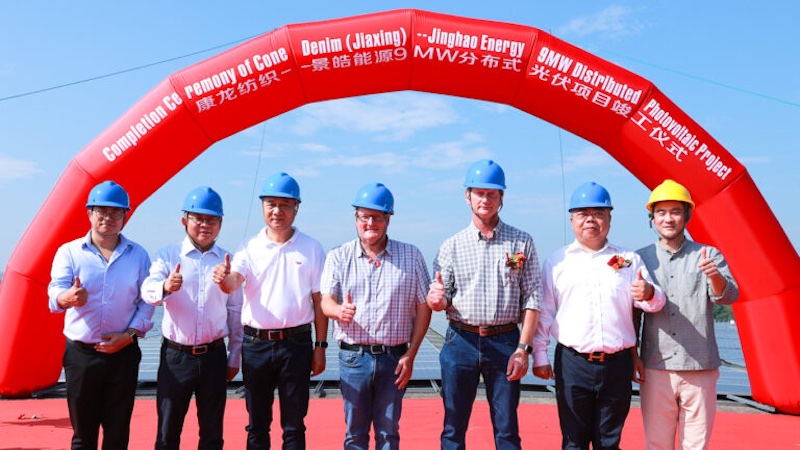
Cone Denim® has taken the next step toward increasing renewable energy usage and reducing greenhouse gas emissions with the construction and launch of its first rooftop solar project in Jiaxing, China.
The installation follows Cone’s recent commitment to obtain 100% renewable energy by 2030  © 2024 Cone Denim
The installation follows Cone’s recent commitment to obtain 100% renewable energy by 2030 © 2024 Cone Denim


“This project is a great accomplishment for Cone towards our sustainability efforts,” stated Cone Denim Vice President of Manufacturing, Brad Johnson. “The solar panel installation demonstrates our commitment to continued innovation across our manufacturing facilities and platforms to reduce greenhouse gas (GHG) emissions.” 

Johnson, alongside other members of the Cone Denim Jiaxing team, announced the official launch of the installation through a ribbon-cutting ceremony held on October 18. The celebration marked the first solar panel installation for Cone, and the fourth overall for its parent company, Elevate Textiles®. 

The solar panel initiative will generate 9 MWH of electricity annually. Johnson estimates that this new clean energy source will provide a 17% reduction in the plant’s annual GHG emissions. 

“This launch provides Cone Denim the opportunity to scale our efforts on clean energy and carbon reduction, all on-site in Jiaxing,” added Johnson. “By implementing this on our industrial site, we are preserving the natural landscape without requiring any additional surrounding land resources.” 

The solar panel project efforts follow Cone’s recent announcement of its commitment to reach its 2030 sustainability goals. The commitments, set by parent company Elevate Textiles, are validated by the Science Based Targets Initiative and state a target for a 46.2% reduction in Scope 1, 2, 3, and GHG emissions. The company also has an ambition to attain 100% renewable electricity by 2030. 

“The installation, alongside our other efforts like Zero Liquid Discharge at our plant in Parras, Mexico, proves our efforts to maintain our reputation as a sustainable supplier committed to trust, traceability and transparency,” stated Johnson. “With the solar panel addition, we hope to serve as a leader in sustainable offerings and innovations, while continuing to inspire change across the industry.”

More News from Cone Denim

#Denim

Artistic Milliners acquires majority stake in Cone Denim

Artistic Milliners, a global leader in denim innovation, today announced the acquisition of a majority stake in Cone Denim from Elevate Textiles. The new multi-national company will operate under the historic Cone Denim name. Artistic Milliners' Pakistan operations and business will continue to operate independently. The transaction is expected to close in the first quarter of 2026.

#Denim

Cone Denim to launch collaborative hub The Cone Collective

Cone Denim® will debut The Cone Collective, a virtual hub for its cross collaborations with designers and students at the end of June. The Cone Collective is a creative initiative within Cone Denim aimed at supporting and highlighting designers, brands, and students who help tell Cone’s story using its denim fabric through unique creations and art.

#Sustainability

Cone Denim 2025 Sustainability Report highlights key initiatives, sustainable innovations, and collaborative projects

Cone Denim®, a leading denim innovator for more than 130 years, is pleased to release its 2025 Sustainability Report. Within the report, Cone reflects upon its sustainable progress over the previous year and discusses metric goals set by parent company Elevate Textiles that it aims to achieve by 2030.

#Denim

Cone Denim and AMK Atelier honor Rooted collaboration at Kingpins Amsterdam

Cone Denim® will debut Rooted, a denim collaboration with AMK Atelier and videographer Eduard Nijgh, at Kingpins Show Amsterdam April 16-17. The collection follows the work of farmers at De Stadsgroenteboer in Amsterdam, documenting wear patterns and testing fabric durability for a full year in custom workwear designed by AMK Atelier. Rooted garments utilize a range of Cone Denim fabrics, including the most recent Cone Denim Community Deforestation selvedge fabric.

More News on Sustainability

#Sustainability

Inside the Making at Ecomondo 2026: Textile supply chain calls for transparency and measurable sustainability

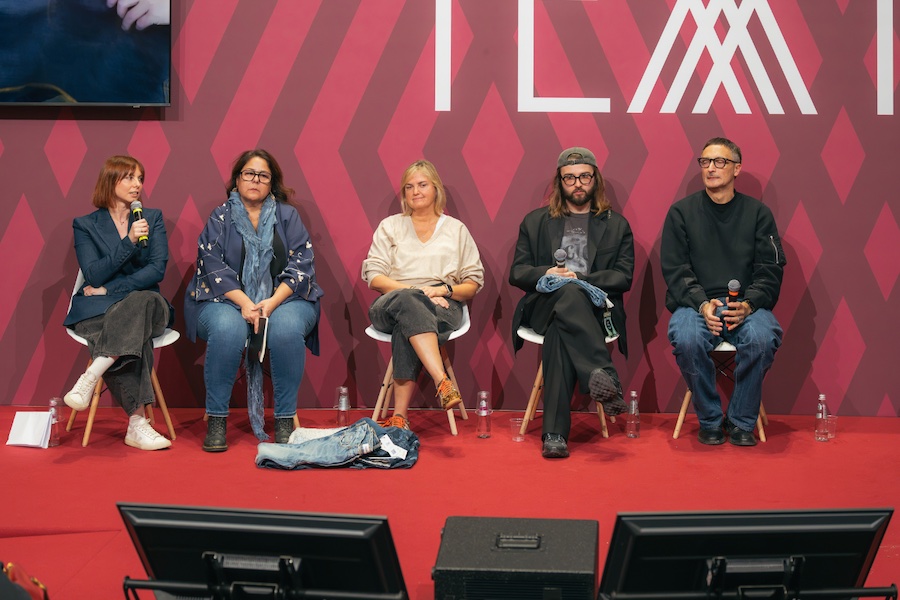
Transparency, verifiable environmental claims and closer cooperation across the textile value chain were the central themes of the “Inside the Making: The Power of the Process” panel at Ecomondo 2026 in Rimini. Representatives from denim and sportswear manufacturing, textile finishing, digital printing and branding discussed how technological innovation and supply chain collaboration can help companies meet new European regulatory requirements while making sustainability economically viable.

#Recycling / Circular Economy

H&M Foundation highlights economic barriers to scaling circular textile systems

Discussions at Textile Exchange 2026 underline the need for coordinated investment, reliable material flows and a fair distribution of costs and risks across the textile recycling value chain.

#Recycled Fibers

C&A and Zalando join Altag® Fiber Club to accelerate adoption of agricultural waste-based fibres

Fashion for Good and AltMat announced today that C&A and Zalando have joined the Altag® Fiber Club as its first brand signatories, marking a critical commercial milestone in the journey to mainstream adoption of next-generation fibres derived from agricultural waste.

#Industry 4.0 / Digitalization

Jeanologia and BCome connect factory data with Life Cycle Assessment and Digital Product Passports

A new white paper by EIM by Jeanologia and BCome demonstrates how primary environmental data from denim finishing processes can be integrated into a garment's Life Cycle Assessment (LCA) and prepared for use in a Digital Product Passport (DPP). A comparative case study highlights significant improvements at the production stage while also showing how these translate into the environmental performance of the finished garment.

Latest News

#Digital Printing

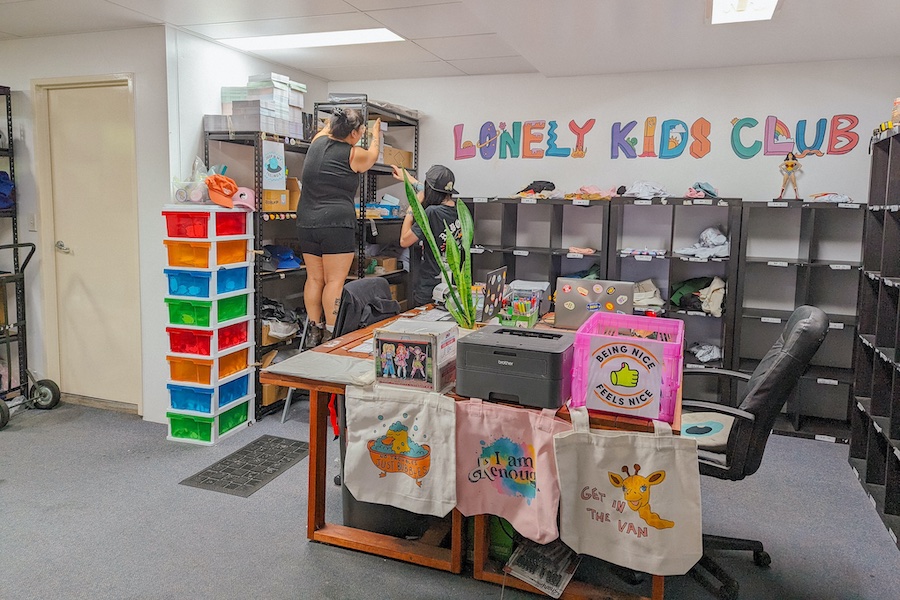
From a bedroom startup to 3,000 designs: How Lonely Kids Club built its business with DTG printing

Founded in Sydney in 2011, independent clothing label Lonely Kids Club has grown from a bedroom startup into a business offering around 3,000 graphic T-shirt designs. With its own production studio, direct-to-garment printing and a demand-driven manufacturing model, the company demonstrates how smaller apparel brands can combine creative independence with flexible production – while navigating the everyday challenges of quality control, workflow efficiency and sustainability.

#Recycled Fibers

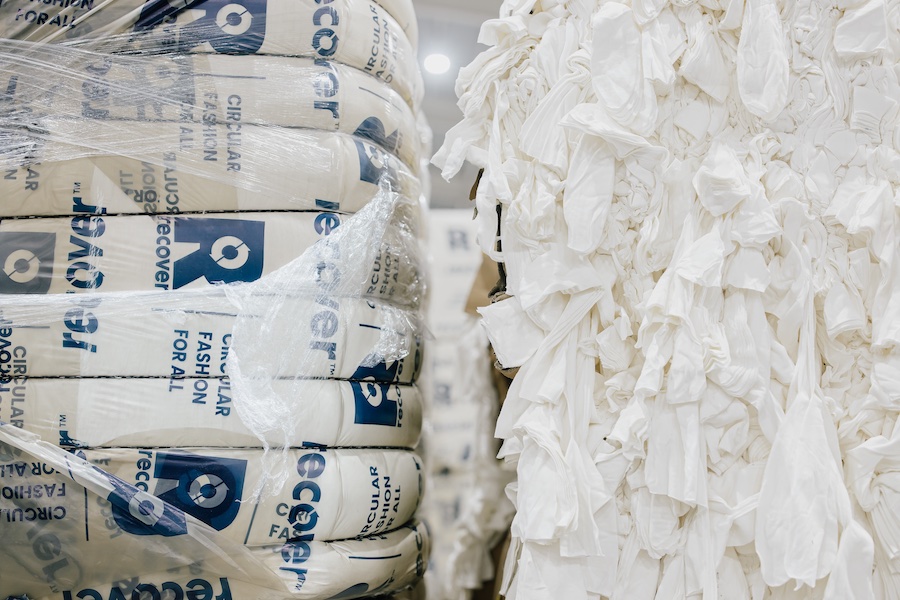
Recover and SUPIMA partner to develop recycled Pima cotton fibers and yarns

Recover and SUPIMA have partnered to turn waste from SUPIMA cotton production into a new line of recycled fibers and yarns. The collaboration will explore how recycled American-grown Pima cotton can be used in a wider range of yarns and garments for the premium market.

#India ITME 2026

India’s textile industry: Current position, growth targets and industrial development

With ambitious export targets, major investments in manufacturing infrastructure and new international trade agreements, India is pursuing a comprehensive development strategy for its textile and apparel industry. An overview of the industry’s current position, government initiatives, progress achieved and challenges ahead.

#Weaving

“A complex design is only useful if the machine can reproduce it consistently”

Andreas Schnabel, Head of R&D for Technical Weaving Systems at Stäubli, discusses how 3D weaving can create textile reinforcements tailored to the loads within a composite component, where near-net-shape weaving can reduce processing steps and material waste, and what it takes to produce complex structures reliably and economically. He also explains how manufacturers can adapt Stäubli’s modular TF weaving platforms to new applications and how the company’s centre of excellence in Bayreuth supports the transition from research to industrial production.

TOP