[pageLogInLogOut]

#Spinning

Pre-Cleaner CL-X: Proven in cotton cleaning – creating value beyond the spinning mill
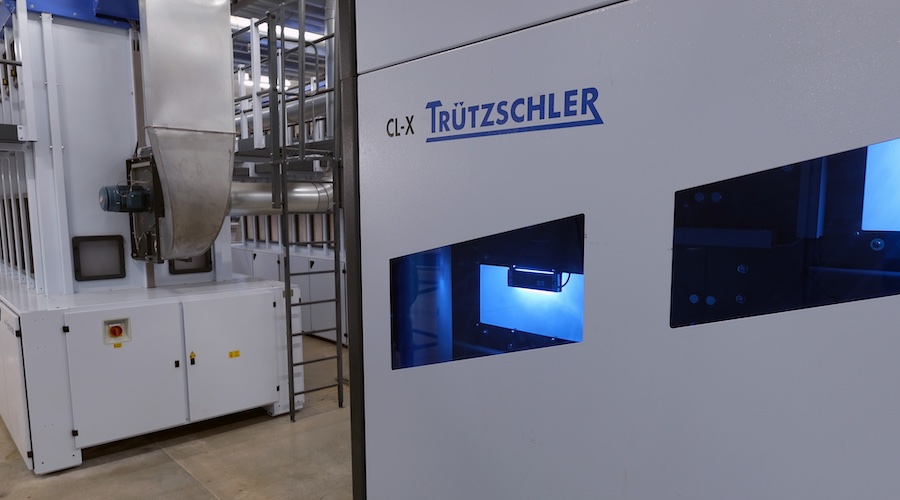
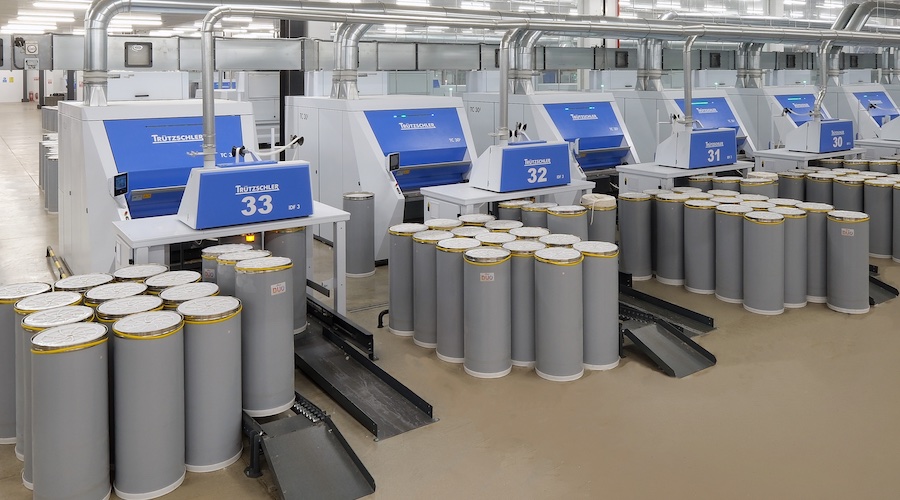
The CL-X enables significantly more effective fiber recovery. © 2026 Trützschler
Since its market launch, the CL-X has firmly established itself in blowroom lines worldwide. Hundreds of installations confirm its ability to deliver superior cleaning efficiency, lower waste, higher productivity and significant energy savings. Now, new customer applications show that the CL-X not only continues to excel in spinning preparation – it is also entering a completely new field of application: ginning.

Opening up new potential in ginning

Cotton gins perform the very first industrial processing step of cotton. Seed cotton arrives directly from the field and must be dried, cleaned and separated into three components: cotton fibers, cotton seeds and waste. While the fibers are pressed into bales for spinning mills, the waste fraction is sold separately – often still containing a considerable share of usable fibers.

In conventional ginning processes, this waste can contain up to around 0,8% good cotton fibers. These fibers still have value, but they are transported and sold in mixtures with trash, resulting in lower prices and unnecessary logistics costs. This is where the CL-X comes into play.

Installed directly downstream of the ginning machine, the CL-X enables significantly more effective fiber recovery. Thanks to its precise cleaning action, usable fibers are separated more efficiently from trash before shipment. The result: higher fiber yield, less waste volume – and greater economic value from the same amount of raw cotton.

Success story from Brazil

A Brazilian customer has now successfully implemented this concept. In a ginning operation processing around 500,000 tons of cotton per year, approximately 65% – or 65,000 tons – is typically separated as cotton seeds and waste during the cleaning process. Within this portion, approximately 4,000 metric tons (or 0.8%) of the waste consists, among other things, of high-quality fibers that should be separated, as they would otherwise be lost at this stage of the process.

By integrating the CL-X into the ginning process, the customer was able to further separate the ginning waste, splitting it into real waste and usable fibers that can be recovered at this early stage. This resulted in a significantly higher share of high-quality, marketable fibers, which in turn reduced the amount of waste

that needed to be transported. In addition to lower logistics costs, the customer benefits from substantially better prices for the recovered fibers.

Convinced by the results, the Brazilian ginnery has already placed follow-up orders for four additional CL-X machines for its ginning operations – a strong endorsement of the concept’s economic and technological potential. This application clearly demonstrates how CL-X performance can create added value well beyond the spinning mill.

Confirmed excellence in spinning preparation

While the ginning application highlights the CL-X’s versatility, new results from spinning mills further confirm its leadership in established use cases.

In Vietnam, a customer compared the CL-X with the previous pre-cleaning solution under identical production conditions. The CL-X reduced waste by approximately 0.5% to 0.8% in total while simultaneously improving yarn quality. These improvements led to enhanced efficiency on the customer’s rotor spinning operations, reduced material loss and a more consistent yarn output. At the same time, power consumption dropped by around 40%, resulting in substantial energy savings, lower operating costs and a clear sustainability benefit. The customer reports high satisfaction, particularly with the machine’s operational stability and output quality.

Equally impressive results were achieved at a Turkish spinning mill processing 100% cotton at 1,100 kg/h. Replacing a competitor machine with the CL-X led to 80% less waste, around 30% lower energy consumption and noticeably higher yarn quality downstream. In addition, the blowroom operation became more stable and efficient. Where two machines had previously been required, one CL-X now handles the cleaning task alone, setting a new benchmark for both productivity and simplicity. Encouraged by these results, the customer has already decided to upgrade its blowroom line with further CL-X machines.
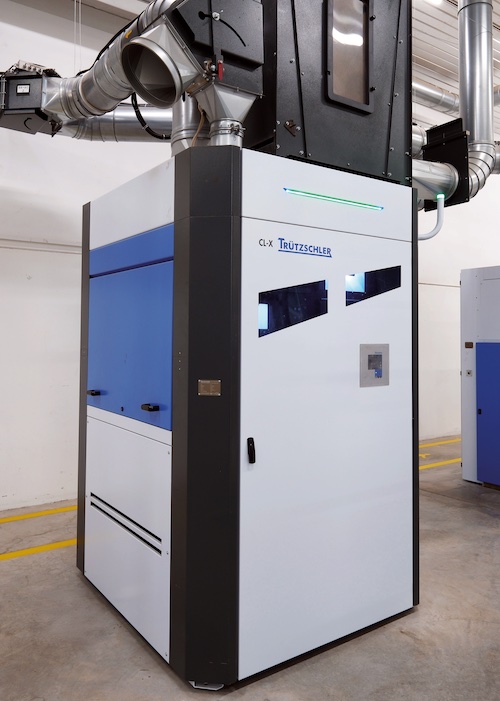
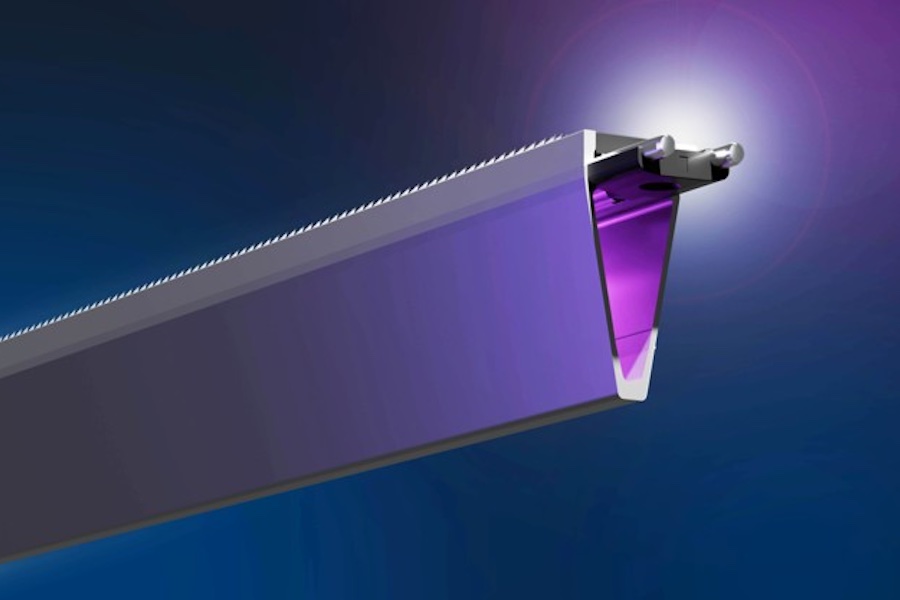
The CL-X creates value beyond the spinning mill. © 2026 Trützschler


Smart technology, strong cleaning performance

The technological foundation for these results in spinning preparation and ginning is the CL-X’s advanced cleaning concept. At its core is the proven WASTECONTROL system, which continuously monitors trash content and raw material quality by using real-time data. When too many good fibers are detected in the waste, the system automatically suggests an optimized setting to minimize fiber loss – ensuring consistently high cleaning performance and maximum fiber yield across varying conditions.

One machine, multiple opportunities

From spinning preparation to ginning, the CL-X once again proves why it has become a benchmark in cotton cleaning. Its ability to deliver measurable economic, quality and sustainability benefits – even in entirely new applications – demonstrates the strength of its underlying concept and how smart pre-cleaning technology continues to unlock new potential along the entire cotton value chain.
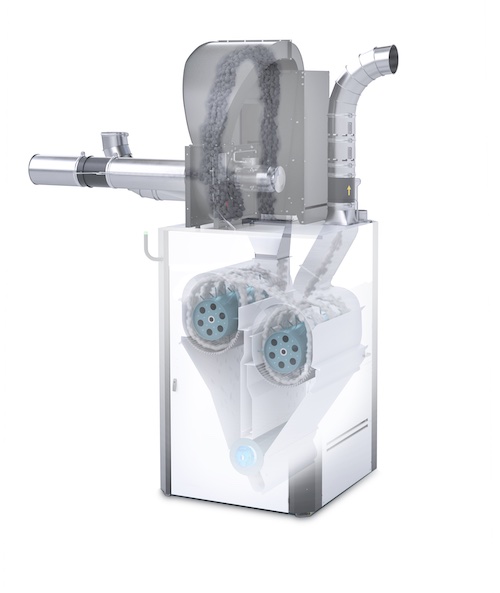
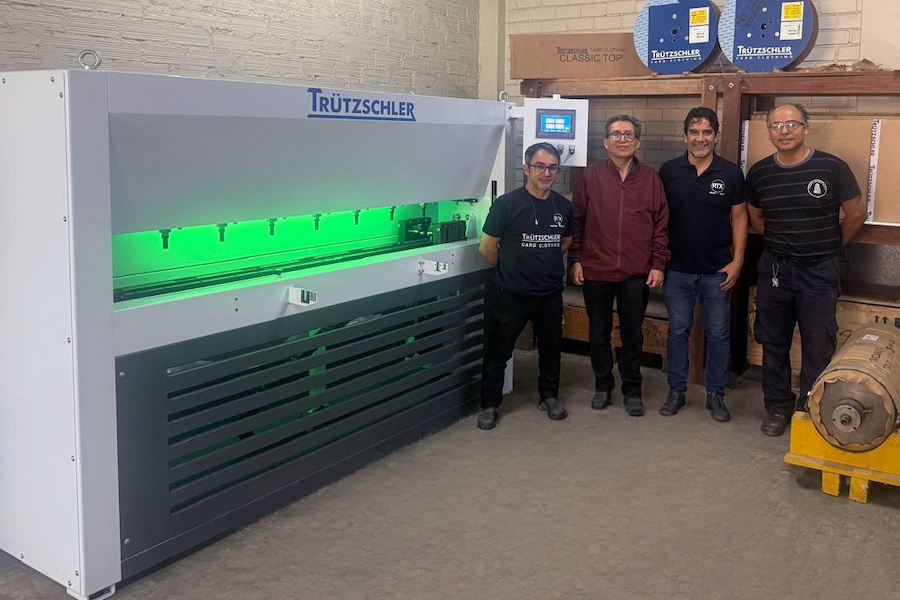
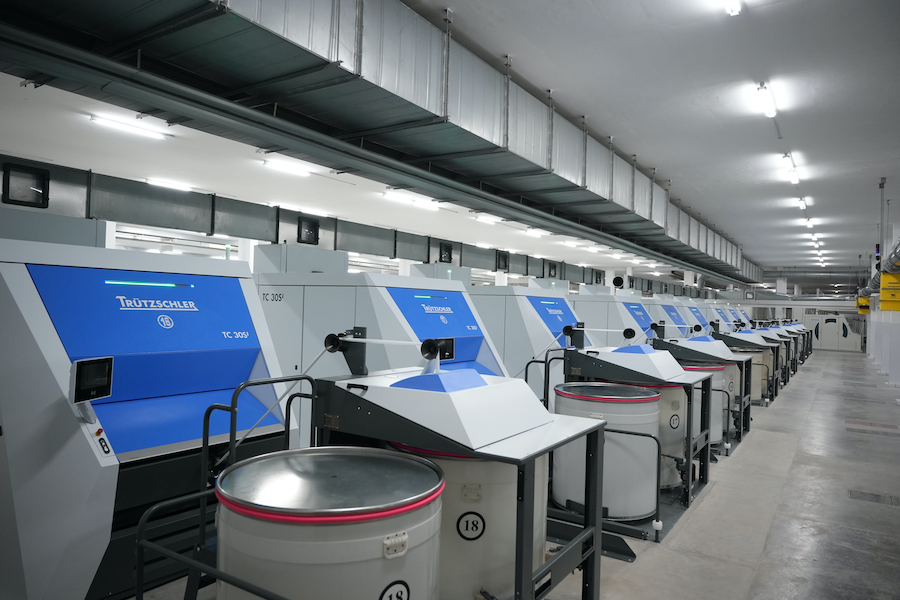
Pre-Cleaner CL-X: Delivering outstanding cleaning efficiency across diverse applications. © 2026 Trützschler


More News from Truetzschler GmbH & Co. KG

#Spinning

STEELTOP®: A new benchmark in flat tops for spinning preparation

Modern carding generations achieve higher production performance, placing significantly greater stress on flat tops. Higher cylinder speeds and increased fiber density, combined with tighter carding gaps, create more demanding operating conditions. At the same time, poorer raw material quality and the increased use of recycled materials further intensify these challenges. With STEELTOP®, Trützschler introduces a new full steel flat top series developed for these demanding modern carding processes.

#Spinning

Ibrahim Fibres and Trützschler: A strong partnership enters its next phase with the TC 30Si

For more than two decades, Ibrahim Fibres and Trützschler have grown side by side, driven by a shared ambition to continuously improve spinning performance, strengthen technology leadership and set new benchmarks in the textile industry. Today, Ibrahim Fibres is a leading yarn and polyester staple fiber manufacturer in Pakistan. The company operates the largest number of Trützschler cards in the country, with more than 200 machines running across its mills in Faisalabad, and plays an important role in one of Asia’s largest textile industries.

#ITM 2026

Trützschler’s Integrated Draw Frame IDF 3: Unlocking the full potential of short fiber processing

Spinning mills worldwide are looking for solutions that combine higher productivity, stable quality and shorter processes, especially when processing short fibers. Trützschler’s integrated draw frame IDF 3 has proven to be a powerful answer to these requirements. Evaluations from several customer trials in Türkiye under real production conditions highlight the strong performance of the IDF 3, particularly when combined with the next-generation card TC 30i.

#ITM 2026

Experience Trützschler’s leading fiber processing technologies at ITM 2026

From June 9 to 13, the Trützschler Group will present its latest machinery, service expertise and digital solutions at ITM 2026 in Istanbul, Türkiye. Visitors are invited to explore innovations across Spinning, Card Clothing, and Nonwovens at Hall 7, Booth 714A at the Tüyap Fair Convention and Congress Center. They can experience modern fiber processing with Trützschler!

More News on Spinning

#Spinning

Barmag expands its portfolio for PA6/PA6.6 applications — also available as a retrofit solution

With the new type 6020 ceramic oiler, Barmag is introducing a powerful addition to its product portfolio for processing PA6 and PA6.6 yarns. The solution is specifically designed for low-titer applications in the range of 5 to 100 denier.

#Recycling / Circular Economy

Rieter and partners launch Recycling Powerhouse for industrial-scale textile recycling

Recycling Powerhouse Ltd. was established in July 2026 to industrialize, standardize and scale textile recycling. Based in Switzerland, the venture will operate a franchise-driven business model that enables the production of high-quality, certified recycled yarns. The project is supported by the following partners: Rieter Group, the world’s leading system supplier for natural and man-made fibers, Säntis Textiles, a Swiss textile engineering company, and Valvan, a Belgian sorting technology company. The first blueprint franchise operation is scheduled to launch early 2027 in partnership with Suhail Industrial Holding Group in Qatar.

#Spinning

Rieter sees Barmag integration on track as orders and sales rise

The first half of 2026 was shaped by the successful completion of the largest acquisition in Rieter’s history. The Man-Made Fiber Division enables entry into the growth segment of man-made fibers and sustainably strengthens Rieter’s market position in the Asia region. The expanded Group is now the world’s leading system supplier for the processing of natural and man-made fibers. In the first half of the year, initial cost savings in material costs and operating expenses have already been realized. The targeted synergies are expected to amount to at least CHF 20 million by the end of the 2028 financial year. Due to the completion of the acquisition on February 2, 2026, the first half of the year for the Man-Made Fiber Division only amounts to five months.

#Spinning

Barmag Fuzhou Customer Day concludes successfully, boosting high-quality chemical fiber growth in Fujian & Guangdong

Barmag hosted its Customer Day themed “A New Era. Powered by Innovation.” in Fuzhou on June 28, welcoming nearly one hundred invited customers from Fujian and Guangdong provinces. Georg Stausberg, CEO of Barmag Group, attended along-side the sales and R&D expert China team to jointly present integrated solutions covering the entire man-made fiber value chain.

Latest News

#Research & Development

Smart textiles reversibly change shape in an energy-efficient manner in response to ambient temperature

Self-actuating textile structures are used in a wide range of applications, such as medical technology, automation, architecture, agriculture, and the apparel industry. An example is the use of shading nets in greenhouses, which can be deployed and retracted depending on the sunlight intensity. The German Institutes of Textile and Fiber Research Denkendorf (DITF) are developing textiles based on shape-memory polymers with reversibly controllable geometry.

#Man-Made Fibers

Sorona® and WGSN announce top bio-based material trends of 2027

Sorona®, the partially bio-based polymer from Covation Biomaterials (CovationBio™), and global trend forecasting authority WGSN today release the material trends shaping the textile industry through 2027 and beyond following a comprehensive examination of bio-based functional fiber applications and global data.

#Digital Printing

Where every detail counts: Experiential applications of DTF and UV-DTF printing

Personalisation has moved far beyond the traditional logo on a t-shirt. Today, brands want to create complete experiences, where every detail – from clothing and accessories to décor and packaging – feels distinctive and reflective of their identity.

#Europe

The Digital Product Passport registry is now live

On 20 July, the European Commission launched the Digital Product Passport Registry together with a testing environment, marking an important milestone in making the Digital Product Passport (DPP) a practical reality for businesses placing products on the EU market.

TOP