[pageLogInLogOut]

#Research & Development

Objective sports bra testing fills a gap in the market

A new Hohenstein test method scientifically measures the support level of sports bras, a previously subjective claim. The new method, developed by the fit experts at Hohenstein, creates reproducible, independent results, without human influence. The neutral data will help bra manufacturers and brands improve products and communicate verified claims.

The new bra testing method classifies the amount of support a bra provides (high, medium and low). Hohenstein also benchmarks the bra with other products on the market. The classification and benchmarking data help with product development, quality management and marketing claim verification. The results can also be used for credible, point-of-sale marketing to end consumers.

A specially developed torso from Hohenstein’s 3D printing facility enables testing of different cups and sizes. The breast is replicated using suitable materials and in customizable shapes. During the test, the movement of the breast is simulated and analysed in all three movement directions (up/down, right/left, forwards/backwards).

Hohenstein has in-depth expertise in fit and pattern development. “Our garment engineers have been studying the market and improving fit for decades. Knowing the target group - intended use and cup size - is one of the most important factors,” said Simone Morlock, Hohenstein’s Head of Clothing Technology. “Yoga and horse riding require very different levels of support.” In partnership with a brand, the Hohenstein team goes through the requirements and works to optimise the product for the specific target group.

Although the focus is on sports bras, testing is not limited to this application. The test works in combination with a required fitting test, for which Hohenstein draws on a large pool of human fit models. The movement of the breast can be reduced through an optimised pattern. This combination of services is unique on the market.


A different level of support is required depending on the sport. A handball player, for example, needs a high level of support. © Hohenstein


More News from Hohenstein Institute

#Research & Development

New DIN SPEC assesses environmental impact of textile fragments in soil

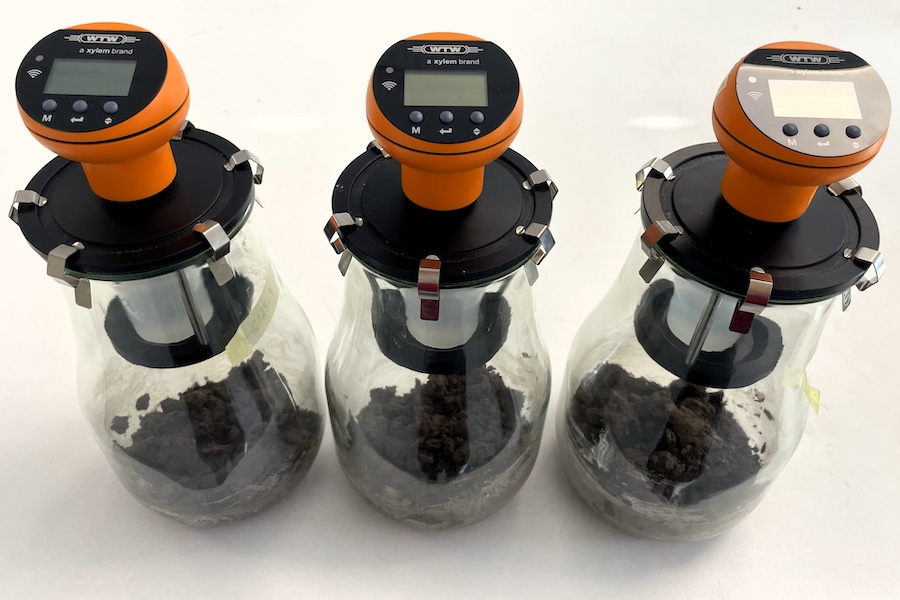
Textile products made from synthetic fibres, finished fabrics or dyed materials release fibre fragments into the environment at every stage of their life cycle. With the new DIN SPEC 19296, Hohenstein has developed a standardised testing method to analyse how these fragments behave in soil under natural conditions. Until now, little was known about their environmental behaviour or potential ecological effects once released.

#Research & Development

Testing and research laboratory ensures safe and more sustainable products worldwide

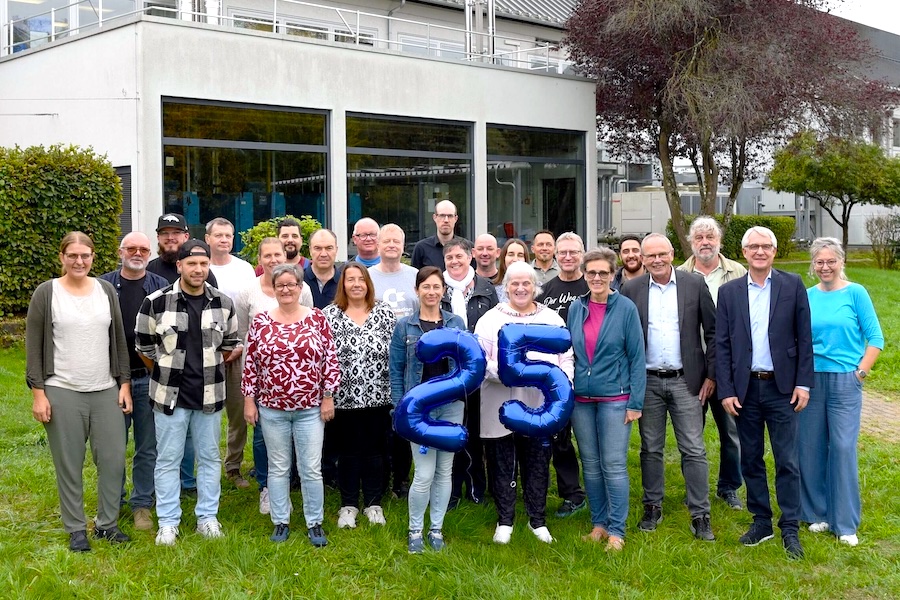
For 80 years, Hohenstein has stood for independent testing, scientific expertise and practical solutions. Today, the testing and research service provider supports manufacturers and brands worldwide in making textiles, hardlines and medical devices safe, more sustainable and market-ready – thereby building trust among consumers. With an international presence and interdisciplinary expertise, Hohenstein supports its customers from production through to market launch, helping them navigate an environment of growing regulatory and societal demands.

#Research & Development

A smarter way to verified Chemical Compliance

Hohenstein and GoBlu Drive Innovation in Sustainable Supply Chain Management As regulatory demands, customer expectations, and sustainability goals continue to grow, the ability to manage chemical compliance and data across complex supply chains has become critical. Hohenstein and The BHive® by GoBlu are initiating a strategic partnership to enhance chemical management in the textile sector. The collaboration delivers more than just a service – it provides an integrated, future-ready solution for brands, manufacturers and suppliers seeking trusted chemical management and credible sustainability.

#Research & Development

Hohenstein achieves GLP Certification for Medical Device Testing

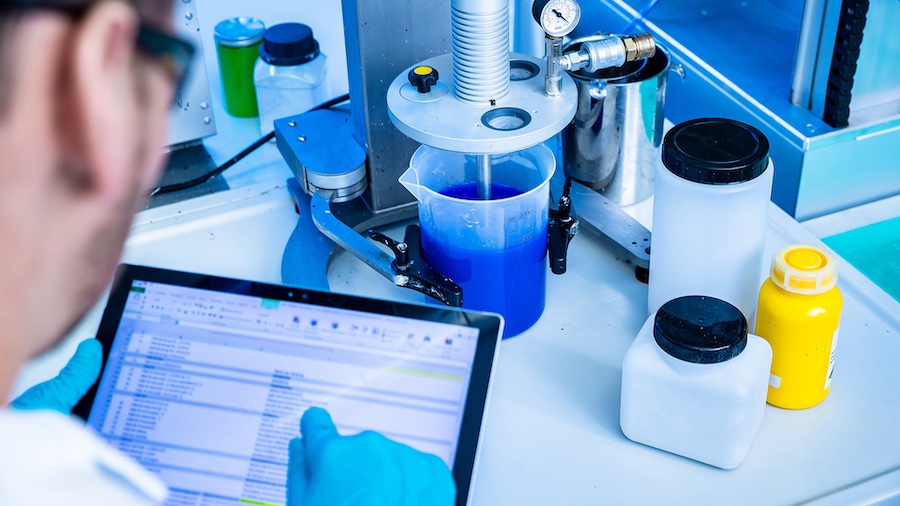
Since the middle of July, the testing service provider Hohenstein has been certified to conduct medical device testing in accordance with the internationally recognised Good Laboratory Practice (GLP) standard. This certification comprehensively covers chemical, physical and biological safety testing of medical devices.

More News on Research & Development

#Composites

More affordable, environmentally friendly hydrogen pressure tanks at ITA-JEC booth

As a highlight of the JEC, the Institut für Textiltechnik (ITA) of RWTH Aachen University will be presenting hydrogen pressure tanks manufactured using multifilament winding processes at the NRW joint booth in Hall 5, Stand G65.

#Research & Development

Pioneer of the first hour: Michael Carus steps down after more than 30 years from nova-Institute’s Management

After more than three decades at the helm, founder and CEO Michael Carus is set to step down as head of the Renewable Carbon division on 1 March 2026. Lars Börger as the new CEO, will take over this key position of the nova-Institute together with COO Linda Engel, while Carus will remain with the research and consulting company as a senior advisor and shareholder. This change takes place after a one-year transition phase, as planned.

#Man-Made Fibers

Toray develops AURLIST™ polyester filament fiber with luxurious luster and ultra-fine structure

Toray Industries has developed AURLIST™, a new polyester filament fiber designed to combine luxurious luster, soft loft and a subtle fibrillated surface texture. The company primarily targets applications in women’s apparel such as tops, bottoms and dresses.

#Sustainability

The nova-Institute establishes new Renewable Feedstock Department to lay the groundwork for industrial defossilisation

The transition from fossil-based to renewable carbon – sourced from biomass, CO₂ utilisation and recycling – is the cornerstone of a climate-neutral chemical industry. The nova-Institute’s new department is dedicated to providing the essential data, analyses and strategic roadmaps required to secure a reliable future feedstock supply and make this transition a commercial and ecological reality.

Latest News

#Techtextil 2026

DIENES at Techtextil 2026: Flexible pilot lines for bio-based fiber development

The growing relevance of bio-based materials in technical textiles is accompanied by increasing demands for reproducibility, high-quality data, and scalable process routes. Especially when working with cellulose and its derivatives, chitosan, lignin-based approaches, or bio-based PAN as a carbon-fiber precursor, R&D teams face variable feedstock quality, tighter process windows, and the need for reliable comparability across trials. This calls for flexible, data-driven experimental setups that can be reconfigured efficiently when recipes, solvents, and raw-material batches change.

#Texprocess 2026

Gunold showcases embroidery product range and services at Texprocess

At Texprocess 2026, GUNOLD will present numerous hands-on examples related to embroidery in Hall 8, Booth E20. The focus is on creative embroidery designs as well as the extensive product range of threads, nonwovens, and accessories for embroidery and embellishment. “Trade visitors can once again look forward to many new and creative embroidery designs. Of course, we will also showcase the matching products required to bring these ideas to life,” announces Marketing Manager Stephan Gunold.

#Nonwovens

EDANA and more than 70 industry organisations call for consistent exemptions in EU packaging regulation

EDANA, together with more than 70 industry associations and organisations, has issued a joint statement commenting on the European Commission’s Delegated Act under Article 29 of the Packaging and Packaging Waste Regulation (PPWR).

#Raw Materials

A Powerful Opening: Global thought leaders launch the International Cotton Conference Bremen

The International Cotton Conference Bremen will open on 25 March 2026 in the Parliament building of the Free Hanseatic City of Bremen with a keynote session of exceptional calibre. Distinguished international experts will set the stage for the conference by offering incisive perspectives on the most pressing challenges and the defining trends shaping the future of the global cotton trade. Their insights will span a broad spectrum — from geopolitically driven disruptions affecting global supply chains to the opportunities emerging from innovation-led agriculture capable of supporting a growing world population. Together, these opening keynotes will frame the dialogue of the conference, highlighting both the complexity of today’s market environment and the pathways toward a resilient and forward-looking cotton sector.

TOP