[pageLogInLogOut]

#Recycling / Circular Economy

Selenis launches Texnascis for textile circularit

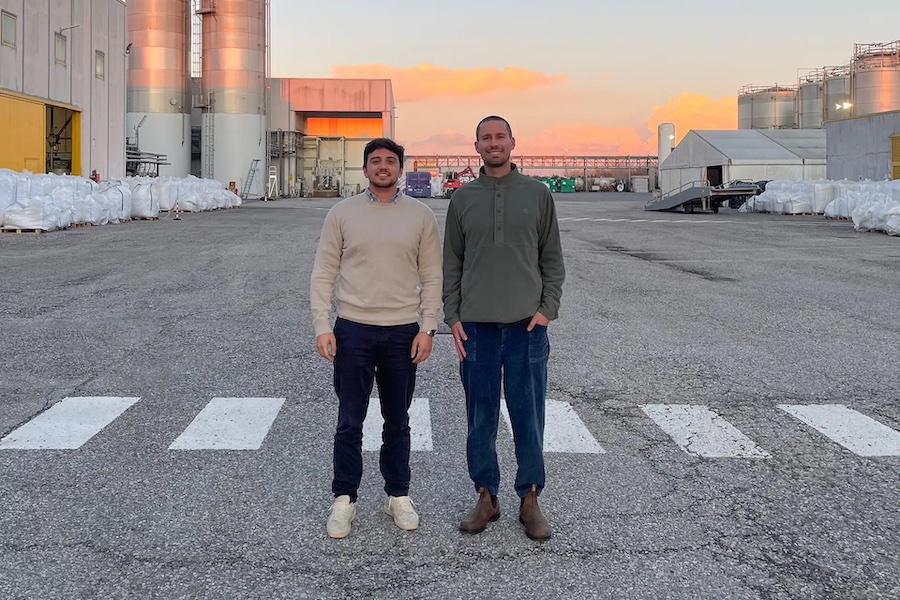
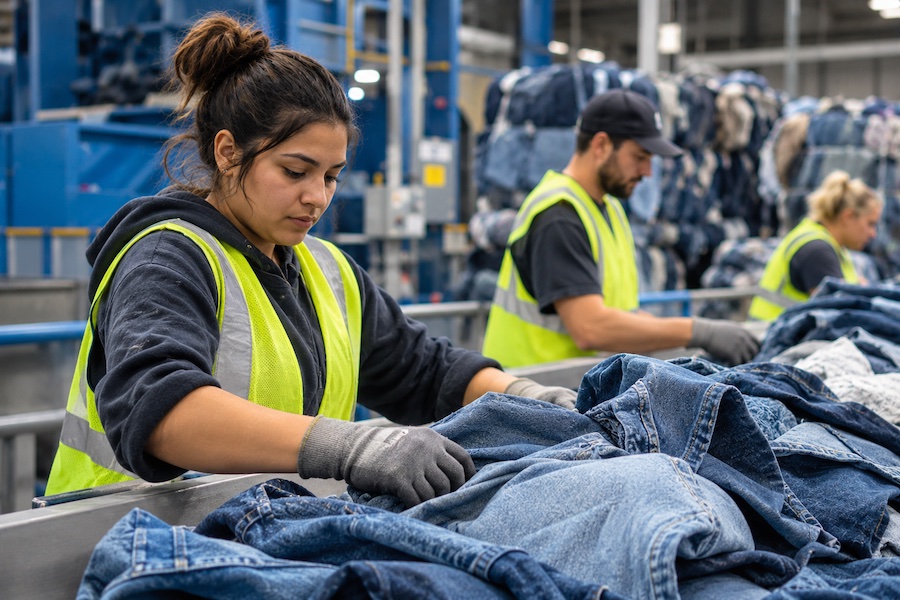
Selenis, a leading global manufacturer of specialty polyesters, today announced the launch of Texnascis, its new brand dedicated to textile-to-textile recycling. Texnascis will become the vehicle to deliver Selenis mission to drive the textile industry towards a circular future by transforming textile waste into innovative products for re-use.

Selenis’s expertise in polymerization for the speciality fiber industry has always been woven into their heritage. In 2022 they recognized the pressing challenge of textile waste and focused resources and innovation to address it, while maintaining their core business in specialty polyesters. With production investments first in the US and now with a new facility in Italy, and through Texnascis, they are strengthening their leadership in textile circularity and building a bridge of sustainable innovation across both sides of the Atlantic.

“The launch of Texnascis is a natural step forward as we build momentum in the textile-to-textile recycling space. We believe every garment should be reborn as another garment, not wasted. Achieving this vision on a global scale requires both innovation and forward-looking legislation and Texnascis will be at the forefront of this movement.” said Duarte Matos Gil, CEO of Selenis.

"For us, true sustainability means connecting the entire value chain. We ensure consistent performance by working with partners to scale, from pilot to industrial, and enhance recycled monomers. This provides our customers with a reliable, high-quality foundation for their scalable production, from recycled feedstock all the way to the finished products, whatever that may be." said Eduardo Santos, Global Head of Corporate Strategy at Selenis.

Texnascis see potential in every reborn polyester fiber, transforming used clothing and textile waste into new, high-quality products. This vision moves the industry beyond the traditional linear model of "take, make, and waste" towards a circular system where every fiber is given a second life, driving a future where the textile lifecycle is truly infinite.

Find out more at www.texnascis.com



More News from Selenis

#Man-Made Fibers

Selenis acquires Polisan Hellas assets and expands specialty copolyester production to more than 200,000 tonnes by 2028

Continuous polymerisation joins Selenis’ existing lines in Portugal, Italy, Tunisia and the United States. Customers get the same grades from more than one site, supply from within their region and the cost base of continuous production for high-volume grades. Priority markets: shrink sleeves, film and sheet, healthcare, 3D printing filaments and textile to textile recycling.

#Man-Made Fibers

IMG Group, parent of Evertis and Selenis, launches Everbio Innovation Hub backed by €15 million in financing from C2 Capital Partners

IMG Group launched the Everbio Innovation Hub, backed by €15 million in financing from C2 Capital Partners. Located at the Group’s industrial site in Portalegre, Portugal, the Everbio Innovation Hub brings together the capabilities of Evertis (PET-based packaging films), Selenis (specialty copolyester resins), Renascis (advanced multilayer recycling) and Renewis (renewable energy) to develop, test and mature the next generation of recycled and bio-based polymer materials and technologies.

#Man-Made Fibers

Selenis and Kintra Fibers partner to scale 100% bio-based synthetic fiber technology

Selenis, a leading global specialty polyester manufacturer, today announced a strategic manufacturing partnership with materials science company Kintra Fibers to scale Kintra’s patented fiber-grade PBS resin - a 100% bio-based and biodegradable material designed for textile applications.

#Recycled Fibers

Selenis to double capacity in Portugal by Q3 2027 - Accelerating the Global transition to circular and low-carbon polyesters

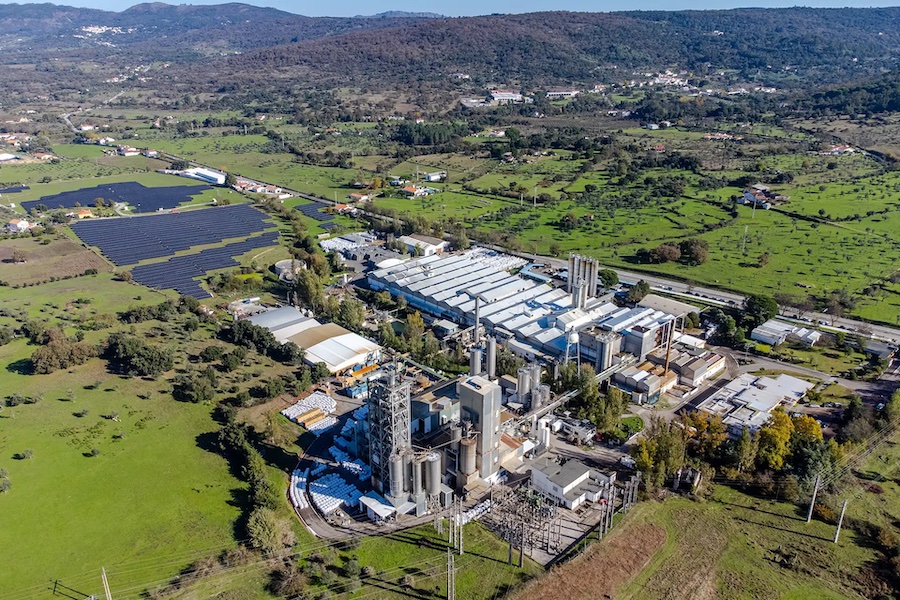
Selenis, a global leader in high-performance specialty polyesters and part of the IMG Group, has announced a transformational expansion of its industrial headquarters in Portalegre, Portugal. This strategic investment is set to double the site’s production capacity by the third quarter of 2027, significantly accelerating the industrial scale-up of bio-based, medical-grade, and circular co-polyesters.

More News on Recycling / Circular Economy

#Recycling / Circular Economy

Circulose resumes recycling of discarded cotton textiles and appoints interim CEO

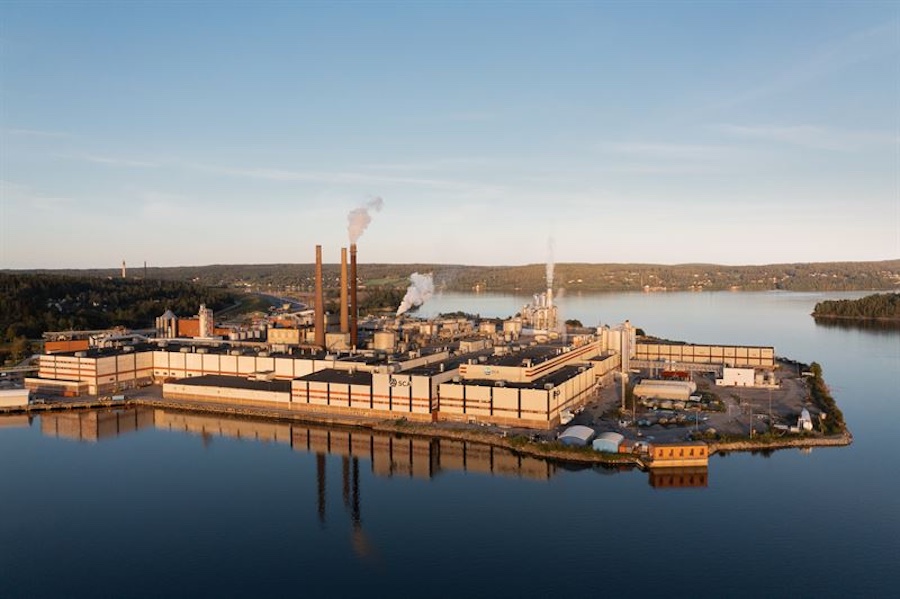
Circulose today announced its restart of commercial-scale production plant at Ortviken in Sundsvall, Sweden, marking a significant step in scaling next-generation materials for the global fashion industry. The Ortviken plant is the world’s first commercial-scale chemical textile recycling facility. Its restart demonstrates that the fashion industry is seeking ways to scale proven solutions that move beyond pilots and into commercial production.

#Recycled Fibers

Reju expands textile-to-textile recycling network with six international fabric manufacturers

Reju, a textile-to-textile regeneration company, is expanding its industrial network through collaborations with six fabric manufacturers in Europe and the Americas. The initiative aims to accelerate the integration of regenerated polyester into textile manufacturing and support the development of finished fabrics for commercial applications.

#Recycling / Circular Economy

H&M Foundation highlights economic barriers to scaling circular textile systems

Discussions at Textile Exchange 2026 underline the need for coordinated investment, reliable material flows and a fair distribution of costs and risks across the textile recycling value chain.

#Spinning

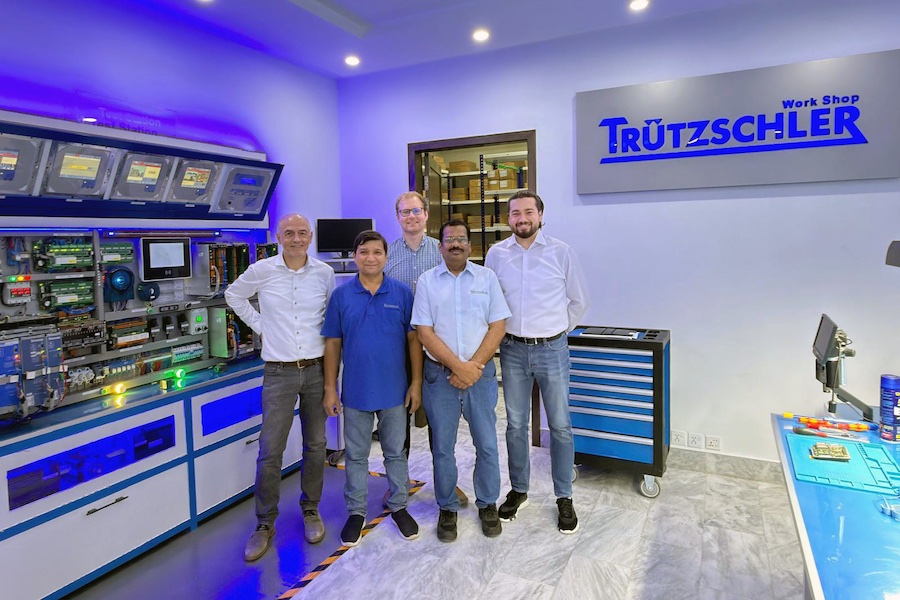
Trützschler expands technical service capabilities for spinning mills in Pakistan

Faster support, shorter downtime and advanced repair capabilities: customers across Pakistan can now benefit from the Trützschler Service Station at its new location in Lahore. By combining Trützschler service expertise with state-of-the-art diagnostic equipment, the new facility helps spinning mills resolve technical issues more quickly and maintain reliable production.

Latest News

#Spinning

Barmag’s single-stage Bi-Shrinkage concept impresses with yarn quality and efficiency

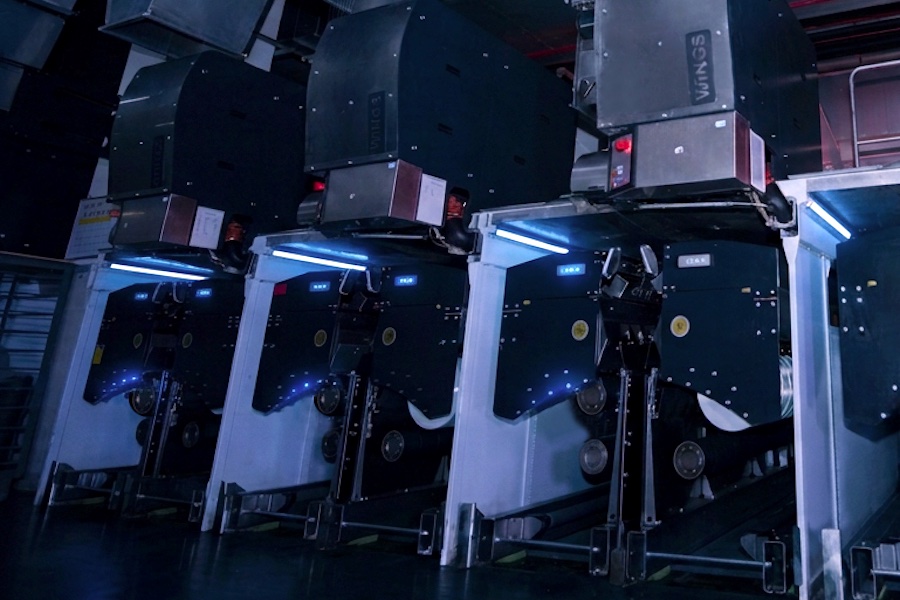
The Indian company Garden Silk Mills Pvt. Ltd. adopts Barmag's new single-stage Bi-Shrinkage Yarn (BSY) spinning concept based on WINGS FDY PLUS eco. The systems, which have been in operation for about a year, deliver excellent yarn quality with very good productivity.

#India ITME 2026

Trützschler brings intelligent fiber processing and automation to India ITME 2026

From December 4 to 9, 2026, the Trützschler Group will present its latest innovations in spinning, card clothing and nonwovens at India ITME in Greater Noida, India. At Hall 11, Booth B15, visitors can discover solutions designed to increase productivity, reduce operating costs and ensure consistently high product quality. Key highlights include the intelligent card TC 26i, the 12-head comber TCO 21XL, innovative card clothing solutions for improved fiber utilization and quality, as well as advanced nonwovens technologies for hygiene, wipes and technical applications.

#ITMA Asia + CITME 2026

Itema brings textile versatility to ITMA ASIA + CITME 2026

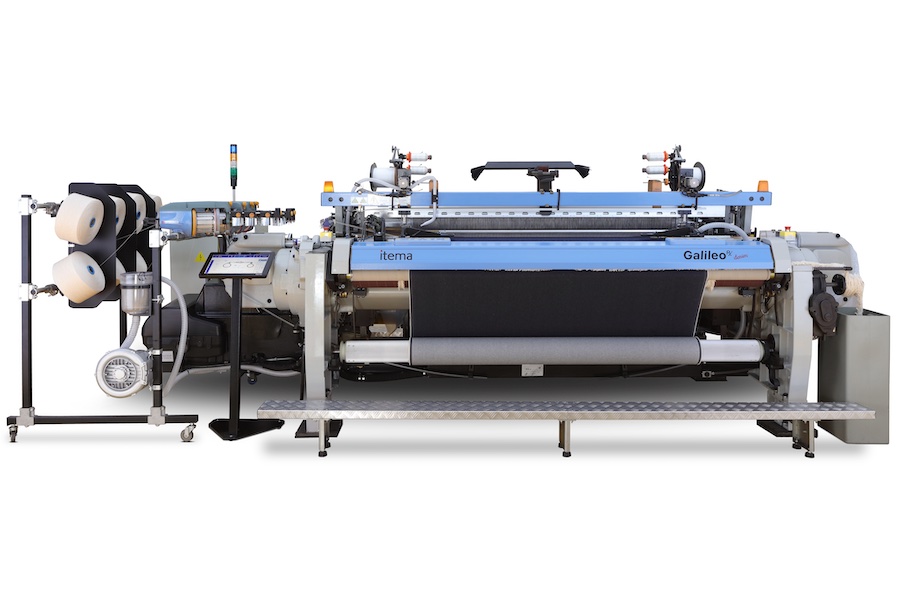
Itema announces its participation in ITMA ASIA + CITME 2026, taking place November 20–24 at the National Exhibition and Convention Center in Shanghai. In Hall 3 – Stand D06, the company will showcase two Galileo-RX rapier weaving machines weaving heavy denim and conveyor belt fabrics, demonstrating its ability to address different textile requirements with application-specific configurations. Five additional Itema machines at partner booths will extend the exhibition lineup to upper shoe fabric, label, Jacquard leno fabrics, and shirting, offering visitors a broader view of Itema rapier and air-jet weaving technologies.

#Dyeing, Drying, Finishing

AEI reaps the benefits of all-electric new Monforts range

The impact of the rising cost of energy on the textile industry has been well documented, with some European countries paying up to seven times more to run their manufacturing operations than in other regions of the world.

TOP