#Raw Materials
Cotton Brazil Dialogues field trip brings international stakeholders closer to Brazil’s cotton production chain
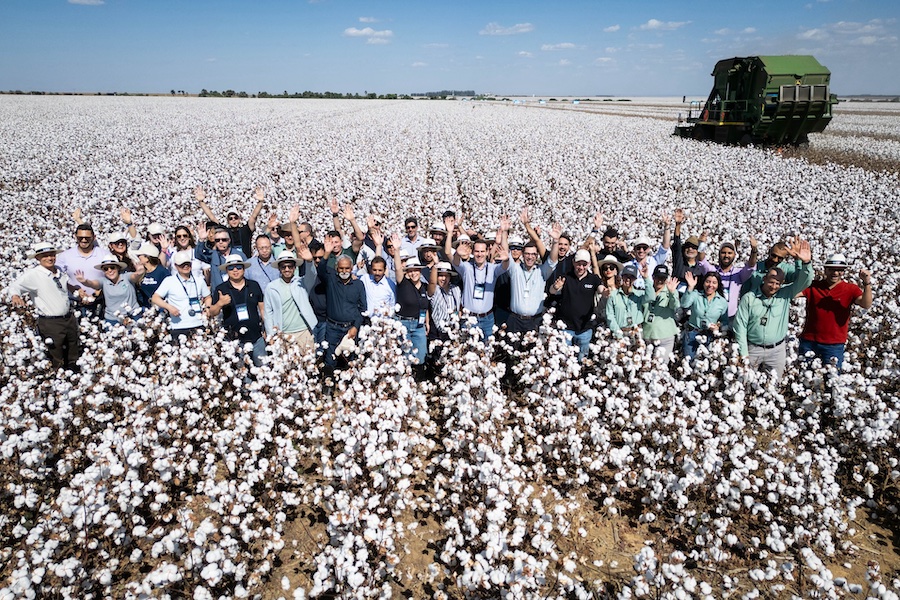
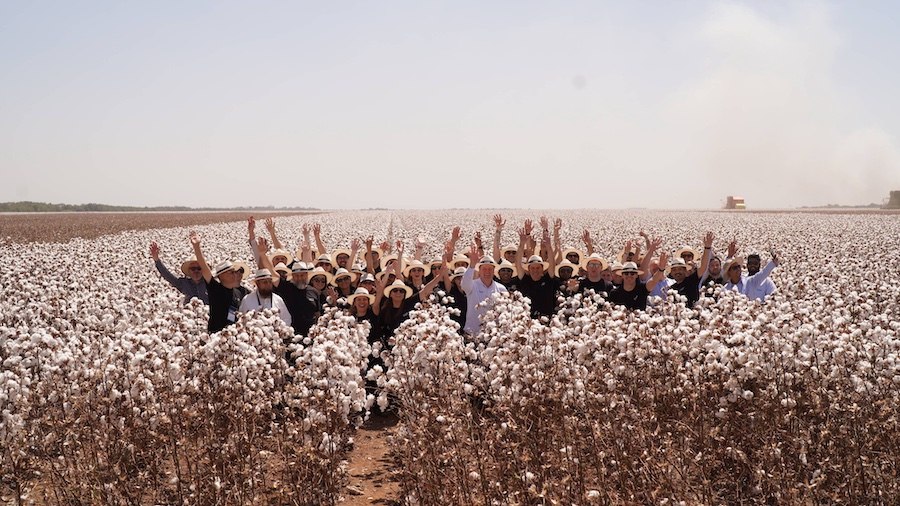
Throughout the five-day program, representatives from the international textile industry deepened their understanding of the quality, sustainability, traceability and innovation that have made Brazil a global benchmark in cotton production. The 2026 edition includes two field trips. The next group will participate from August 17–21, following the same technical itinerary with a new group of international participants.
An initiative led by Cotton Brazil and the Brazilian Cotton Growers Association (Abrapa), the Cotton Brazil Dialogues aims to promote the exchange of experiences and best practices in Brazilian cotton production, strengthen long-term relationships, and connect different stakeholders across the global textile value chain with the reality of Brazilian cotton farming.
Since 2015, the initiative has welcomed representatives from the global textile industry, particularly from Asia. This year’s edition, however, expands its scope by bringing together, for the first time, a multidisciplinary group representing different segments of the textile value chain, including brands, retailers, NGOs and International Organisations.
Hosting international visitors
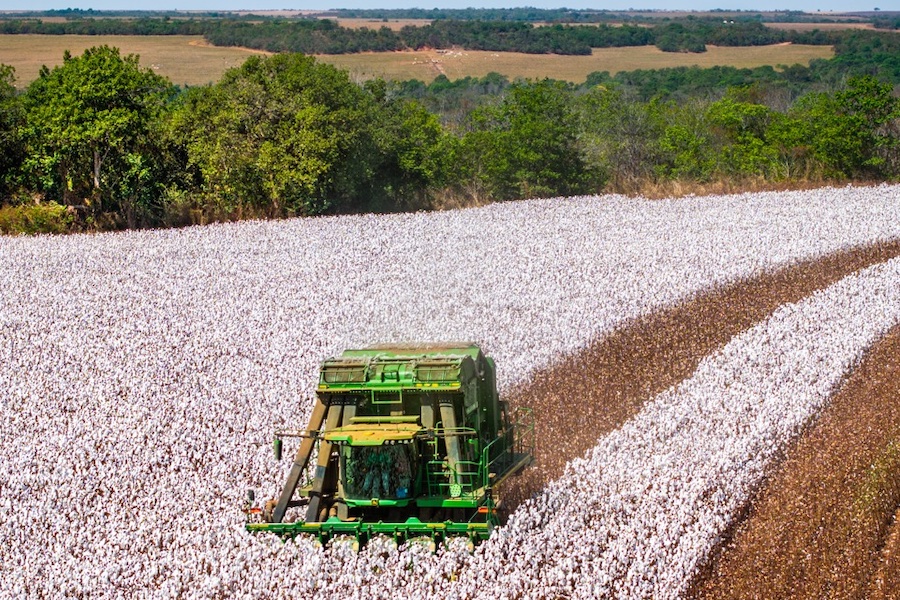
Throughout the field trips, participants experience every stage of Brazilian cotton production, from cultivation and harvesting to ginning, fiber classification, quality control and traceability systems.
During a visit to the headquarters of the Bahia Cotton Growers Association (Abapa) in Luís Eduardo Magalhães (BA), Lisa Ventura, Head of International Partnerships at Abrapa, highlighted that the initiative offers a unique opportunity for representatives from more than 15 countries to experience Brazilian cotton production. “It is important to understand the realities of growing cotton in a tropical climate and how producers adapt through practices that strengthen resilience, improve resource efficiency and support more sustainable production. ”
The producers hosting the international delegation also emphasized the importance of the initiative. “It was a tremendous joy for me and my entire family to welcome such an important mission to our farm and cotton gin. Just like us, this group is driven by cotton,” said Alessandra Zanotto Costa, Managing Director at Grupo Zanotto, whose farms are located in the state of Bahia.
“Receiving people from different countries, backgrounds and purposes gives us the opportunity to present not only the history of the Zanotto family, how we got here and what motivates us, but also our production model and, above all, our commitment to the quality of the cotton fiber we produce,” Alessandra added.
A complete view of Brazil’s cotton production chain
The Cotton Brazil Dialogues itinerary includes visits across the states of Mato Grosso, Goiás and Bahia, as well as the Federal District, providing participants with a comprehensive view of Brazil’s cotton production chain. The program features visits to farms, ginning facilities, fiber classification laboratories and reference centers, where participants closely follow each stage of production and learn about the processes that ensure the quality, sustainability and traceability of Brazilian cotton.
One of the topics that generated particular interest among participants was water management. Many were surprised to learn that 92% of Brazilian cotton is rainfed, demonstrating how producers combine the use of natural rainfall with advanced farming practices, technology and innovation to achieve high productivity while improving resource efficiency.
In addition to the technical visits, participants attend workshops and institutional meetings covering topics such as quality, genetics, social and environmental certification, regenerative agriculture, innovation, carbon emissions and the future of Brazilian cotton in the international market.
Experiencing Brazilian cotton
Representatives from companies and organizations across different countries highlighted the importance of the initiative in expanding their knowledge of Brazilian cotton production and strengthening dialogue among the different links of the global textile value chain.
Eva Benavidez Clayton, Senior Director of Demand & Engagement at Better Cotton, highlighted that the Cotton Brazil Dialogues is an excellent opportunity to better understand the experience of Brazilian cotton growers and see the realities on the ground.
“I think that’s really important to get in conversation with the people who are actually producing this incredible natural fiber that the world consumes so much of. So I think it’s such a unique opportunity to come to Brazil. And then I also really appreciate that there’s value chain actors from upstream to downstream here and bringing us all together to do these visits is really rich. And I’m learning a lot. I mean, I’ve been working in cotton for over a decade. But I’m still learning every time I visit a farm.”
Participant insights
“This is my first time in Brazil, and I am very happy to have the opportunity to see how cotton is grown here. The fields are very impressive. The visual cleaning system and the fact that 100% of the cotton is classified using the HVI system work extremely well,” said Mehmet Yanar, Fiber Sourcing Responsible at Ensar Tekstil San. ve Tic. A.Ş.
Melissa Ortuño de León, Senior Manager, Environmental Impact Methodologies at Cascale, said the trip has been a valuable opportunity to experience firsthand the reality of cotton production in Brazil. “At Cascale, we’ve been working on cotton life cycle assessment for more than six years. But we haven’t been on the field to see the realities of connecting data to what the farmers are experiencing,” she said.
“Our methodology is a global methodology, but now seeing the realities in Brazil, just how different states, how different realities from rain-fed to those that need irrigation, is a great insight that I’ve gotten from this trip.”