[pageLogInLogOut]

#Raw Materials

Official approval granted for Esquel Group’s new Sea Island Cotton variety "Yuan Loong 30"
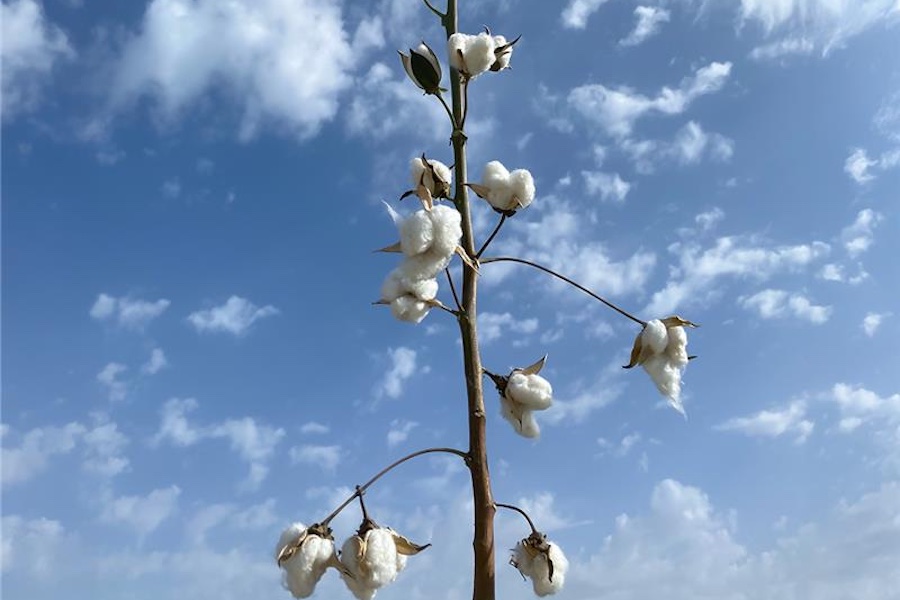
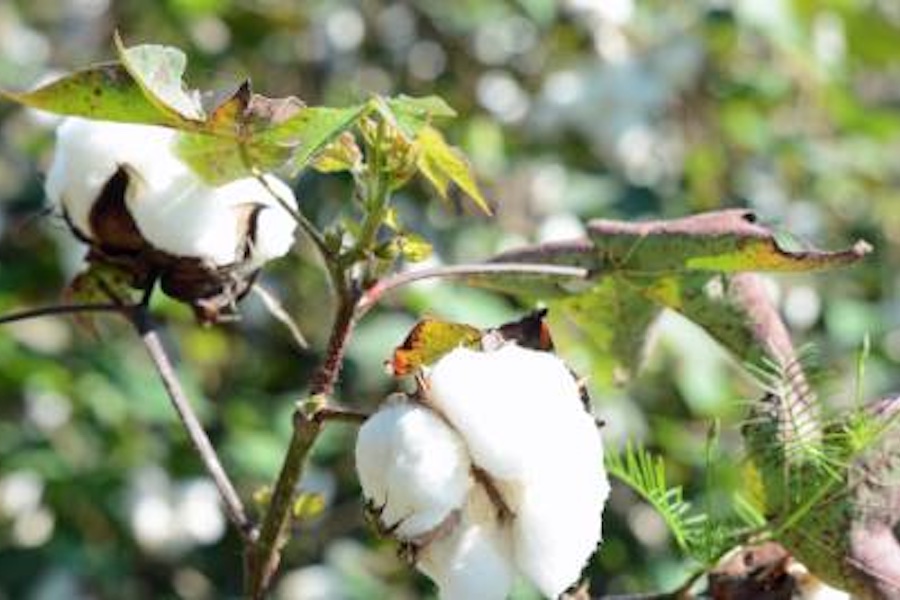
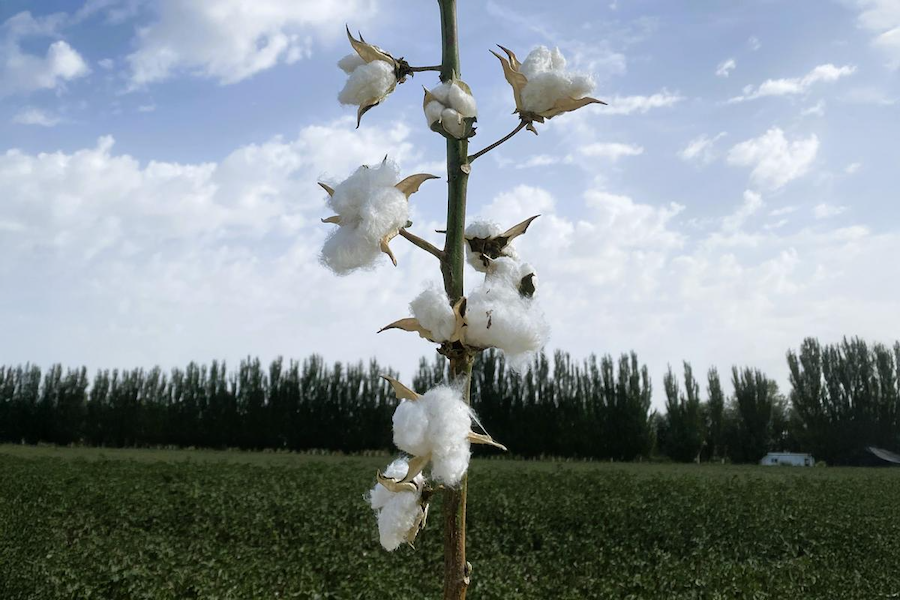
Esquel Group Xinjiang Research & Development Center has successfully developed a new self-bred Sea Island cotton (Extra-Long-Staple cotton, ELS cotton) variety named "Yuan Loong 30," which has been officially approved and designated by the 11th Main Crop Variety Assessment Committee of Xinjiang. With this addition, Esquel has now successfully bred and named a total of six Sea Island cotton varieties, including "Xinhai 33", "Xinhai 50", "Xinhai 55", "Xinhai 63", "Yuan Loong 17" and "Yuan Loong 30".
Cotton
Cotton "Yuan Loong 30" © 2025 Esquel


The breeding process of "Yuan Loong 30" spanned over a decade, undergoing one year of variety comparison trials, two years of regional trials, and one year of production testing. Notably, this variety is the first ELS cotton variety from Esquel to receive both official approval and plant variety rights—a significant breakthrough in cotton breeding. 

"Yuan Loong 30" demonstrates exceptional characteristics, featuring vigorous growth and high yield with good disease resistance, achieving over 16% increase in yield. It also boasts high lint percentage and excellent fiber quality, which not only enhances production efficiency but also effectively meets the demands for high-quality yarn production. 

Premium ELS cotton serves as a cornerstone of Esquel’s vertically integrated supply chain. The successful approval of its sixth new variety provides essential raw material support for building an advanced textile industry chain. This further aids in the development of high-count combed yarns, premium functional fabrics, and luxury garment series, enhancing product value and market competitiveness. These breeding breakthroughs also inject strong momentum into the transformation and upgrading of Xinjiang’s ELS cotton industry, promoting high-quality and sustainable development of China’s cotton and textile industries.
More News from Esquel Group.

#Raw Materials

Esquel Group adds two new extra-long staple cotton varieties approved

Esquel Group’s Xinjiang Research & Development Center has successfully developed two new Sea Island cotton (Extra-Long-Staple cotton, ELS cotton) varieties named “Yuan Loong 37” and “Yuan Loong 42,” which have been officially approved and granted registration numbers. Both varieties have also obtained Plant Variety Rights certificates, marking another significant breakthrough for the Group in cotton breeding and commercial application.

#Textiles & Apparel / Garment

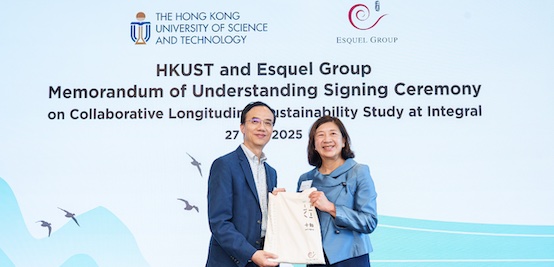
HKUST & Esquel unveil five-year study: Empowering students for sustainable innovation

The Hong Kong University of Science and Technology (“HKUST”) has partnered with Esquel Enterprises Limited (“Esquel Group”) to launch a five-year study program that allows HKUST students to conduct biannual field research at the textile manufacturer’s 500,000-square-meter Sustainable Development Garden Integral, recognized as one of China’s top 20 sustainable development projects by the United Nations.

#Recycling / Circular Economy

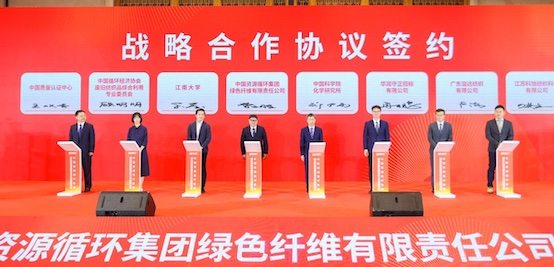
Esquel and China Recycling Group sign strategic cooperation agreement

On April 23, 2025, Guangdong Esquel and China Recycling Group signed a strategic cooperation agreement in Wuxi, Jiangsu. The partnership aims to promote the recycling and reuse of waste textiles, supporting China’s carbon neutrality goals.

#Textiles & Apparel / Garment

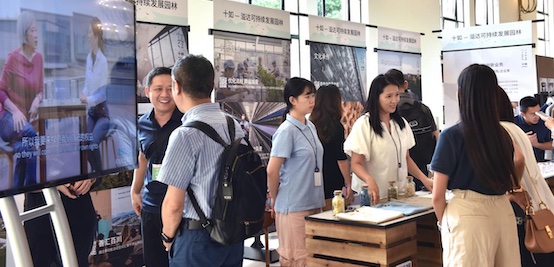
Integral highlights sustainable innovation at GREENEXT EXPO

Integral, the sustainable development garden of Esquel Group, a leading global knowledge-based innovation company, participated in the prestigious “GREENEXT EXPO” in Shanghai, unveiling its innovative achievements in sustainable development. Coinciding with the 20th anniversary of the United Nations Global Compact (UNGC)’s advocacy of ESG principles, the event brought together industry leaders to explore the future of sustainable development and ESG practices.

More News on Raw Materials

#Raw Materials

Cotton Brazil Dialogues 2026 concludes with 50 international participants immersed in Brazilian cotton production

The Cotton Brazil Dialogues concludes its 2026 edition after a series of technical visits to farms, cotton gins and reference centers, as well as workshops focused on Brazilian cotton production. A total of 50 participants from 14 countries took part in the field trips. The initiative is led by the Brazilian Association of Cotton Growers (Abrapa) and the National Association of Cotton Exporters (Anea), with support from the Brazilian Trade and Investment Promotion Agency (ApexBrasil).

#Raw Materials

Global cotton production projected to outpace consumption, but risks remain

Global cotton production is projected to reach 26.2 million tonnes in the 2026/27 season, marginally outpacing estimated consumption of 25.9 million tonnes. However, early-season production risks — including weather volatility and pest pressures — could narrow that buffer as the crop progresses, according to the September 2026 issue of Cotton This Month, published by the International Cotton Advisory Committee (ICAC).

#Natural Fibers

Global garment trade nears USD 550 billion as competition intensifies

The global garment industry has undergone a dramatic transformation over the past two decades, with knit and woven garments together accounting for nearly 60% of world textile exports in 2025, according to the August 2026 issue of The Textiles Observer, a free publication from the International Cotton Advisory Committee (ICAC).

#Raw Materials

Brazil sets new cotton export record and consolidates global leadership

Brazil ended the 2025/26 commercial year with a new record, consolidating its position as the world’s largest cotton exporter. Between August 2025 and July 2026, the country shipped 3,373,941 tonnes of the fiber, 19% more than in the previous cycle, and reached record revenue of US$5.3 billion. The result represents a milestone in Brazil’s expansion in the international market and reinforces the country’s role as a strategic supplier to the global textile industry.

Latest News

#Weaving

Lindauer DORNIER GmbH welcomes new apprentices and dual-study students

For 22 new “DORNIER Talents”, these days mark the beginning of a new chapter at Lindauer DORNIER. For the family-owned company, in-house training is a key pillar in developing skilled professionals and retaining them within the company for the long term.

#Research & Development

Novel flame-retardant and recyclable fiber-reinforced composite

Airplanes and passenger trains must meet strict safety requirements, including fire safety standards. This calls for materials that are flame-retardant, lightweight, robust, and scalable. Empa researchers, in collaboration with their industry partner Elantas, have now succeeded for the first time in making such a material – a composite – fully recyclable.

#Composites

WHILL selects Teijin’s tough, lightweight Carbon Fiber Composite for new last-mile mobility

Teijin Limited announced today that WHILL Inc., a global leader in inclusive mobility technology, has selected Sereebo® P CFP series, a carbon fiber-reinforced thermoplastic (CFRTP) material, for key structural components of the upcoming WHILL Model C Lite. Sereebo® P CFP series provides high strength, light weight, design flexibility and system cost advantages to the Model C Lite, which is a battery powered, single-seat, last-mile device. This new model combines maneuverability with light weight and one-handed folding to ensure ease of handling and operation.

#Textile chemistry

ZymoChem secures $4 million in renewed federal funding to advance U.S. biomanufacturing of critical materials and their supply chains

ZymoChem, the specialty chemicals company dedicated to bringing decarbonization, sustainability, and supply chain resiliency to the chemical industry through innovative biological manufacturing, today announced the resumption and expansion of its federal research portfolio. The company has been notified that previously paused work under a $5 million U.S. Department of Energy (DOE) program is officially back on, to be joined by continuing collaborations with three of the nation's premier national laboratories.

TOP