[pageLogInLogOut]

#Nonwovens / Technical Textiles

Relive-1: High-quality tufted carpets made of recycled PET

© 2020 Relive-1 / autoneum
With Relive-1, Autoneum is launching an innovative tufted carpet that meets the highest requirements of sustainable mobility. The tufting technology for the compact to premium class, which has been awarded the “Autoneum Pure.” label for outstanding environmental friendliness, is also more durable than the carpet standards common in these vehicle segments and convinces with excellent cleanability.

Global demand for innovative cars of the future and sustainable forms of mobility is rising. Accordingly, automobile manufacturers and suppliers are increasingly focusing their vehicle development activities on resource-saving lightweight components and production processes. In addition, the look and feel of the passenger cabin is a decisive factor in the purchasing decision, as in the future the car will be used increasingly for work and recreation. Here, carpet systems play a key role in terms of quality perception because of their size. With Relive-1, Autoneum now offers a premium technology for automotive carpets that not only scores with its aesthetic appearance, but also has an exceptional environmental performance. Among other things, carpets made of Relive-1 feature a particularly sustainable use of raw materials: For example, only recycled PET bottles are used to manufacture the carpet yarns. Autoneum reuses this raw material, thus conserving natural resources and reducing plastic waste – while at the same time ensuring that new, high-quality carpet systems for future vehicle generations can be produced cost-effectively from used PET bottles. Moreover, Relive-1 is an important step towards mono-material constructions and consequently, zero waste tufted carpet production.

At the same time, Relive-1 stands for the above-average product quality of Autoneum: Compared to standard carpets in compact to large class vehicles, Relive-1 carpets are more robust thanks to significantly higher abrasion resistance, and easy to clean thanks to the vertical alignment of the filaments and the water repellency of polyester.


© 2020 Relive-1 / autoneum


As a result, small particles such as wood splinters, dust or pebbles as well as liquids can be removed easily with no residual traces, which is a key benefit for recreational vehicles like SUVs. For premium class vehicles, the marriage of outstanding performance and sustainability defines nowadays the new luxury.

Relive-1 is being launched in North America and will be offered in Europe for luxury vehicles as of 2021.

More News from TEXDATA International

#Digital Printing

From a bedroom startup to 3,000 designs: How Lonely Kids Club built its business with DTG printing

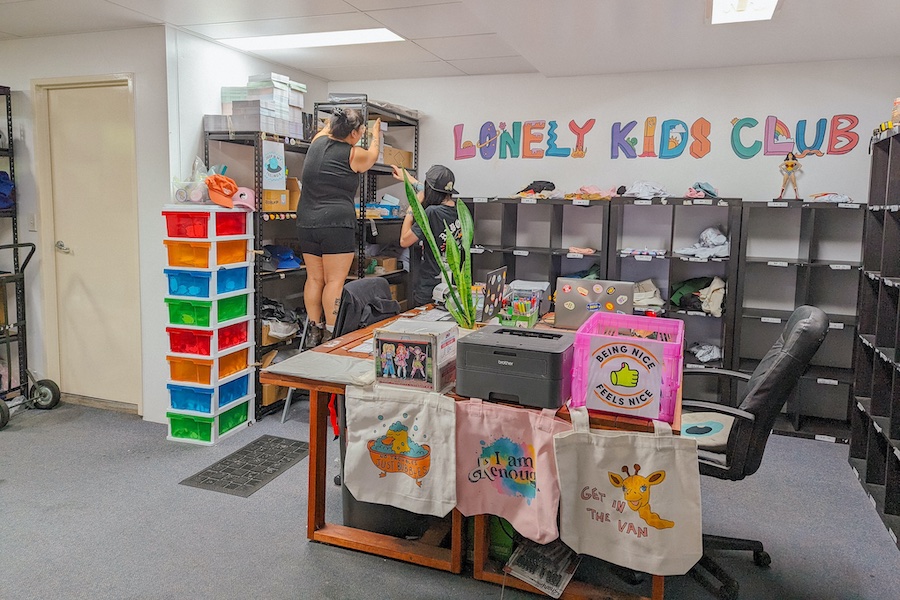
Founded in Sydney in 2011, independent clothing label Lonely Kids Club has grown from a bedroom startup into a business offering around 3,000 graphic T-shirt designs. With its own production studio, direct-to-garment printing and a demand-driven manufacturing model, the company demonstrates how smaller apparel brands can combine creative independence with flexible production – while navigating the everyday challenges of quality control, workflow efficiency and sustainability.

#India ITME 2026

India’s textile industry: Current position, growth targets and industrial development

With ambitious export targets, major investments in manufacturing infrastructure and new international trade agreements, India is pursuing a comprehensive development strategy for its textile and apparel industry. An overview of the industry’s current position, government initiatives, progress achieved and challenges ahead.

#Weaving

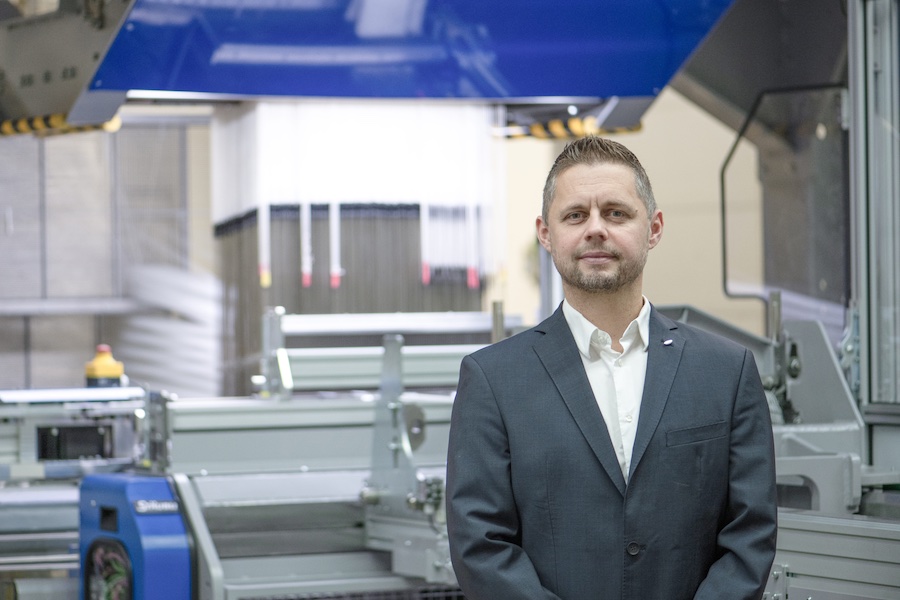
“A complex design is only useful if the machine can reproduce it consistently”

Andreas Schnabel, Head of R&D for Technical Weaving Systems at Stäubli, discusses how 3D weaving can create textile reinforcements tailored to the loads within a composite component, where near-net-shape weaving can reduce processing steps and material waste, and what it takes to produce complex structures reliably and economically. He also explains how manufacturers can adapt Stäubli’s modular TF weaving platforms to new applications and how the company’s centre of excellence in Bayreuth supports the transition from research to industrial production.

#India ITME 2026

India ITME 2026: Textile technology meets India's investment ambitions

With ambitious growth targets, government incentive programmes and industrial development initiatives already underway, India is preparing for the next stage of its textile transformation. Against this backdrop, the 12th India ITME, taking place in Greater Noida from 4 to 9 December 2026, arrives at a particularly important moment for machinery manufacturers and textile producers alike.

More News on Nonwovens / Technical Textiles

#ITMA Asia + CITME Singapore 2025

ANDRITZ sets focus on textile recycling and durable nonwoven production technologies at ITMA Asia 2025

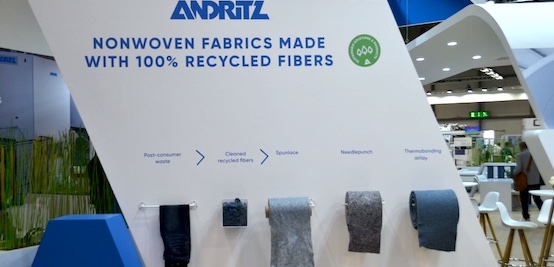
International technology Group ANDRITZ will be presenting its innovative nonwovens production and textile solutions at ITMA ASIA + CITME 2025 in Singapore, from October 28 to 31, 2025 (Hall 2, D106). ANDRITZ will showcase its MMCF production plants, textile sorting and recycling, bast fiber processing, needlepunch, airlay, and life-cycle service technologies, with a focus on sustainable solutions. Discover how these innovations can grow your business opportunities and support a greener future.

#ITMA Asia + CITME Singapore 2025

Dilo Group at ITMA ASIA Singapore 2025

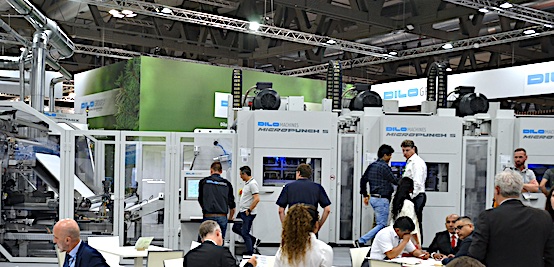
At ITMA ASIA Singapore, the Dilo Group will exhibit at Booth No. H2 – D202. Together with Kansan Materials, Izmir, the company will present its latest developments and looks forward to welcoming visitors to exchange ideas and explore innovations in needling technology.

#Nonwovens

OUTLOOK™ 2025: Charting a sustainable and innovative future for the Nonwovens Industry

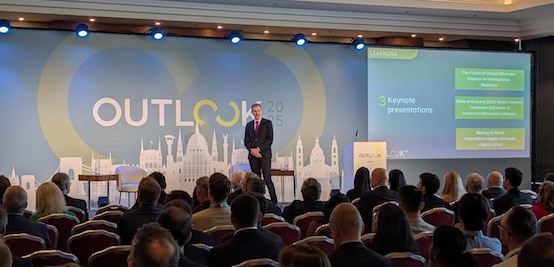
EDANA concluded its flagship event, OUTLOOK™ 2025, last week, marking it as a major success and addressing the biggest questions facing the industry. The three-day conference highlighted the urgent need for a unified approach to sustainability, regulation, and innovation in the absorbent hygiene and wipes sectors.

#Nonwovens

Global Nonwovens Alliance unveils Inaugural Board, advancing collaboration and growth worldwide

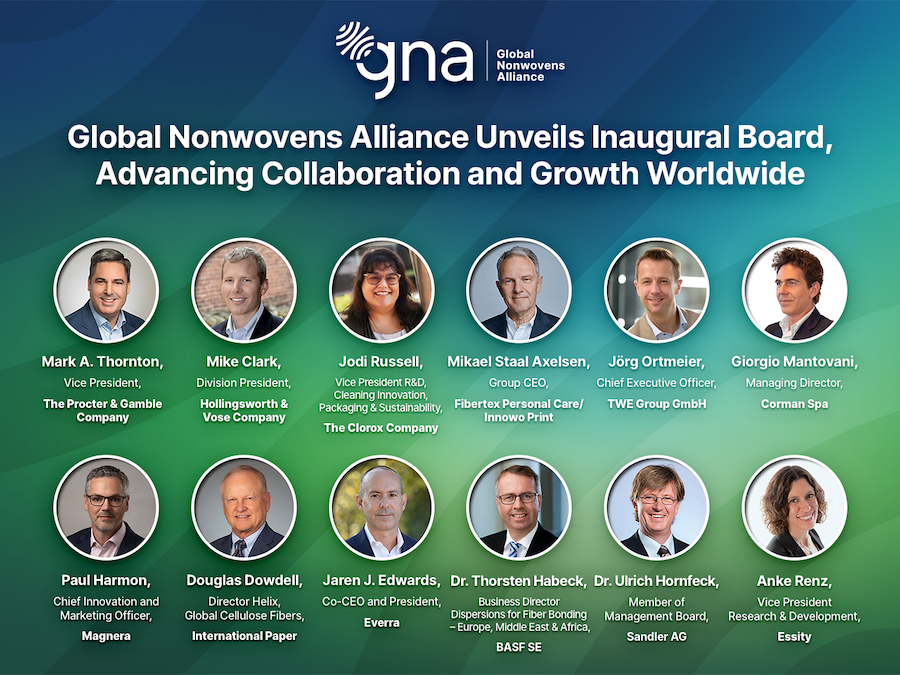
The Global Nonwovens Alliance (GNA), a tax-exempt federation jointly founded by INDA, the Association of the Nonwoven Fabrics Industry, and EDANA, the Voice of Nonwovens, announces the appointment of its founding Board of Directors. This group of leaders represents some of the most influential executives across the nonwovens value chain and reflects GNA’s mission to foster global collaboration, innovation, and growth in the industry.

Latest News

#Associations

Christoph René Holler to succeed Uwe Mazura as managing director of textil+mode

Christoph René Holler will take over as managing director of textil+mode, the German textile and fashion industry confederation, on 1 January 2027. He succeeds Uwe Mazura, who has led the association for 13 years and will remain in charge of collective bargaining policy through the next round of negotiations before retiring.

#Heimtextil 2027

Heimtextil and The Florentin showcase the role of textiles in hotel design

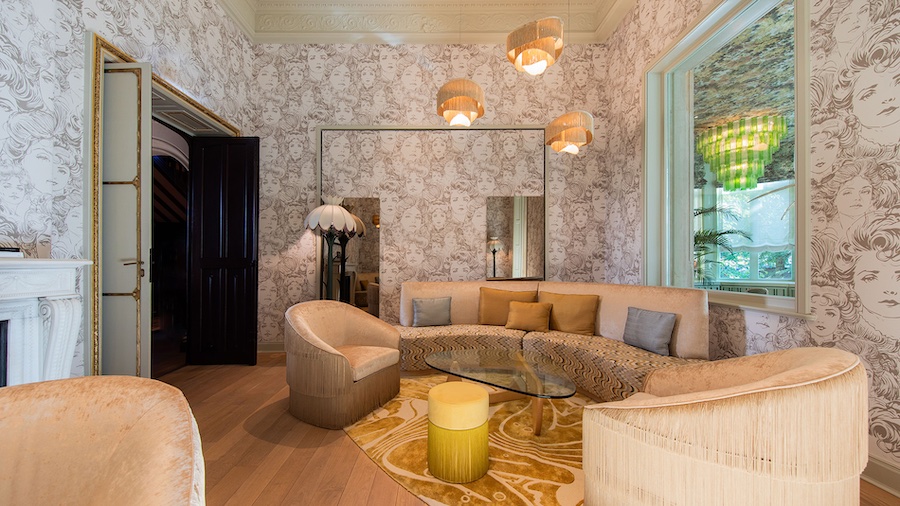
Heimtextil has partnered with Frankfurt hotel The Florentin by Althoff Collection for its new Interior.Architecture.Hospitality campaign. The collaboration will give architects, interior designers and other contract-sector professionals a closer look at how textiles were used in the hotel. The two studios behind the project will discuss their work at Heimtextil on 14 January 2027 in Hall 4.1.

#EU Textile Strategy

EU Commission proposes advanced materials agenda with targets for 2035

The European Commission has proposed an Advanced Materials for Europe agenda to accelerate the development, production and adoption of safer and more sustainable advanced materials. The proposal sets three benchmarks for 2035 and calls for closer coordination among EU member states to help move new materials from the laboratory into industrial production.

#Research & Development

Empa develops liquid-core fibre for insecticide-treated mosquito nets

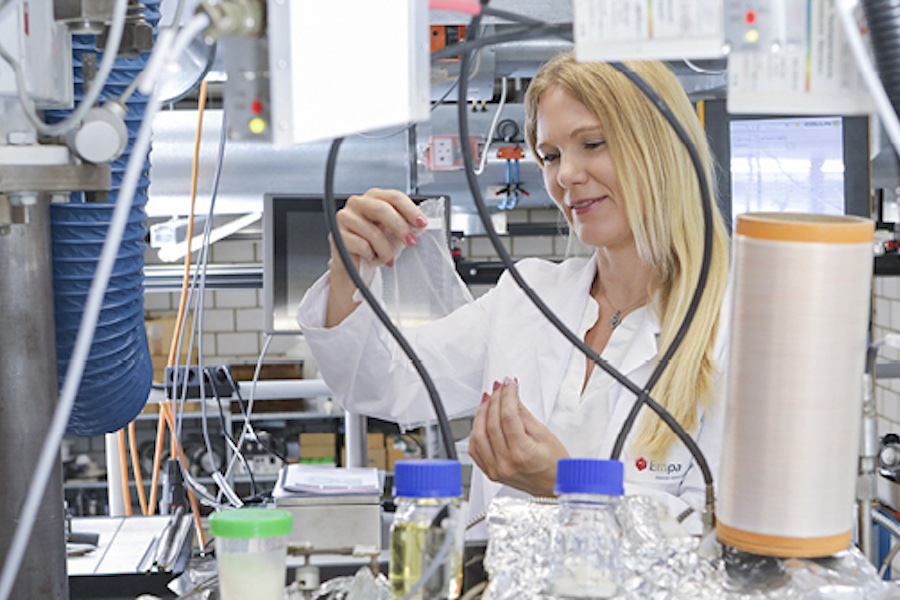
Empa researchers have developed a liquid-core fibre for mosquito nets that can incorporate insecticides unsuitable for conventional melt spinning. The fibre gradually releases the active ingredient through a polymer sheath. The team developed and tested the yarn over three years in the Innosuisse project MalCoFil with Swiss industry partners Vestergaard and Monosuisse.

TOP